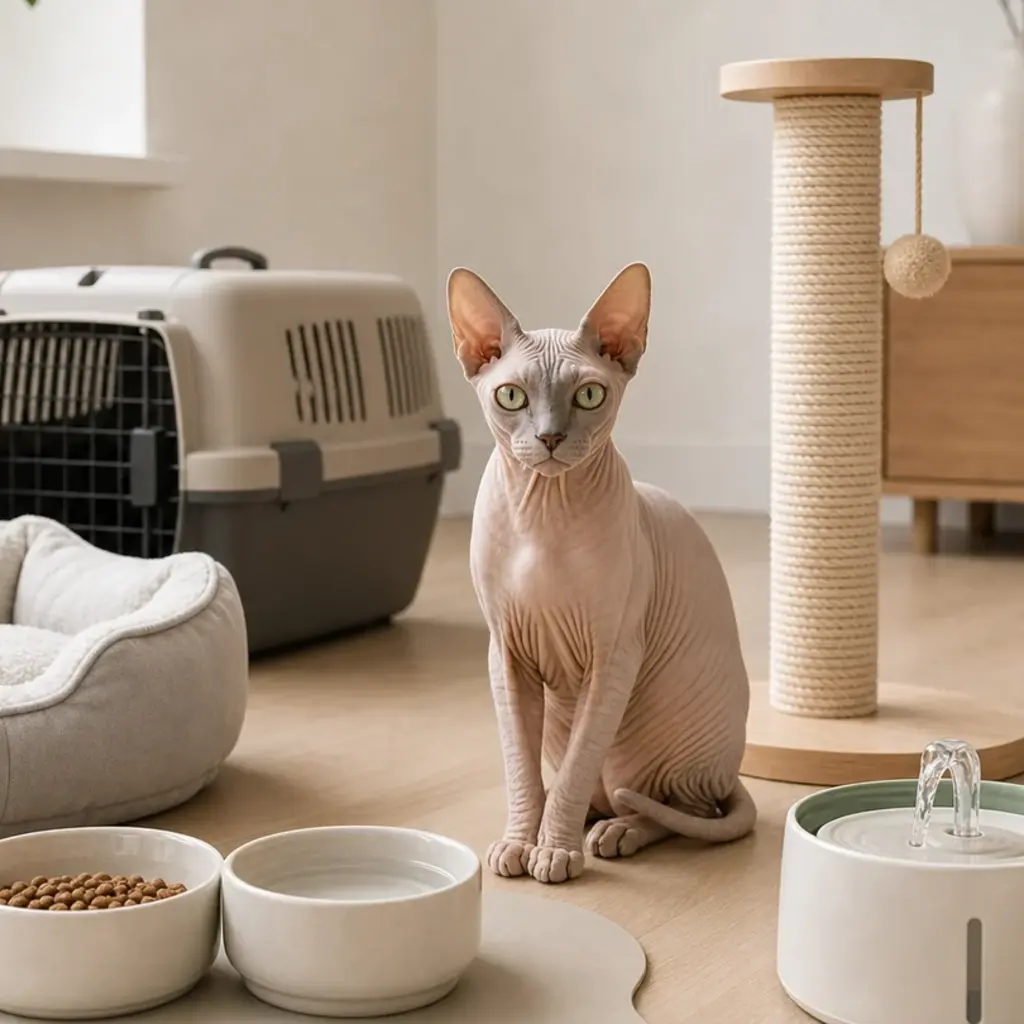
Fix access, box setup, stress, and cleaning before blaming the cat.
Look at the setup and the stress level before assuming the cat is being difficult. Better access and calmer routines usually teach more than pressure.
What you are really solving
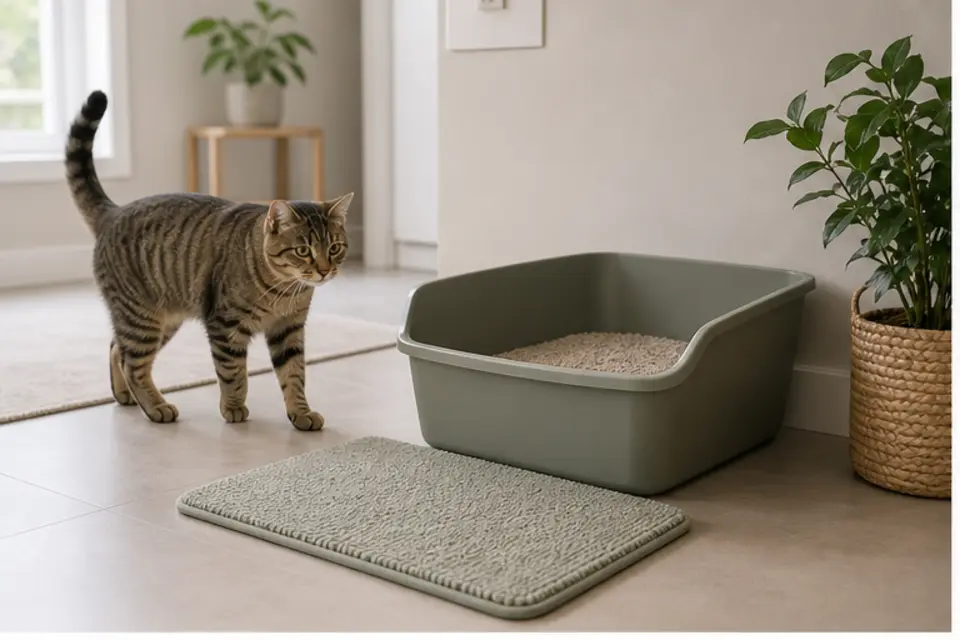
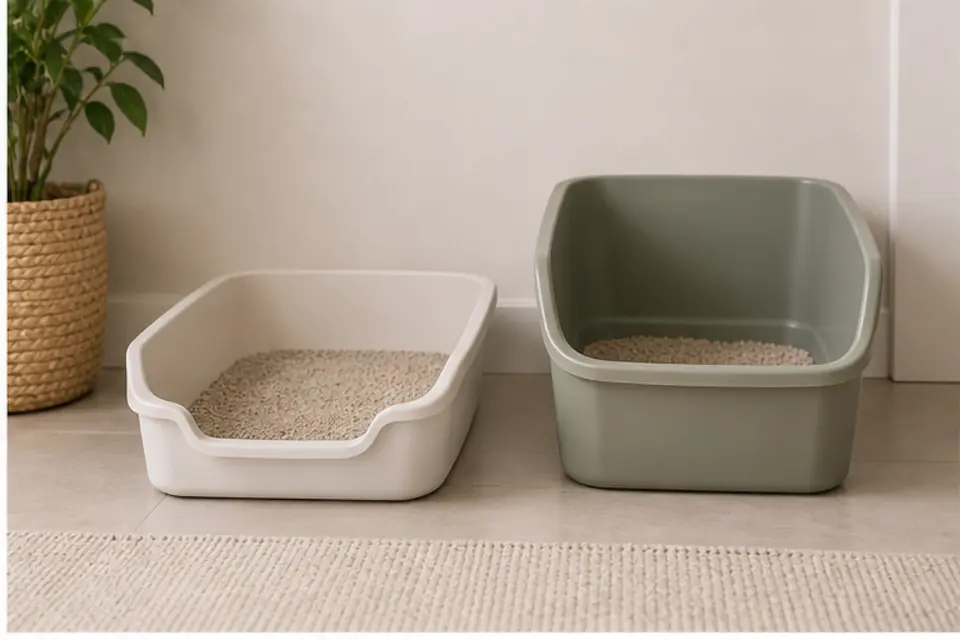
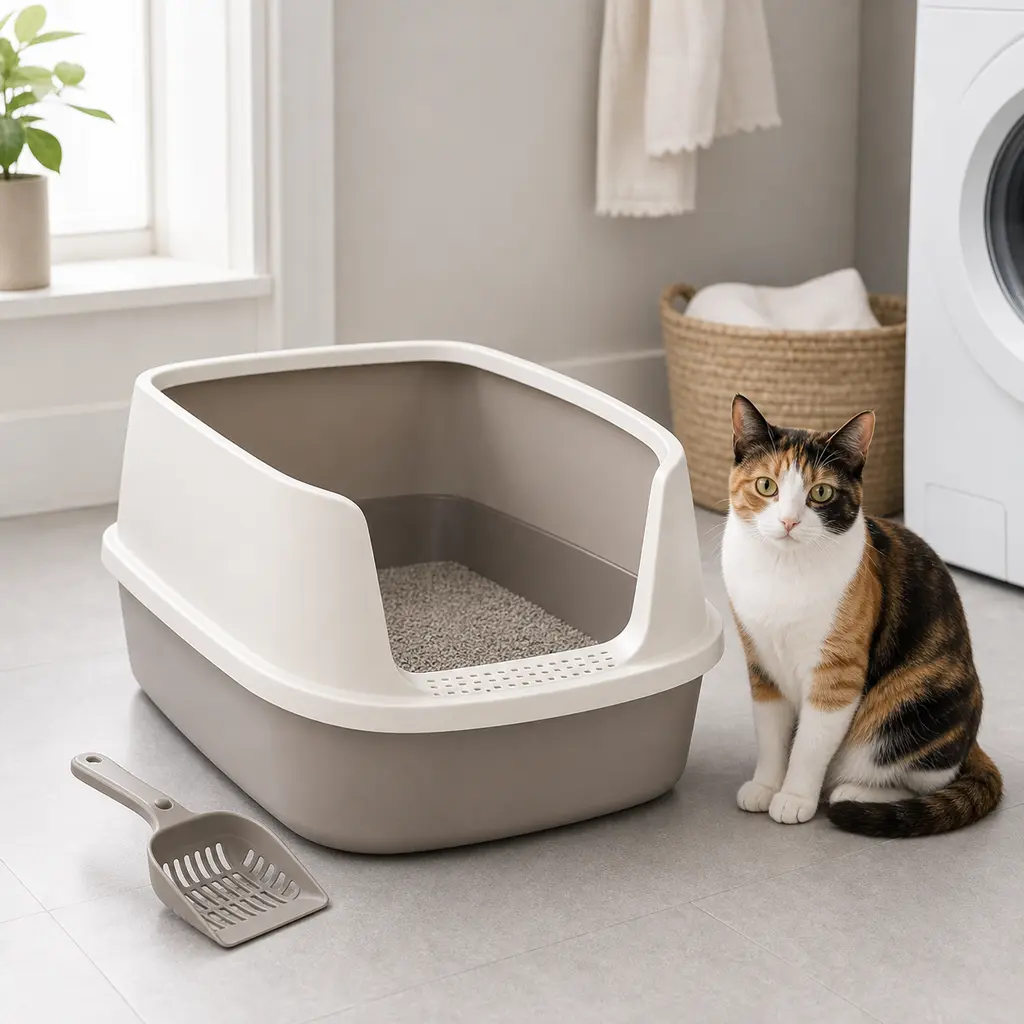
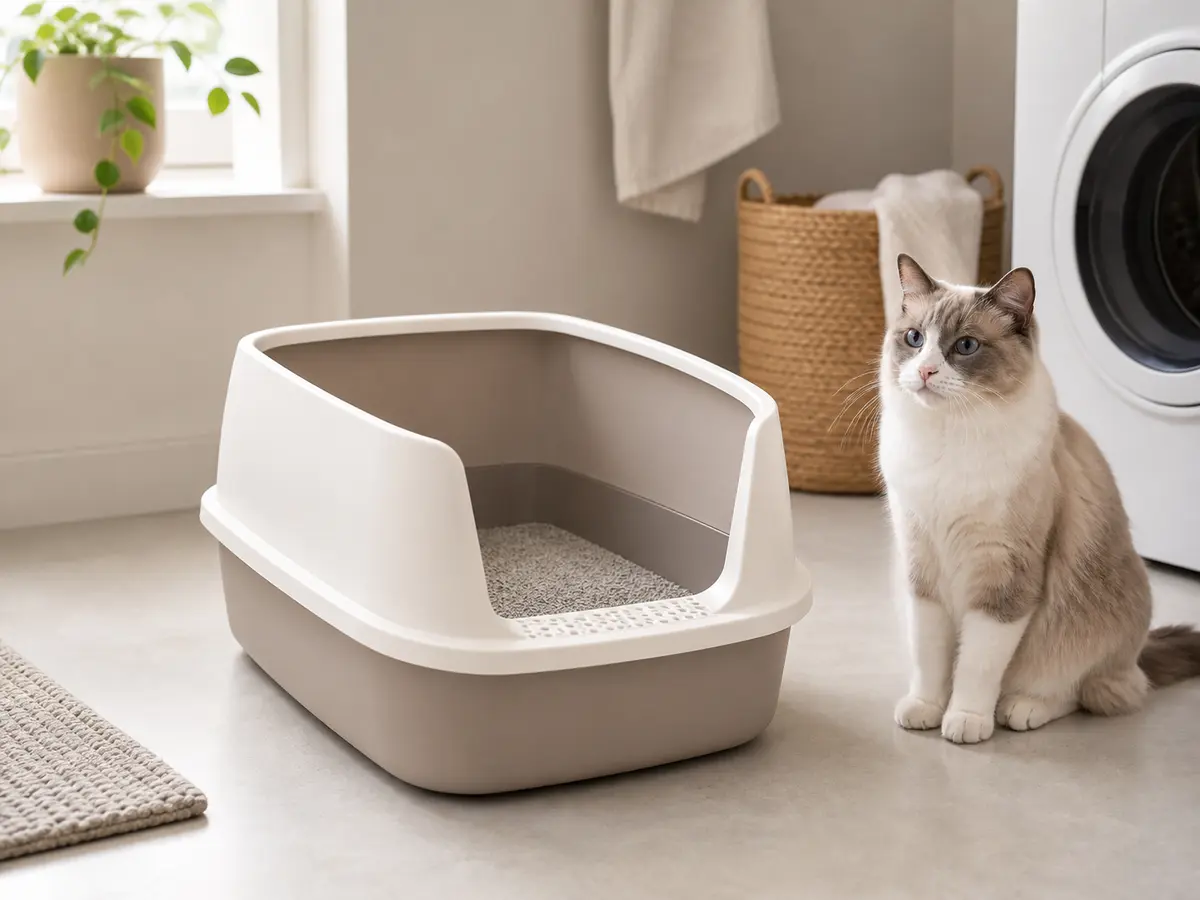
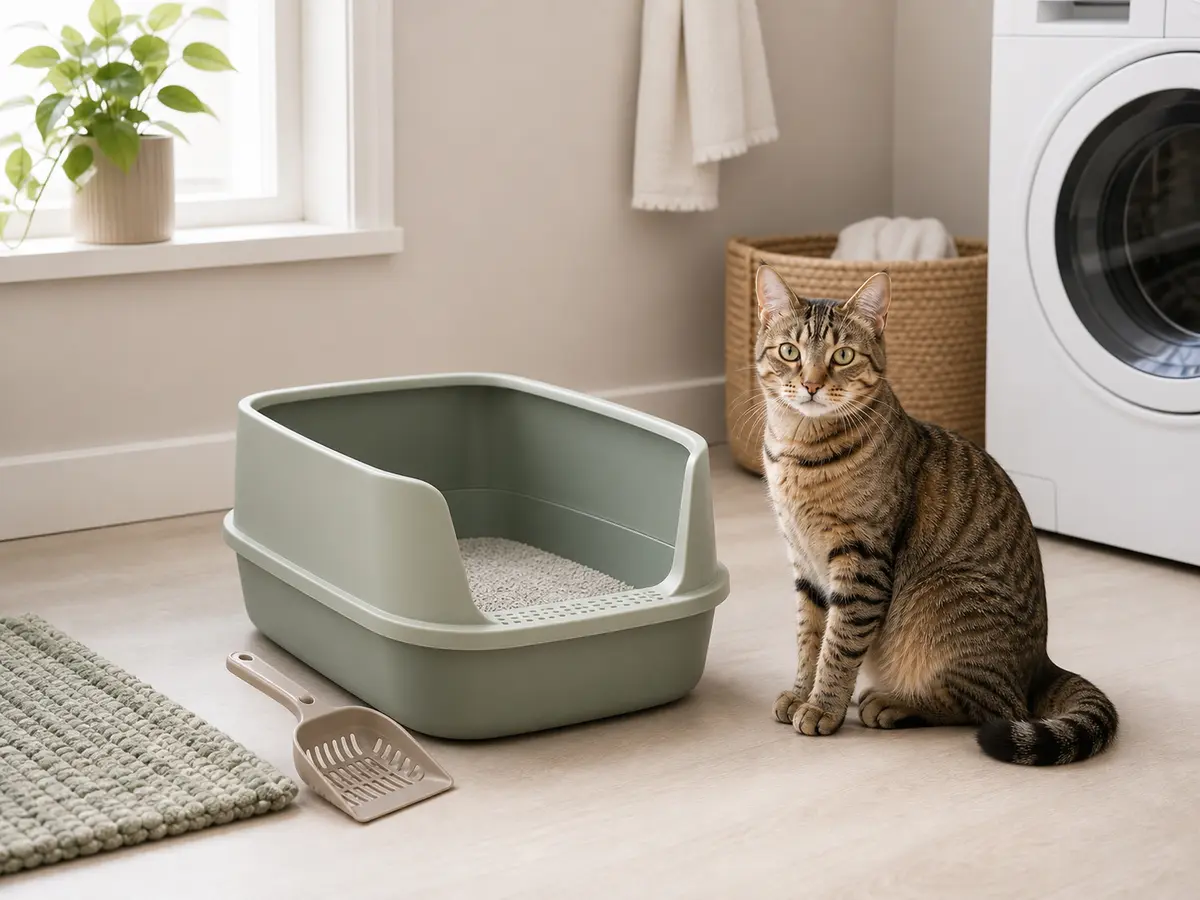
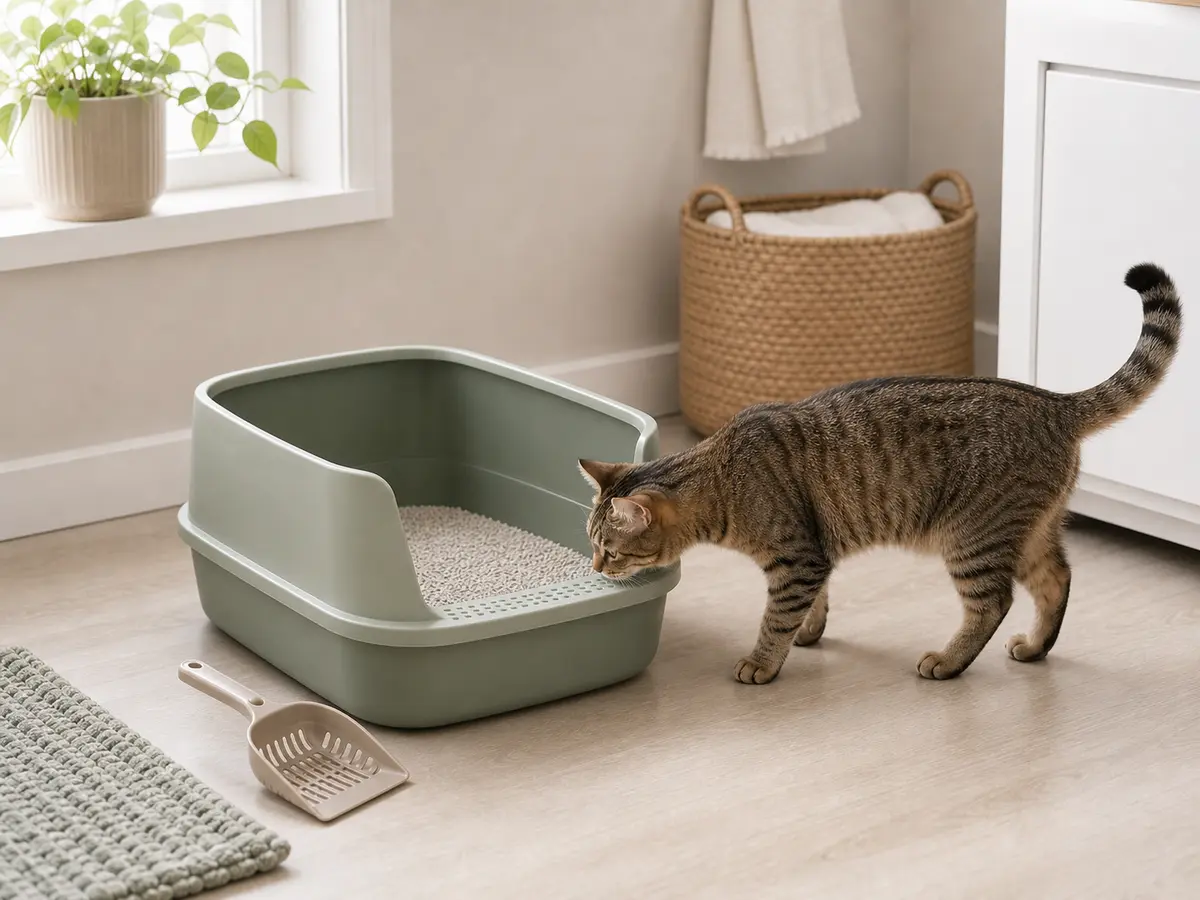
Look at the bathroom your cat actually has to use: box size, entry height, litter depth, traffic, noise, and whether another pet can block the route. A roomy, easy-to-reach box gives you better information before you assume the behavior is attitude.
Read the room
Move the setup before you blame the cat. Try a quieter location, easier entry, cleaner box, or more open escape route, then watch what changes over several normal days.
Change one variable at a time
Change one thing at a time. Box location, litter type, mat texture, cleaning rhythm, and household stress can all matter, but changing everything at once makes it hard to know what helped.
Reward the better choice
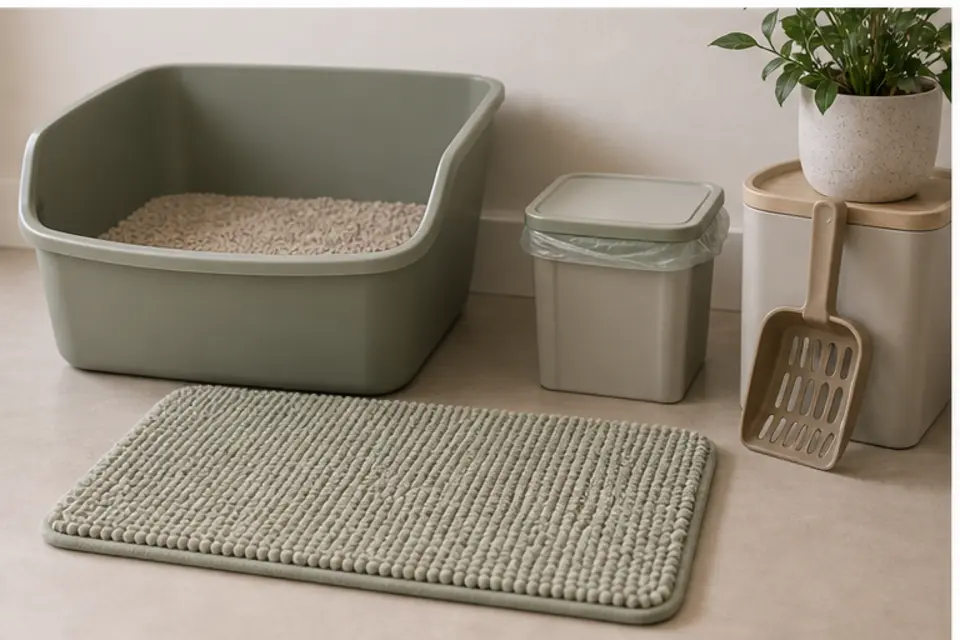
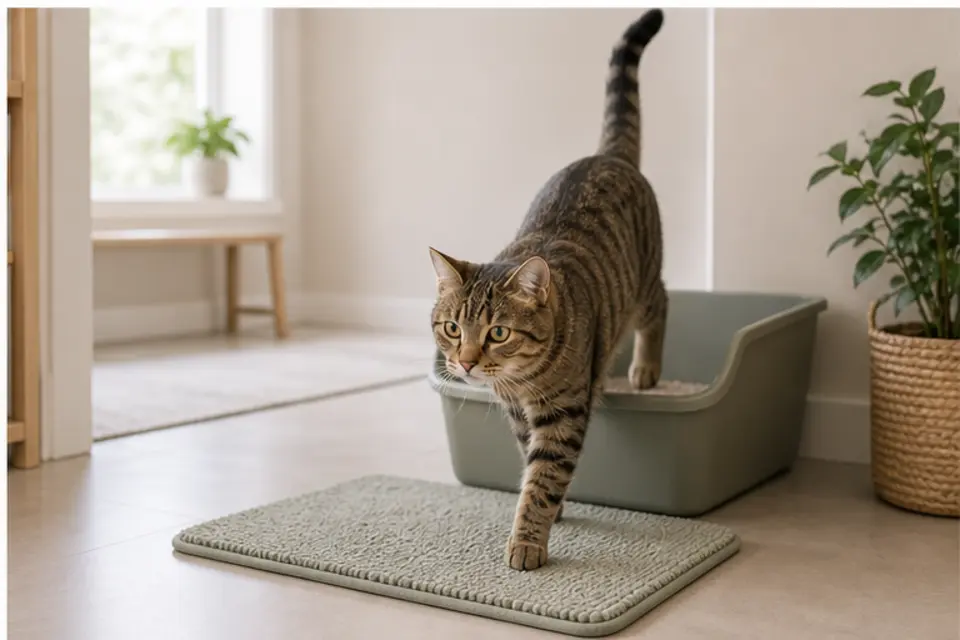
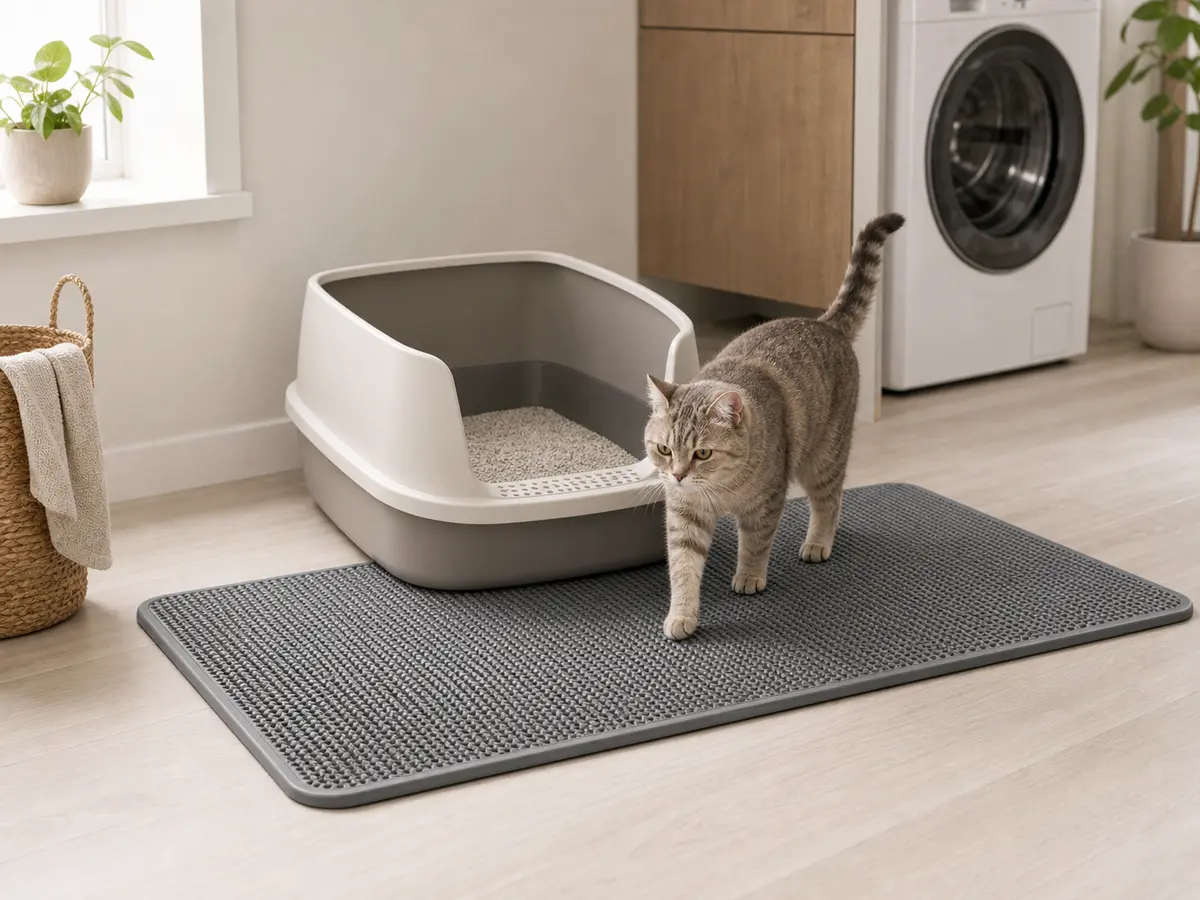
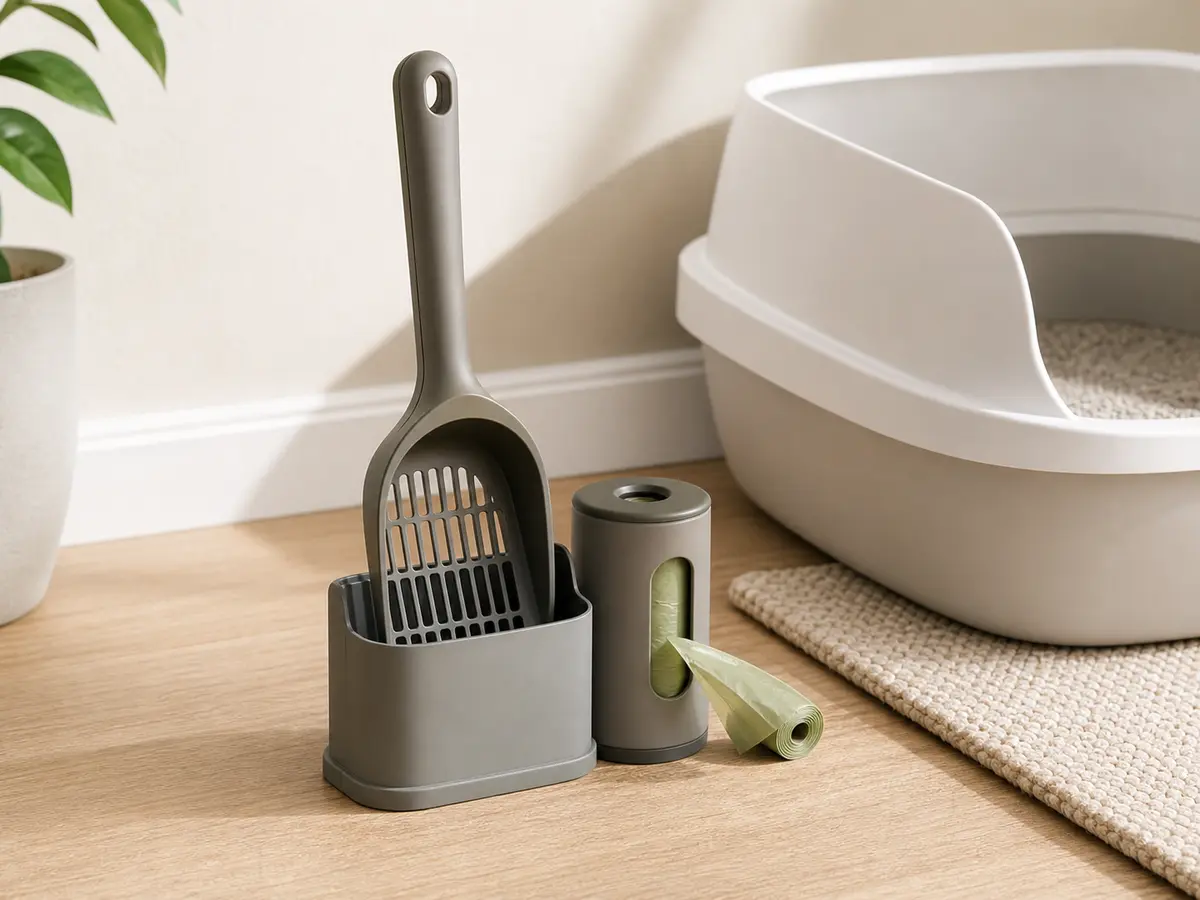
Make the better choice obvious. Scoop before the box feels stale, keep the litter mat and route comfortable, and give a nervous cat a calm place to retreat after using the box.
Know when it is not a training problem
Sudden misses, straining, blood, repeated trips, crying in the box, appetite changes, or a cat who seems painful should not be treated like a training problem. Call your veterinarian quickly when the pattern changes suddenly.
Before you decide
Can your cat step in, turn around, dig, cover, and leave without squeezing?
Is the box route quiet, open, and not guarded by another pet?
Is the box scooped before smell, clumps, or damp litter build up?
Did the litter change happen suddenly enough that pain or urinary trouble should be considered?
Next best moves
Add one clean, easy-to-enter box in a calmer location and watch normal use for a few days.
Change only one variable at a time: location, box style, litter depth, mat texture, or cleaning rhythm.
Call your veterinarian quickly for straining, blood, repeated trips, crying in the box, no urine, or sudden misses.
Helpful setup picks
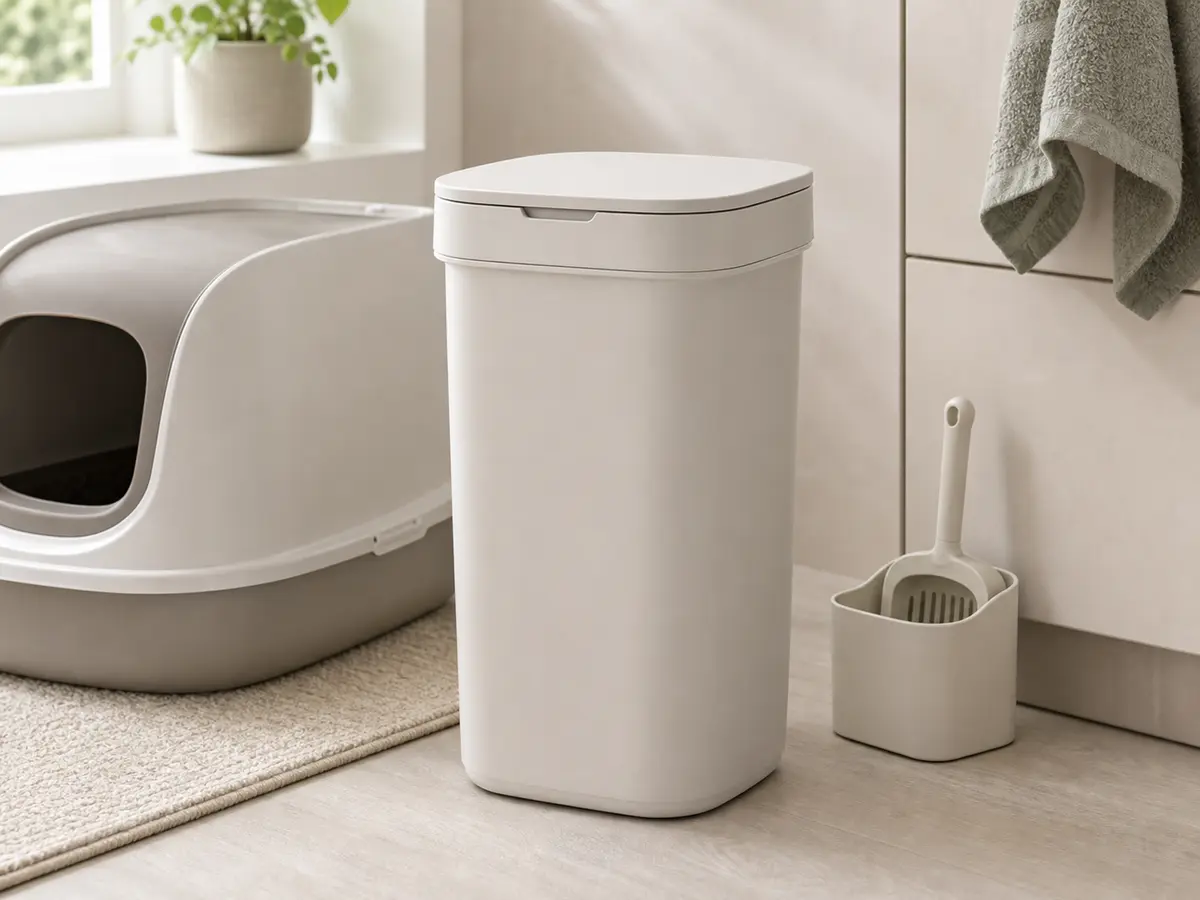
Good litter-box supplies should make the bathroom easier for your cat to use and easier for you to keep clean: accessible entry, enough room, steady scooping, and less tracked litter.
Affiliate links: Furball Cove may earn from qualifying purchases at no extra cost to you.
Common causes include pain, urinary trouble, box access, dirty litter, stress, location problems, or another pet blocking the route. Sudden changes deserve a vet call.
How many litter boxes should I have?
A common starting point is one box per cat, plus one extra when space allows. Placement and easy access matter as much as the number.
Should I scold a cat for missing the box?
No. Scolding usually adds stress and hides the real cause. Improve the setup, watch the pattern, and call your vet for sudden or painful changes.