Bad breath, drooling, pawing at the mouth, dropping food, red gums, or trouble eating can point to mouth pain and should be discussed with your veterinarian.
Cats often keep trying to eat even when their mouth hurts. That makes small clues at the bowl, breath, gums, and grooming routine worth taking seriously.
Watch meals for mouth pain clues
Dropped food, chewing on one side, backing away from the bowl, drooling, pawing at the mouth, or suddenly preferring softer food can all belong in a dental conversation.
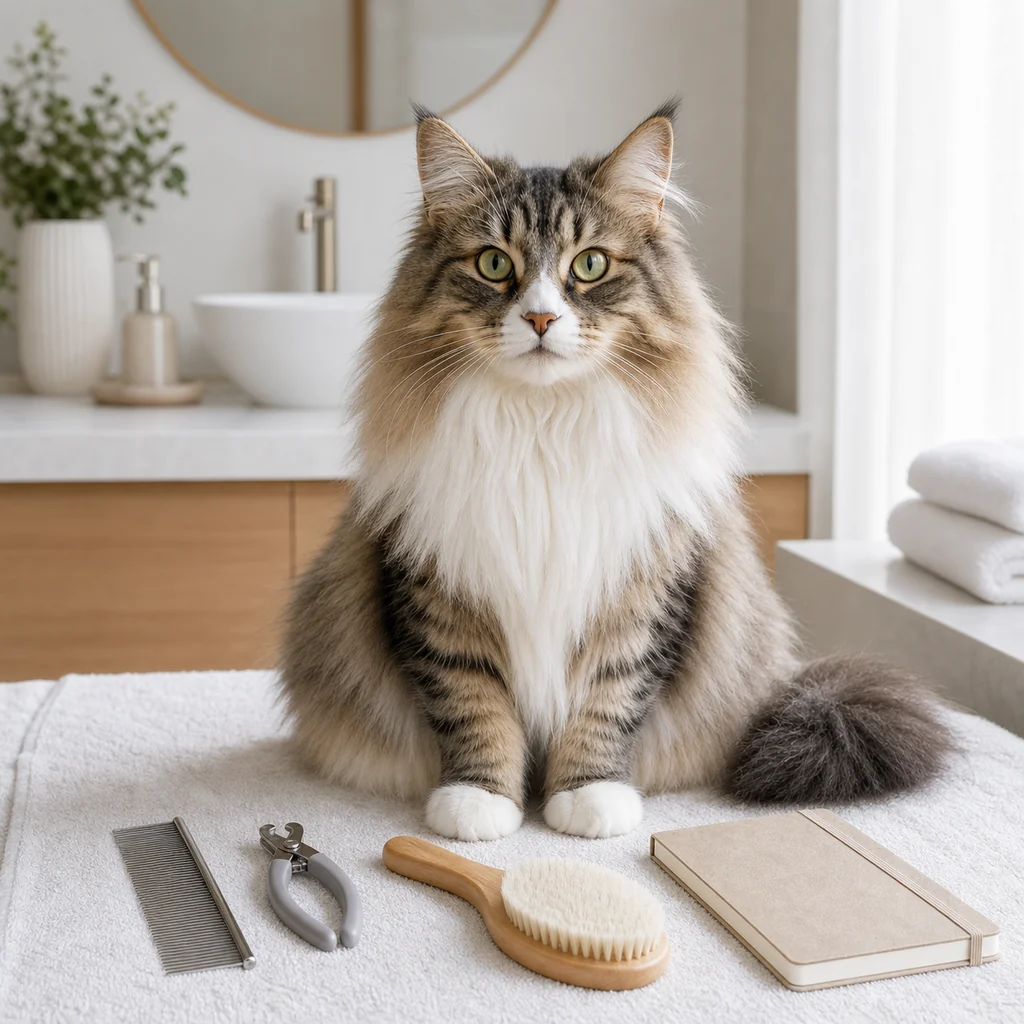
Good preventive care is easier when records are current. Keep vaccine dates, parasite prevention, microchip details, dental notes, weight, and medication history where you can find them.
Bad breath is not just a joke
Strong breath, red gums, bleeding, tartar, swelling, or a cat who resists normal face touch can signal discomfort. Do not pry hard at the mouth if your cat is painful or frightened.
Start with the date and the record. If you know what was done, when it was done, and what is due next, the page can turn into a clear calendar step.
Use home care only when it is safe
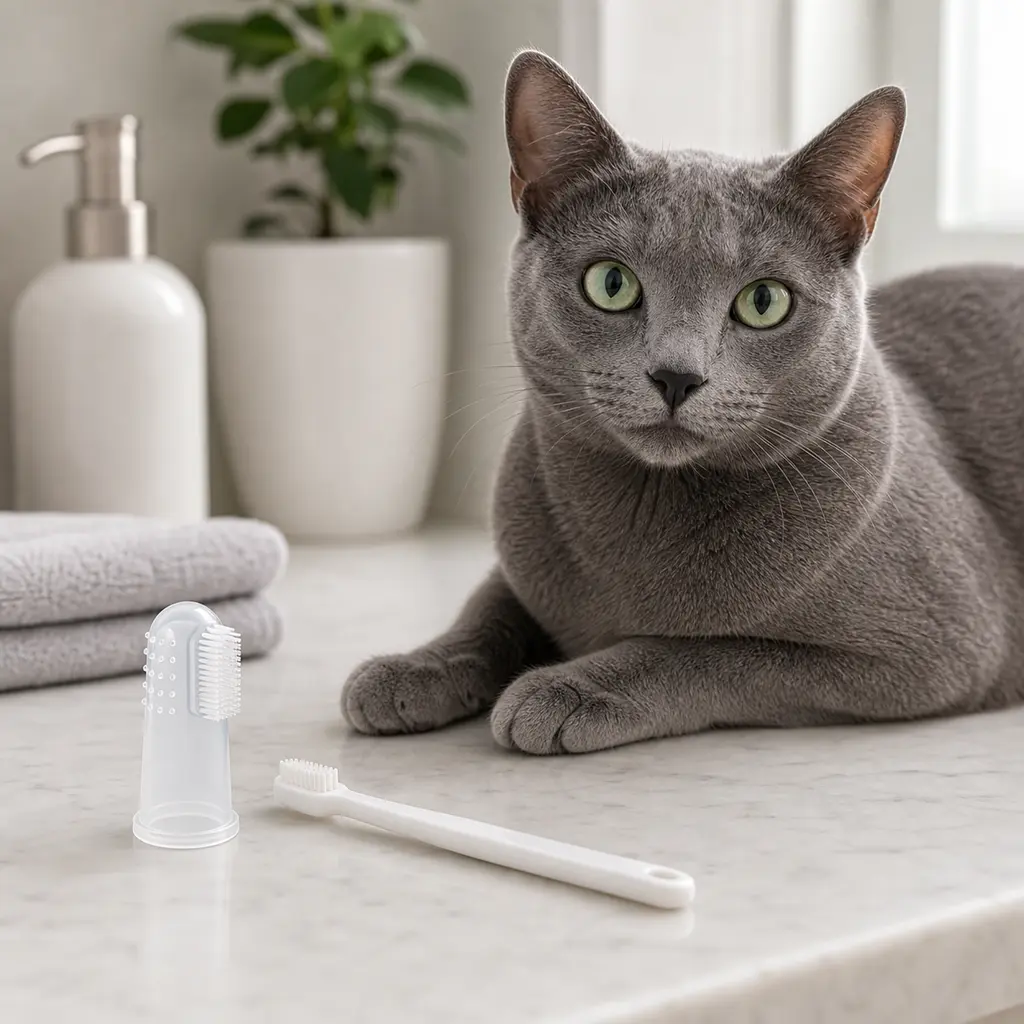
A toothbrush or dental routine is for prevention and maintenance, not for forcing a painful mouth. Ask your vet what is appropriate before starting if your cat already shows signs of pain.
Put the next appointment, refill, or record update on the calendar while the details are fresh. Preventive pages should turn into one concrete admin step, not a vague intention.
Call if eating becomes hard
Call your veterinarian promptly if your cat cannot eat comfortably, drools heavily, bleeds, has facial swelling, seems painful, or suddenly changes appetite. Mouth pain can be easy to underestimate.
Routine-care planning should move faster when a cat is overdue, on medication, losing weight, changing litter habits, or showing mouth pain, coughing, weakness, or persistent vomiting.
Bring the pattern, not just the breath
Tell the clinic when the breath changed, whether your cat drops food, what texture they avoid, and whether weight, grooming, or behavior changed too.
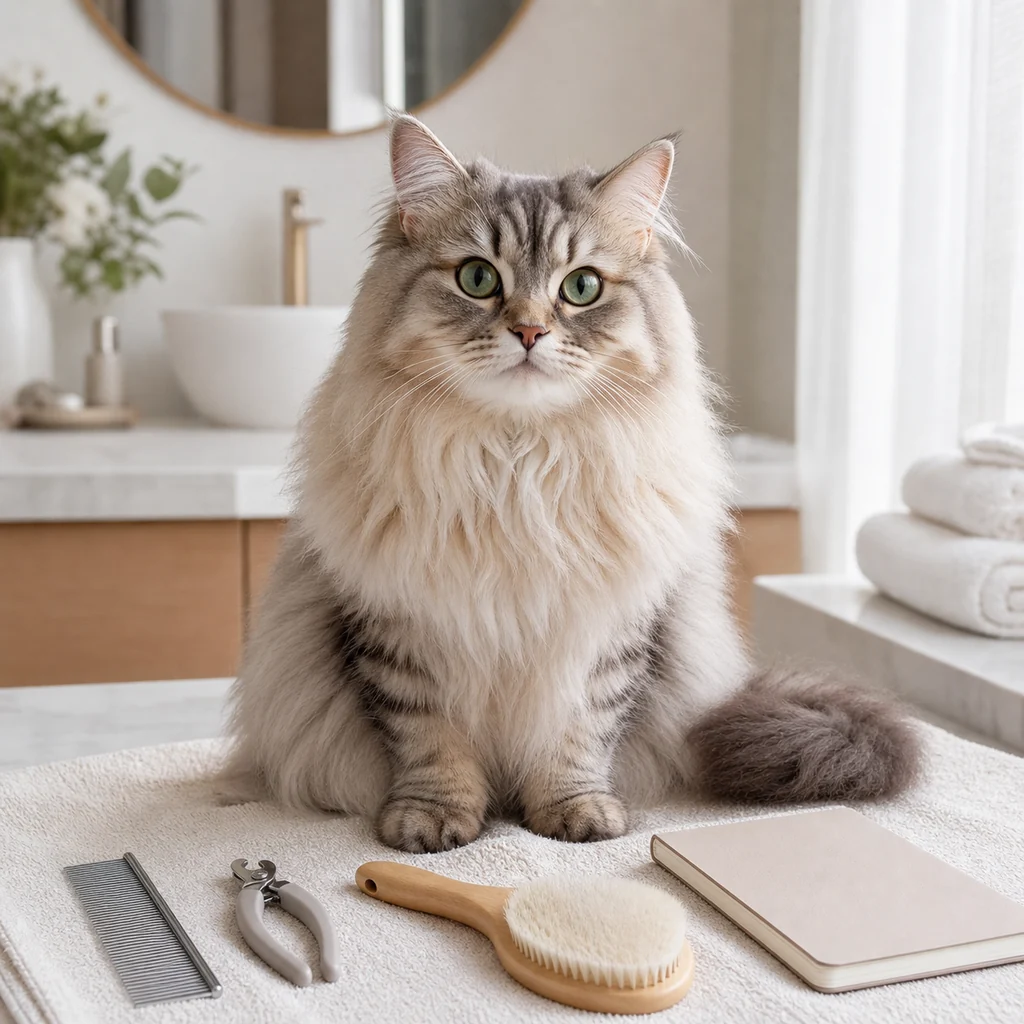
Good preventive care is easier when records are current. Keep vaccine dates, parasite prevention, microchip details, dental notes, weight, and medication history where you can find them.
Before you decide
Any drooling, dropped food, pawing, bleeding, swelling, or red gums?
Is your cat avoiding hard food or eating less?
Does face touch suddenly bother them?
Has weight or grooming changed?
Next best moves
Do not force a painful mouth open.
Ask your vet about dental exam timing and safe home care.
Use brushing only when your cat is comfortable and your vet says it fits.
Quick cat question
How do I know if my cat has dental problems?
Bad breath, drooling, pawing at the mouth, dropping food, red gums, or trouble eating can point to mouth pain and should be discussed with your veterinarian.
When should I get help?
Call your veterinarian if the change is sudden, painful, repeated, worsening, or paired with appetite, litter, breathing, movement, or behavior changes.