A good cat vet budget keeps routine care boring and emergency care possible.
New cat owners often budget for food, litter, and toys first. The quieter budget is the one that matters when the carrier comes out: exams, preventives, dental conversations, lab work, and a backup plan for a sudden urgent visit.
Plan the first visit before the carrier comes out
Book the first exam with adoption records, medication history, food details, litter habits, and any behavior or appetite changes you have noticed. A short list keeps the appointment from turning into guesswork.
Routine care is more than one appointment
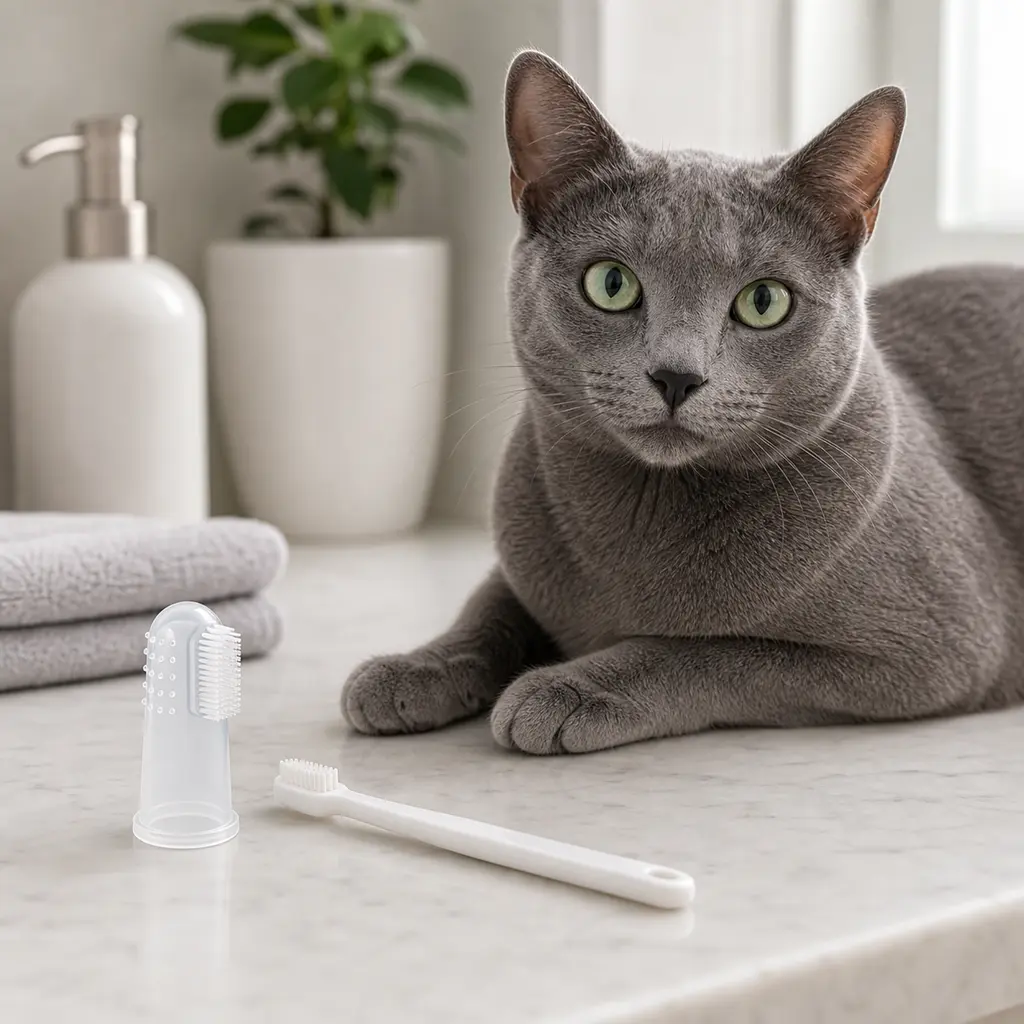
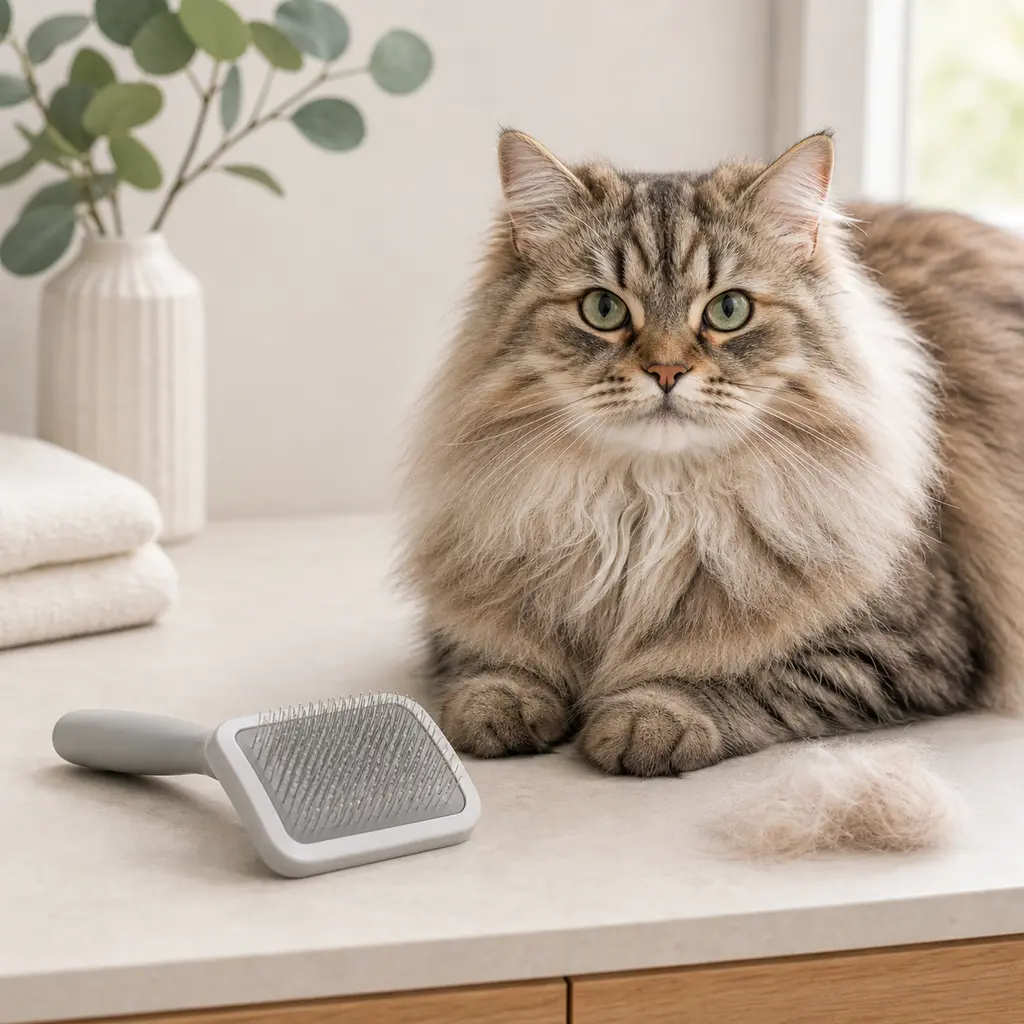
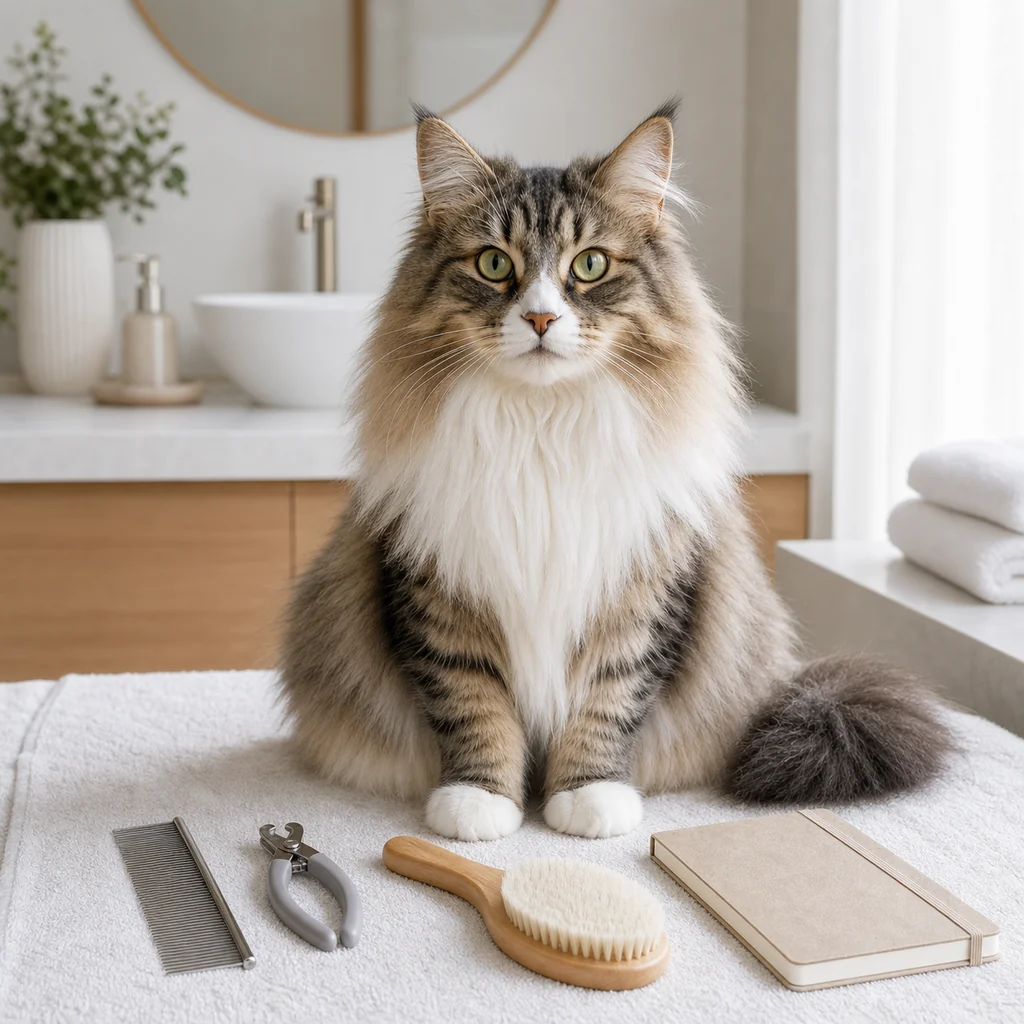
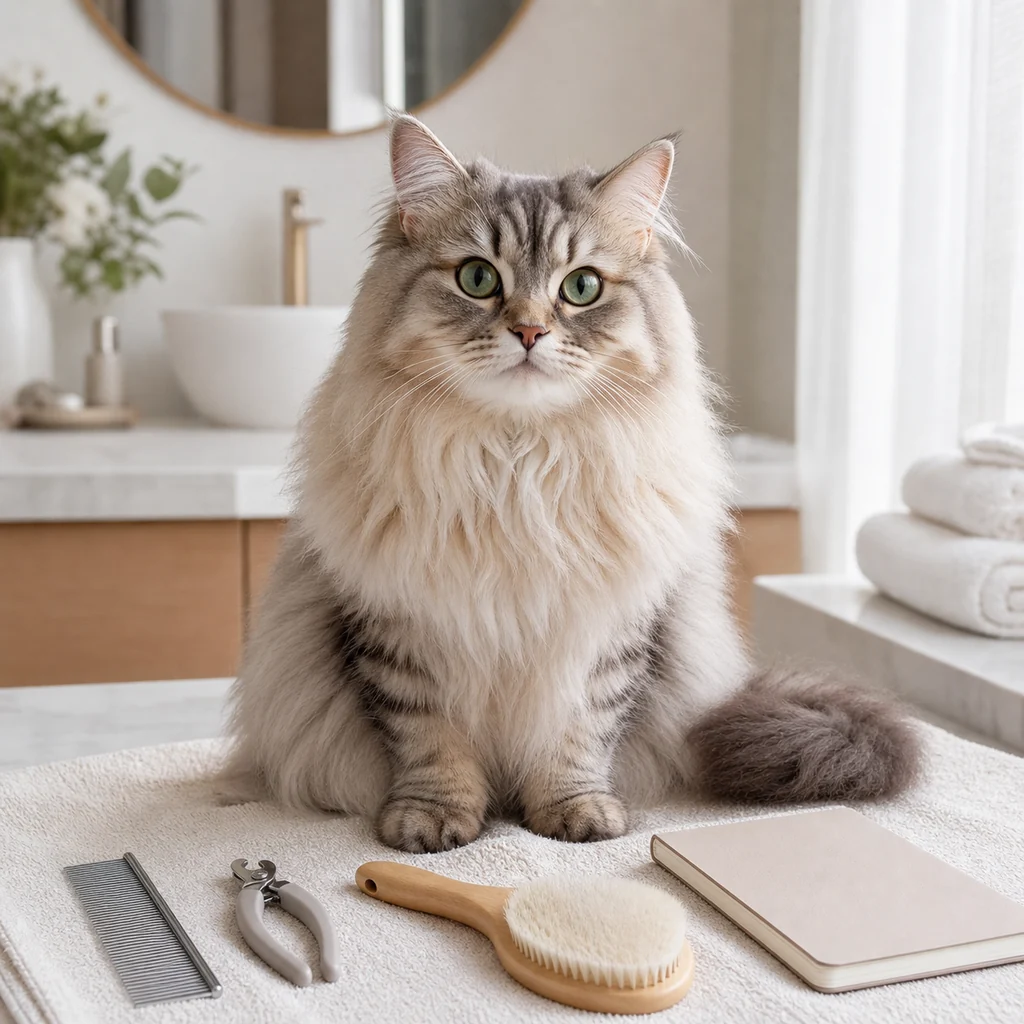
A useful routine budget includes exams, parasite prevention, weight checks, dental questions, nail or grooming help when needed, and the small changes you want a professional to see early.
Budget for the hidden cat costs
Cats are good at hiding discomfort. Dental pain, urinary signs, weight loss under a fluffy coat, senior stiffness, and appetite changes may lead to diagnostics or follow-up care, not just a quick look.
Make emergencies easier to act on
Keep the nearest emergency clinic, your regular vet, poison-control information, and transport plan in one place. If your cat cannot urinate, struggles to breathe, collapses, may have eaten something toxic, or seems severely painful, do not wait.
Keep carrier practice in the budget
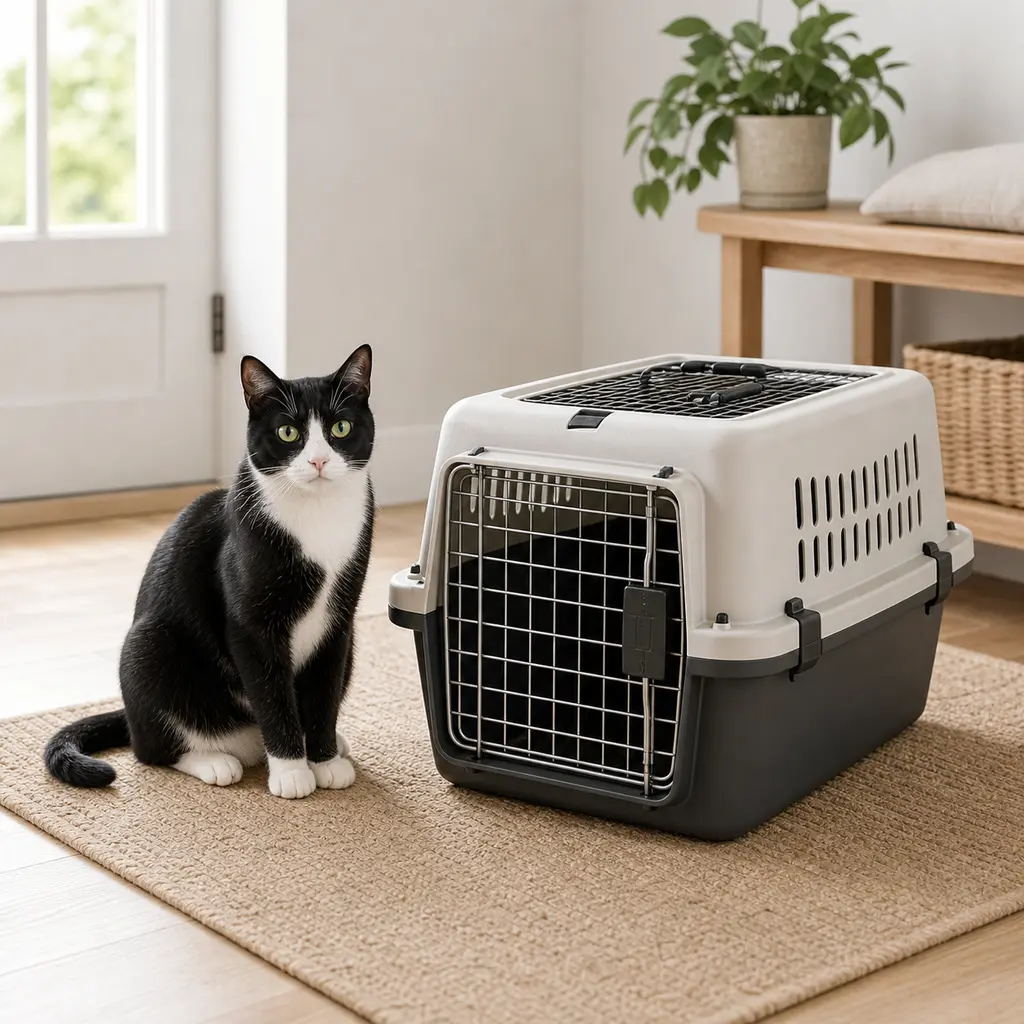
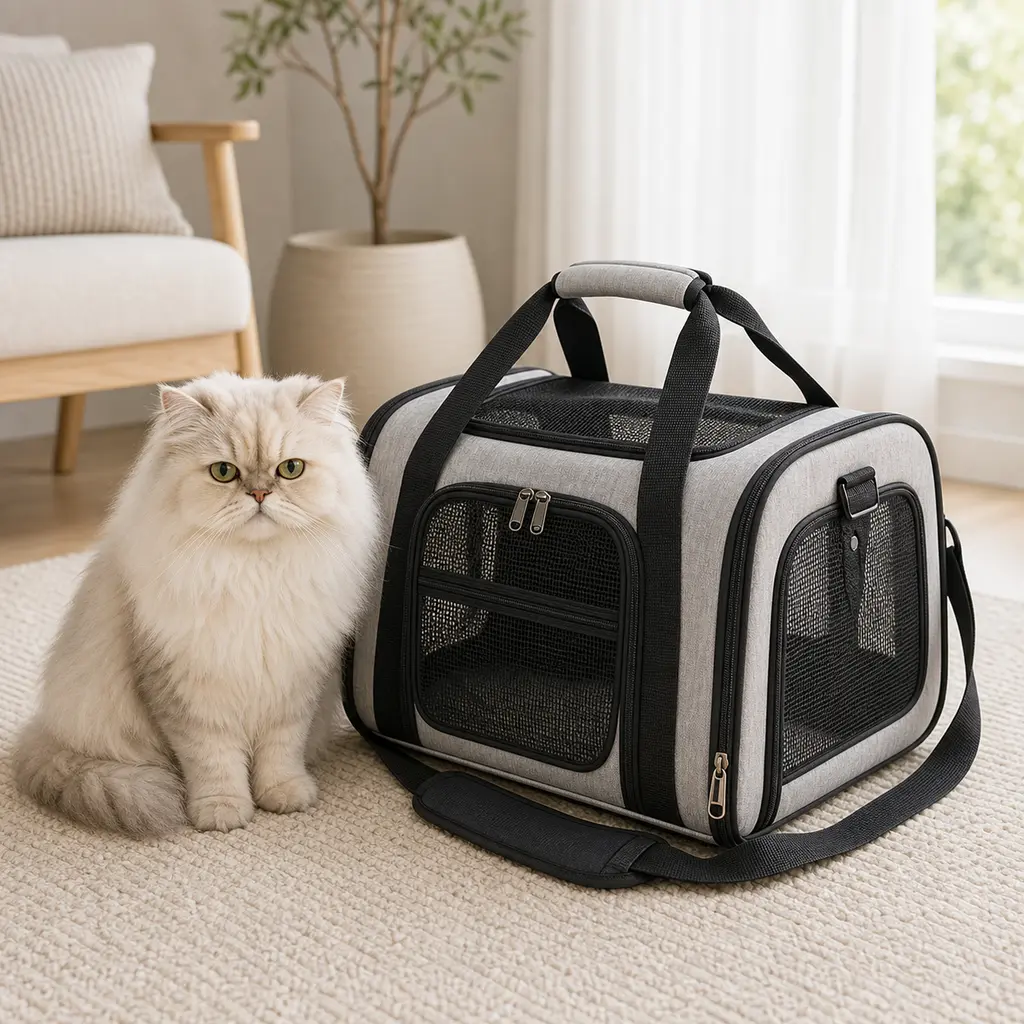
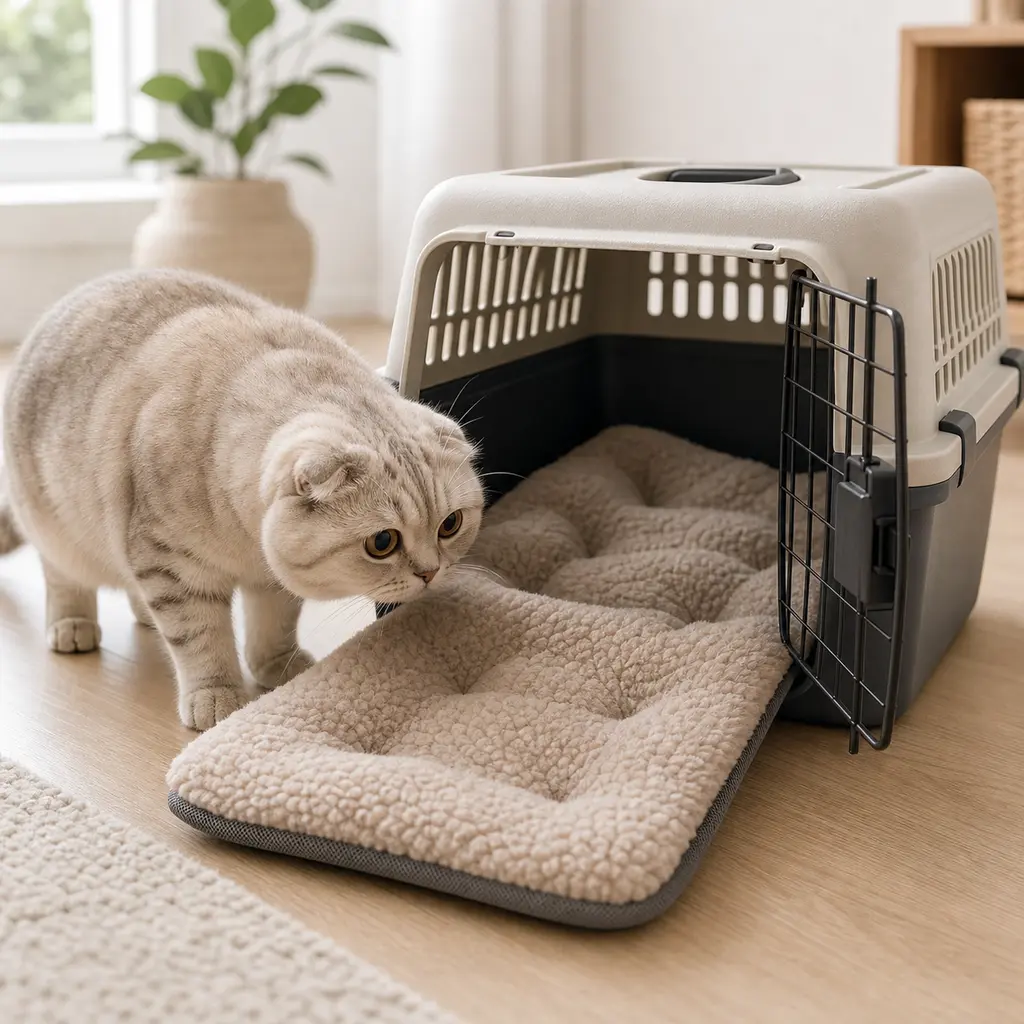
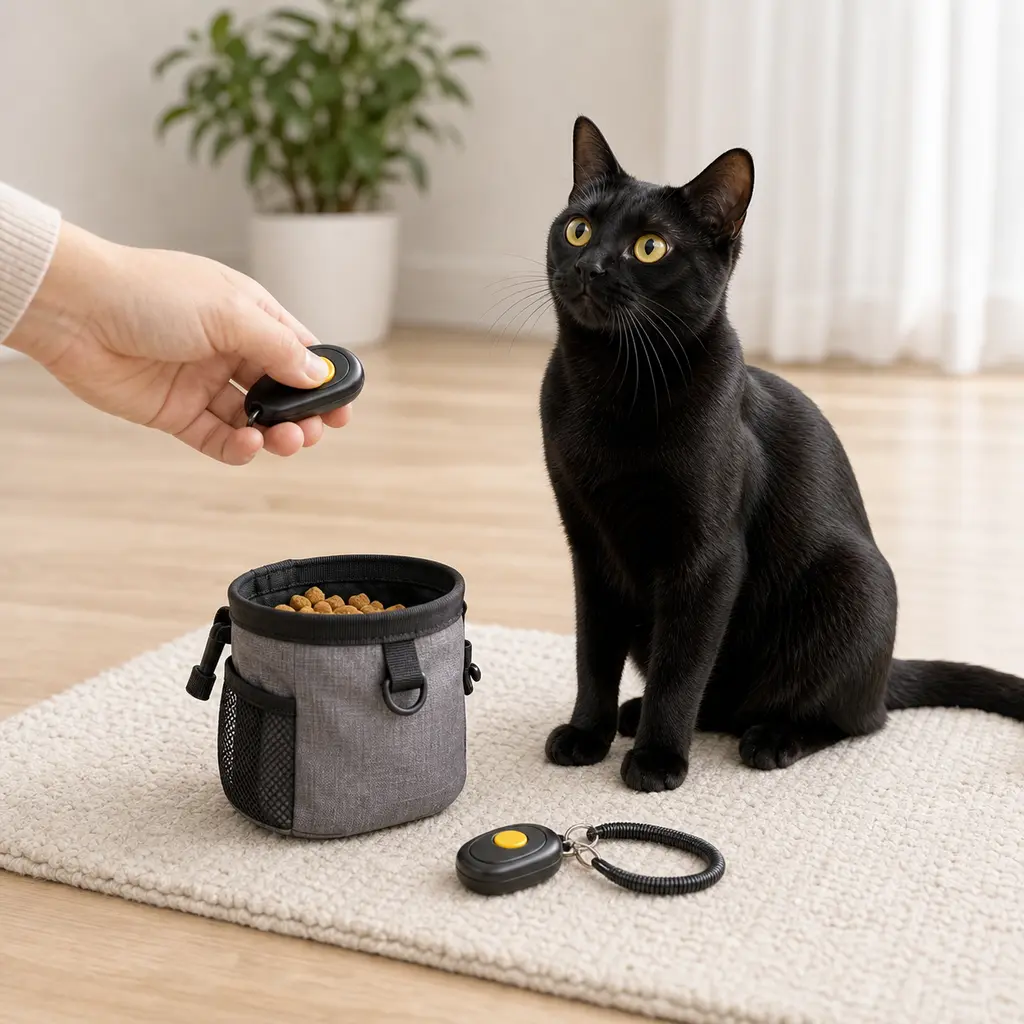
A calm carrier routine can save time and stress when a visit is needed. Leave the carrier out sometimes, add a familiar mat, and reward small steps so it does not only appear on scary days.
Ask for a realistic one-year plan
Your clinic can help you separate must-do care from nice-to-do extras. Ask what is due now, what can wait, what symptoms would change the plan, and what common urgent costs look like where you live.
Before you decide
Do you know what routine care is due this year?
Is there an emergency clinic and transport plan saved somewhere obvious?
Have you asked about dental care, parasite prevention, and senior screening if relevant?
Could you cover an urgent visit before insurance reimbursement or savings catches up?
Next best moves
Call your clinic for a first-year or annual estimate.
Save the regular vet, emergency vet, and poison-control numbers.
Practice one calm carrier step this week instead of waiting for the appointment day.
Helpful vet-day setup picks
The best vet-budget tools are plain and useful: a safe carrier, a familiar mat, simple dental supplies, and daily care pieces that make changes easier to spot.
Affiliate links: Furball Cove may earn from qualifying purchases at no extra cost to you.
Ask your local clinic for a realistic annual estimate because costs vary by region, age, health, and lifestyle. Plan separately for routine care and emergencies.
What should new cat owners do first?
Book an exam, bring records, ask what is due this year, and save an emergency plan. The goal is to make routine care predictable before something feels urgent.