Cat diarrhea needs a closer look when it repeats, includes blood, comes with vomiting, weakness, dehydration concern, appetite loss, or involves a kitten or senior cat.
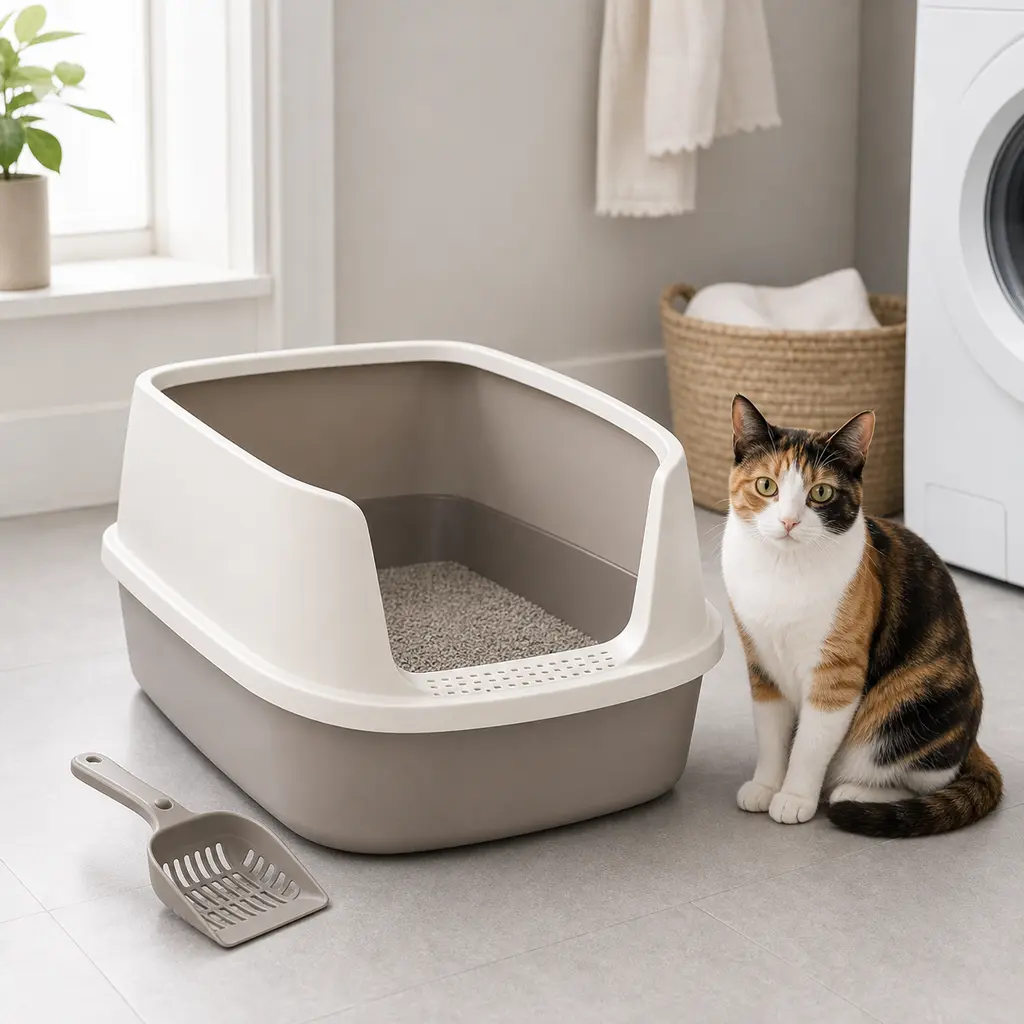
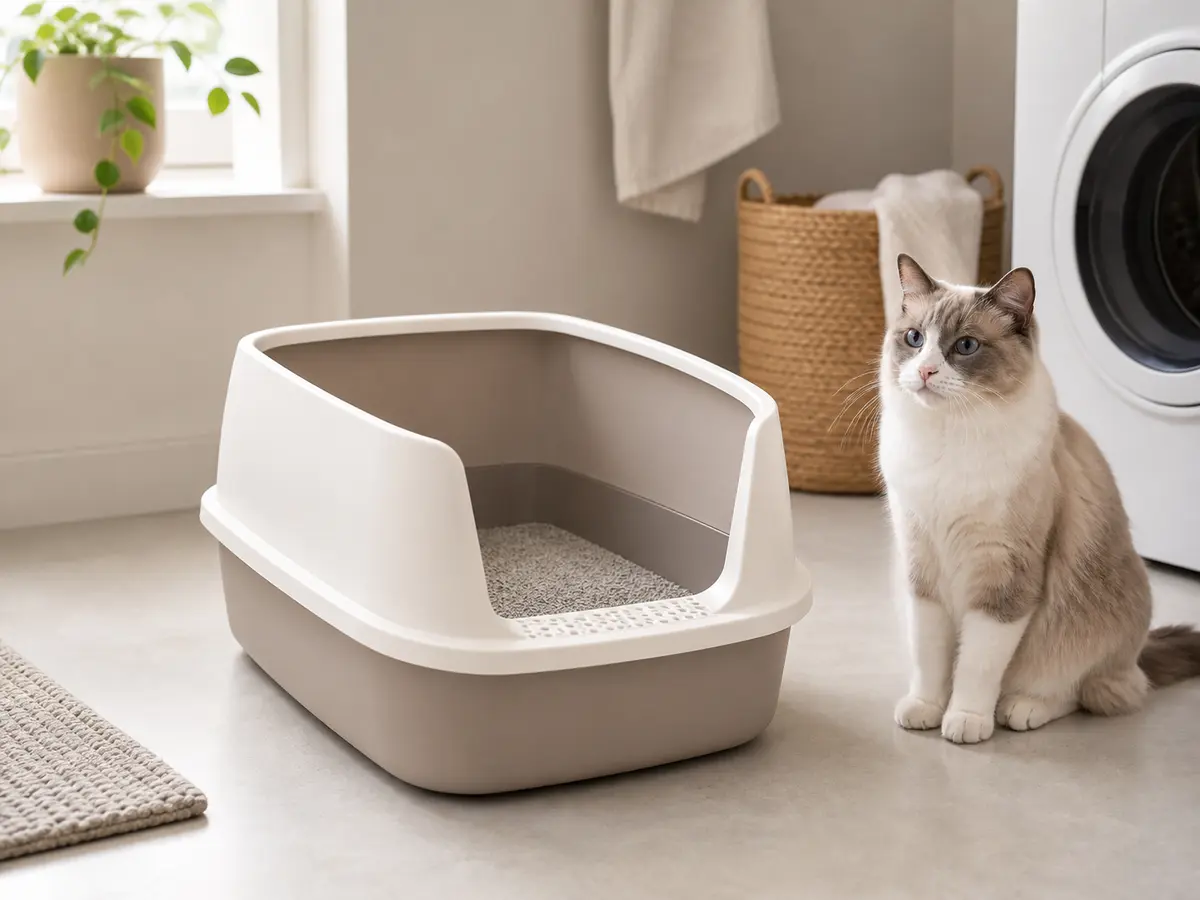
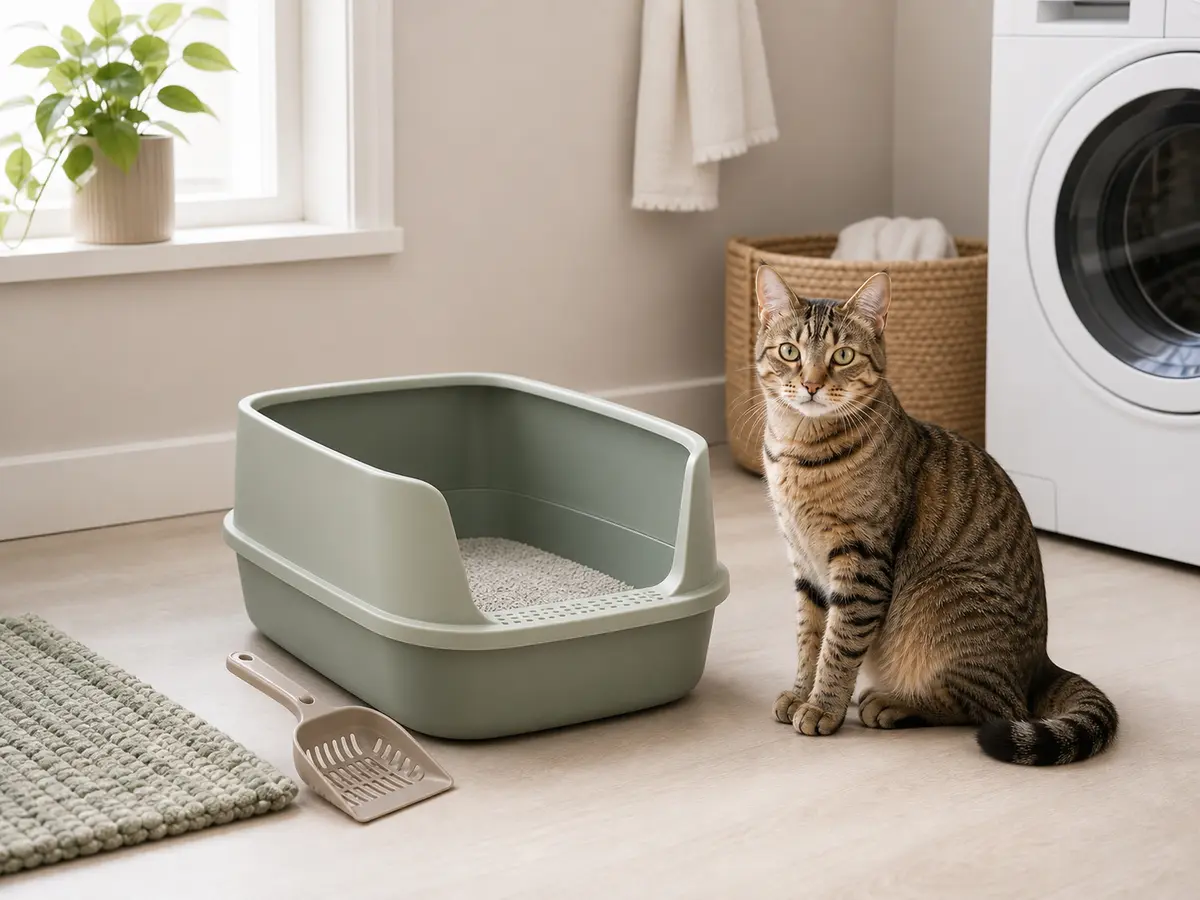
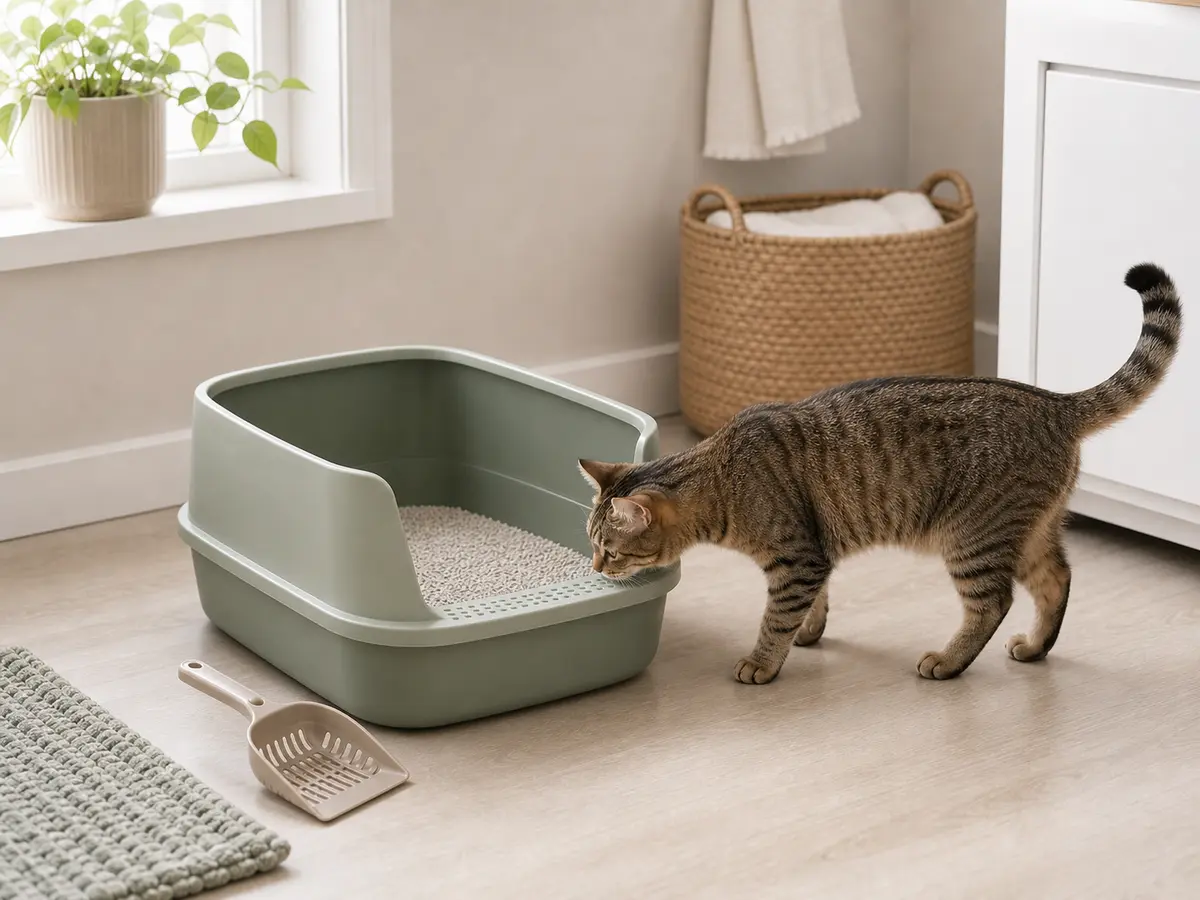
The litter box is the evidence. Stool texture, frequency, blood or mucus, appetite, water interest, energy, and recent food or stress changes all help you decide what to do next.
Look at the whole litter-box pattern
Notice texture, frequency, smell change, urgency, accidents, blood, mucus, and whether your cat strains or cries in the box. Those details matter more than one vague word like upset.
Treat symptom pages as triage support, not a diagnosis. Appetite, water, urine, stool, breathing, mobility, gums, pain signs, and energy matter more than one isolated symptom word.
Connect food and stress changes
New food, treats, table scraps, a sudden transition, visitors, boarding, a new pet, or a scavenged bite can all change stool. Still, do not let a possible trigger hide a cat who is getting worse.
Start by deciding whether this can wait. Breathing trouble, urine changes, appetite loss, severe pain, collapse, toxin exposure, or sudden decline means the next step is a vet call.
Watch hydration and energy
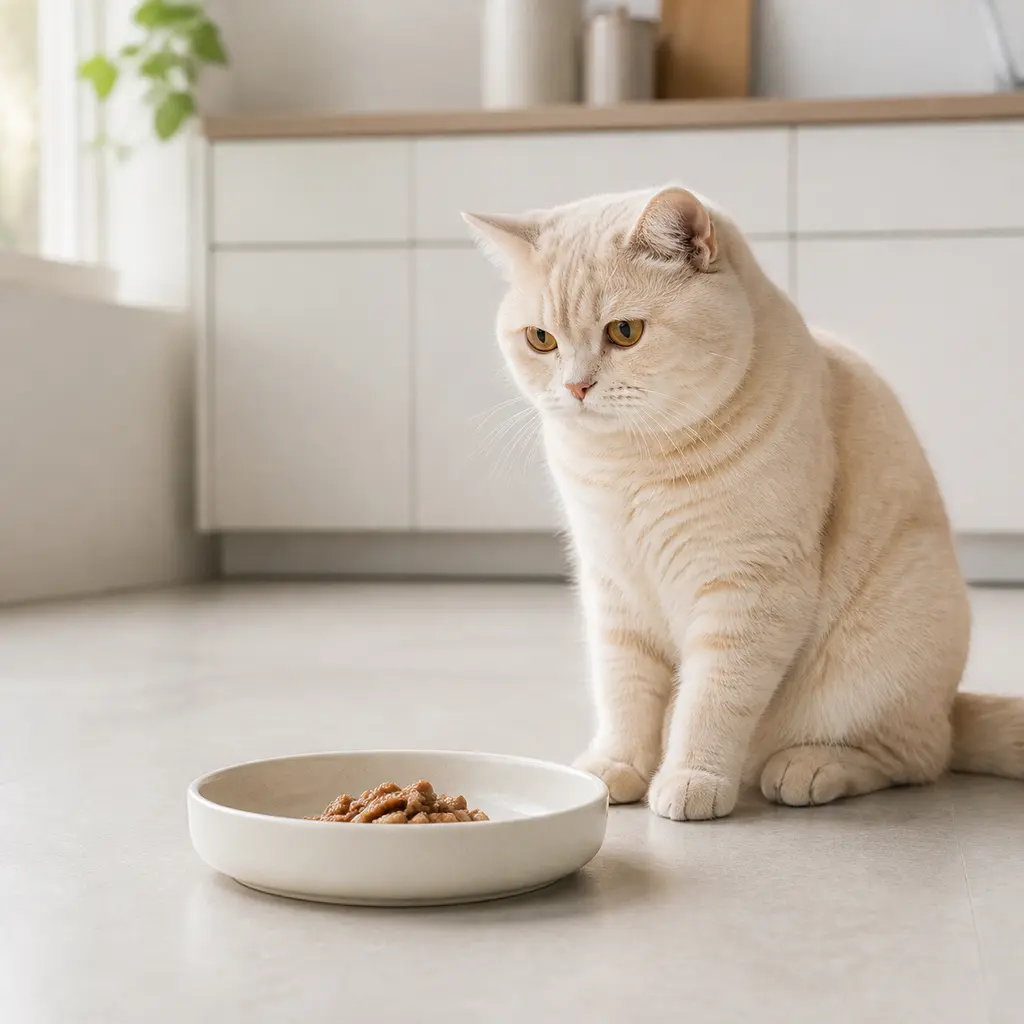
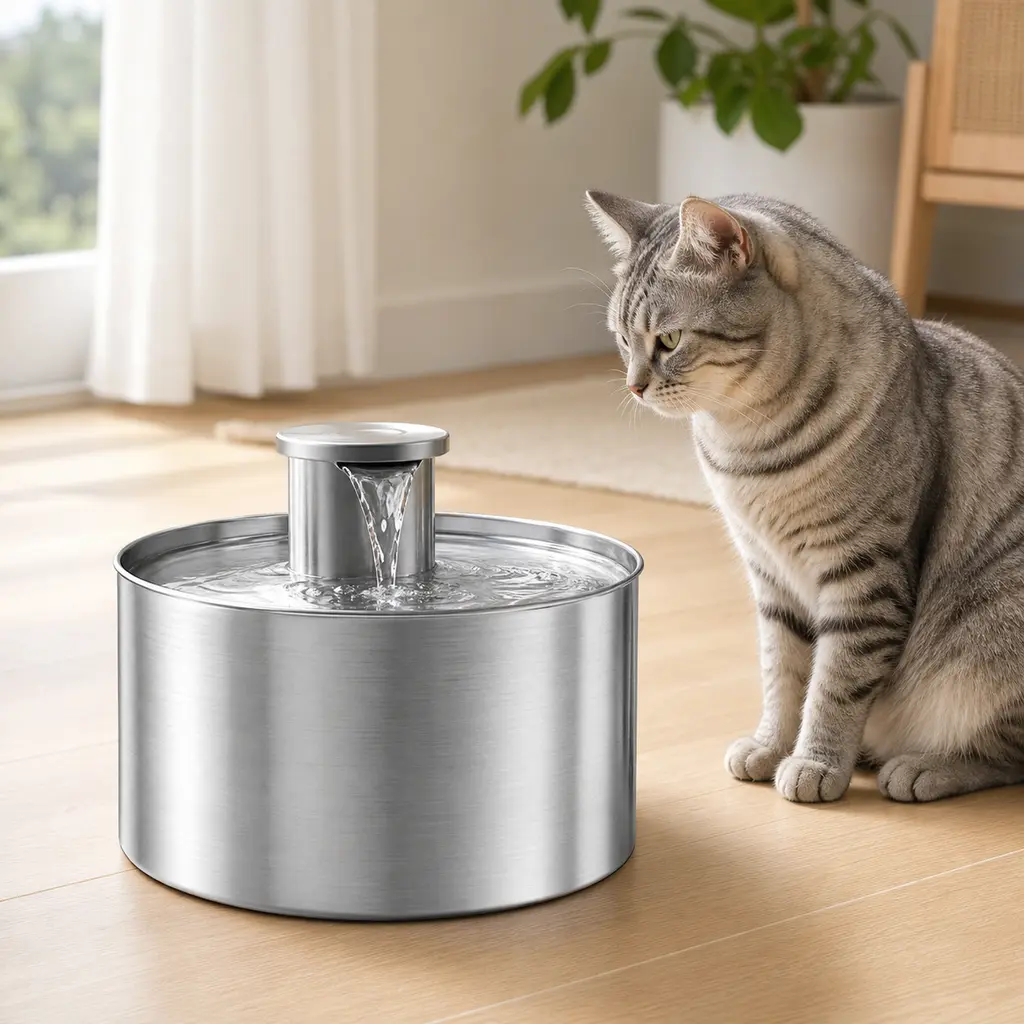
Diarrhea is more concerning when your cat is weak, not eating, vomiting, hiding, drinking oddly, or has tacky gums. Kittens, seniors, and cats with health issues have less room for wait-and-see guessing.
Write down timing, frequency, appetite, litter use, breathing, movement, and any trigger you saw. A short video is often more useful to your veterinarian than a long description.
Call for blood, weakness, or repetition
Call your veterinarian for blood, repeated diarrhea, vomiting, weakness, dehydration concerns, pain, toxin risk, or diarrhea that does not improve. Bring a fresh stool sample if your clinic asks.
Do not monitor at home when breathing is hard, gums look pale or blue, the cat cannot stand, pain is obvious, appetite stops, urination changes, or symptoms escalate.
Do not pile on fixes
Avoid random supplements, human medicine, or several diet changes at once. If your vet says home monitoring is reasonable, keep the routine simple enough to know what helped.
Write down timing, frequency, appetite, litter use, breathing, movement, and any trigger you saw. A short video is often more useful to your veterinarian than a long description.
Before you decide
Is there blood or mucus?
Is your cat eating, drinking, and acting normal?
Any vomiting, weakness, pain, or dehydration concern?
Did food, treats, stress, or environment change recently?
Next best moves
Scoop and note the pattern.
Keep food changes simple.
Call your vet for blood, repeated diarrhea, weakness, vomiting, or a kitten/senior with symptoms.
Quick cat question
Why does my cat have diarrhea?
Cat diarrhea needs a closer look when it repeats, includes blood, comes with vomiting, weakness, dehydration concern, appetite loss, or involves a kitten or senior cat.
When should I get help?
Call your veterinarian if the change is sudden, painful, repeated, worsening, or paired with appetite, litter, breathing, movement, or behavior changes.