Updated

Cat health

My cat drools when purring: normal or vet issue?

A tiny bit of drool while purring can be normal for some deeply relaxed cats. New, heavy, smelly, bloody, or one-sided drooling is a vet issue, especially with mouth pain or appetite changes.

The question is not just whether your cat drools. Notice whether the drool only happens during happy purring, or whether the bowl, breath, gums, swallowing, and comfort have changed too.

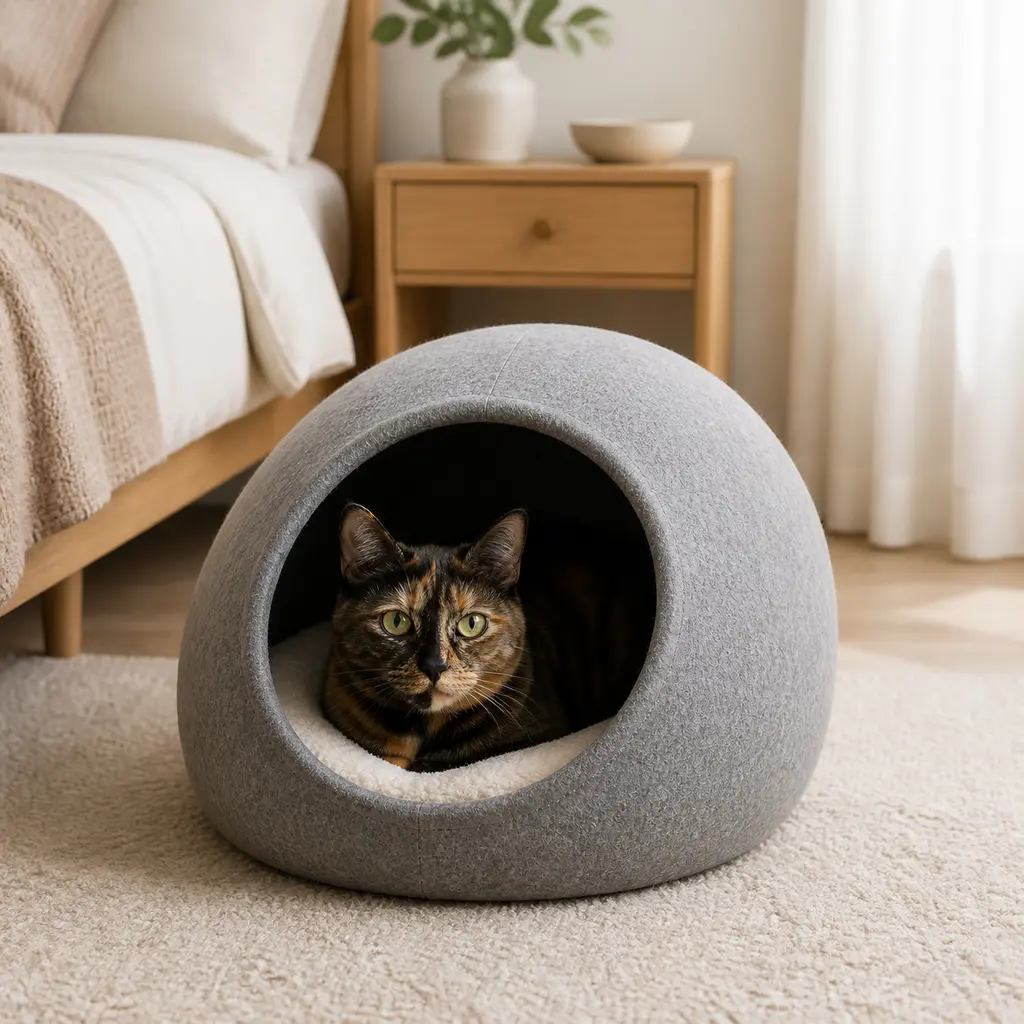
Cozy cave bed for a cat

Separate happy drool from changed drool

Some cats leave a little wet spot when they knead, purr, and melt into a favorite blanket. That is different from drooling that starts suddenly, soaks the chin, smells bad, looks bloody, or happens away from relaxed purring.

Treat symptom pages as triage support, not a diagnosis. Appetite, water, urine, stool, breathing, mobility, gums, pain signs, and energy matter more than one isolated symptom word.
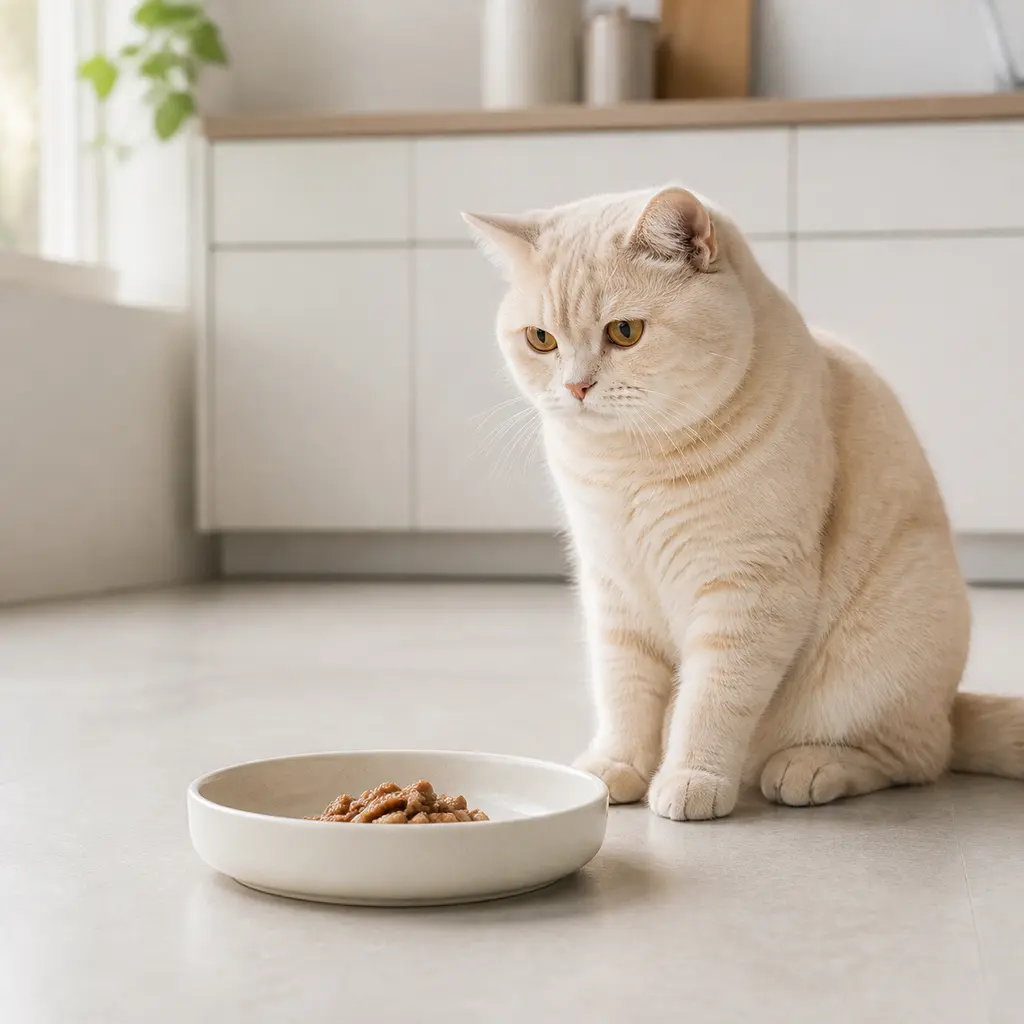
Wide shallow food bowl for a cat

Watch one normal meal

At the bowl, look for dropped food, chewing on one side, pawing at the mouth, backing away, or preferring soft food. Those meal clues matter more than the drool by itself.

Start by deciding whether this can wait. Breathing trouble, urine changes, appetite loss, severe pain, collapse, toxin exposure, or sudden decline means the next step is a vet call.

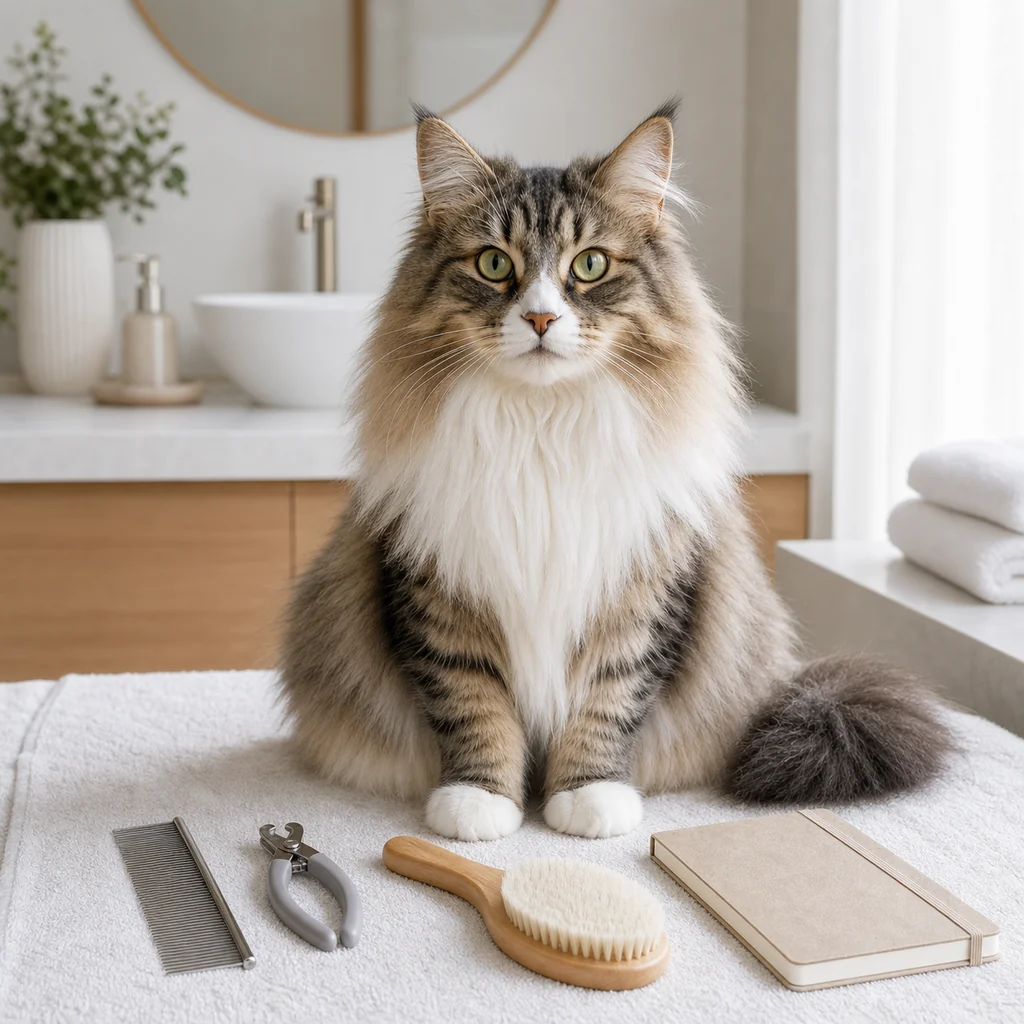
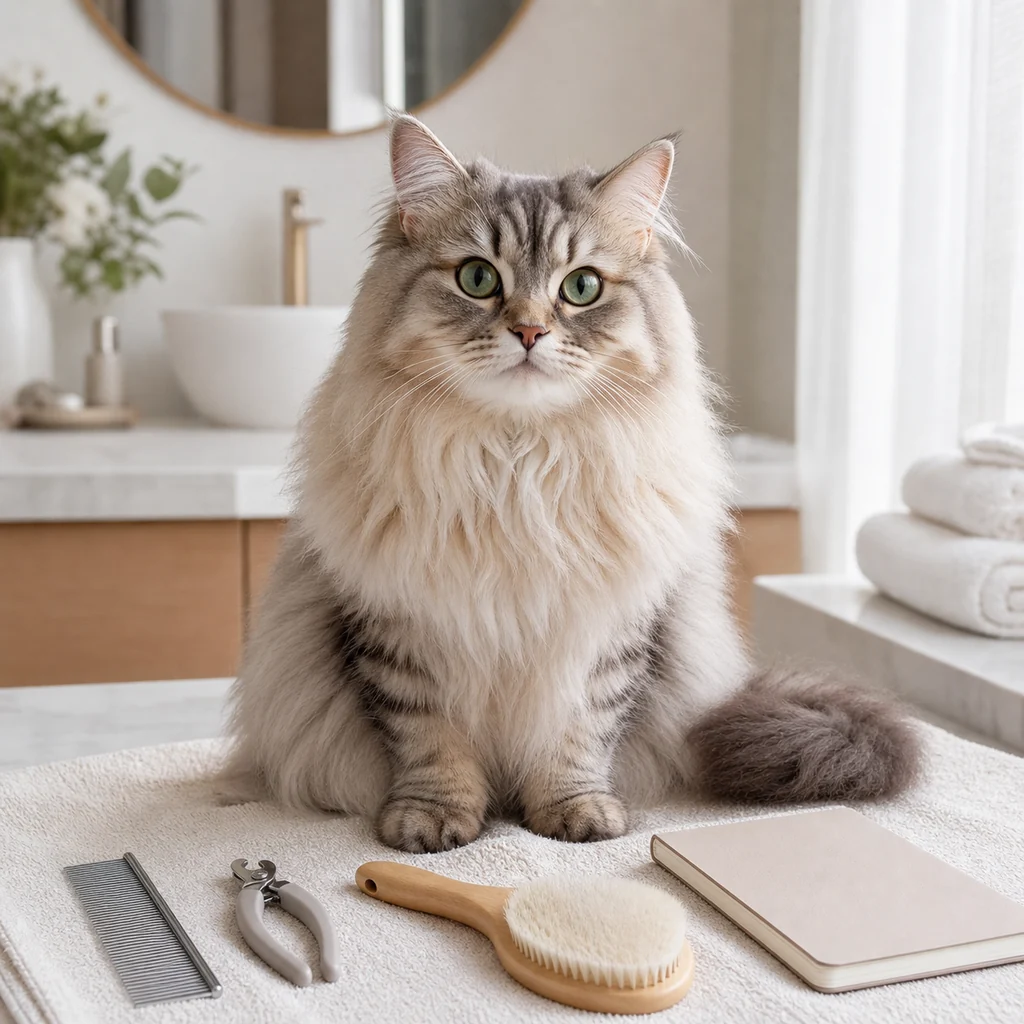
Cat beside grooming and health care tools

Check only what your cat allows

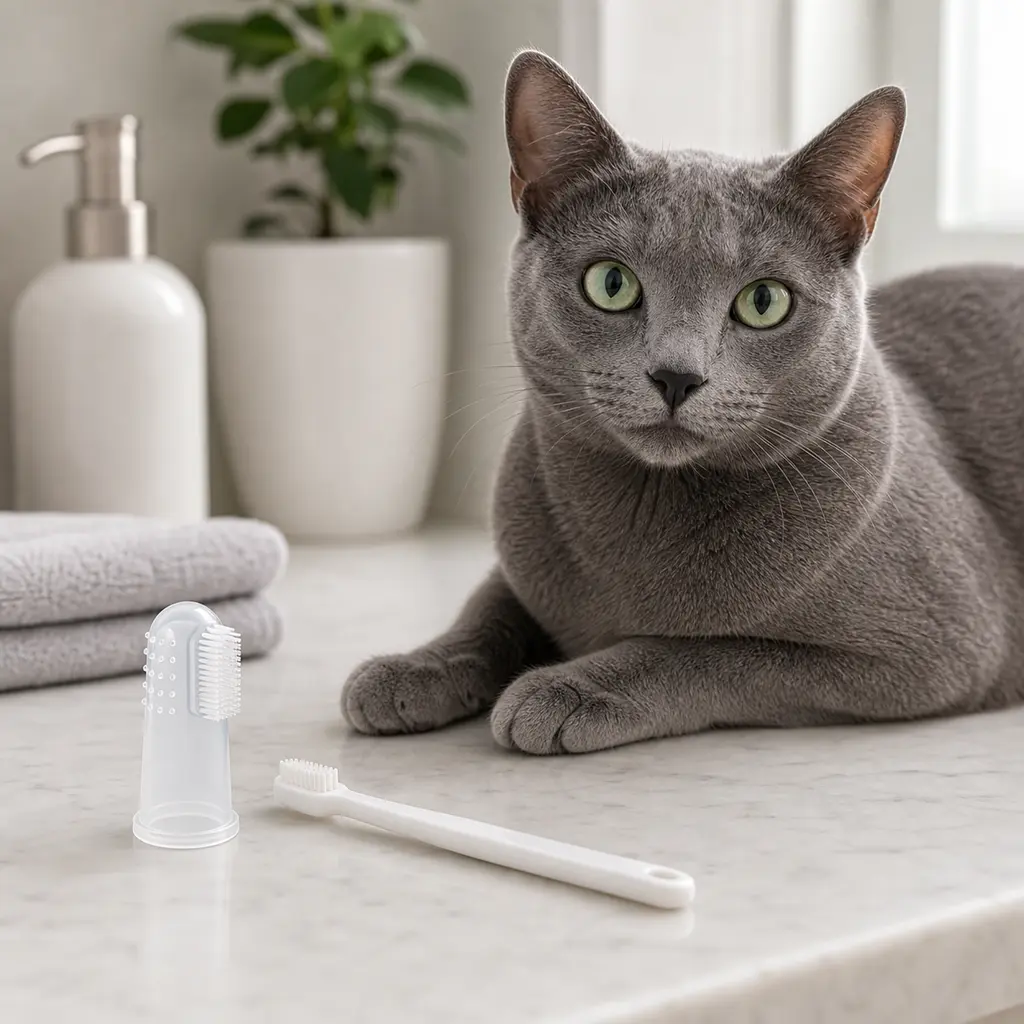
If your cat is calm, glance at the lips, chin, and gums for redness, swelling, bleeding, odor, or stuck food. Do not pry open a painful mouth; that is a job for your veterinarian.

Write down timing, frequency, appetite, litter use, breathing, movement, and any trigger you saw. A short video is often more useful to your veterinarian than a long description.

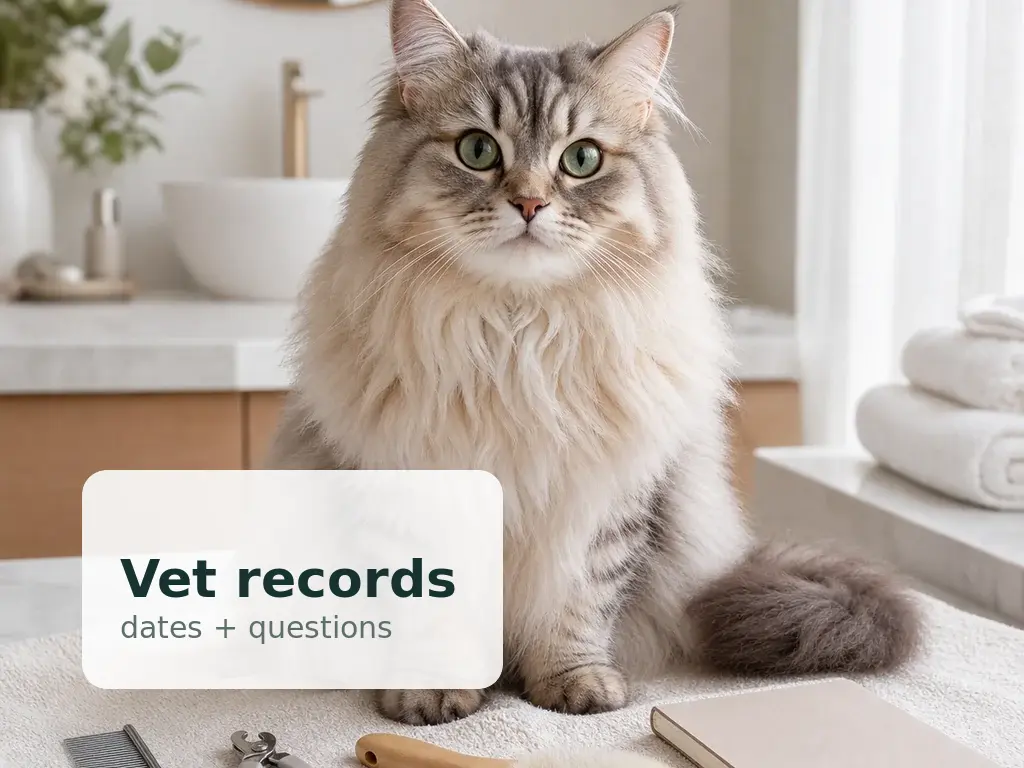
Cat vet records and appointment questions

Write down the purring pattern

Tell your vet whether drooling happens only during purring, after meals, during car rides, around medicine, or with nausea signs. Timing makes the appointment more useful.

Do not monitor at home when breathing is hard, gums look pale or blue, the cat cannot stand, pain is obvious, appetite stops, urination changes, or symptoms escalate.

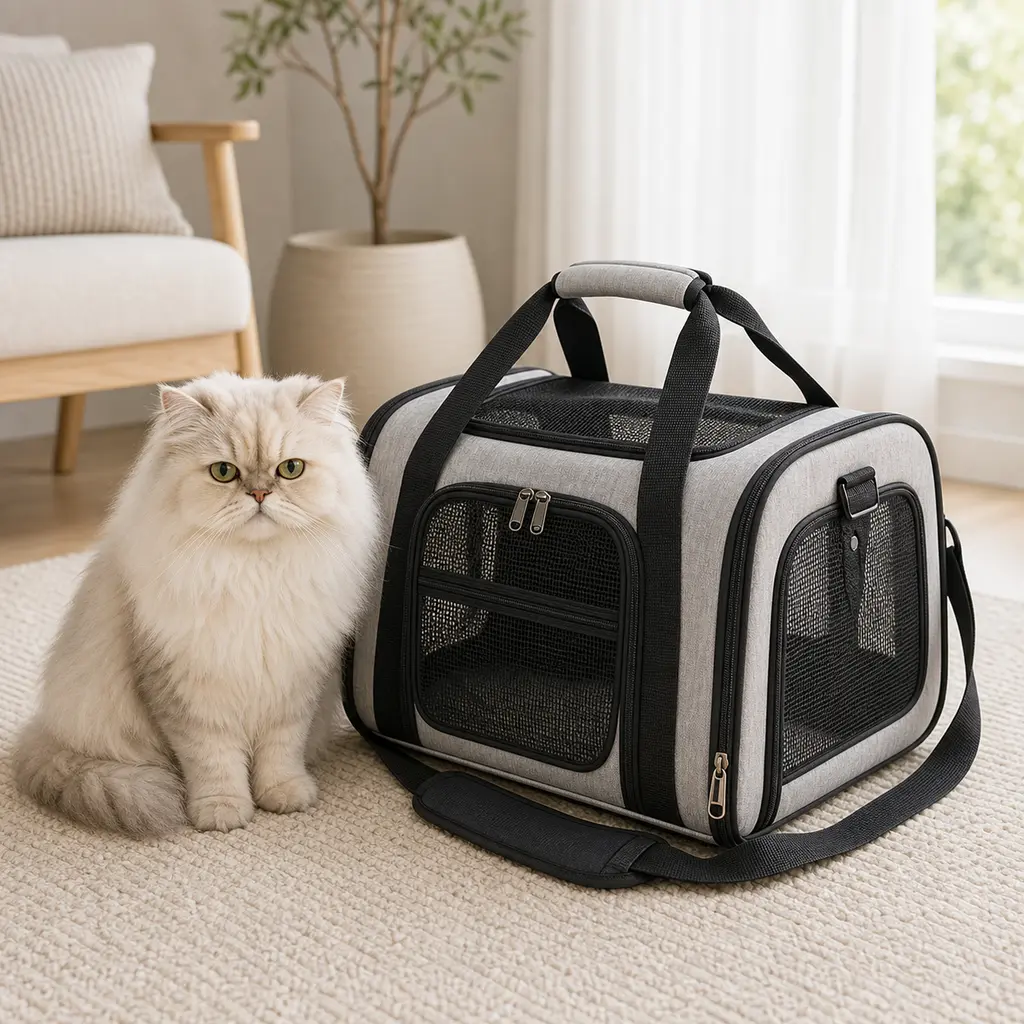
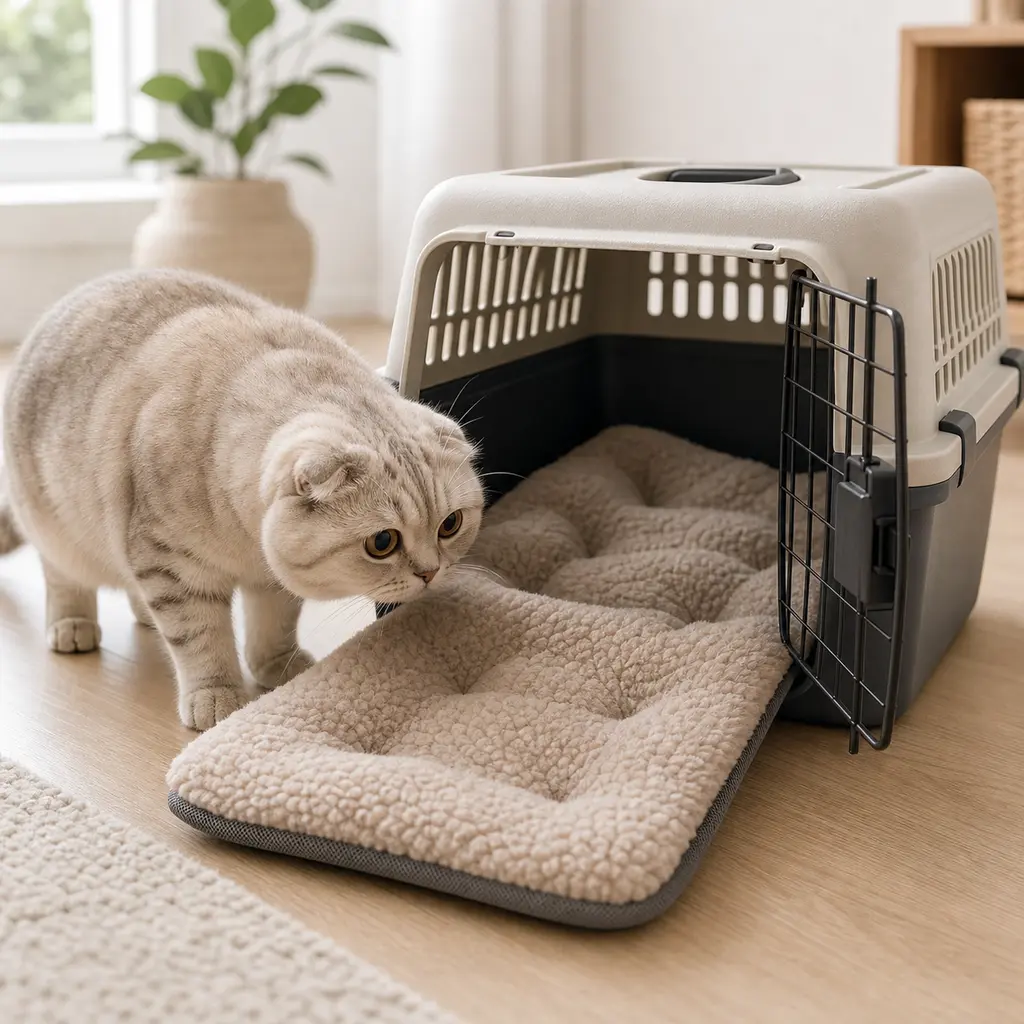
Soft-sided cat carrier for travel practice

Call sooner when comfort changes

Call your veterinarian if drooling is heavy, new, bloody, foul-smelling, paired with swelling, or comes with appetite loss, trouble swallowing, breathing trouble, pain, or a cat who seems unwell.

Treat symptom pages as triage support, not a diagnosis. Appetite, water, urine, stool, breathing, mobility, gums, pain signs, and energy matter more than one isolated symptom word.
Before you decide

  • Does drooling happen only while purring, kneading, or resting happily?
  • Any bad breath, dropped food, pawing, bleeding, swelling, red gums, or appetite change?
  • Is the drool new, heavy, one-sided, bloody, or foul-smelling?
  • What would you want your veterinarian to know about timing and meals?

Next best moves

  • Watch one meal and one relaxed purring session.
  • Take notes on drool amount, breath, chewing, appetite, and face touch.
  • Call your veterinarian if the drooling is new, heavy, painful-looking, or paired with other changes.

Quick cat question

Is drooling while purring normal?

It can be normal for some relaxed cats when it is light, familiar, and only happens during happy purring.

When is purring drool a vet issue?

New, heavy, bloody, foul-smelling, or painful-looking drooling belongs in a veterinarian call, especially if eating, swallowing, breath, or energy changes too.

References