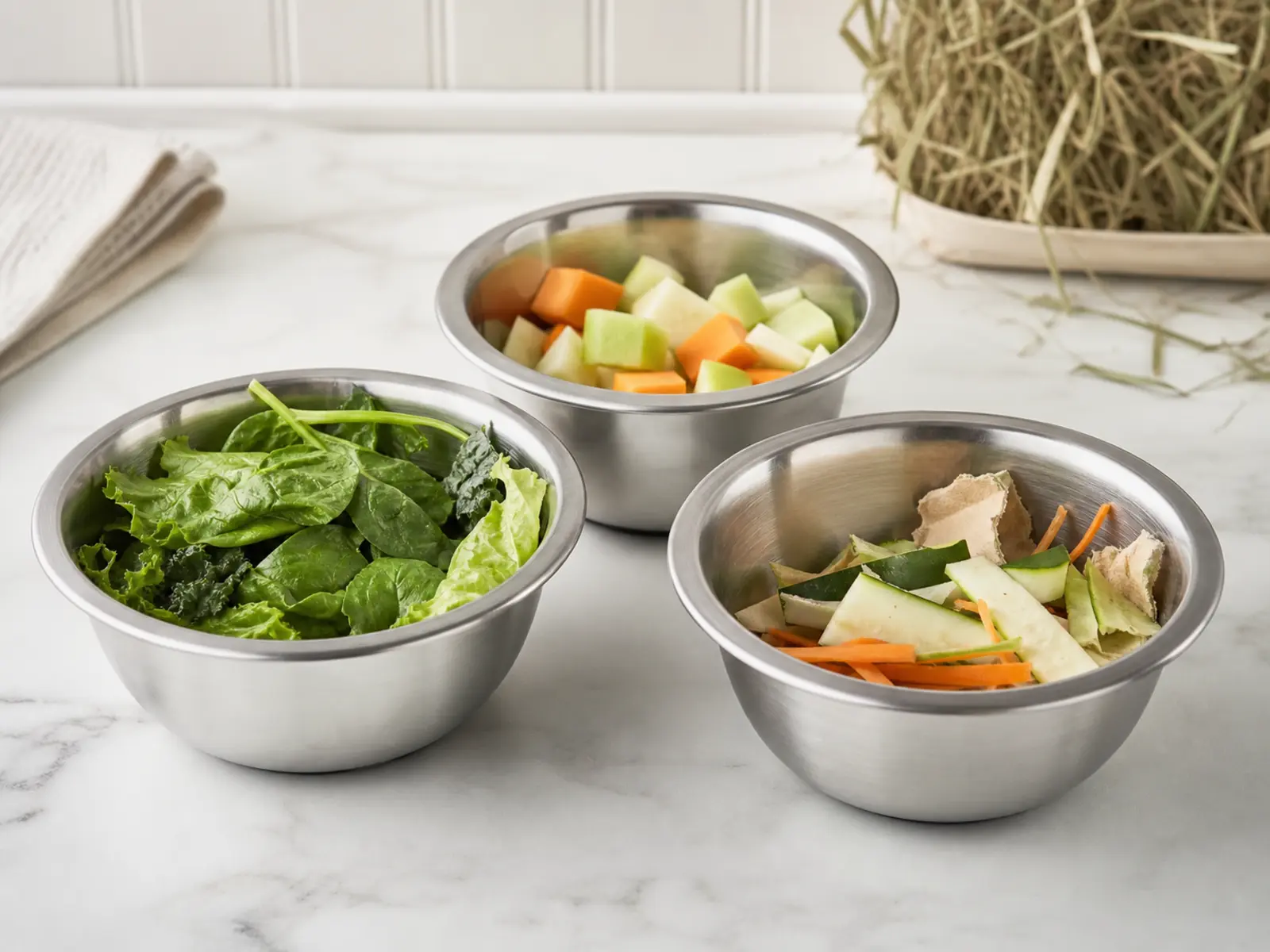
Find the completeness statement
Look for food labeled complete and balanced for the right life stage. Treats, toppers, and some specialty products are not meant to carry the whole diet.
Updated
Food labels
Read the completeness statement, life stage, calories, and feeding guide before ingredient marketing.
A label is useful when it changes what you put in the bowl. Start with the parts that affect daily feeding, then use ingredients and claims as context instead of letting them make the whole decision.
Look for food labeled complete and balanced for the right life stage. Treats, toppers, and some specialty products are not meant to carry the whole diet.

Two foods can look similar and feed very differently. Compare calories per can, cup, pouch, or kilogram before you reuse the old scoop.

Ingredients matter, but they do not tell the whole nutrition story. Watch for foods your cat cannot tolerate, and use your veterinarian for allergy, prescription, or disease questions.
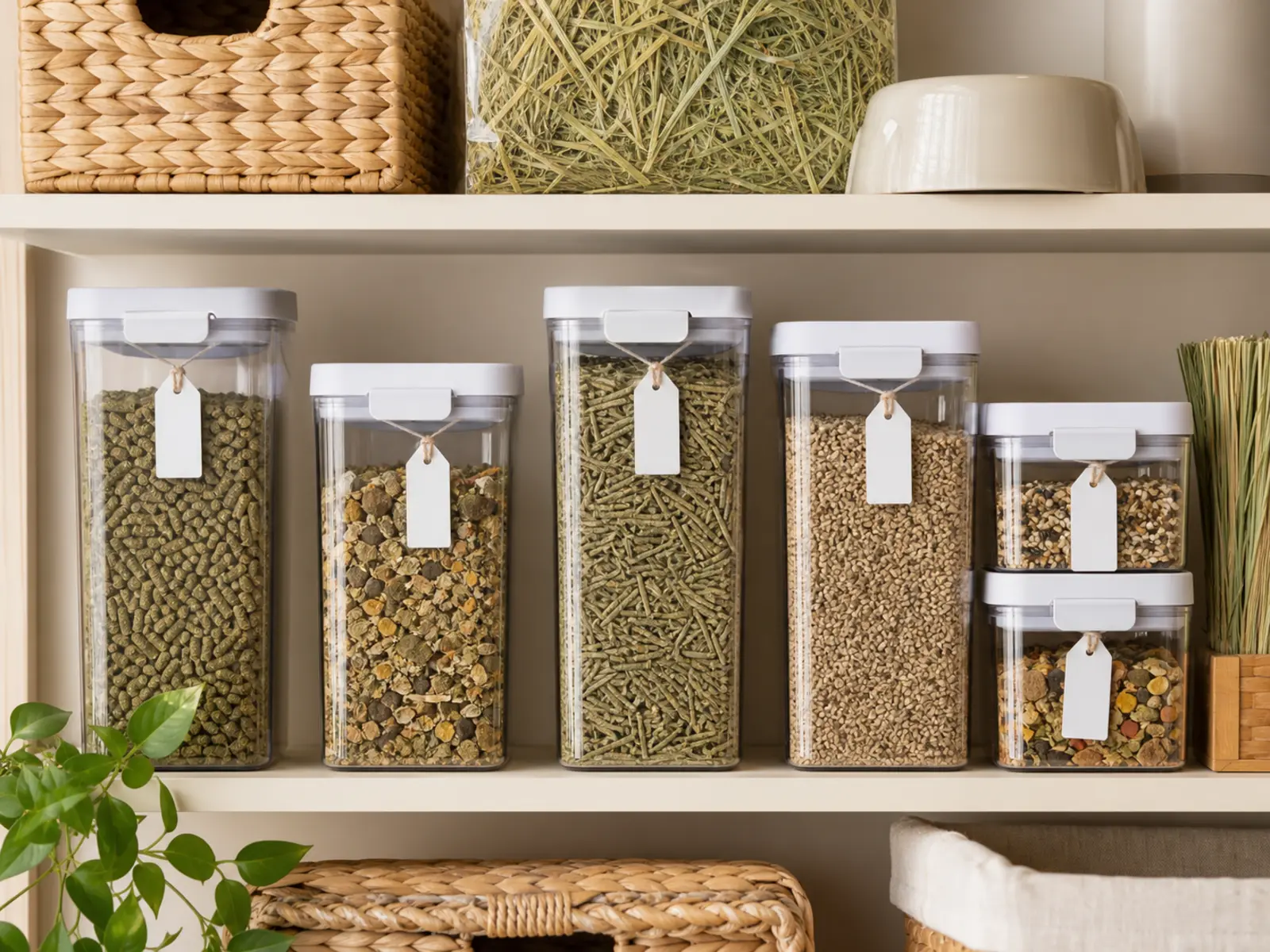
Words like natural, indoor, sensitive, urinary, and hairball should send you back to the full label, the feeding amount, and your cat's real symptoms.
Keep labels, portions, dates, and notes easy to compare.
Affiliate links: Furball Cove may earn from qualifying purchases at no extra cost to you.
Date opened bags, cans, containers, and trial foods.
Compare actual feeding amounts after a label change.
Keep dry food sealed while preserving the original label details.
Track which label change matched appetite, stool, weight, and vomiting.
Read the complete-and-balanced statement, life stage, calories, and feeding guide before comparing ingredient claims.
No. Ingredients can flag known problems, but life stage, calories, nutrient balance, symptoms, and veterinary needs matter too.