Start smaller than you think
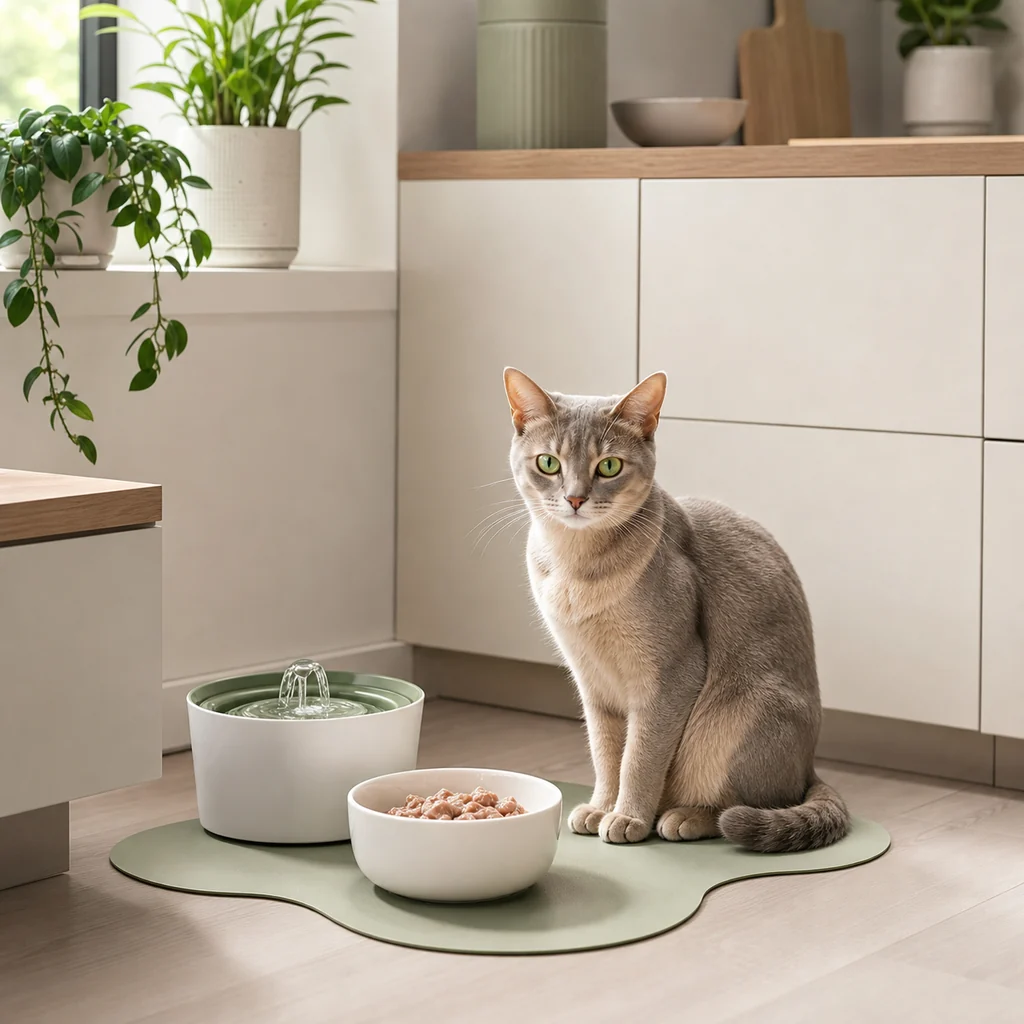
Add a small amount of new food beside or mixed with the familiar food. If the whole bowl is refused, the step was too large.
Updated
Food transition
Switch cat food slowly enough that appetite, stool, and comfort stay easy to read.
A transition is a test, not a race. Change one meaningful thing at a time and stop treating it like a food preference if your cat seems sick.
Add a small amount of new food beside or mixed with the familiar food. If the whole bowl is refused, the step was too large.
Changing protein, brand, moisture, and texture all at once makes the result hard to understand. Keep the rest of the routine steady.

Soft stool, constipation, vomiting, or skipped meals can mean the change is too fast or the food does not suit your cat. Call your vet for repeated symptoms, and use extra caution with kittens, seniors, and cats on medical diets.
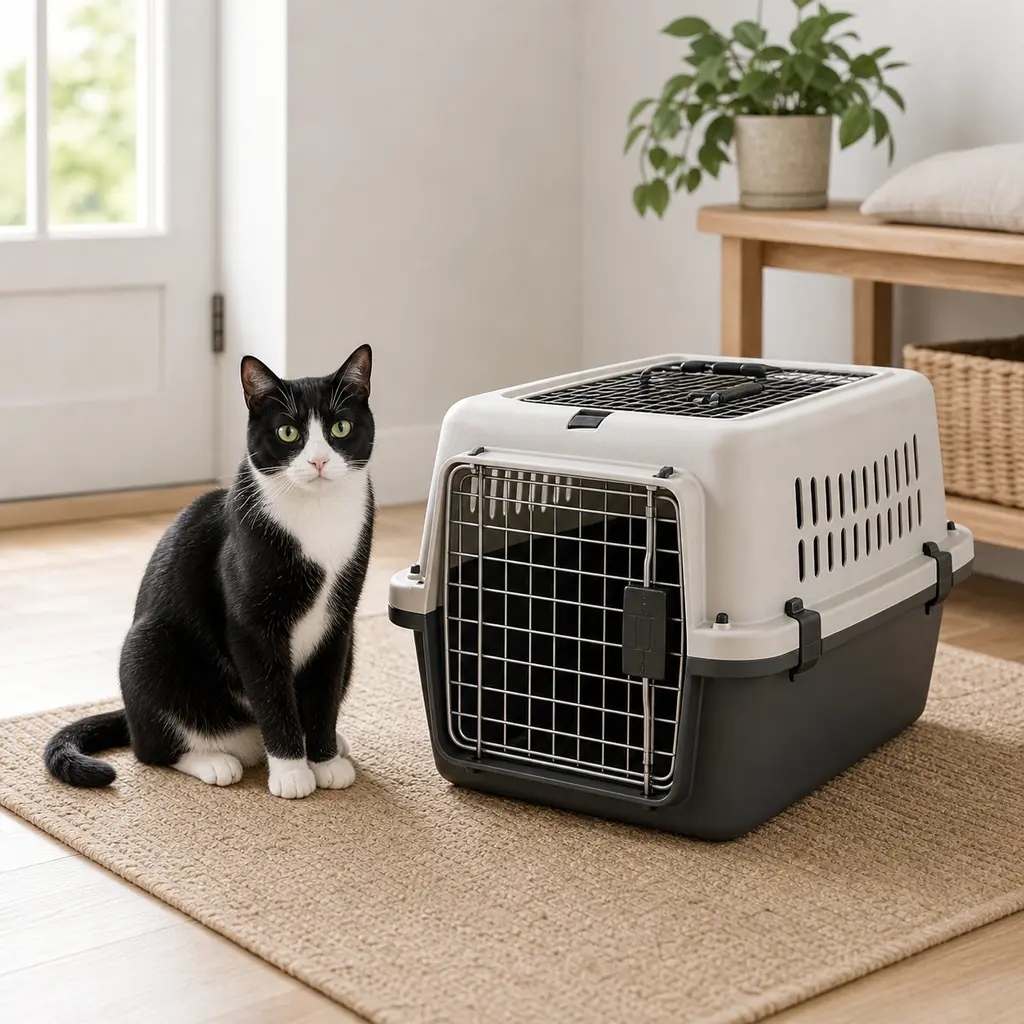
If your cat will not eat, loses weight, vomits repeatedly, has diarrhea, drinks much more, or seems painful, call your veterinarian instead of trying another bag.
Transition gear should make tiny mixes, notes, and cleanup easier.
Affiliate links: Furball Cove may earn from qualifying purchases at no extra cost to you.
Keep familiar food and new food separate while you test the next step.
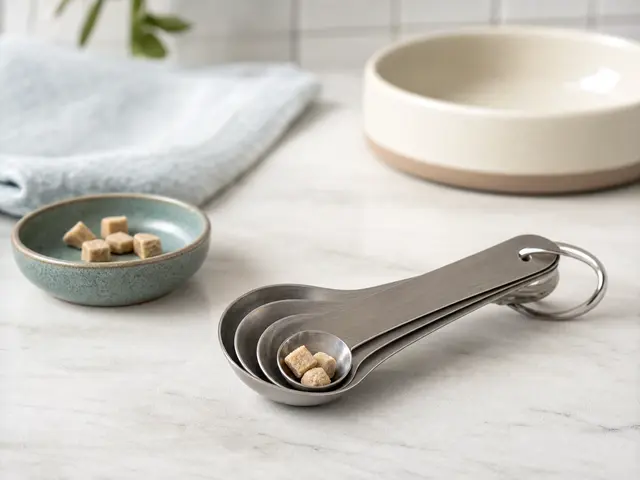
Useful for small, repeatable transition amounts.
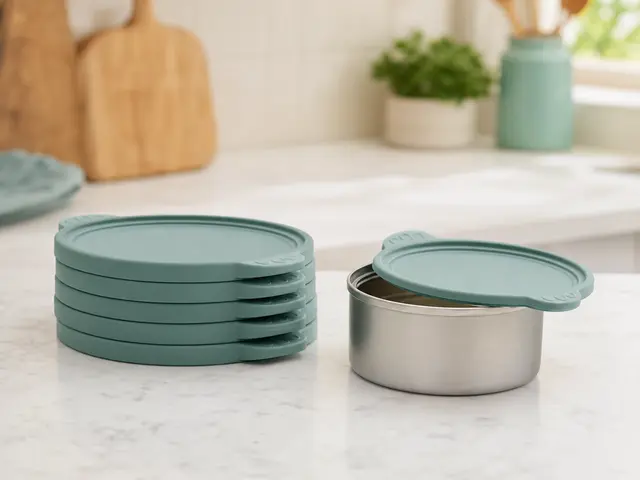
Cover opened food while you work through a slow transition.
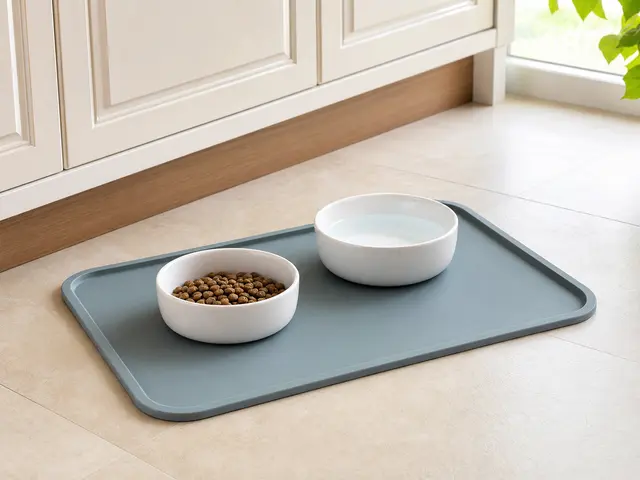
Keeps small spills contained while you test texture and portion changes.
Slow enough that your cat keeps eating and stool stays normal. If the bowl is refused, go back to a smaller step or ask your vet.
Stop and call your veterinarian for refusal to eat, repeated vomiting, diarrhea, weight loss, pain, or major drinking or litter changes.