Use hard sides for practical vet days
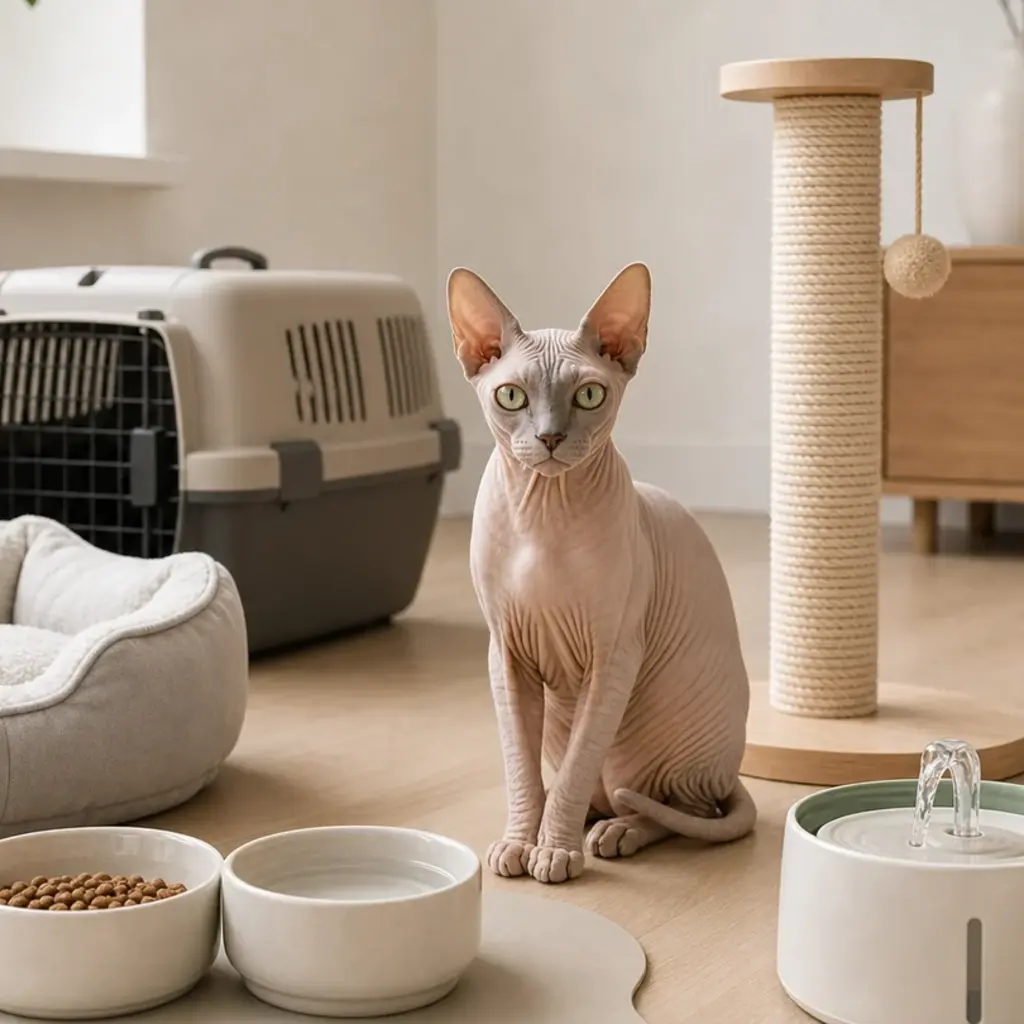
A hard carrier with top access can make loading, unloading, and cleaning easier. That matters when your cat is scared, sick, or not interested in walking out on cue.
Updated
Carriers
Hard carriers usually win for vet-day access and cleaning; soft carriers can work for calm cats and short controlled trips.
The best carrier is the one you can use calmly before everyone is already stressed. Think about loading, cleaning, storage, car safety, and how your cat reacts inside.
A hard carrier with top access can make loading, unloading, and cleaning easier. That matters when your cat is scared, sick, or not interested in walking out on cue.
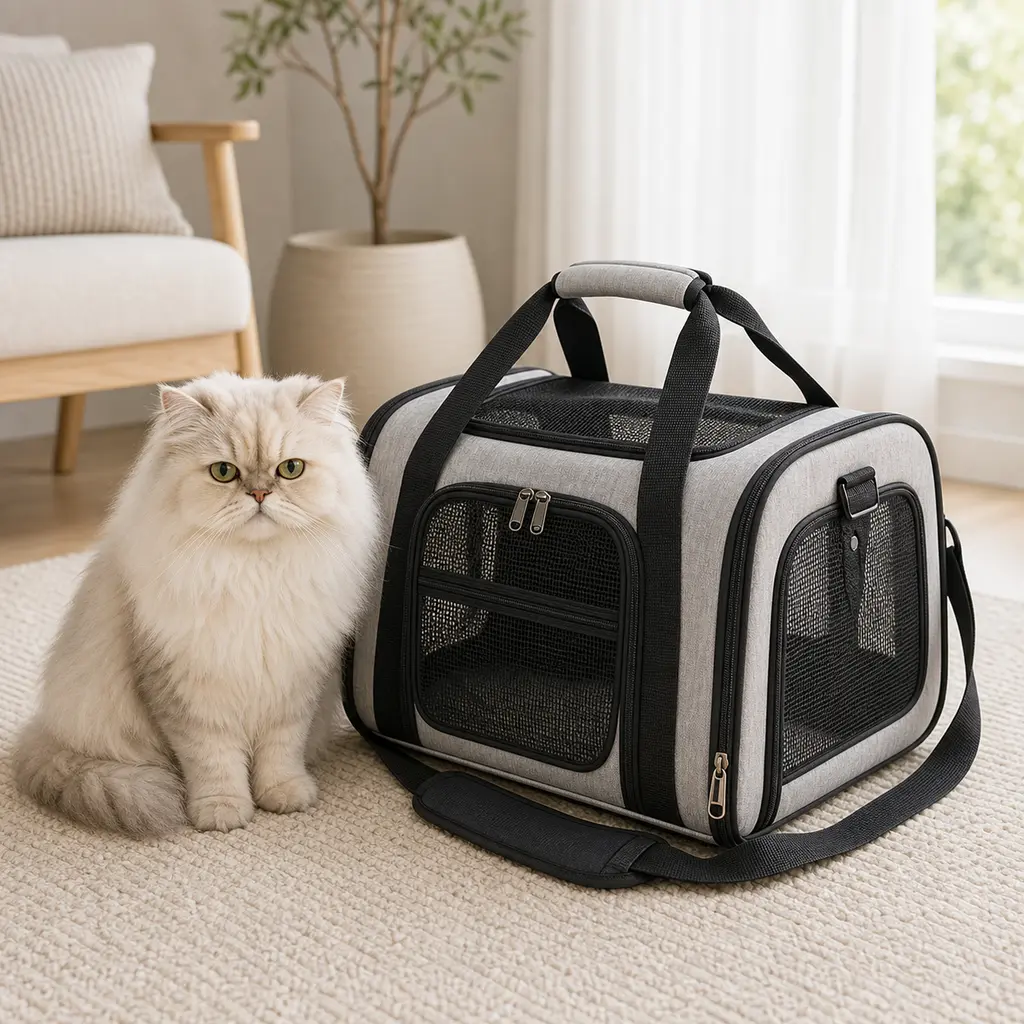
Soft carriers can be lighter and easier to store, but they suit calmer cats and shorter trips best. Look for structure, ventilation, and a secure zipper. A useful supply should make the room easier to use, not just add another object to step around.
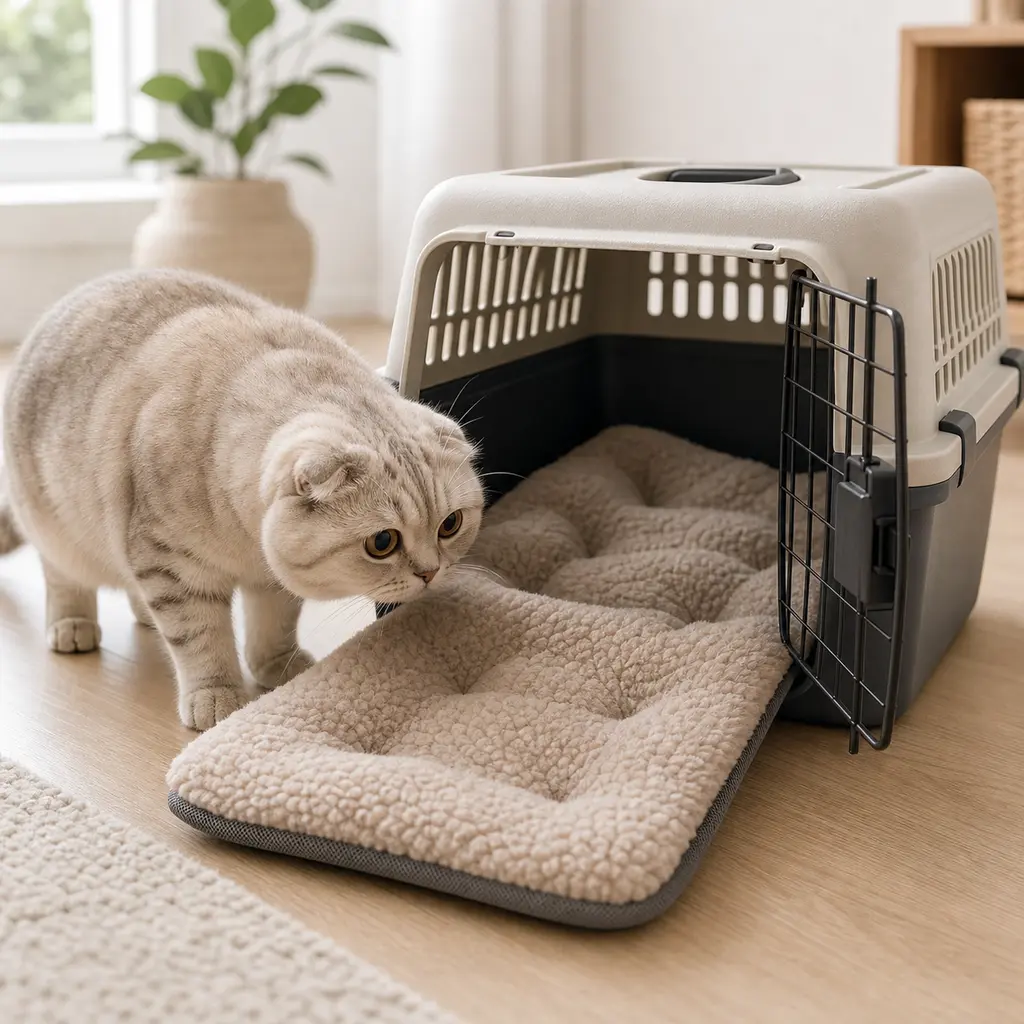
A washable mat that stays out between trips can make the carrier smell like home. Treats, meals nearby, and open-door practice help more than last-minute wrestling. Your cat may need time to sniff, circle, rub, or ignore the new thing before using it confidently.
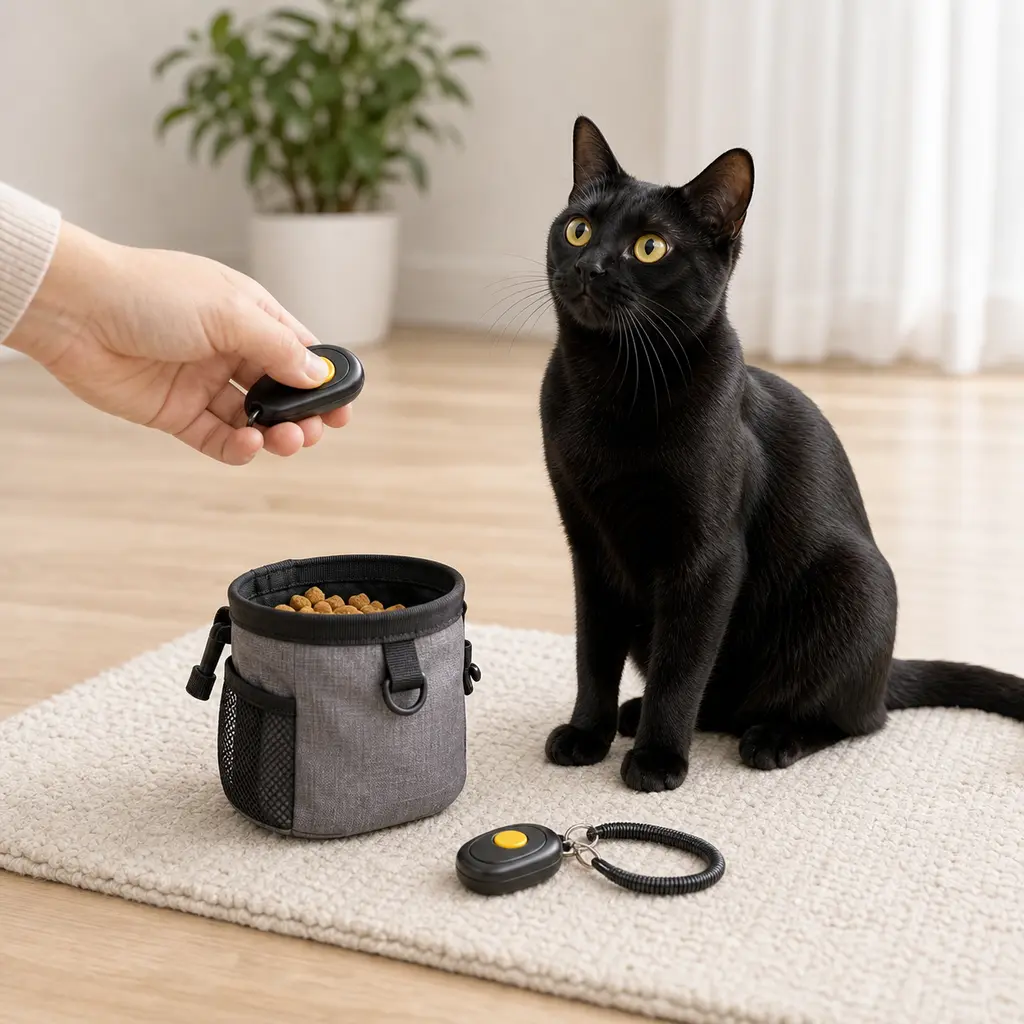
A carrier choice is only half the plan. Let your cat step in, sniff, leave, and come back for rewards so the carrier is not only seen on stressful days.

Hard vs Soft Cat Carriers has to work for the person cleaning it too. If washing, refilling, brushing off hair, or moving it is annoying on a busy day, the habit will fade and your cat will feel that inconsistency.
Choose supplies for hard vs soft cat carriers by watching where your cat already eats, rests, scratches, hides, and hesitates.
Affiliate links: Furball Cove may earn from qualifying purchases at no extra cost to you.
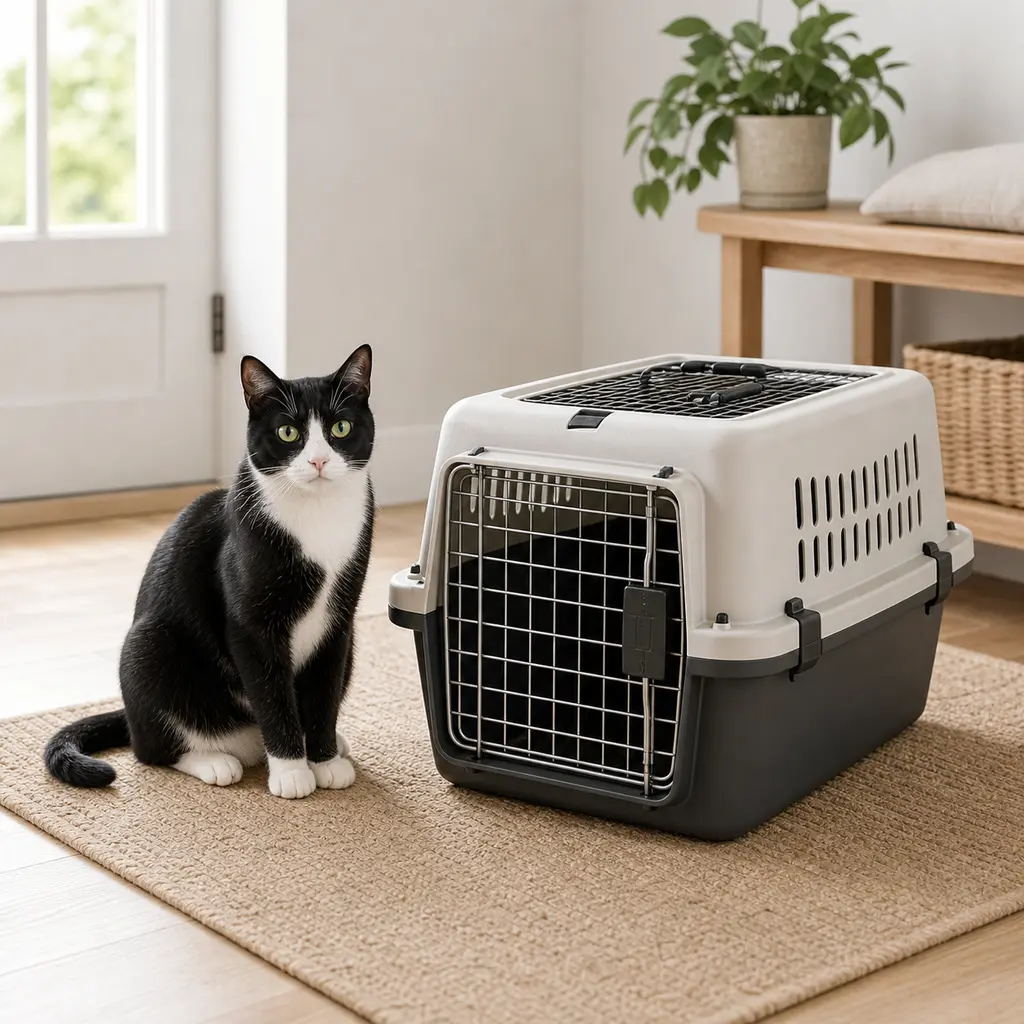
This earns its spot in hard vs soft cat carriers because it can make loading and cleaning easier when vet trips need to stay low-drama.
For hard vs soft cat carriers, choose this when you want to keep short trips lighter when your cat already travels calmly.
Use it in a hard vs soft cat carriers routine to add a washable layer when treats, stress shedding, or car rides happen.
A good pick for hard vs soft cat carriers: it can keep rewards ready so tiny training wins arrive on time.
A carrier is working when it can stay visible between trips, your cat can investigate it without being shoved inside, and you can load, open, clean, and secure it without a scramble.
Rethink the carrier if it collapses, traps your hands, is hard to clean after stress accidents, or makes vet-day handling more frantic. Nervous cats often do better with calm practice and easy top access.