Updated

Cat health

My cat's meow sounds hoarse: should I call the vet?

A hoarse meow can come from irritation, heavy meowing, or a health problem. Call your veterinarian if the meow sounds hoarse for more than a short spell or comes with breathing, swallowing, appetite, or energy changes.

A changed voice is easy to laugh off because the cat may still act mostly normal. The useful question is whether the hoarse sound is brief and explainable, or part of a wider change.

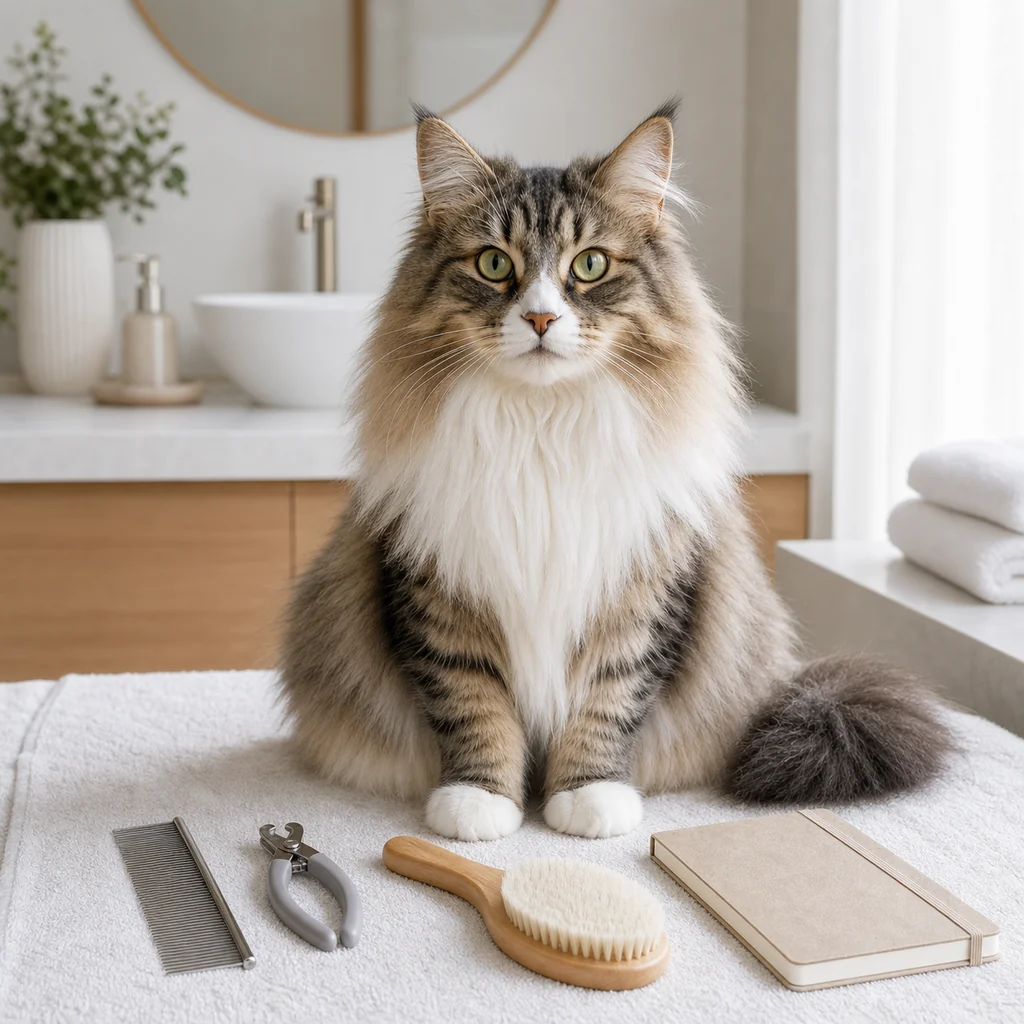
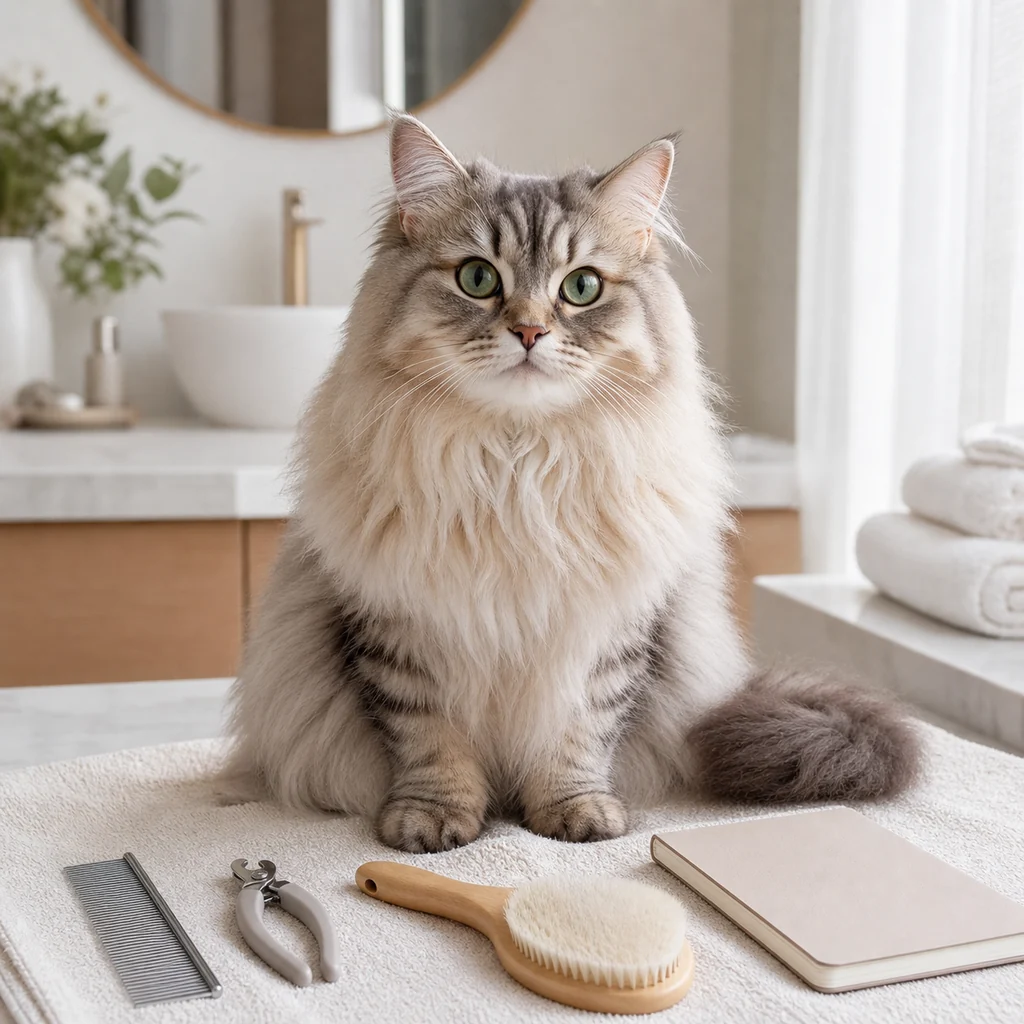
Cat beside grooming and health care tools

Compare the meow to your cat's normal

Notice whether the sound is raspy, weak, silent, squeaky, or only hoarse after a noisy day. Write down when it started and whether it is improving or getting rougher.

Treat symptom pages as triage support, not a diagnosis. Appetite, water, urine, stool, breathing, mobility, gums, pain signs, and energy matter more than one isolated symptom word.

Soft-sided cat carrier for travel practice

Watch breathing and swallowing

A hoarse meow matters more if your cat coughs, gags, drools, swallows hard, breathes with effort, or stretches the neck. Those details belong in a veterinarian call.

Start by deciding whether this can wait. Breathing trouble, urine changes, appetite loss, severe pain, collapse, toxin exposure, or sudden decline means the next step is a vet call.

Wide shallow food bowl for a cat

Check appetite and comfort

Watch a meal for dropped food, hesitation, mouth pawing, gagging, or backing away from the bowl. A voice change plus meal discomfort is not just a funny sound.

Write down timing, frequency, appetite, litter use, breathing, movement, and any trigger you saw. A short video is often more useful to your veterinarian than a long description.

Cat in a calm home setup with bed, scratcher, and bowls

Reduce obvious irritants

Smoke, sprays, dust, strong scents, and recent cleaning can irritate some cats. Clear the air, but do not use room changes as a reason to delay care if the hoarse meow continues.

Do not monitor at home when breathing is hard, gums look pale or blue, the cat cannot stand, pain is obvious, appetite stops, urination changes, or symptoms escalate.

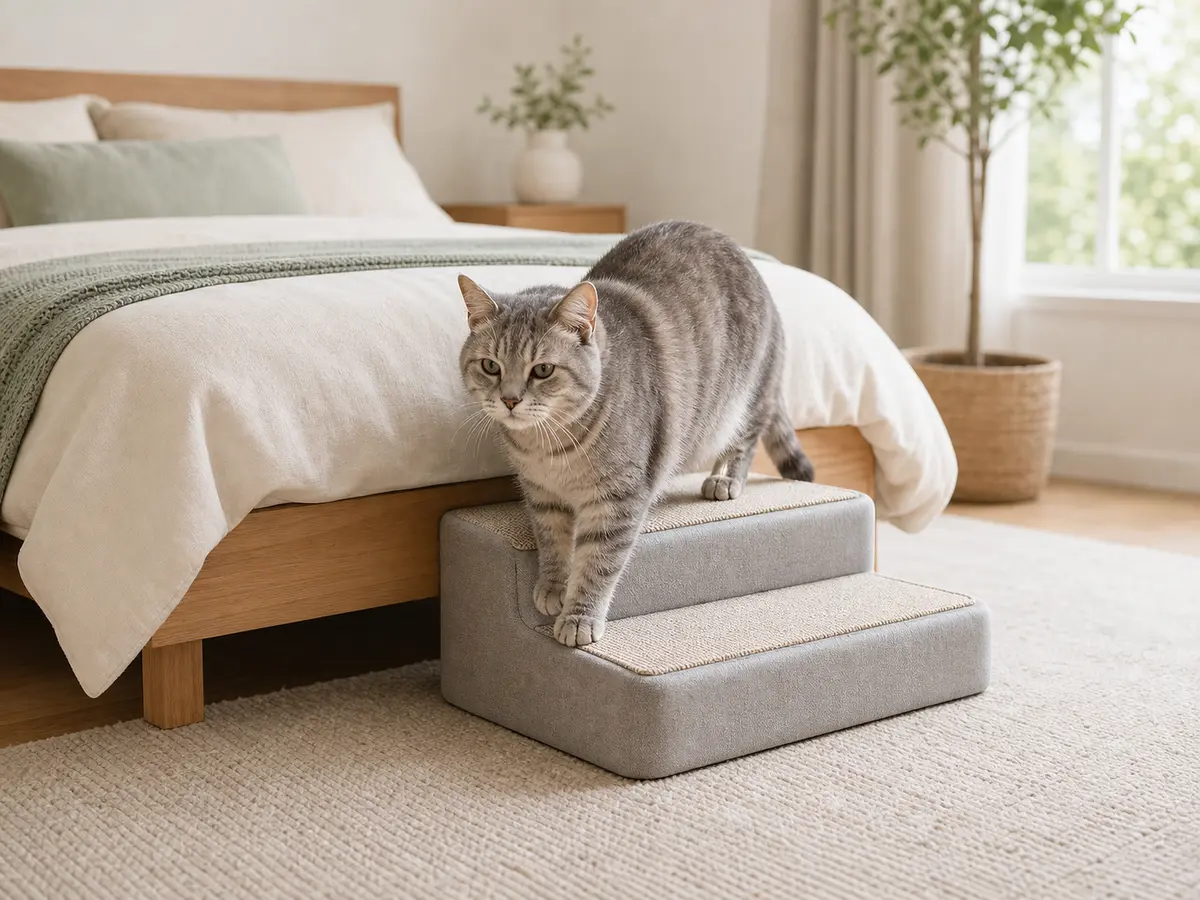
Senior cat using low steps to reach a bed safely

Call sooner for red flags

Call your veterinarian promptly for trouble breathing, open-mouth breathing, drooling, appetite loss, swelling, pain, repeated vomiting, weakness, collapse, or a hoarse meow that is worsening.

Treat symptom pages as triage support, not a diagnosis. Appetite, water, urine, stool, breathing, mobility, gums, pain signs, and energy matter more than one isolated symptom word.
Before you decide

  • Does the meow sound hoarse, weak, raspy, silent, or different from normal?
  • Did heavy meowing, dust, smoke, scent, cleaning, or stress happen first?
  • For your veterinarian, are breathing, swallowing, drooling, appetite, or energy changed?
  • Is the sound improving, staying the same, or getting worse?

Next best moves

  • Record a short voice clip if your cat is calm.
  • Remove obvious smoke, spray, scent, or dust triggers.
  • Call your veterinarian if the hoarse meow persists, worsens, or appears with other symptoms.

Quick cat question

Should I call the vet for a hoarse meow?

Call your veterinarian if the hoarse meow lasts, worsens, or comes with breathing, swallowing, appetite, drooling, pain, or energy changes.

What should I tell the vet?

Share when the voice changed, what the meow sounds like, appetite, breathing, swallowing, possible irritants, and whether your cat seems comfortable.

References