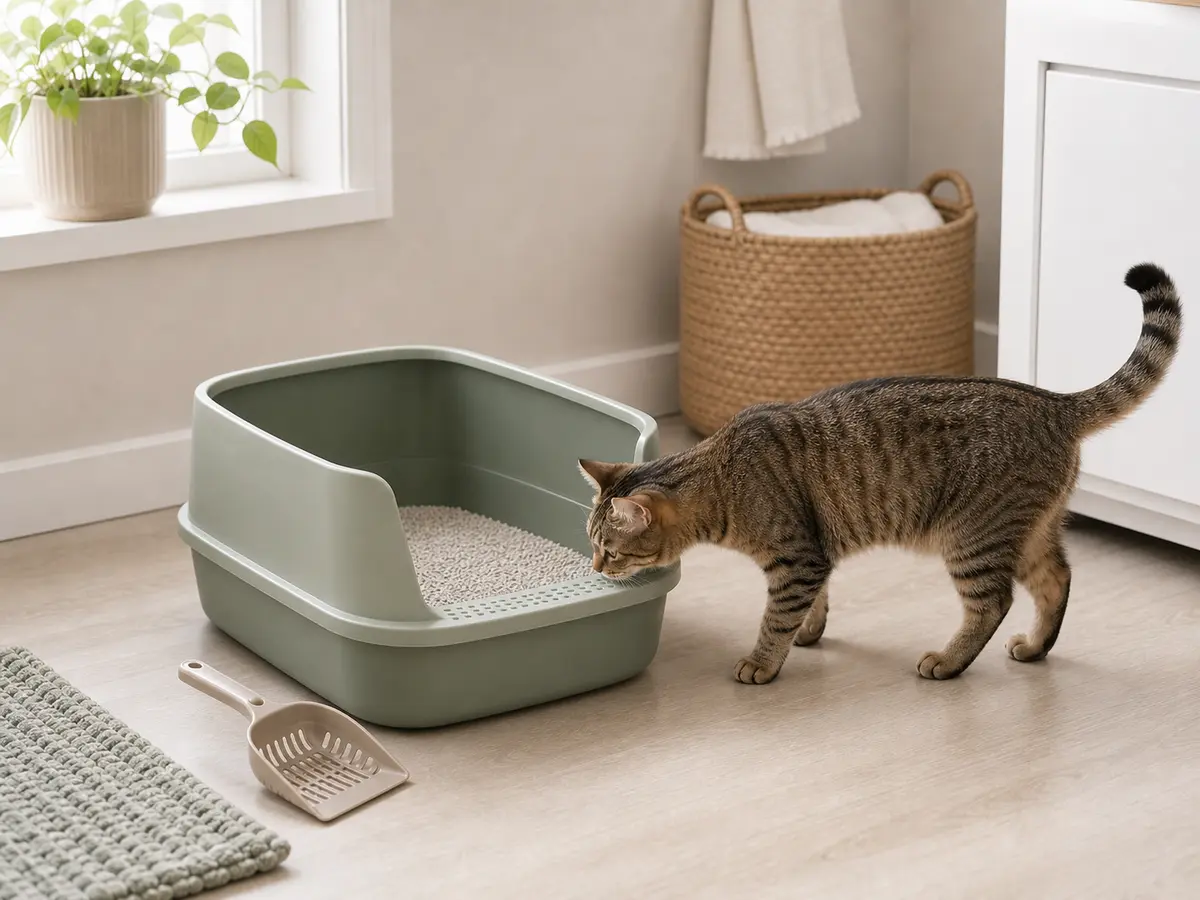
Why does my cat scratch the wall beside the litter box?
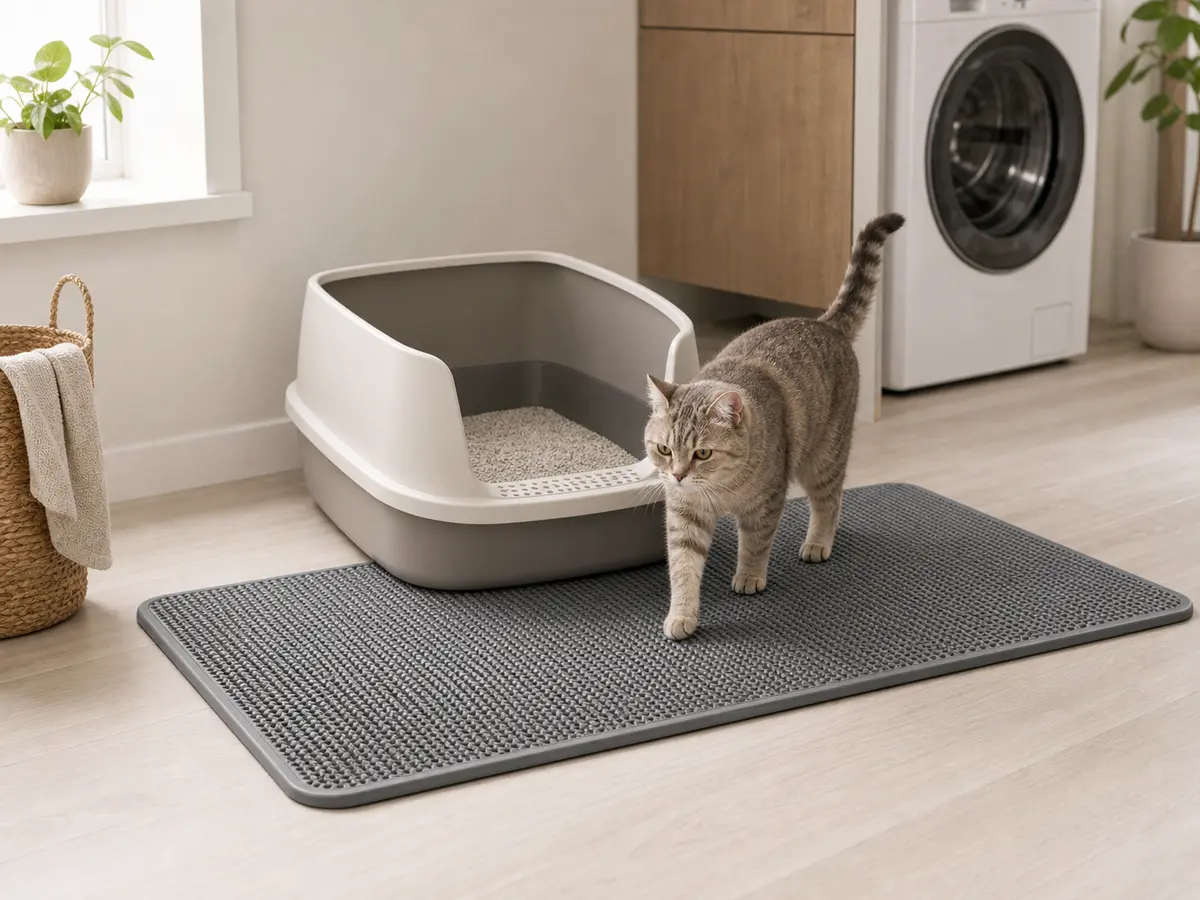
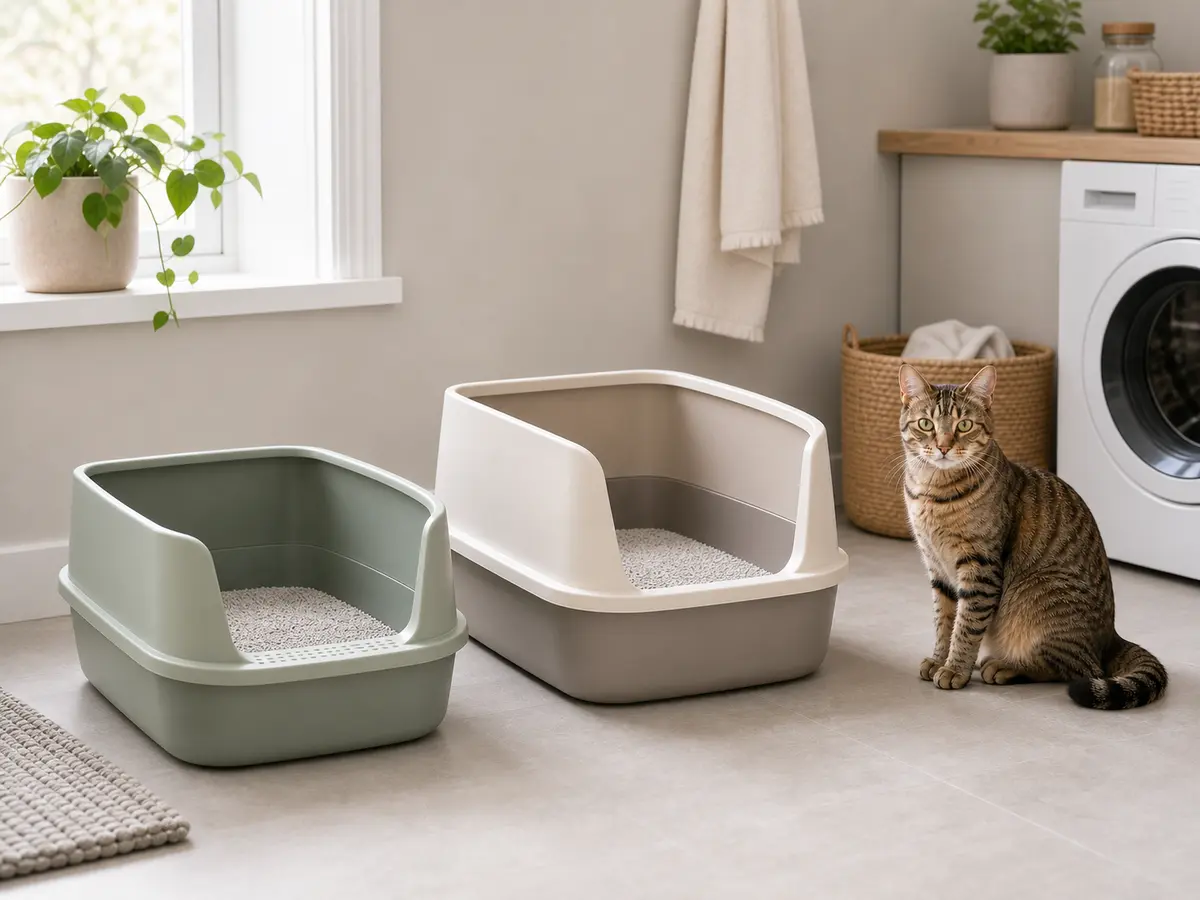
Wall scratching near the litter box can mean your cat wants more covering surface, dislikes the litter, or feels cramped. Try a larger box, different depth, or nearby mat.
Use the pattern on the floor, in the box, and around the room to choose the next small fix.
What to notice at home
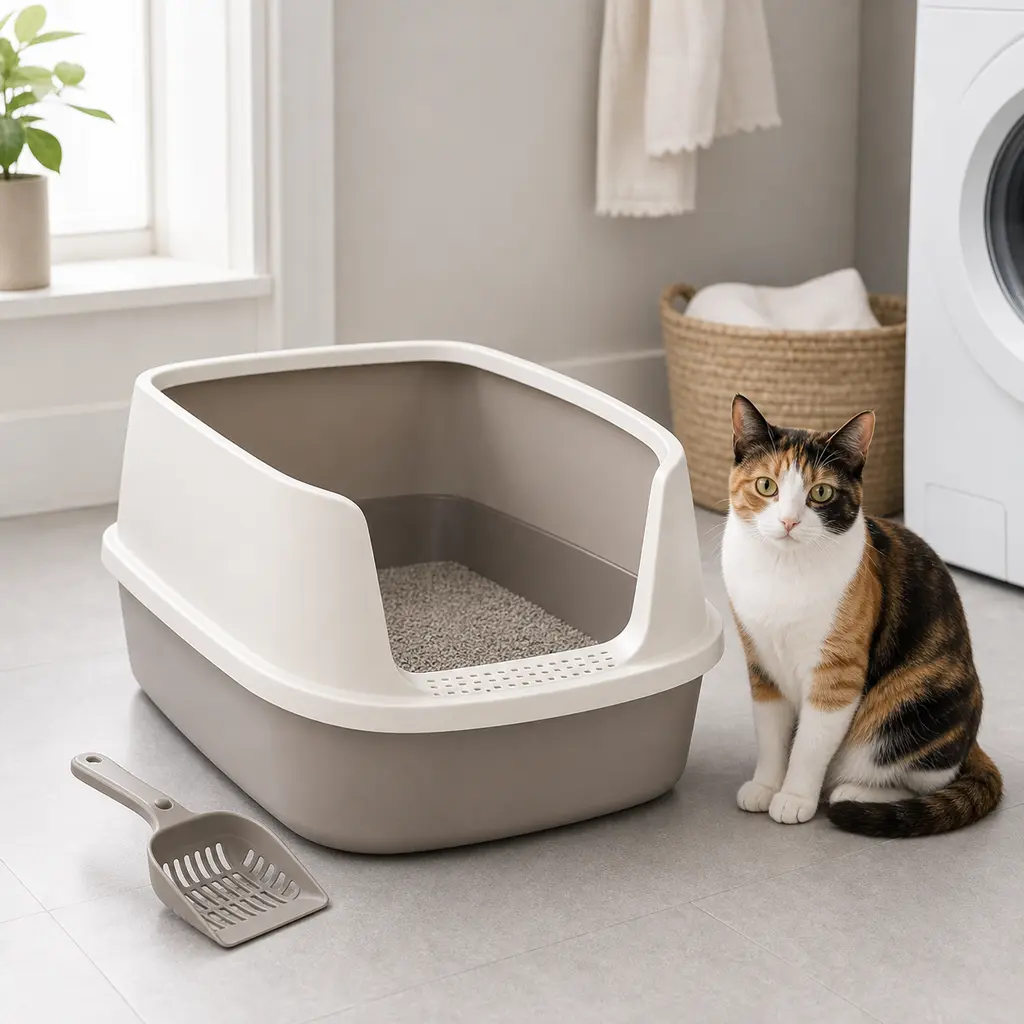
Small box details change the answer. Sides may be too high, a lid may trap odor, the box may be too small, litter may hurt paws, or another pet may control the path.
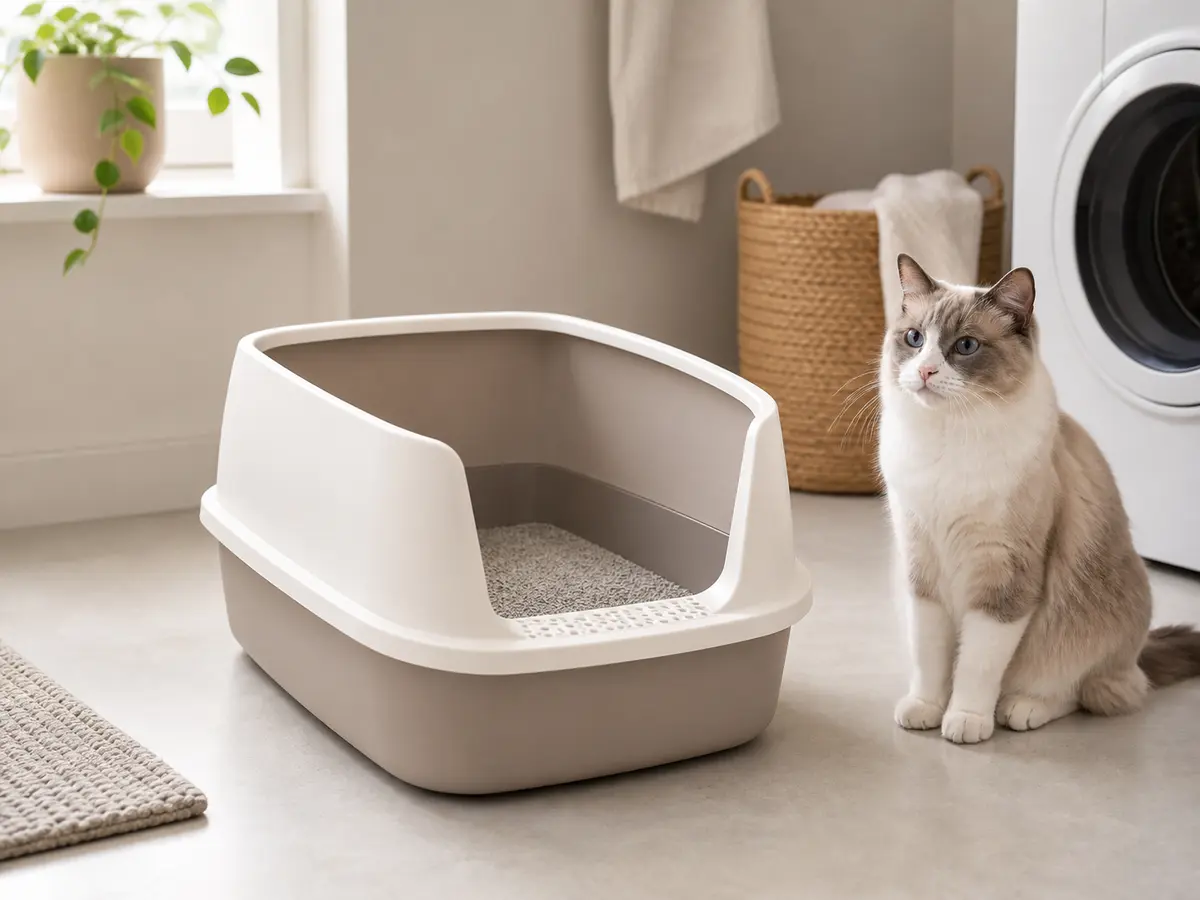
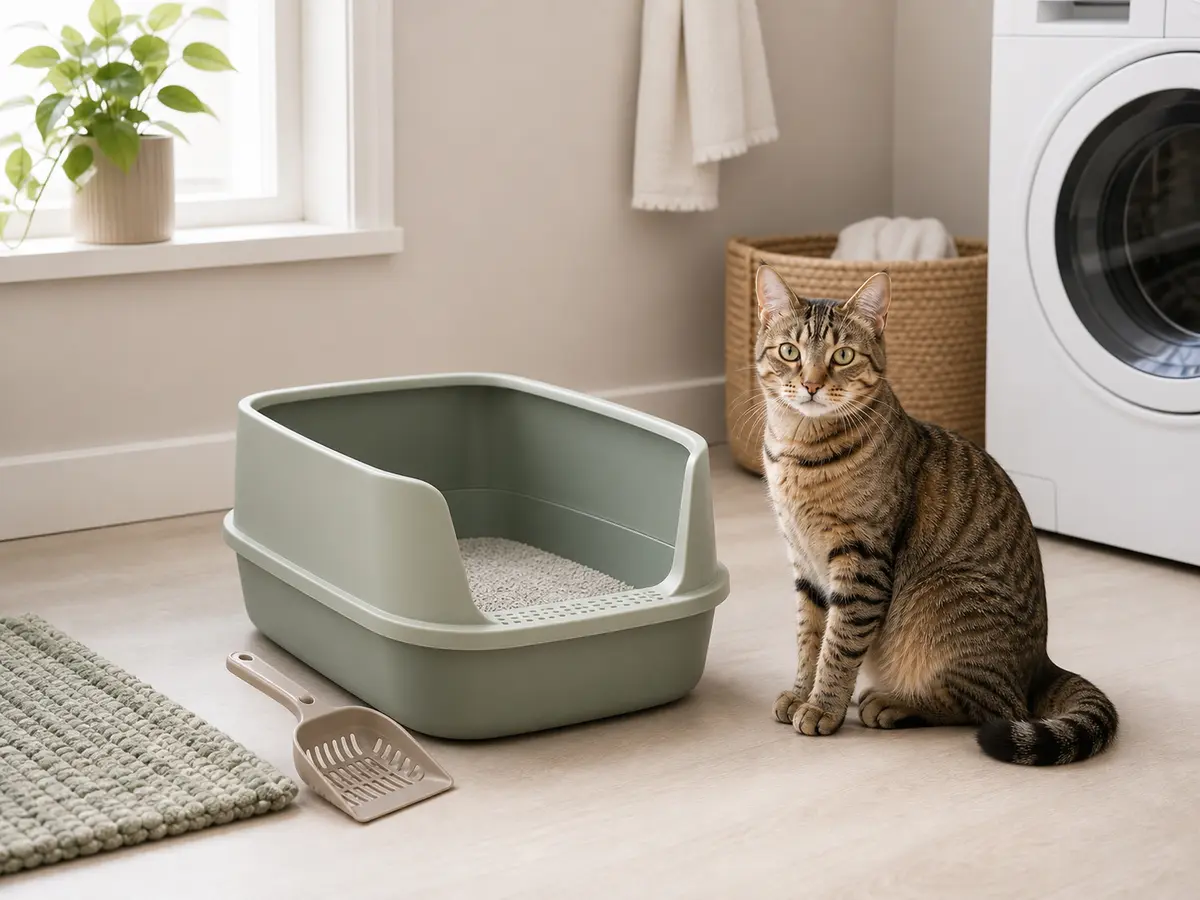
Look at the box and the cat together: entry height, location, cleanliness, litter texture, urine amount, stool quality, straining, and whether another pet is blocking access.
What to try first
Start with a clean, uncovered, roomy box in a quiet but reachable place. Add a second option before removing the old setup, and call your vet quickly for urine changes, straining, blood, pain, or repeated misses.
Change the easiest box variable first, then watch for a few normal days. Add a clean second box, improve access, or adjust litter depth before changing everything at once.
When to get help
Call your veterinarian quickly for straining, blood, repeated urine misses, crying in the box, tiny clumps, no urine, pain, or sudden litter-box changes.
Treat straining, blood, repeated box trips, crying, inability to urinate, or sudden misses as medical until a veterinarian says otherwise. Litter behavior can hide pain.
Before you decide
Is this new, sudden, or getting worse?
Did food, litter, scent, guests, noise, another pet, or the room setup change recently?
Are urine amount, stool, straining, box access, and box cleanliness normal for your cat?
Would pain, toxin exposure, breathing trouble, or a urinary problem make this urgent?
Next best moves
Make one calm, observable change instead of changing the whole routine at once.
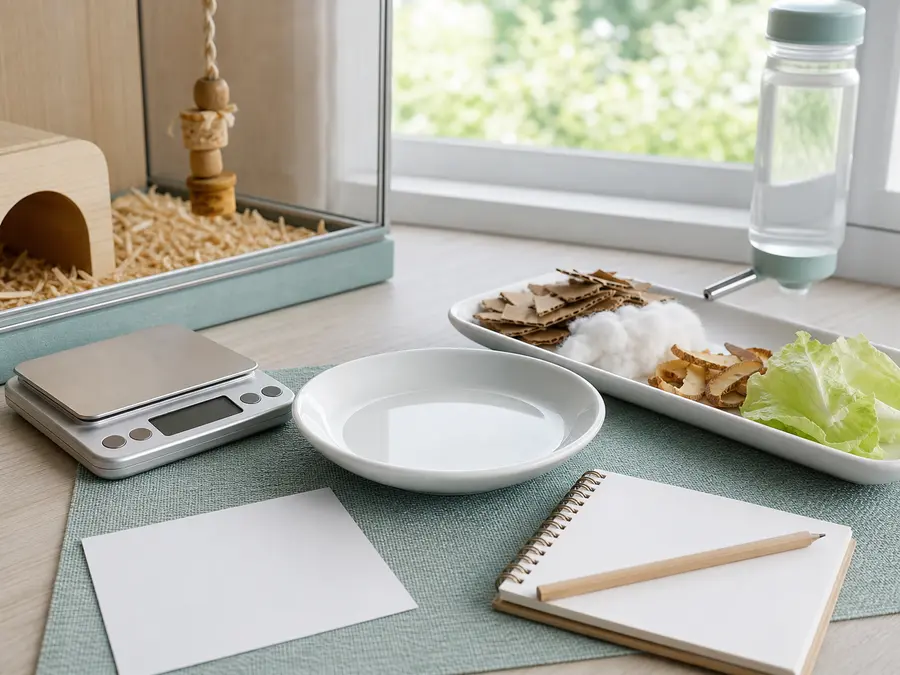
Write down timing, triggers, appetite, litter use, and what helped.
Call your veterinarian quickly for health, toxin, pain, breathing, urine, or severe behavior concerns.
Helpful supplies
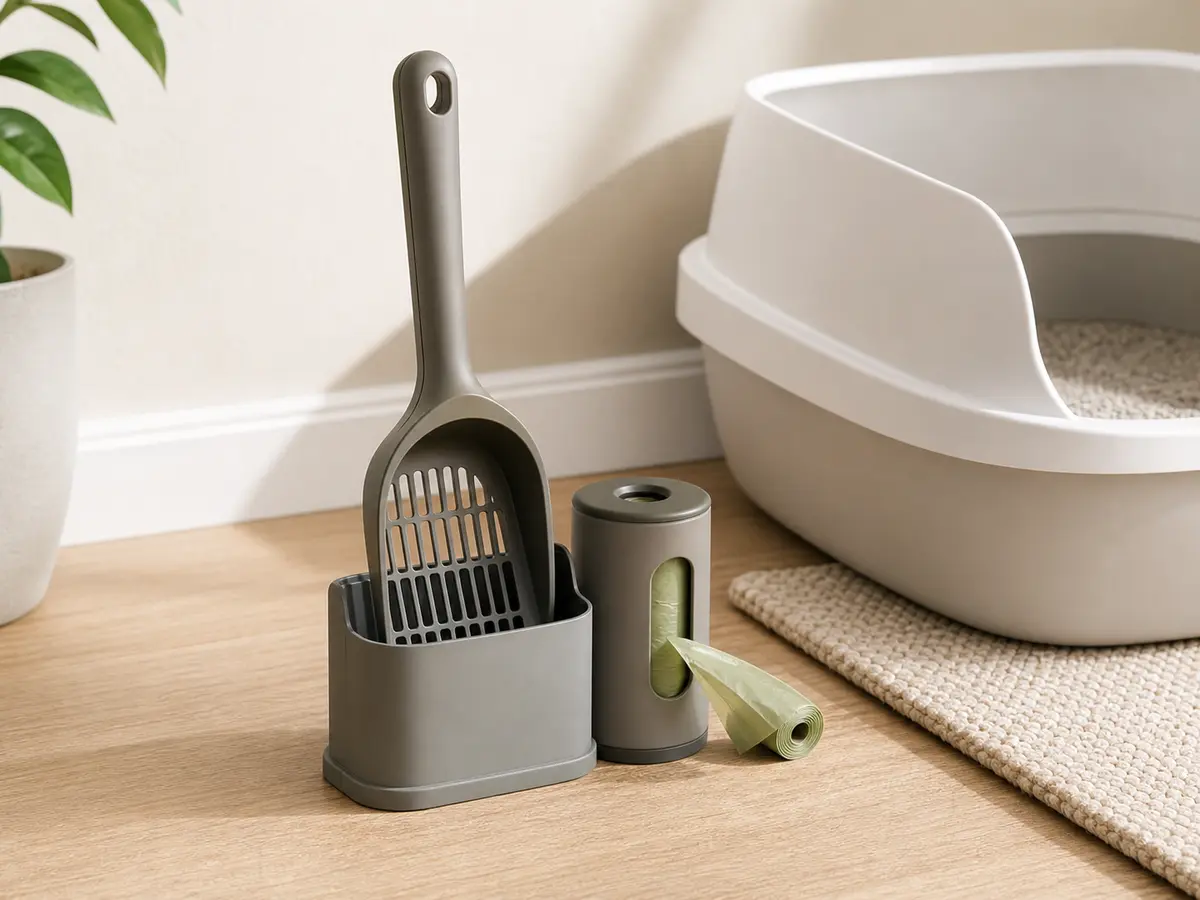
Use litter tools to make the easiest bathroom choice obvious: reachable box, enough room, manageable scatter, and daily scooping.
Affiliate links: Furball Cove may earn from qualifying purchases at no extra cost to you.
Why does my cat scratch the wall beside the litter box?
Wall scratching near the litter box can mean your cat wants more covering surface, dislikes the litter, or feels cramped. Try a larger box, different depth, or nearby mat.
When should I get help?
Call your veterinarian quickly for straining, blood, repeated urine misses, crying in the box, tiny clumps, no urine, pain, or sudden litter-box changes.