Updated

Cat health

My cat has a small bald spot: when is it a problem?

A small bald spot is a problem when it spreads, looks red or scabby, smells bad, feels painful, or comes with fleas, heavy scratching, overgrooming, swelling, or a cat who seems sick.

A bald spot is easier to judge when you look under the fur calmly and compare it over time. The goal is to notice skin changes without turning grooming into a wrestling match.

Cat vet records and appointment questions

Photograph the bald spot today

Take a clear photo in good light and note the location: chin, belly, tail base, legs, ears, or a rubbed collar area. A small spot is easier to judge when you can compare tomorrow.

Treat symptom pages as triage support, not a diagnosis. Appetite, water, urine, stool, breathing, mobility, gums, pain signs, and energy matter more than one isolated symptom word.
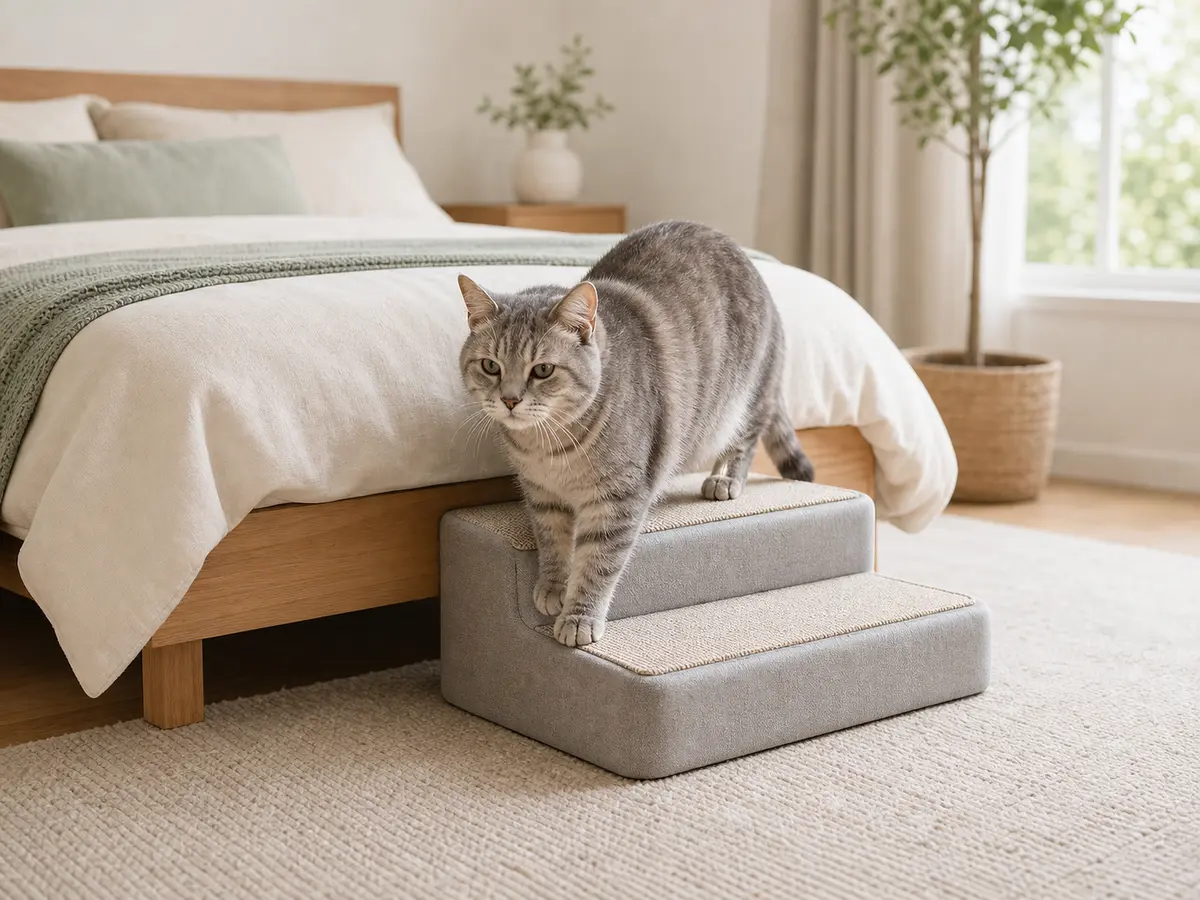
Senior cat using low steps to reach a bed safely

Look at the skin, not just the fur

During calm grooming, check for redness, scabs, flea dirt, broken hairs, mats, oily skin, odor, swelling, or tenderness. Stop if your cat flinches or gets upset.

Start by deciding whether this can wait. Breathing trouble, urine changes, appetite loss, severe pain, collapse, toxin exposure, or sudden decline means the next step is a vet call.

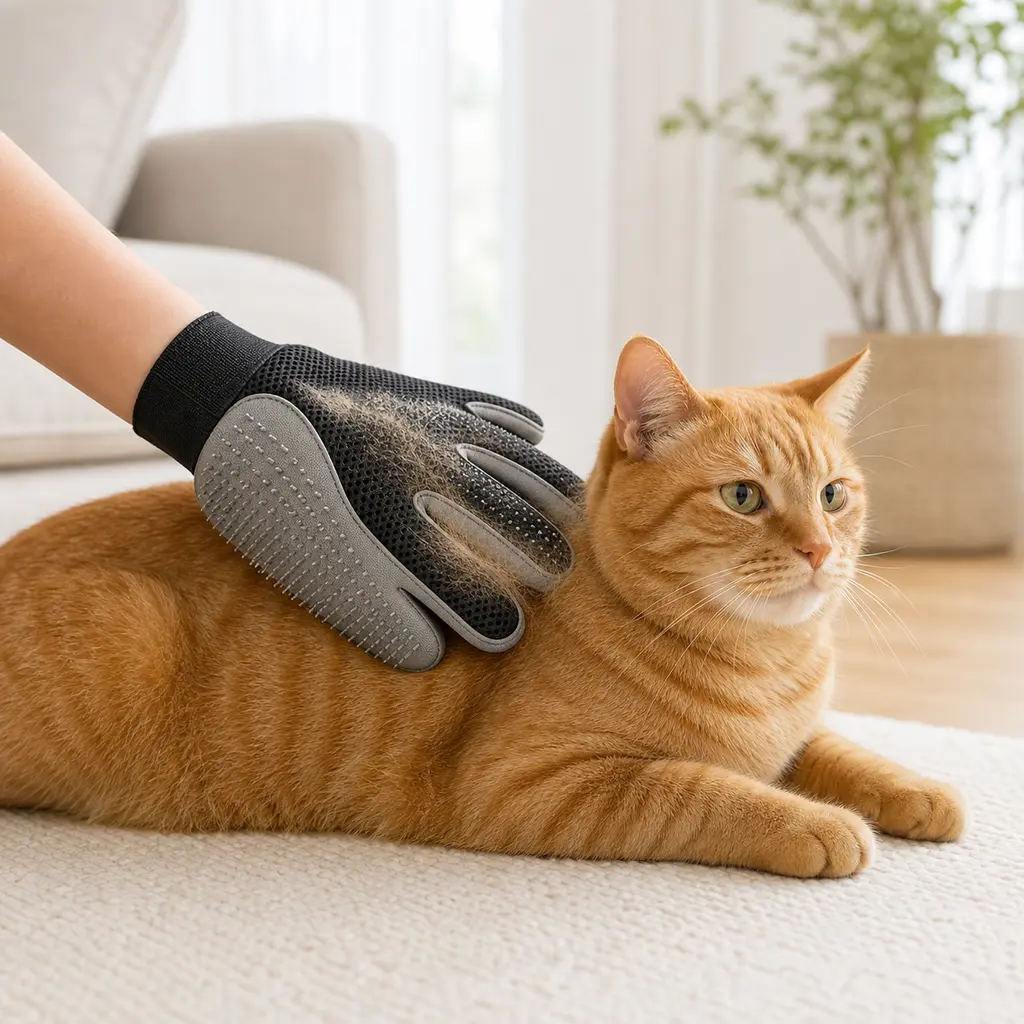
Cat grooming glove for calm handling

Watch for overgrooming

A cat may lick one spot when skin itches, pain is nearby, or stress is high. Notice whether licking happens after litter use, meals, visitors, another pet, or a specific room.

Write down timing, frequency, appetite, litter use, breathing, movement, and any trigger you saw. A short video is often more useful to your veterinarian than a long description.

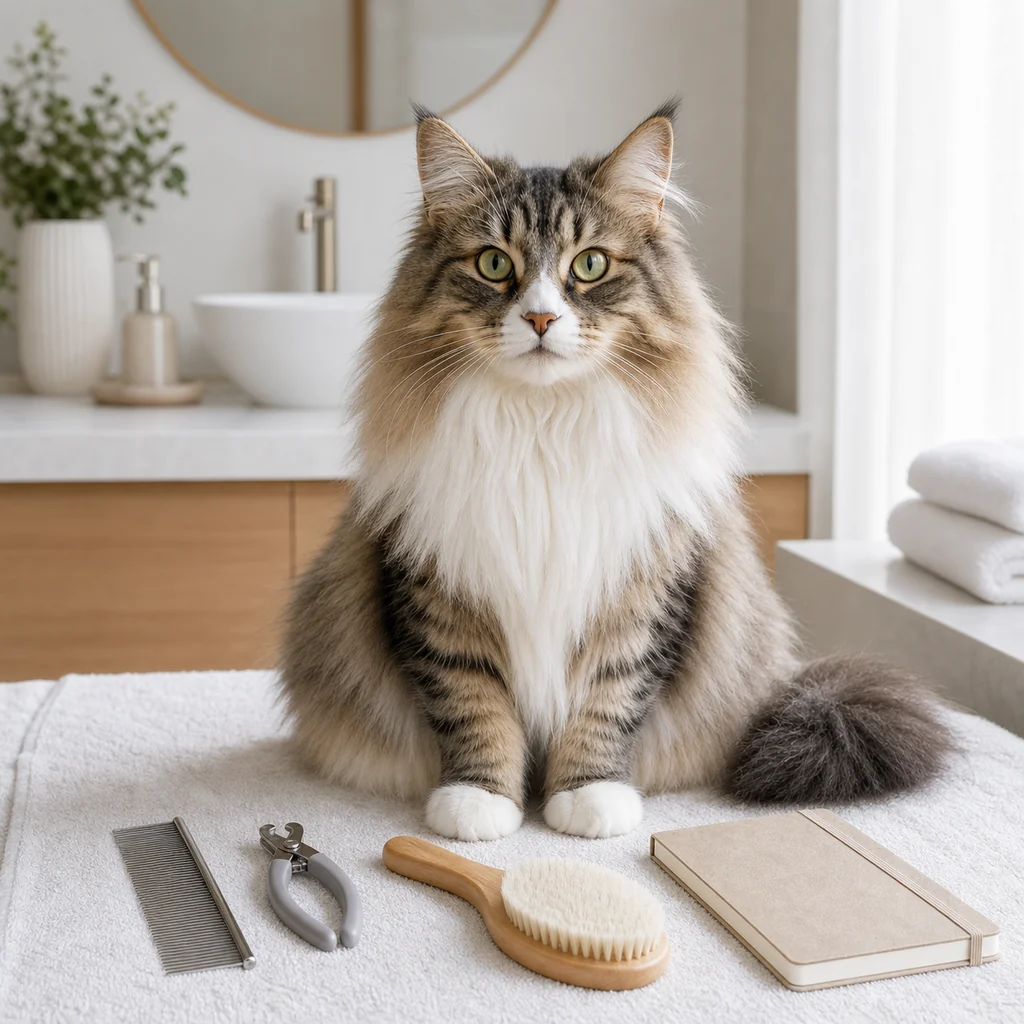
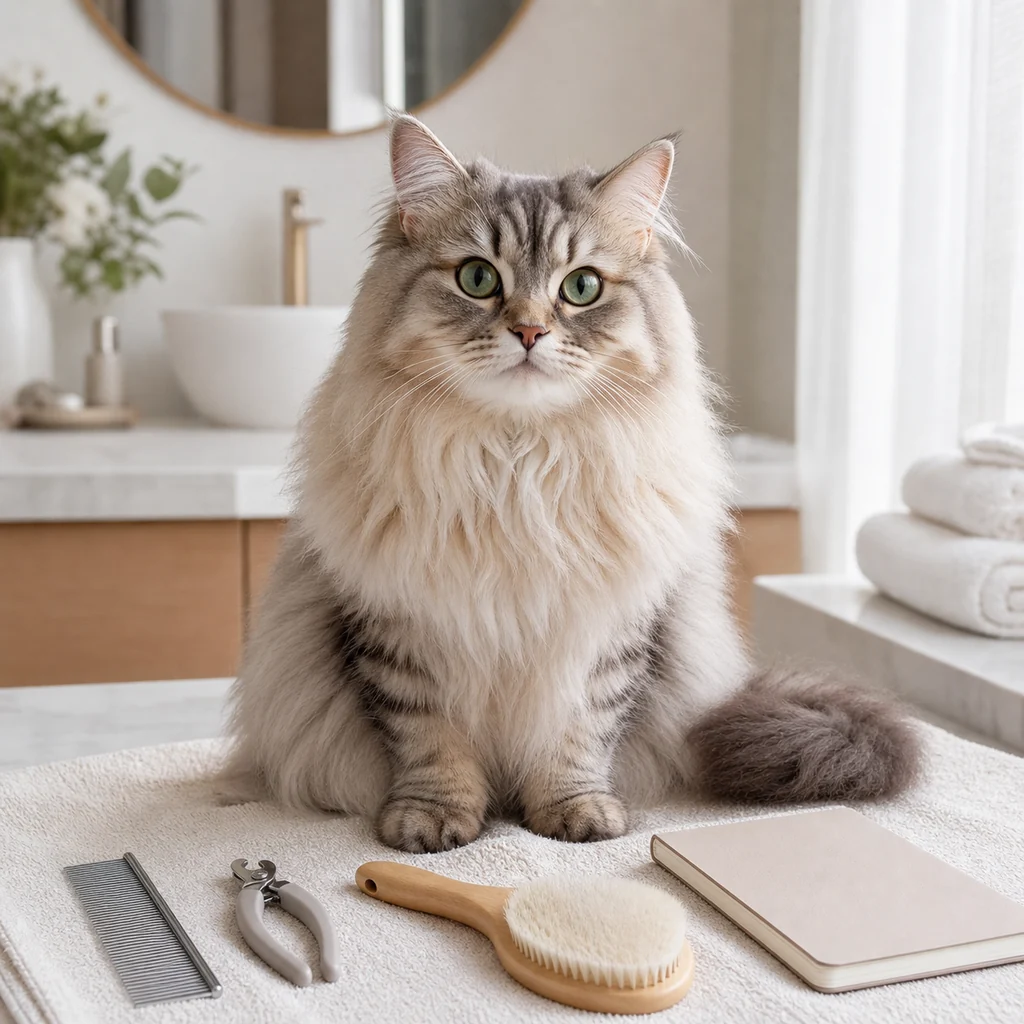
Cat beside grooming and health care tools

Avoid random skin fixes

Do not pile on shampoos, oils, flea products, or human creams without veterinary guidance. Cats groom residue from the coat, so a home fix can become something they swallow.

Do not monitor at home when breathing is hard, gums look pale or blue, the cat cannot stand, pain is obvious, appetite stops, urination changes, or symptoms escalate.

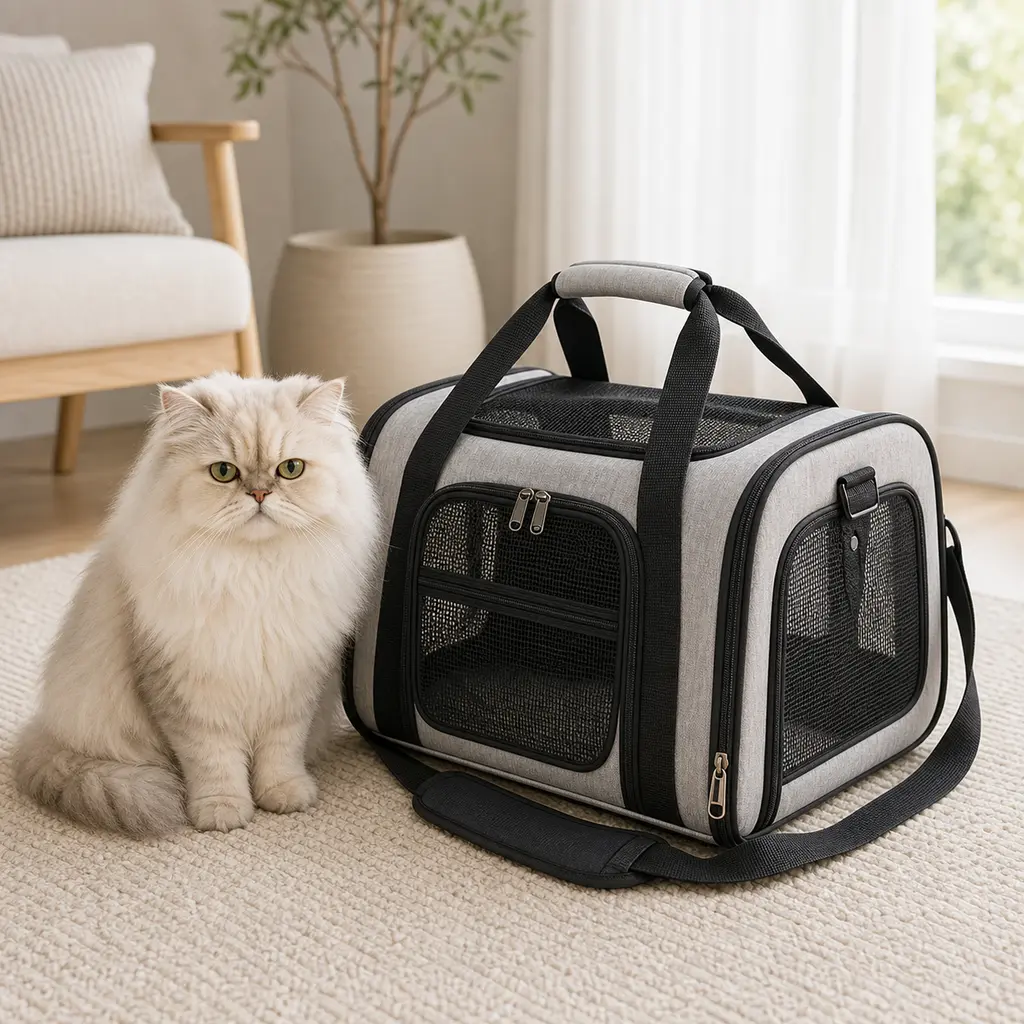
Soft-sided cat carrier for travel practice

Call when the spot changes

Call your veterinarian for spreading hair loss, open skin, swelling, odor, pain, fleas, heavy scratching, sudden smell change, or a cat who seems sick. Bring the photo timeline if you have one.

Treat symptom pages as triage support, not a diagnosis. Appetite, water, urine, stool, breathing, mobility, gums, pain signs, and energy matter more than one isolated symptom word.
Before you decide

  • Is the bald spot small and stable, or is it spreading?
  • Any redness, scabs, odor, flea dirt, swelling, pain, broken hairs, or overgrooming?
  • Did food, litter, cleaner, collar, parasite prevention, or grooming change recently?
  • Would photos help your veterinarian compare the spot over time?

Next best moves

  • Take a photo and note the exact location.
  • Check the skin gently during a calm grooming moment.
  • Call your veterinarian if the bald spot spreads, looks sore, smells bad, or comes with scratching, fleas, pain, or illness signs.

Quick cat question

When is a small bald spot a problem?

It is more concerning when it spreads, looks red or scabby, smells bad, feels painful, or comes with fleas, heavy scratching, overgrooming, swelling, or illness signs.

Should I put something on it?

Do not use random creams, oils, shampoos, or flea products without veterinary guidance because cats lick residue from their coat.

References