Updated

Preventive care

Flea and Tick Prevention for Cats

Use veterinarian-recommended flea and tick prevention made for cats, matched to your cat's age, weight, health, home, and exposure risk.

Parasite prevention should feel boring and safe. The big rule is simple: cats are not small dogs, and some dog parasite products can be dangerous for them.

Cat vet records and appointment questions

Choose cat-safe products only

Use products labeled for cats and recommended by your veterinarian. Never use a dog flea or tick product on a cat unless your vet specifically says it is safe for that cat.

Good preventive care is easier when records are current. Keep vaccine dates, parasite prevention, microchip details, dental notes, weight, and medication history where you can find them.


Cat in a calm home setup with bed, scratcher, and bowls

Match prevention to real exposure

Indoor cats can still be exposed through dogs, people, windows, shared hallways, visiting pets, or previous flea problems. Outdoor access, travel, and local risk can change the plan.

Start with the date and the record. If you know what was done, when it was done, and what is due next, the page can turn into a clear calendar step.

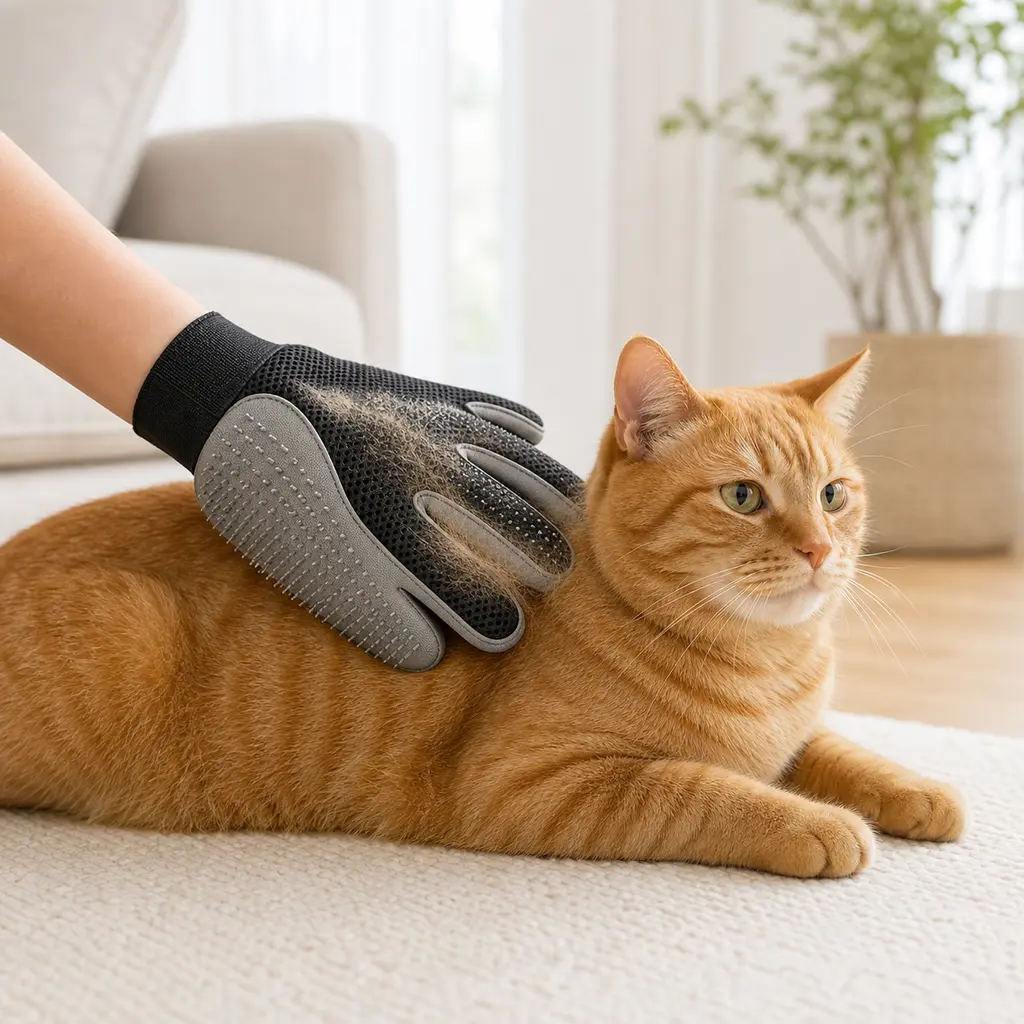
Cat grooming comb beside a long-haired cat

Check the coat during calm handling

A quick grooming pass can help you notice flea dirt, scabs, ticks, overgrooming, or irritated skin before the problem spreads through the home.

Put the next appointment, refill, or record update on the calendar while the details are fresh. Preventive pages should turn into one concrete admin step, not a vague intention.

Soft-sided cat carrier for travel practice

Use the product exactly as directed

Weight, age, health, timing, and household separation can matter. Ask your vet before using prevention on kittens, seniors, sick cats, pregnant cats, or cats who react to products.

Routine-care planning should move faster when a cat is overdue, on medication, losing weight, changing litter habits, or showing mouth pain, coughing, weakness, or persistent vomiting.

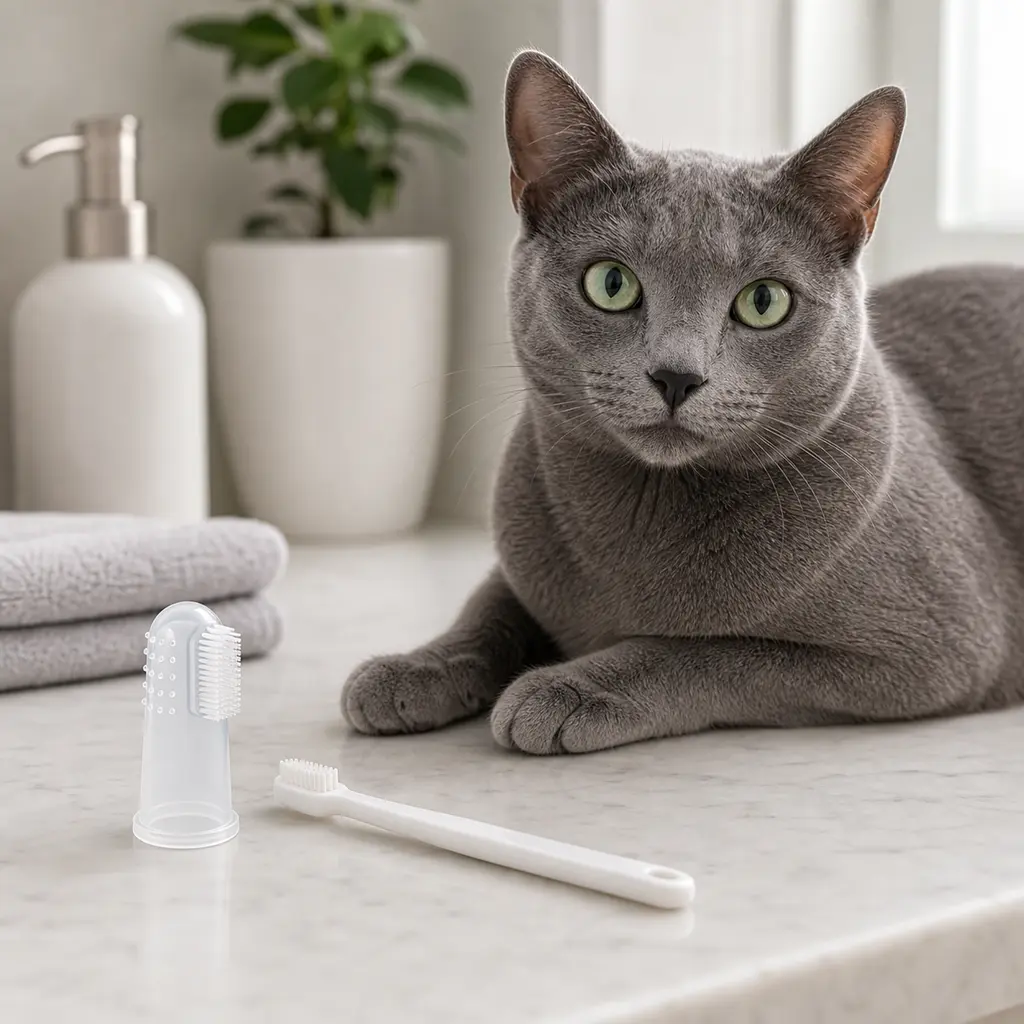
Cat dental finger brush for gentle mouth-care routines

Treat home patterns too

If fleas are already present, prevention alone may not fix the house. Ask your vet how to handle all pets, bedding, vacuuming, and safe environmental steps.

Good preventive care is easier when records are current. Keep vaccine dates, parasite prevention, microchip details, dental notes, weight, and medication history where you can find them.

Before you decide

  • Is the product specifically labeled for cats?
  • Does your vet know your cat's age, weight, and health history?
  • Are there dogs, visiting pets, or outdoor exposure?
  • Are skin irritation, scabs, or flea dirt already present?

Next best moves

  • Ask your vet which prevention fits your cat.
  • Do not use dog products on cats.
  • Check the coat and bedding regularly.

Quick cat question

How do I prevent ticks and fleas on cats?

Use veterinarian-recommended flea and tick prevention made for cats, matched to your cat's age, weight, health, home, and exposure risk.

When should I get help?

Call your veterinarian if the change is sudden, painful, repeated, worsening, or paired with appetite, litter, breathing, movement, or behavior changes.

References