Updated

Cat health

My cat smells bad suddenly: what could cause it?

A sudden bad smell can come from the mouth, rear end, ears, skin, urine, stool, a wound, or something your cat touched, so use the odor location and behavior changes to narrow it down.

Do not cover the smell with perfume or a harsh bath. Find where it is coming from, check whether your cat seems painful or sick, and keep notes if the odor returns.

Cat vet records and appointment questions

Find where the smell is strongest

Smell near the mouth, ears, coat, rear end, paws, and bedding without wrestling your cat. Bad breath points one direction; urine, stool, skin odor, or an ear smell points somewhere else.

Treat symptom pages as triage support, not a diagnosis. Appetite, water, urine, stool, breathing, mobility, gums, pain signs, and energy matter more than one isolated symptom word.
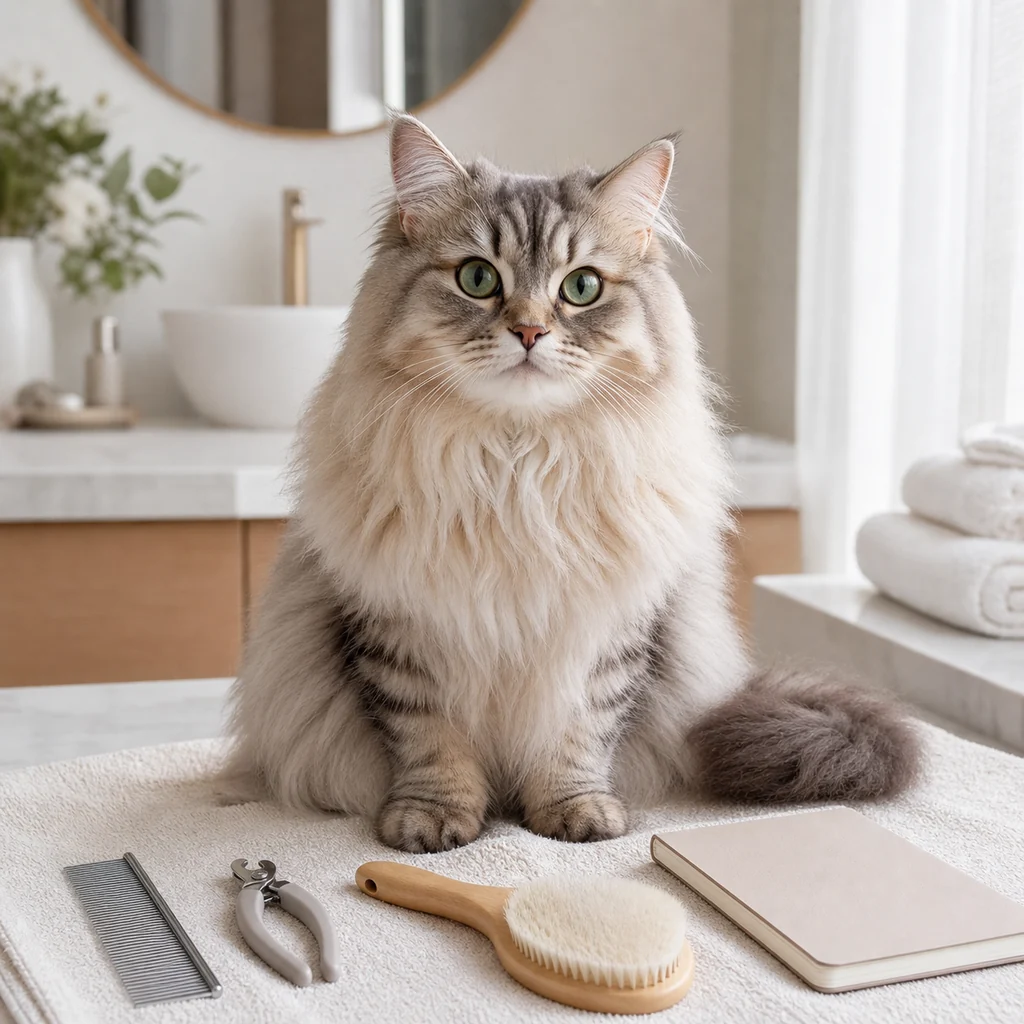
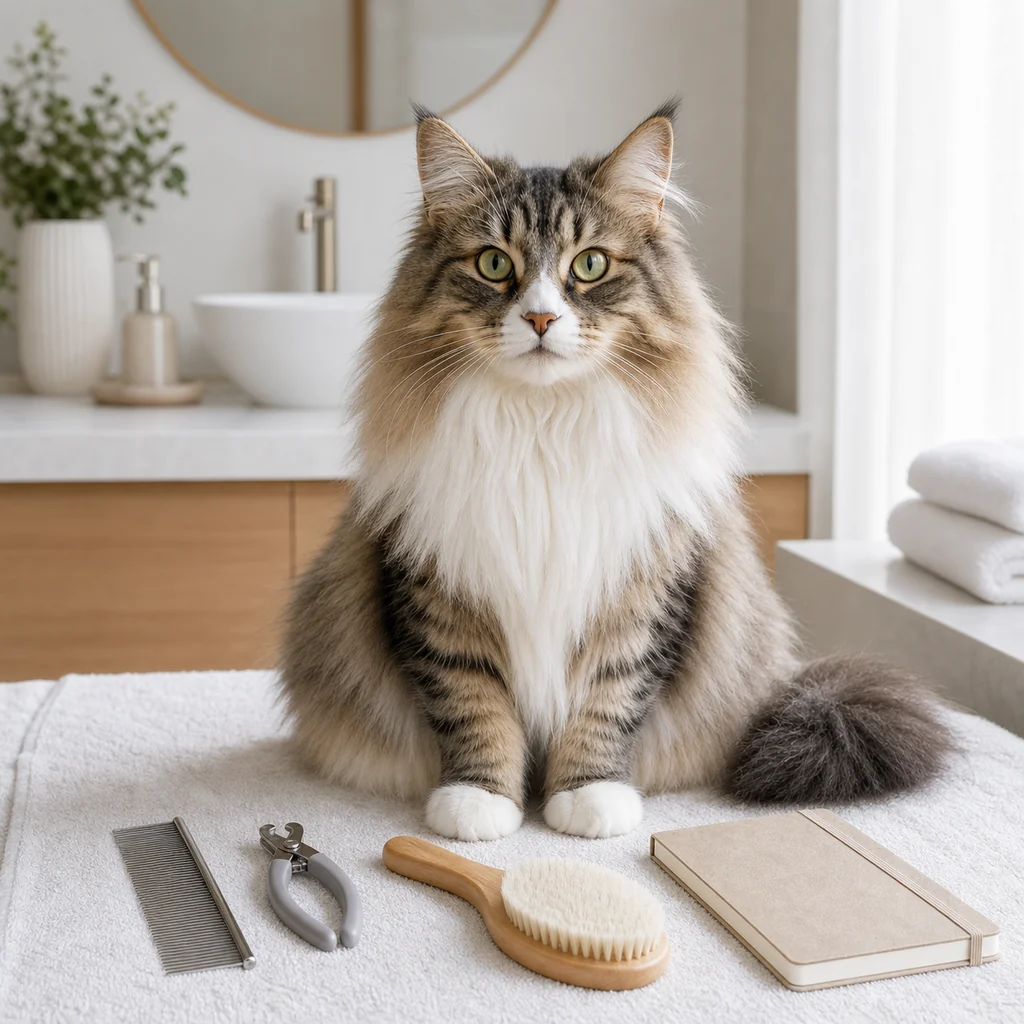
Cat beside grooming and health care tools

Look for pain or mess clues

Watch for drooling, dropped food, red gums, head shaking, scratching, mats, damp fur, stool stuck near the rear, urine smell, wounds, swelling, hiding, or a cat who suddenly dislikes being touched.

Start by deciding whether this can wait. Breathing trouble, urine changes, appetite loss, severe pain, collapse, toxin exposure, or sudden decline means the next step is a vet call.

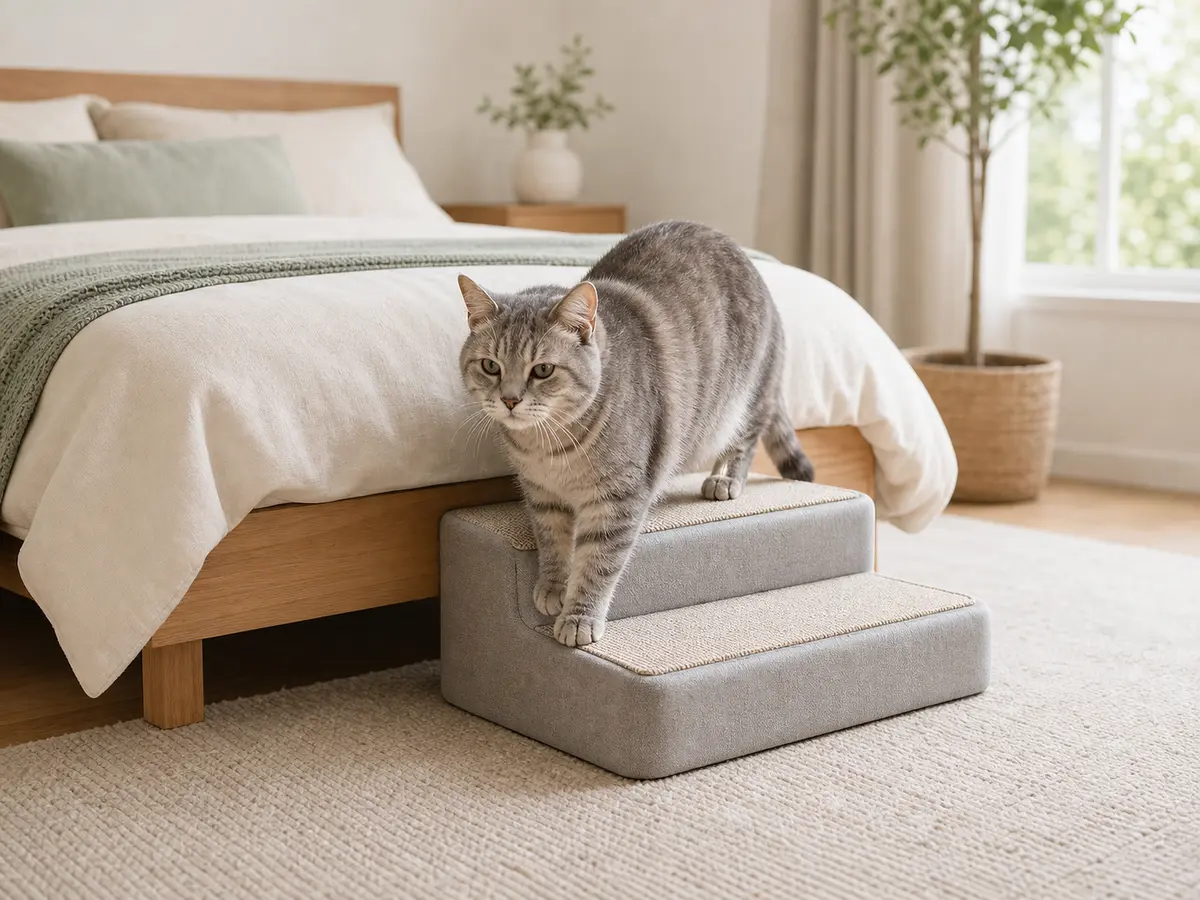
Senior cat using low steps to reach a bed safely

Clean gently only when the source is obvious

If your cat brushed against something harmless, a gentle wipe may be enough. Avoid strong shampoos, oils, sprays, or cleaners your cat can lick, especially when you do not know what caused the smell.

Write down timing, frequency, appetite, litter use, breathing, movement, and any trigger you saw. A short video is often more useful to your veterinarian than a long description.

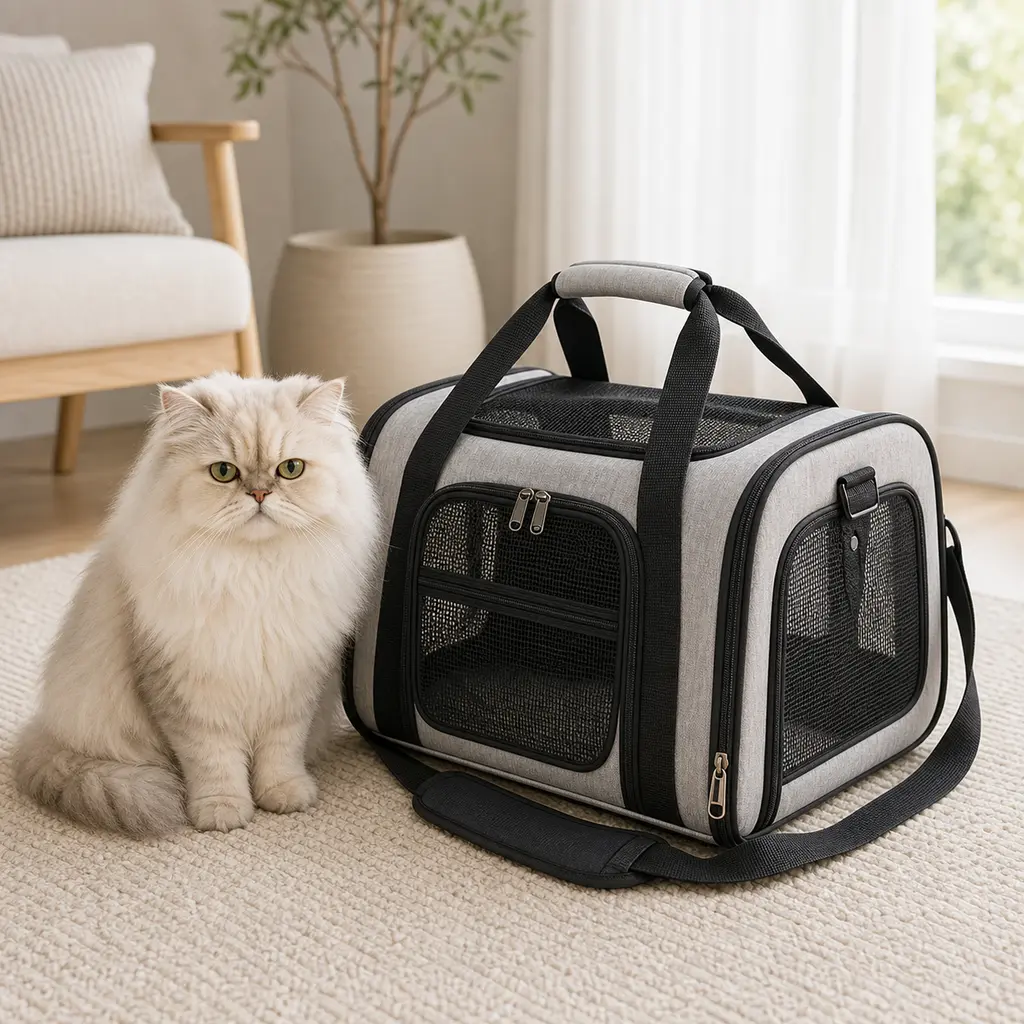
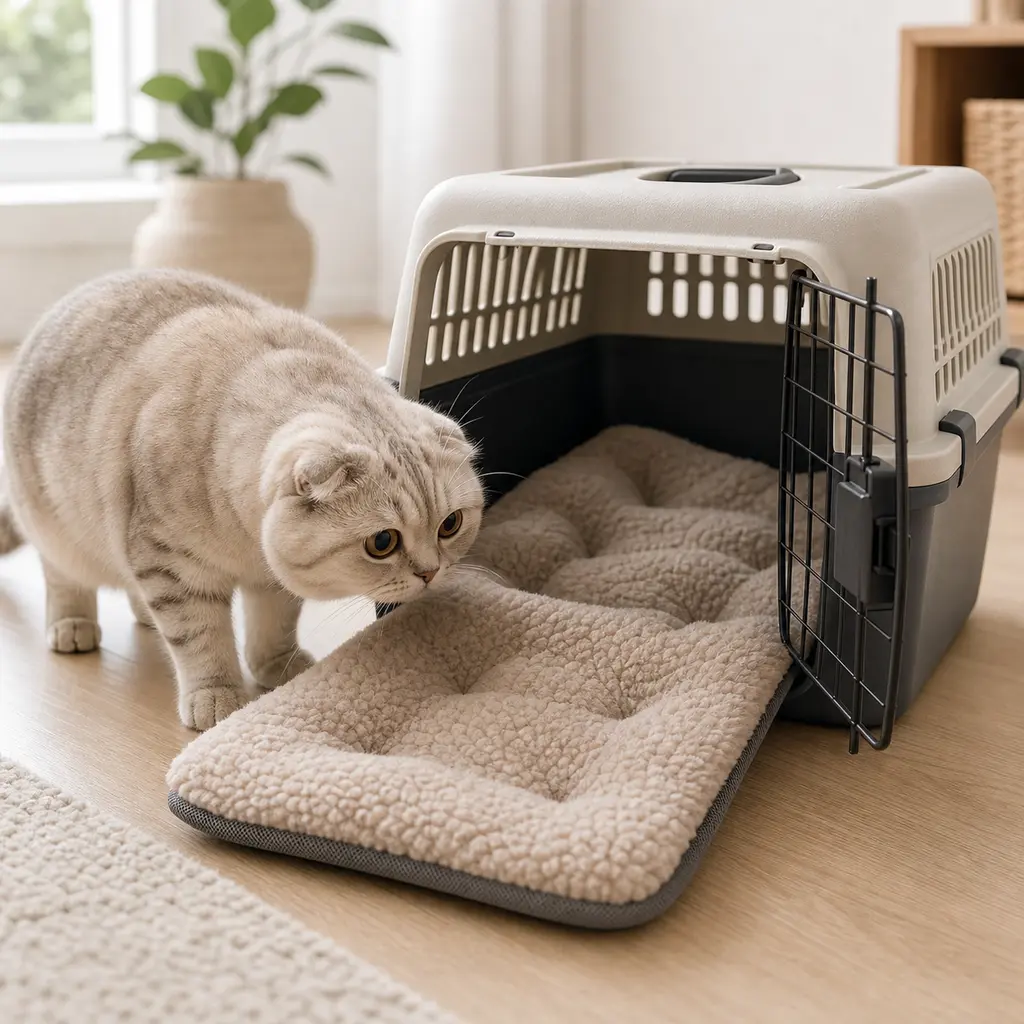
Soft-sided cat carrier for travel practice

Call when the smell comes with symptoms

Call your veterinarian for sudden strong odor with pain, swelling, wounds, ear discharge, drooling, appetite loss, urine changes, stool problems, heavy scratching, or a cat who seems sick.

Do not monitor at home when breathing is hard, gums look pale or blue, the cat cannot stand, pain is obvious, appetite stops, urination changes, or symptoms escalate.

Before you decide

  • Where is the bad smell strongest: mouth, ears, skin, rear, paws, bedding, or litter?
  • Did the odor appear suddenly or keep coming back?
  • Any drooling, scratching, wounds, swelling, urine changes, stool mess, or appetite change?
  • Could your cat have rolled in, stepped in, or licked something unsafe?

Next best moves

  • Locate the odor before bathing or spraying anything.
  • Use only gentle cleaning when the source is obvious and safe.
  • Call your vet if the smell is strong, sudden, repeated, painful, or paired with illness clues.

Quick cat question

My cat smells bad suddenly: what could cause it?

A sudden bad smell can come from the mouth, rear end, ears, skin, urine, stool, a wound, or something your cat touched, so use the odor location and behavior changes to narrow it down.

When should I get help?

Call your veterinarian for pain, spreading hair loss, open skin, swelling, strong odor, heavy scratching, fleas, sudden smell changes, or a cat who seems sick.

References