A new tucked-away nap can be harmless, especially after noise or a household change. But if your cat is hiding more than usual or also eats less, moves differently, stops grooming, or changes litter-box habits, arrange a veterinary check.
Start with what is different from your cat's normal day. A comfortable new cupboard nap and a cat who withdraws because they feel unwell can look similar until you check meals, movement, litter, and response to you.
Decide whether this is a nap or withdrawal
A cat who discovers a warm drawer, quiet shelf, or covered bed may still come out for meals, greet you, stretch comfortably, groom, and use the litter box normally. Withdrawal looks different: your cat stays hard to reach, avoids familiar contact, or no longer appears for routines they usually enjoy. That change matters more than the hiding place itself.
Check the ordinary parts of the day
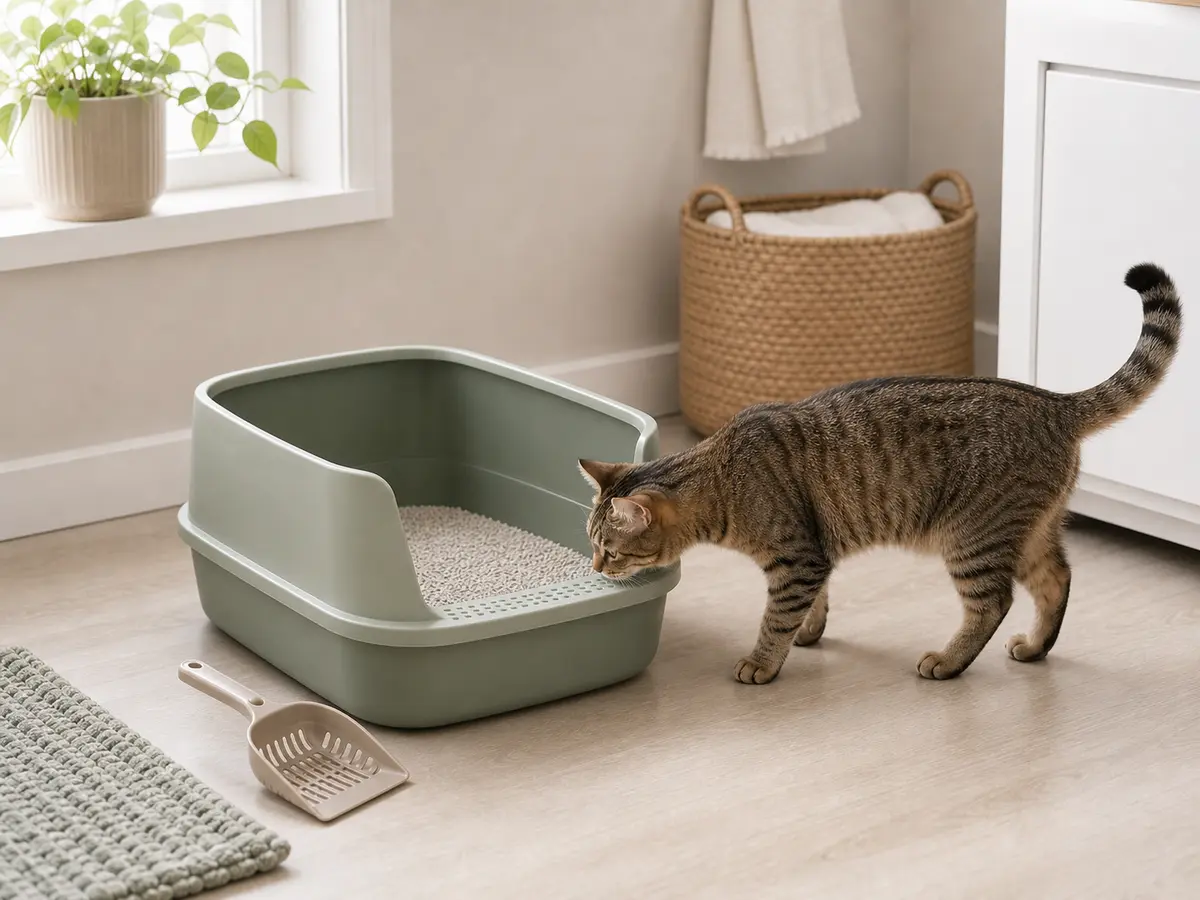
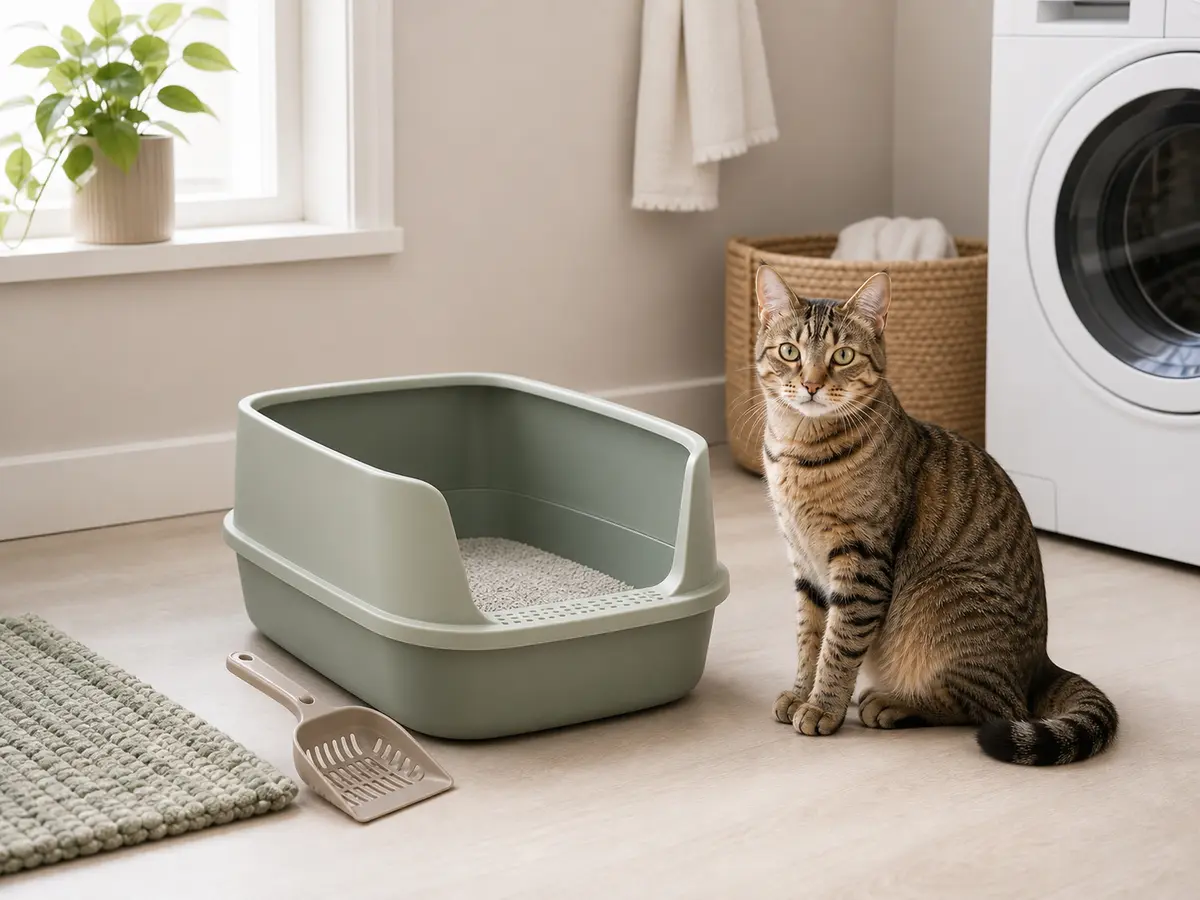
Look at the food bowl, water, litter box, and favorite walking routes. Notice whether your cat chews normally, jumps without hesitation, urinates and passes stool, and settles in more than one position. A quick written note is useful because several small changes can be easier to recognize together than one at a time.
Look for a reason the old spot stopped working
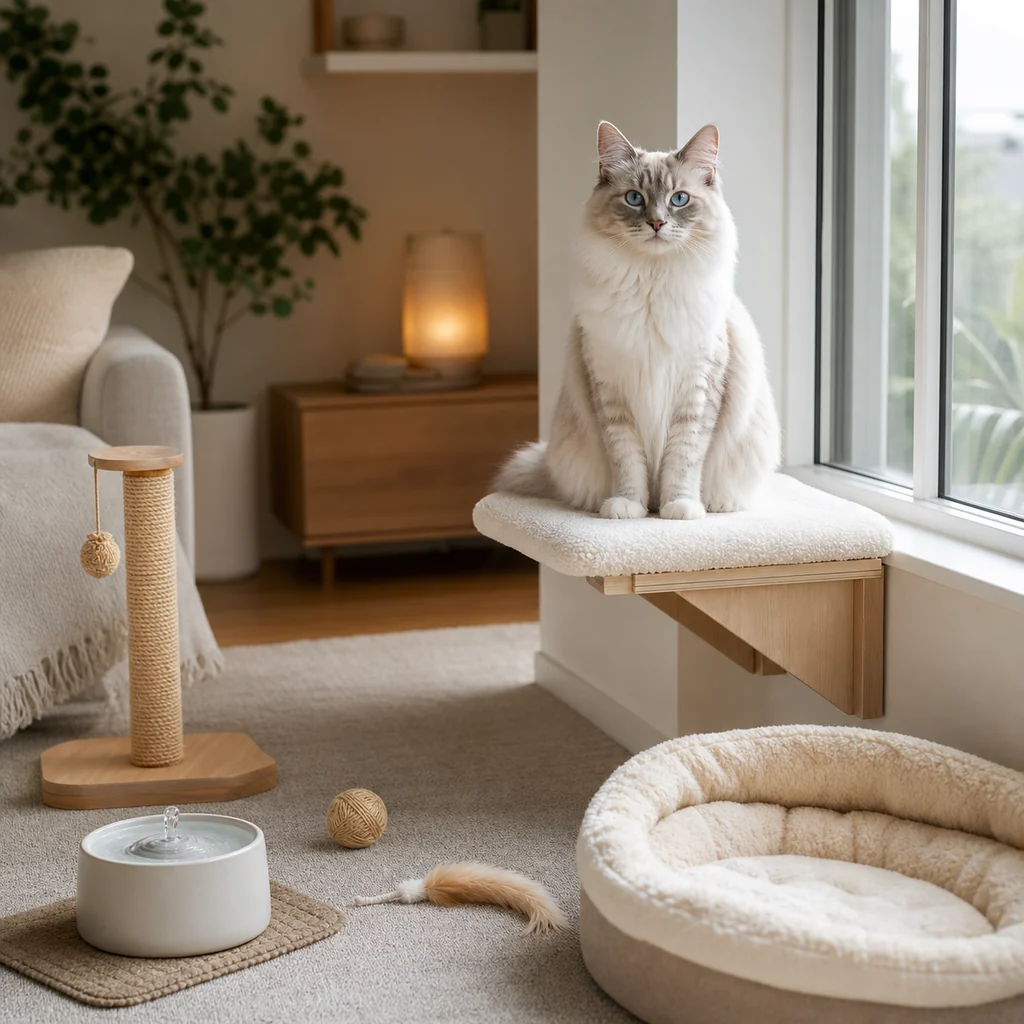
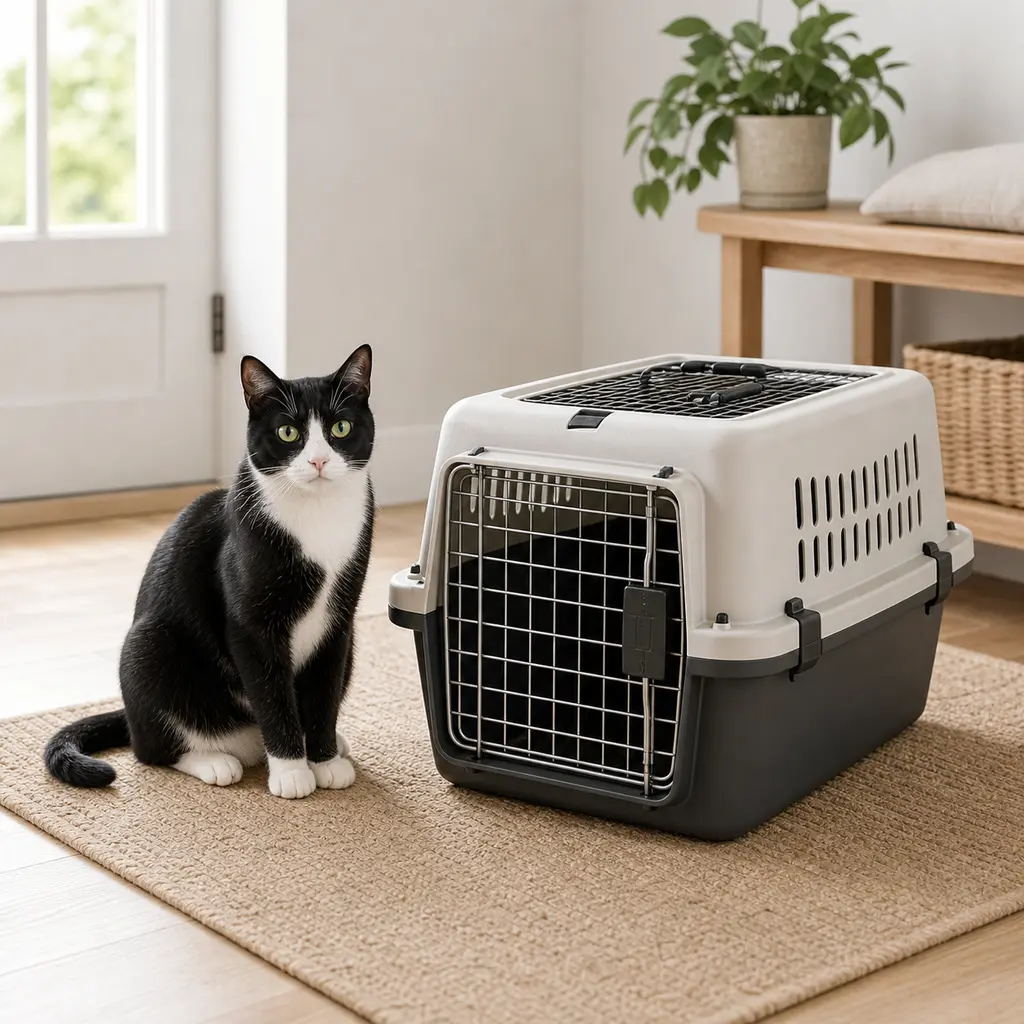
Visitors, building noise, another animal, a cold draft, a hot room, moved furniture, or competition at a favorite bed can send a healthy cat somewhere quieter. Give your cat a covered retreat with an easy exit, and make sure another pet cannot block the route to food, water, or litter. Do not drag your cat out to prove the room is safe.
Treat sudden hiding as a possible pain clue
Cats often show pain or illness through small behavior changes rather than an obvious cry. Hiding more, sleeping more, moving stiffly, crouching, eating less, looking unkempt, or becoming less tolerant of touch deserves a veterinary conversation. This is especially important for an older cat or when the change appeared without an obvious household trigger.
Make the vet call easier
Tell the clinic when the hiding started, where your cat sleeps now, what changed at home, and whether appetite, water, urine, stool, breathing, movement, grooming, or weight changed too. Seek urgent care for breathing difficulty, collapse, severe weakness, inability to urinate, obvious pain, or a cat who has stopped eating.
Before you decide
Does your cat still appear for meals and familiar routines?
Are eating, drinking, urine, stool, breathing, movement, and grooming normal?
Did noise, visitors, another pet, temperature, or furniture change?
Is your cat hiding more than usual, hard to reach, painful, weak, or off food?
Next best moves
Give your cat a quiet covered retreat with an easy exit.
Check meals, litter, movement, grooming, and response to you today.
Arrange a veterinary check for sudden or persistent withdrawal, especially with any other change.
Quick cat question
Is it normal for a cat to find a new hidden sleeping spot?
It can be. The reassuring pattern is a cat who still eats, uses the litter box, moves comfortably, grooms, and joins familiar routines.
When should I call the veterinarian about hiding?
Call when hiding is sudden, persistent, or paired with appetite, litter, breathing, movement, grooming, weight, pain, or energy changes.