Most cats should see a veterinarian at least yearly, and kittens, seniors, new adoptions, or cats with symptoms may need a closer schedule.
Use the schedule as a planning tool, not a calendar rule. The real value is tracking weight, teeth, appetite, litter habits, pain clues, parasite prevention, age changes, and the quiet problems cats can hide at home.
Plan by age and history
A kitten, newly adopted cat, healthy adult, senior, and cat with an ongoing condition should not all be treated like the same appointment. Ask your veterinarian what appointment rhythm fits your cat's age, records, and current health.
Good preventive care is easier when records are current. Keep vaccine dates, parasite prevention, microchip details, dental notes, weight, and medication history where you can find them.
Use the visit for the whole cat
Bring questions about weight, teeth, gums, coat, pain clues, parasite prevention, litter-box changes, appetite, and behavior. A cat can seem normal on the couch and still show early clues during an exam.
Start with the date and the record. If you know what was done, when it was done, and what is due next, the page can turn into a clear calendar step.
Bring daily-life notes
Write down food, appetite, water interest, vomiting, stool, urine, scratching, hiding, play, medications, supplements, and what changed since the last visit. Specific notes help your vet see the cat who lives at home, not just the cat in the appointment room.
Put the next appointment, refill, or record update on the calendar while the details are fresh. Preventive pages should turn into one concrete admin step, not a vague intention.
Practice the carrier before appointment day
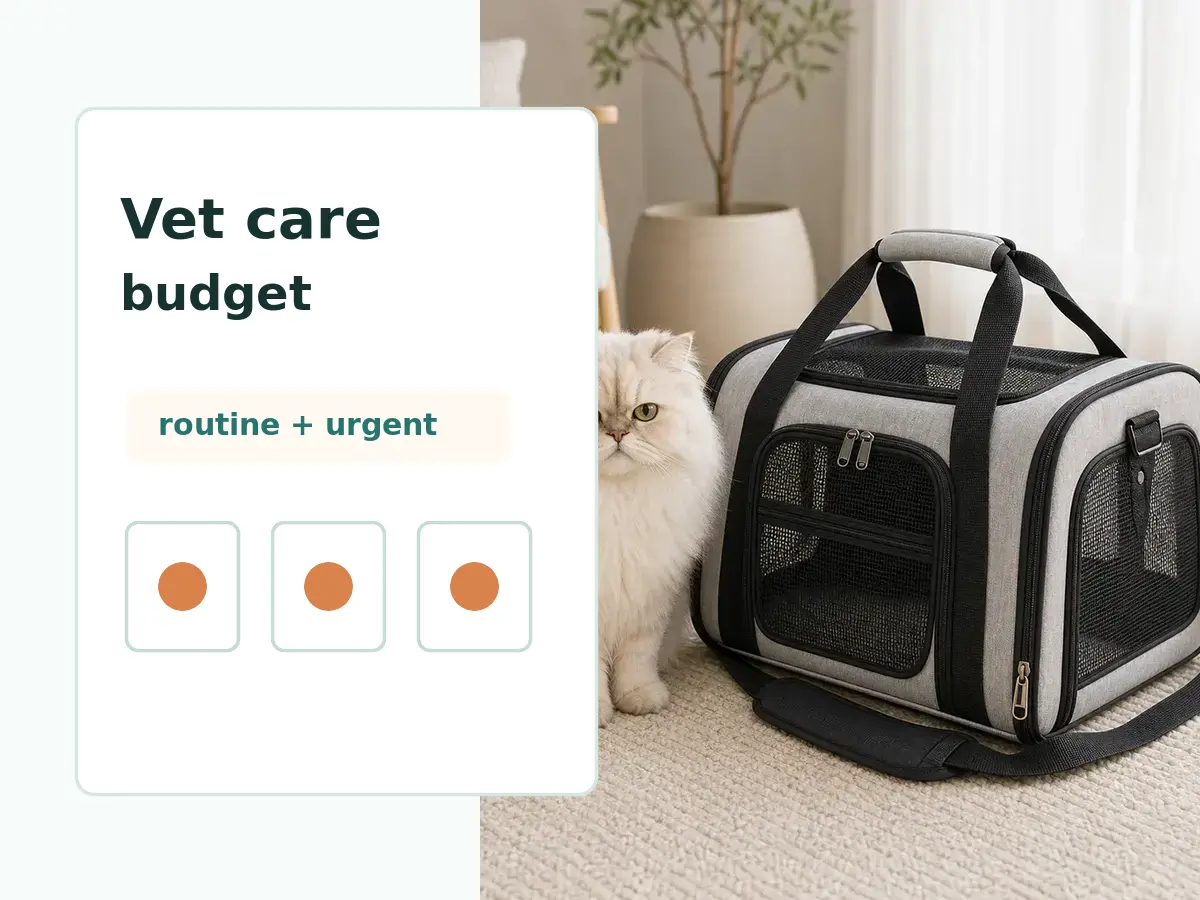
Leave the carrier out sometimes, add a familiar mat, and reward sniffing or stepping inside. When the carrier is part of normal life, vet-day handling usually starts with less panic.
Routine-care planning should move faster when a cat is overdue, on medication, losing weight, changing litter habits, or showing mouth pain, coughing, weakness, or persistent vomiting.
Do not wait for the scheduled date
Call sooner if your cat stops eating, cannot urinate, strains in the litter box, struggles to breathe, collapses, may have eaten something toxic, seems severely painful, or has a sudden major behavior change.
Put the next appointment, refill, or record update on the calendar while the details are fresh. Preventive pages should turn into one concrete admin step, not a vague intention.
Before you decide
Is your cat a kitten, adult, senior, newly adopted, or managing a health issue?
Do you have microchip, medication, adoption, and previous-clinic records ready?
Have appetite, weight, water, litter, teeth, coat, or behavior changed?
Would any symptom make this a call-now problem instead of a routine visit?
Next best moves
Ask your veterinarian what schedule fits your cat's age and health.
Keep vet records, policy notes, and microchip details in one place.
Practice one calm carrier step before the next appointment.
Quick cat question
How often should cats go to the vet?
Most cats should see a veterinarian at least yearly, and kittens, seniors, new adoptions, or cats with symptoms may need a closer schedule.
When should I get help?
Call your veterinarian if the change is sudden, painful, repeated, worsening, or paired with appetite, litter, breathing, movement, or behavior changes.