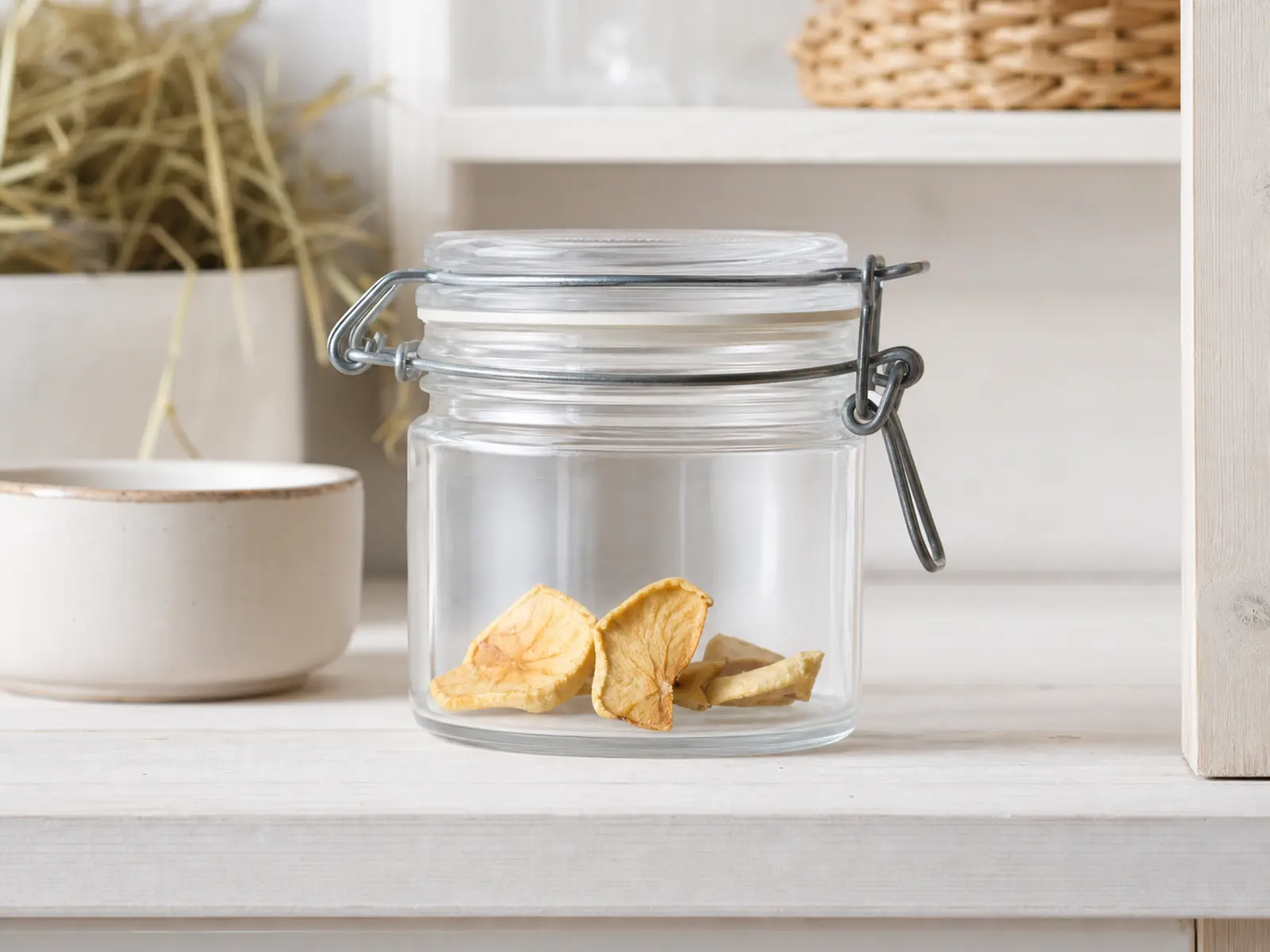
Give treats a job
Use treats to reward a specific action, slow a fast meal, or make handling easier. Random handfuls are harder to count and easier to overuse.
Updated
Treats & puzzles
Treats work best when they buy a useful moment, not when they quietly become another meal.
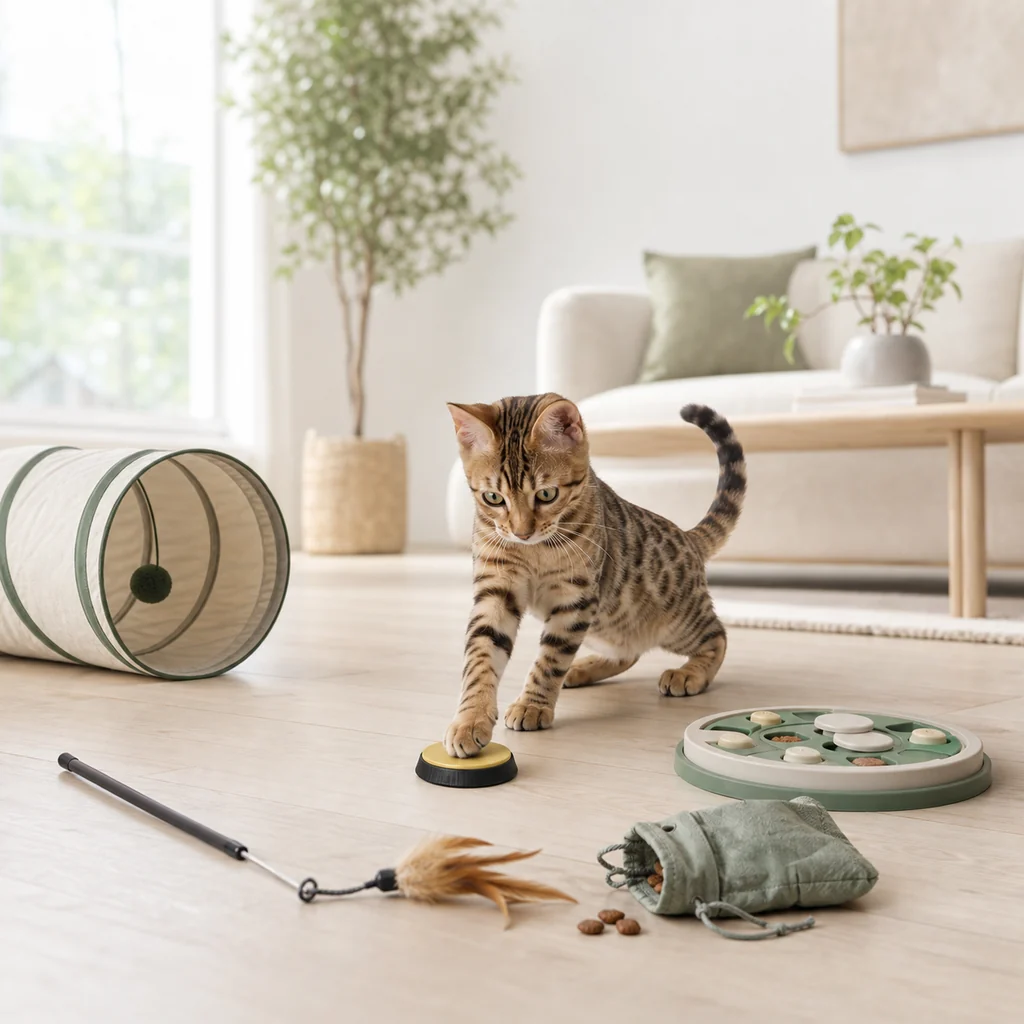
Use treats for training, grooming breaks, medicine routines, play, or slower eating. Keep the amount small, the puzzle winnable, and the main diet easy to measure.
Use treats to reward a specific action, slow a fast meal, or make handling easier. Random handfuls are harder to count and easier to overuse.
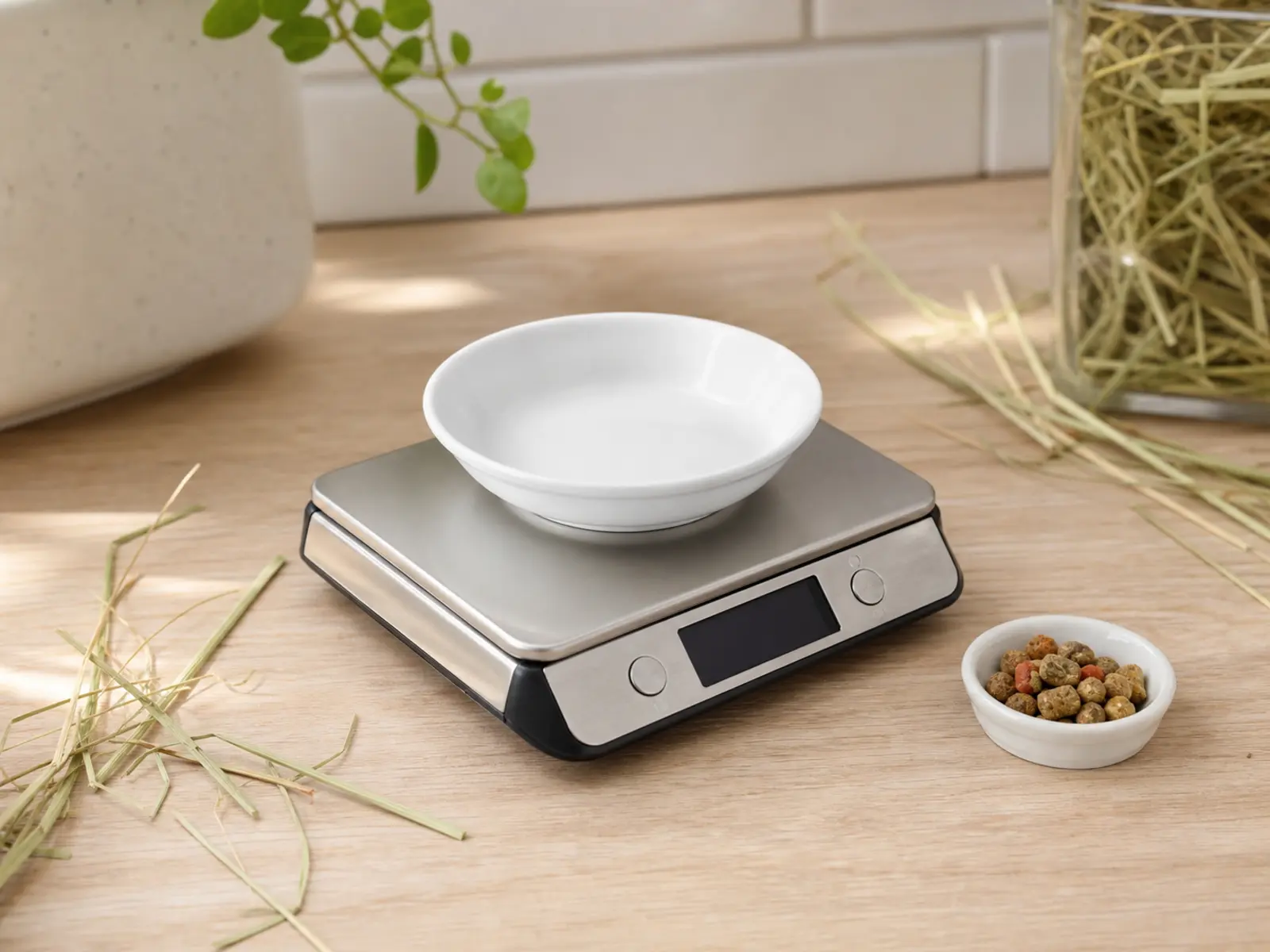
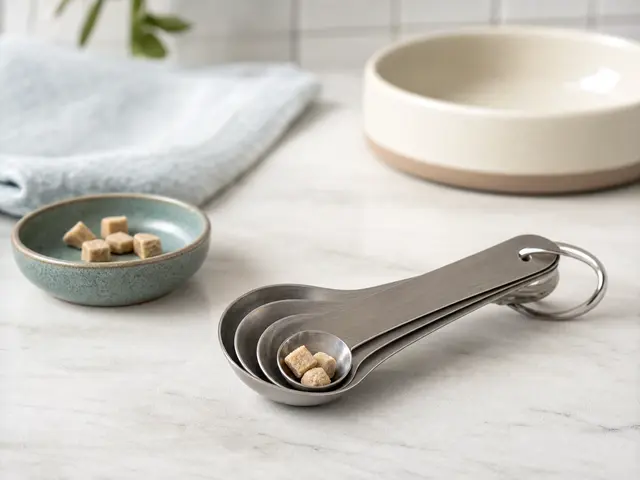
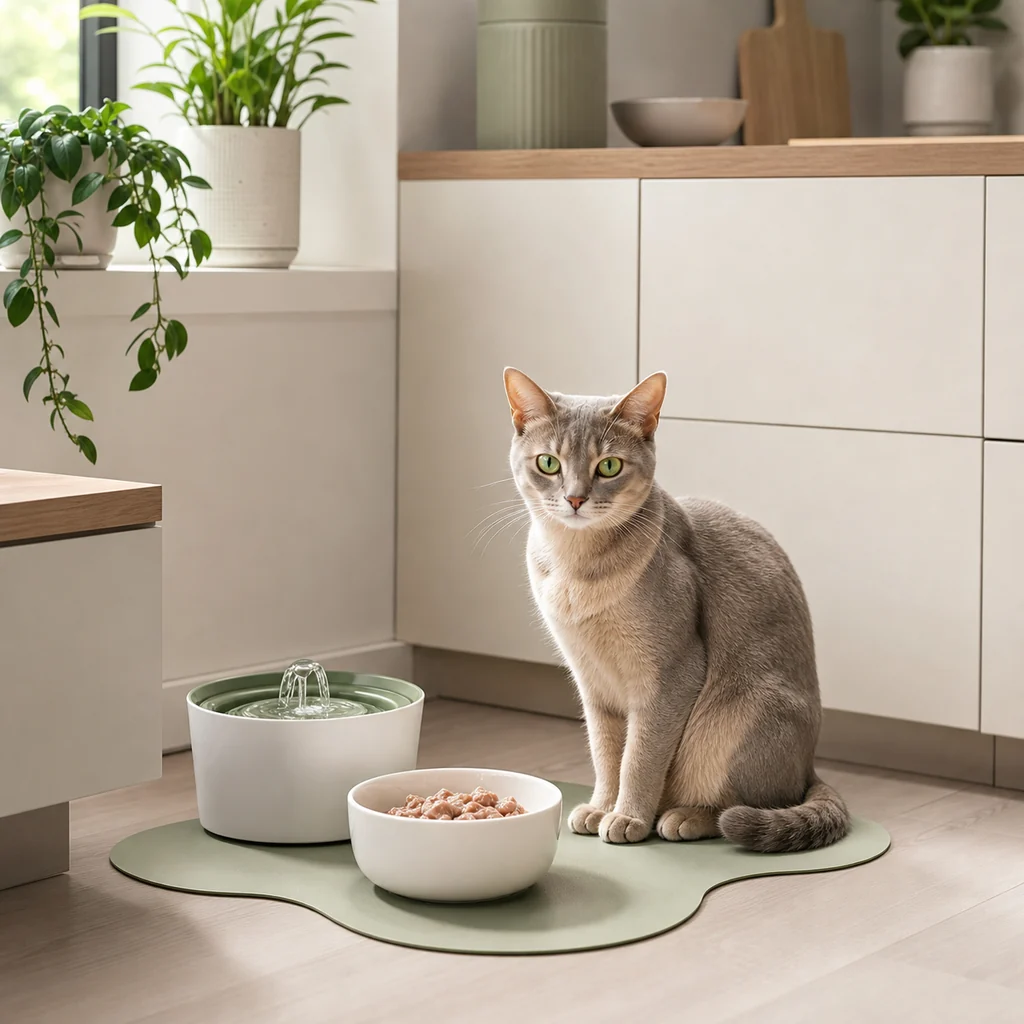
Treats, toppers, puzzle food, and training bites all come from the same daily budget. Measure the normal meal before adding extras.
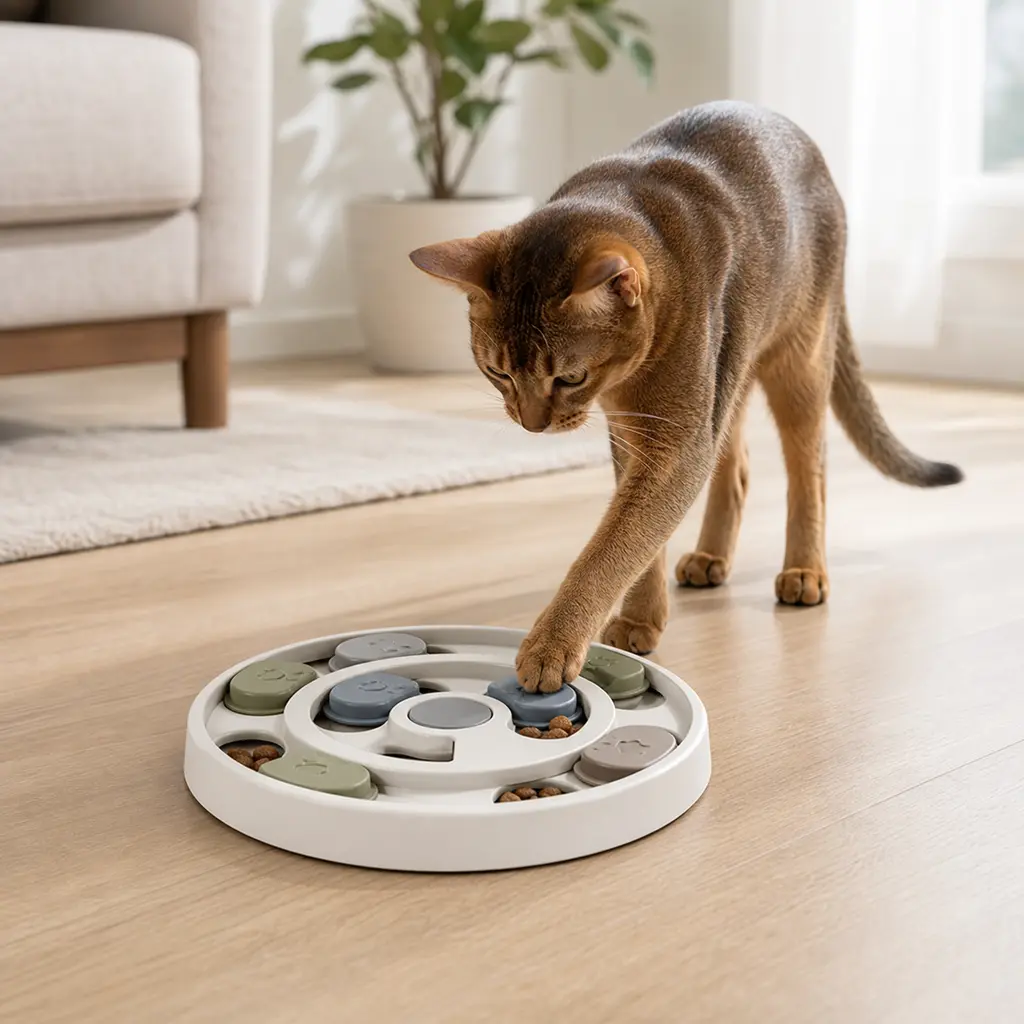
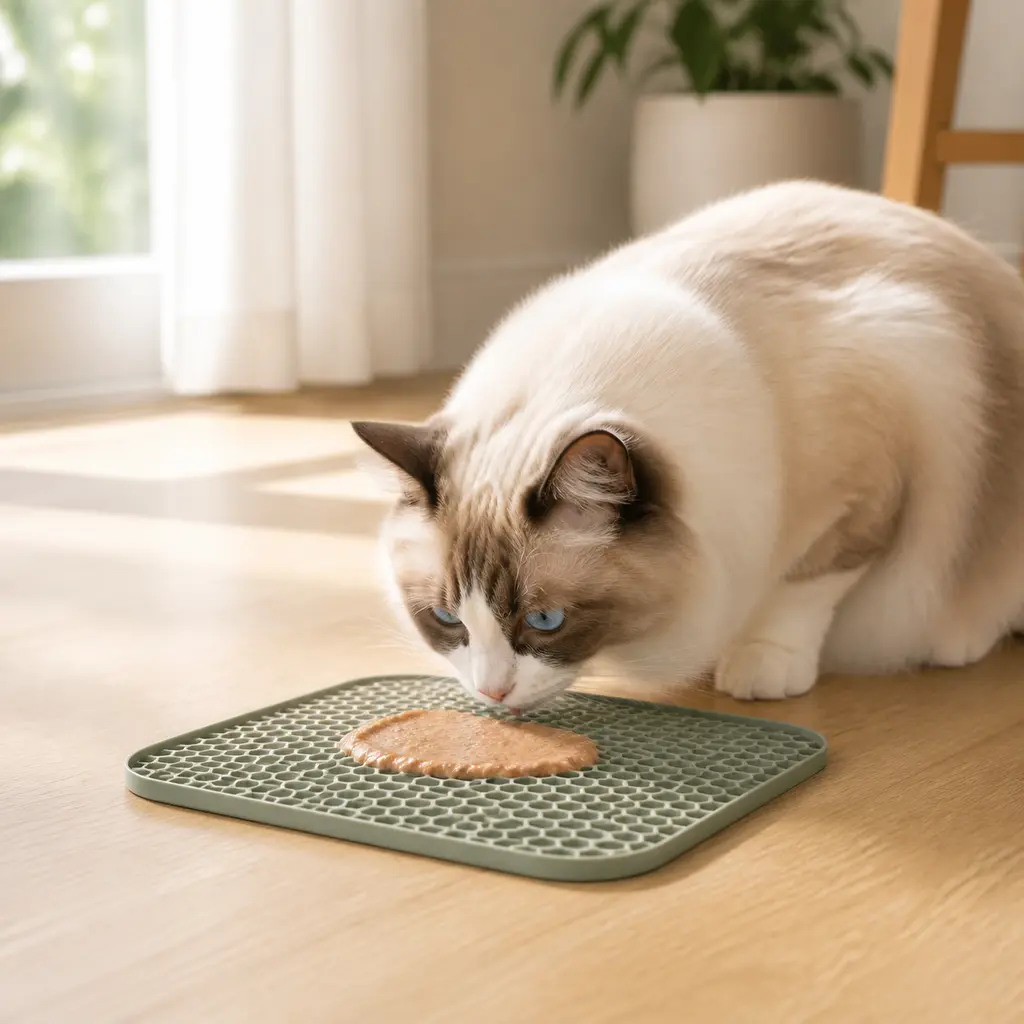
A good puzzle should slow eating or add enrichment without making dinner frustrating. Start with easy wins before increasing difficulty.
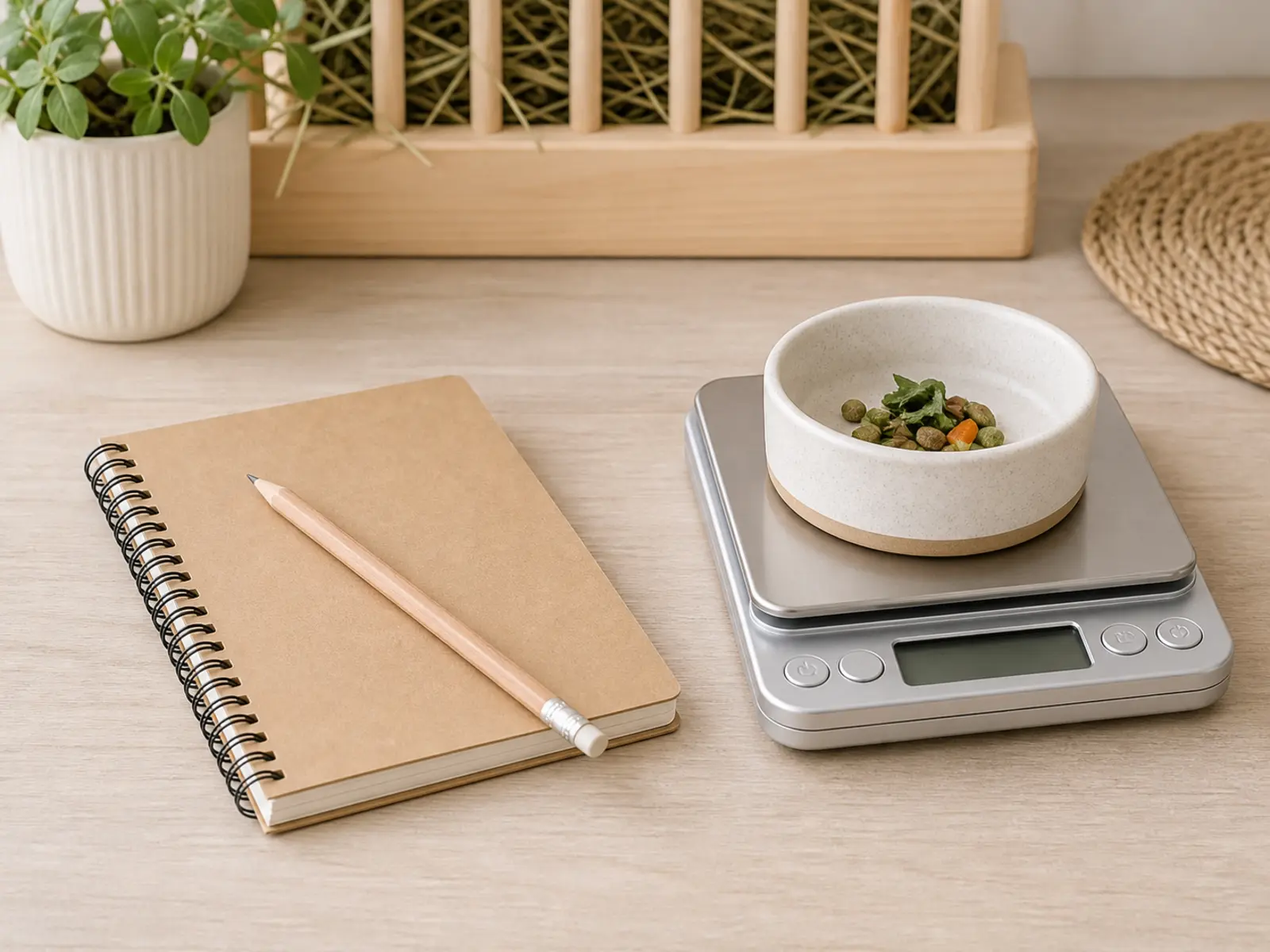
If treats are the only food your cat wants, or appetite changes suddenly, treat that as health information and call your veterinarian.
Treat gear should make rewards smaller, slower, and easier to count.
Affiliate links: Furball Cove may earn from qualifying purchases at no extra cost to you.
Keep treats small and count them with the day's food. Ask your veterinarian for a calorie target if weight is changing.
Make the puzzle easier or stop using it. A puzzle should make meals calmer or more interesting, not stressful.