Measure the normal day
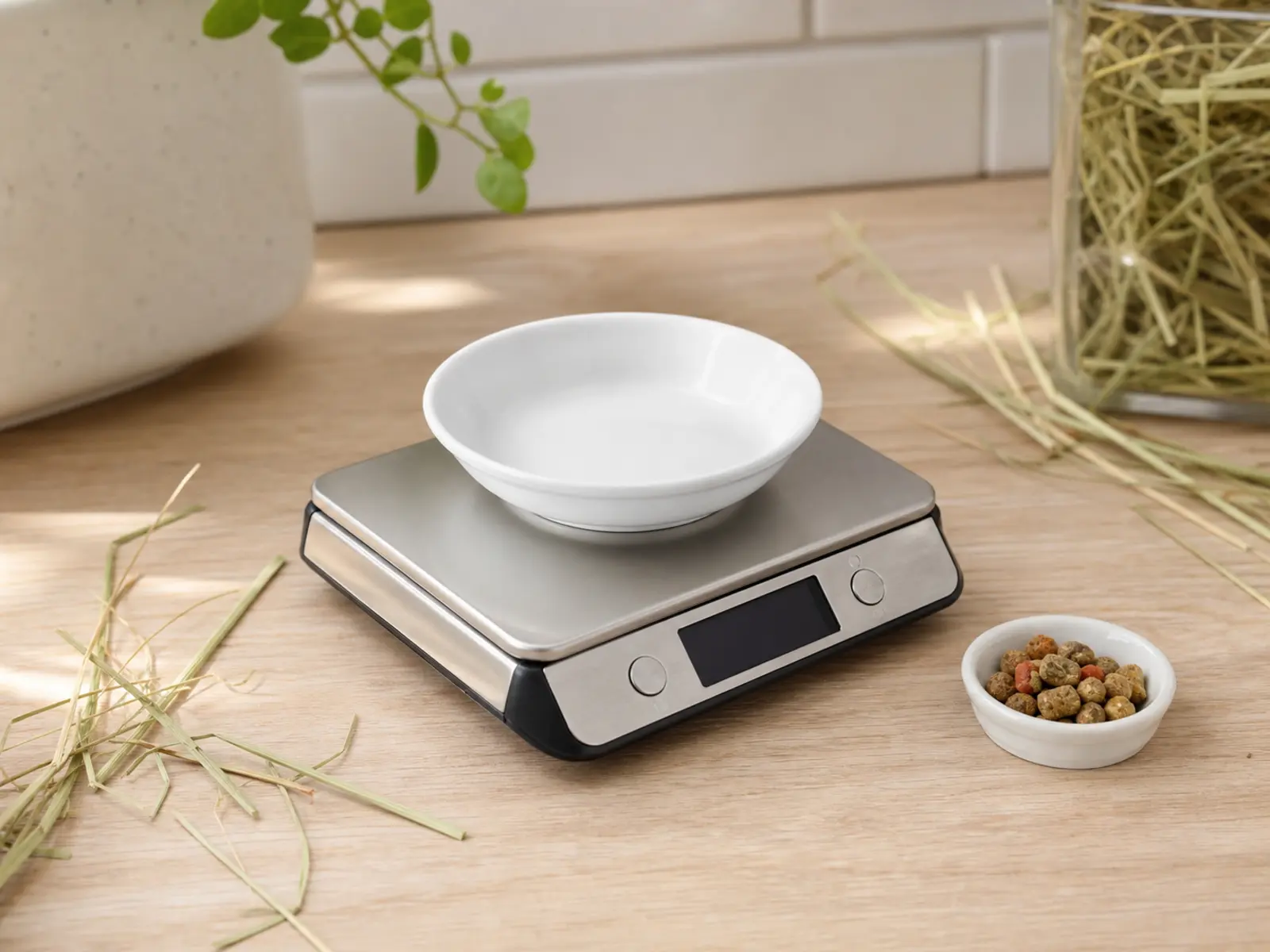
Use the feeding guide as a starting point, then measure with a scoop or scale. Free-feeding can be convenient, but it hides slow weight gain and appetite changes.
Updated
Dry food
Dry food can work well when it is measured, fresh, and backed by water your cat actually uses.
Kibble is easiest to misread when the bowl is always full. Keep the amount visible, store it like food, and use puzzles only when they make meals calmer rather than harder.
Use the feeding guide as a starting point, then measure with a scoop or scale. Free-feeding can be convenient, but it hides slow weight gain and appetite changes.
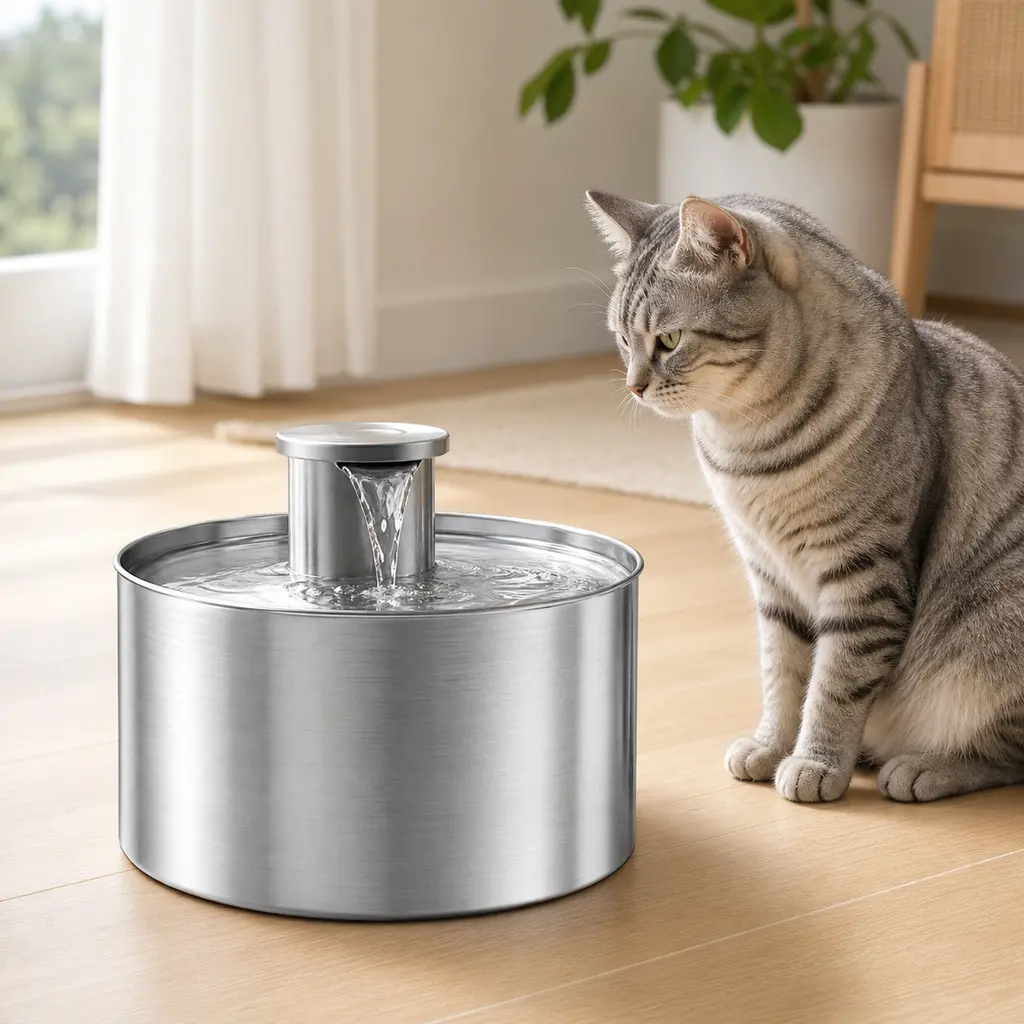
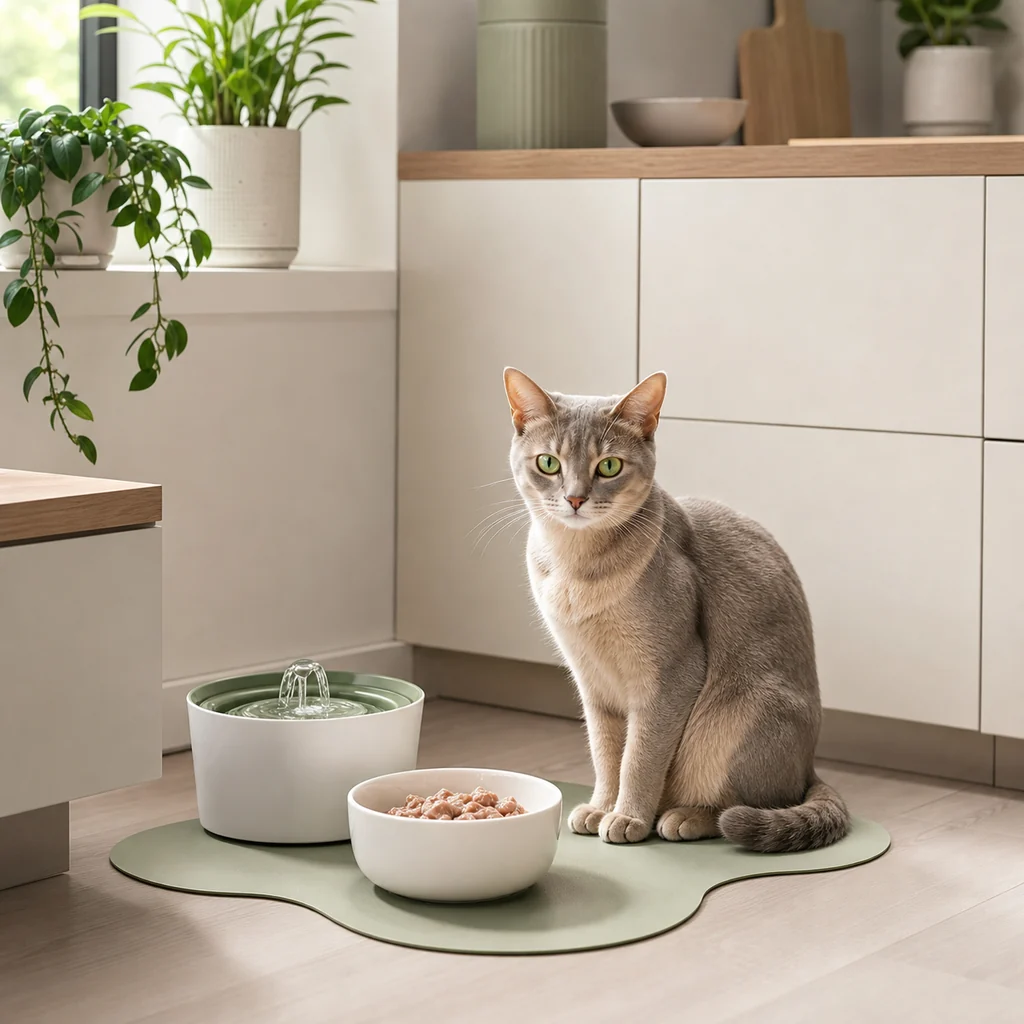
Cats eating mostly kibble still need clean, easy water. Put water away from litter, refresh it often, and try a fountain only if you can keep it clean.
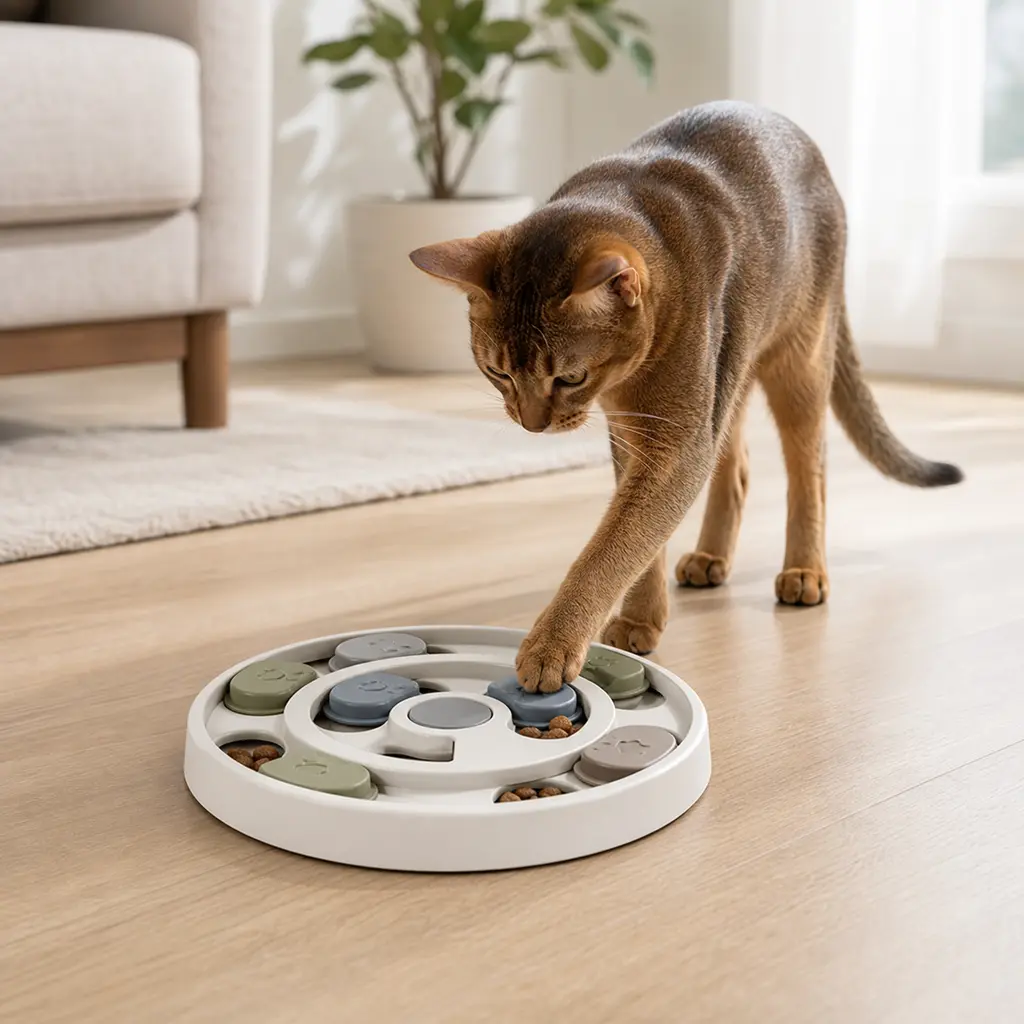
A puzzle feeder can slow gulping and add a small job to dinner. Start easy. If your cat quits or gets tense, go back to a simpler bowl.
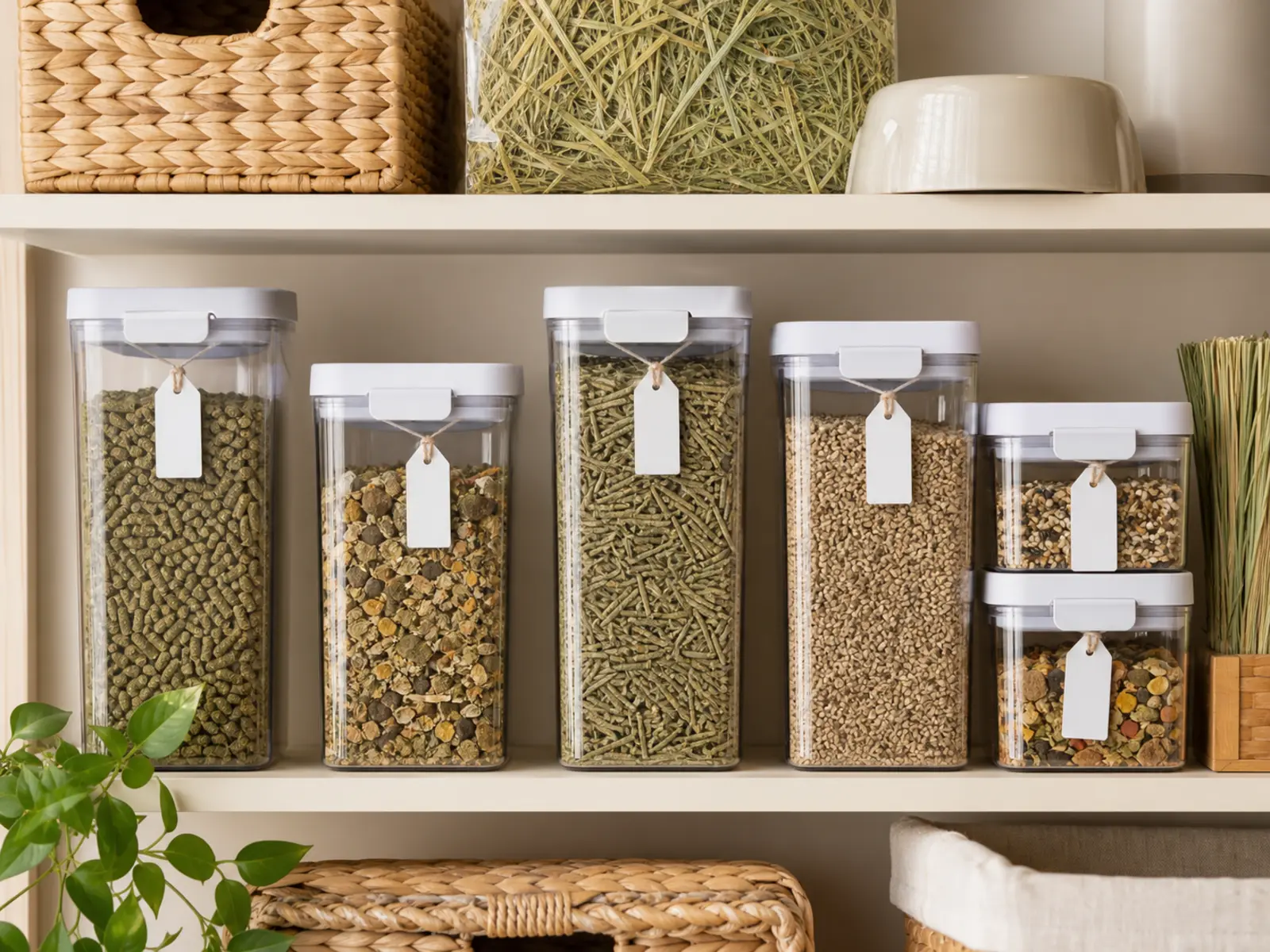
Close the bag, keep it dry, and avoid buying more than your cat can finish while it still smells fresh. A sudden refusal of familiar food deserves attention.
Dry-food gear should make portions, freshness, water, or pacing easier to manage.
Affiliate links: Furball Cove may earn from qualifying purchases at no extra cost to you.
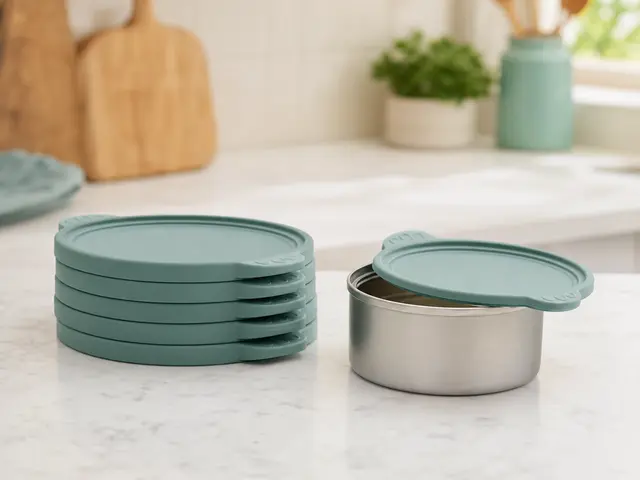
Keep kibble sealed and easier to date after opening.
Use it when weight or portions need a clearer number.
A simple puzzle can slow fast eating without changing the food.
Keeps water visible for cats who eat mostly dry food.
Some cats do well on complete dry food, but water access and portion control matter. Ask your vet if your cat has urinary, kidney, weight, or appetite concerns.
Only if the amount is still controlled. A bottomless bowl can hide appetite changes and slow weight gain.