

Updated
Cat breed guide
Scottish Fold Longhair
Scottish Fold Longhair adds a soft coat to the breed's round look, gentle mood, and careful handling needs.
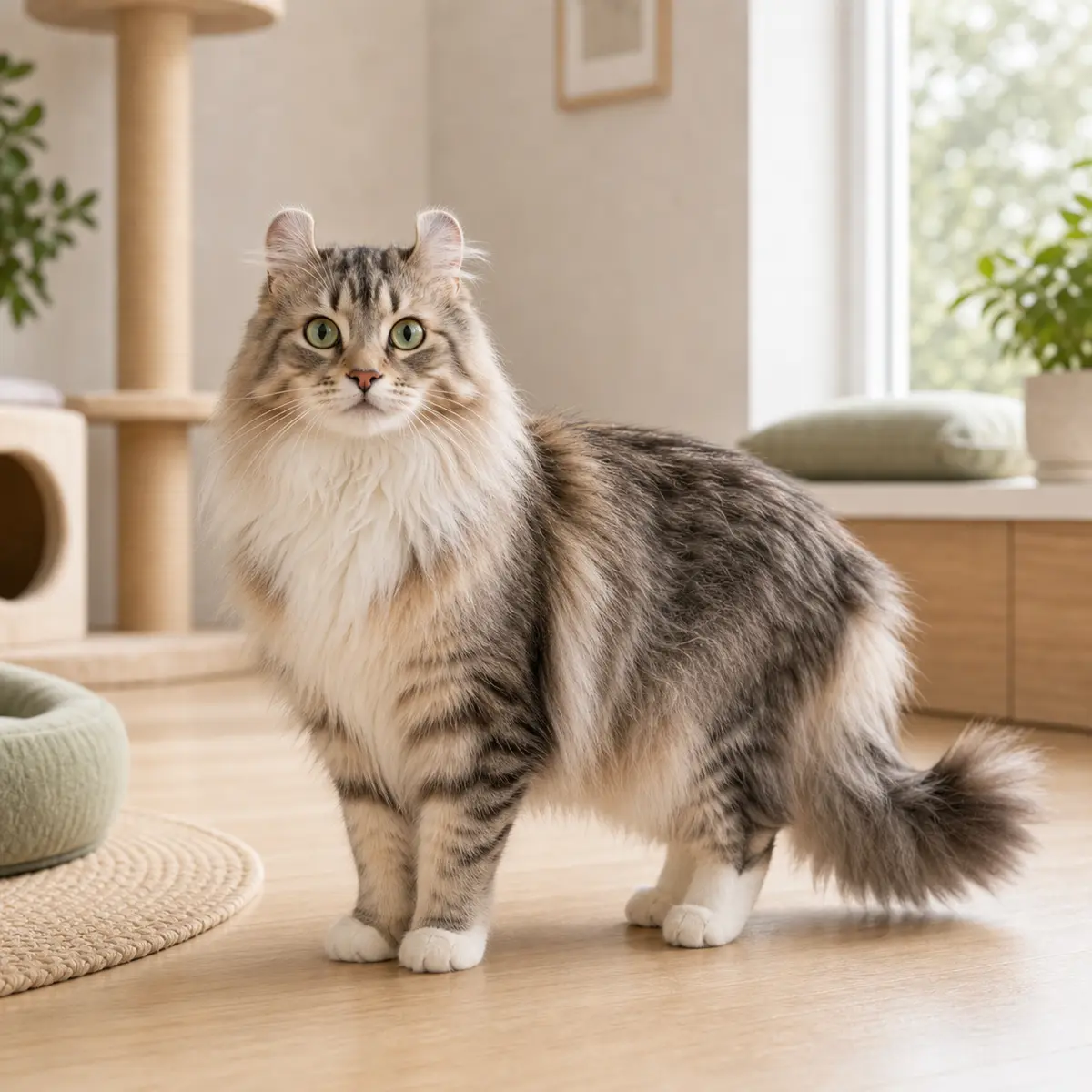
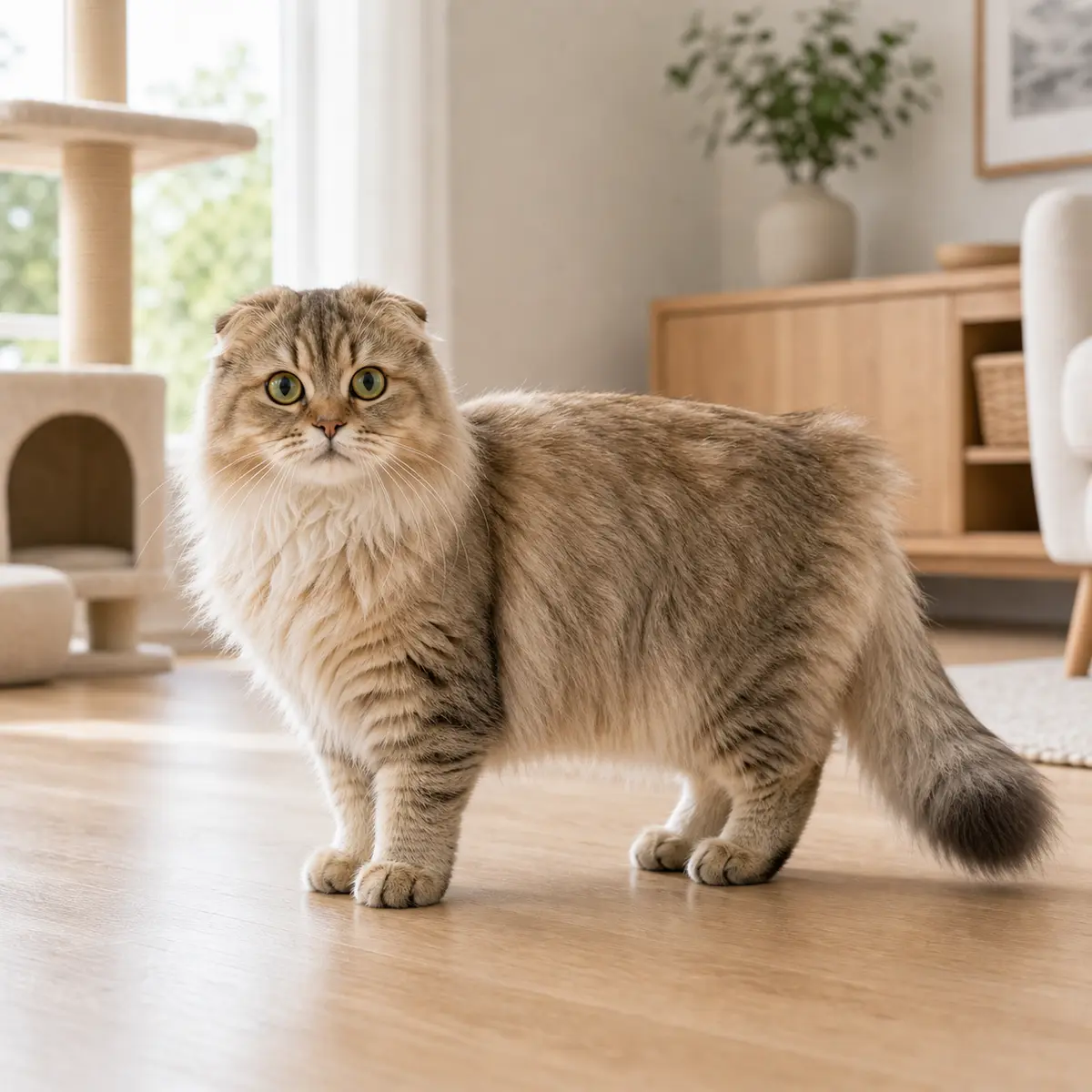 Furball Cove generated breed image
Energy
Enjoys play, but does not need the house run like a gym.
⚡⚡⚡○○
Grooming
Plan on regular combing so mats do not sneak in.
🧼🧼🧼🧼🧼
Family fit
Can fit family life when introductions and boundaries are kind.
🏡🏡🏡🏡○
Talkative
Scottish Fold Longhair may talk when it matters, but the breed is usually not defined by constant vocal demands.
🎵🎵🎵○○
Indoor enrichment
Scottish Fold Longhair does best with a simple enrichment loop: scratch, climb, chase, puzzle, nap, repeat.
🪜🪜🪜🪜○
First-time fit
Scottish Fold Longhair can suit a first-time cat home only if grooming is treated as a normal routine, not an occasional rescue job.
🌟🌟🌟○○
Shedding
Scottish Fold Longhair leaves coat behind if brushing slips, especially during seasonal changes or around favorite sleeping spots.
🍂🍂🍂🍂○
Great fit for
- People who want a cat chosen for temperament and care fit, not looks alone.
- Homes that can provide clean litter, daily play, scratching outlets, and calm handling.
- People who can keep grooming, play, and enrichment realistic for this breed.
Think twice if
- Do not choose by photos only; meet the cat or talk carefully with the breeder or rescue.
- High-energy cats need more play and climbing than a toy basket in the corner.
- Long coats, hairless coats, and curly coats each need their own care routine.
Personality
Scottish Fold Longhair adds a soft coat to the breed's round look, gentle mood, and careful handling needs.
Grooming
Plan on regular combing so mats do not sneak in. Check the spots cats hide from quick brushing: behind the ears, under the chest, armpits, tail base, and back legs.
Activity & enrichment
Enjoys play, but does not need the house run like a gym. The best play lets Scottish Fold Longhair stalk, chase, catch, and then settle instead of staying wound up.
Family fit
Can fit family life when introductions and boundaries are kind. Kids should learn slow hands, quiet voices, and the rule that a cat who walks away gets to leave.
Indoor setup
Put the litter box where access feels safe, add a tall scratcher where the cat already passes, and give at least one perch that does not require negotiating with people or other pets.
Food & hydration
Feed a complete cat food for the right life stage, keep fresh water easy to find, and watch body condition instead of letting the bowl make all the decisions.
Health notes
Use this as a breed overview, then lean on breeder or rescue records, registry information, and your veterinarian for screening, dental care, weight, appetite, litter changes, breathing, or pain.
Useful gear
Affiliate links: Furball Cove may earn from qualifying purchases at no extra cost to you.
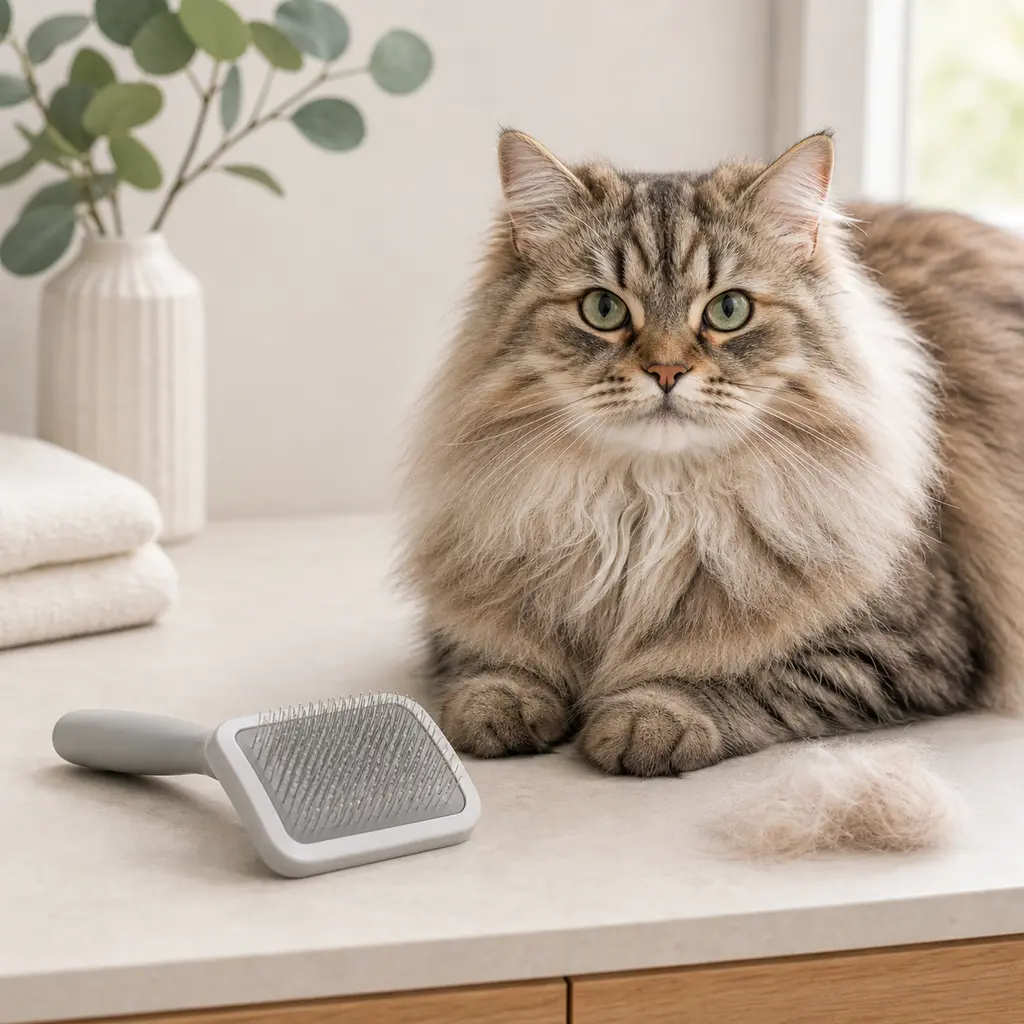
Gentle slicker brush
Helpful for fluffy coats when you keep sessions short and reward the cooperation.
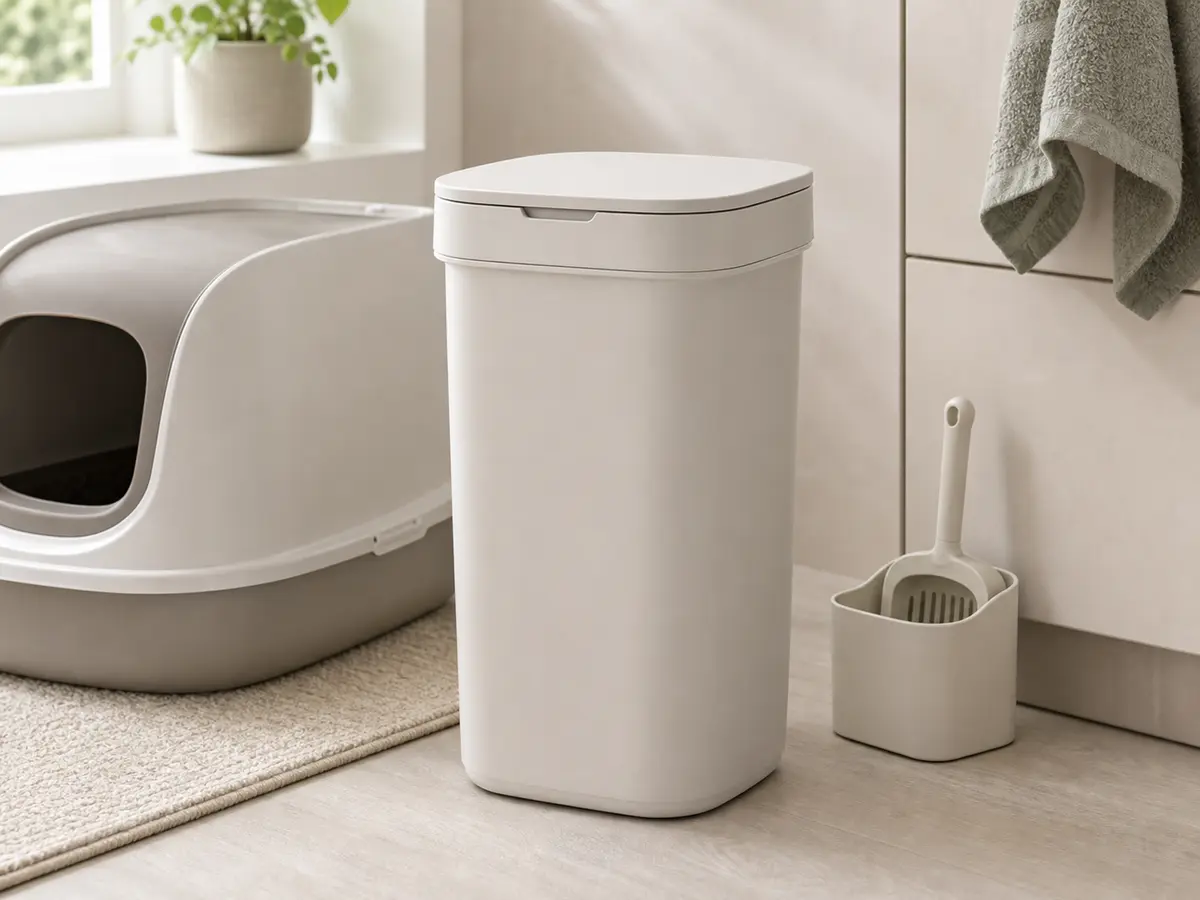
Sealed litter disposal pail
A sealed pail makes scooping more practical when the trash is not right beside the box.
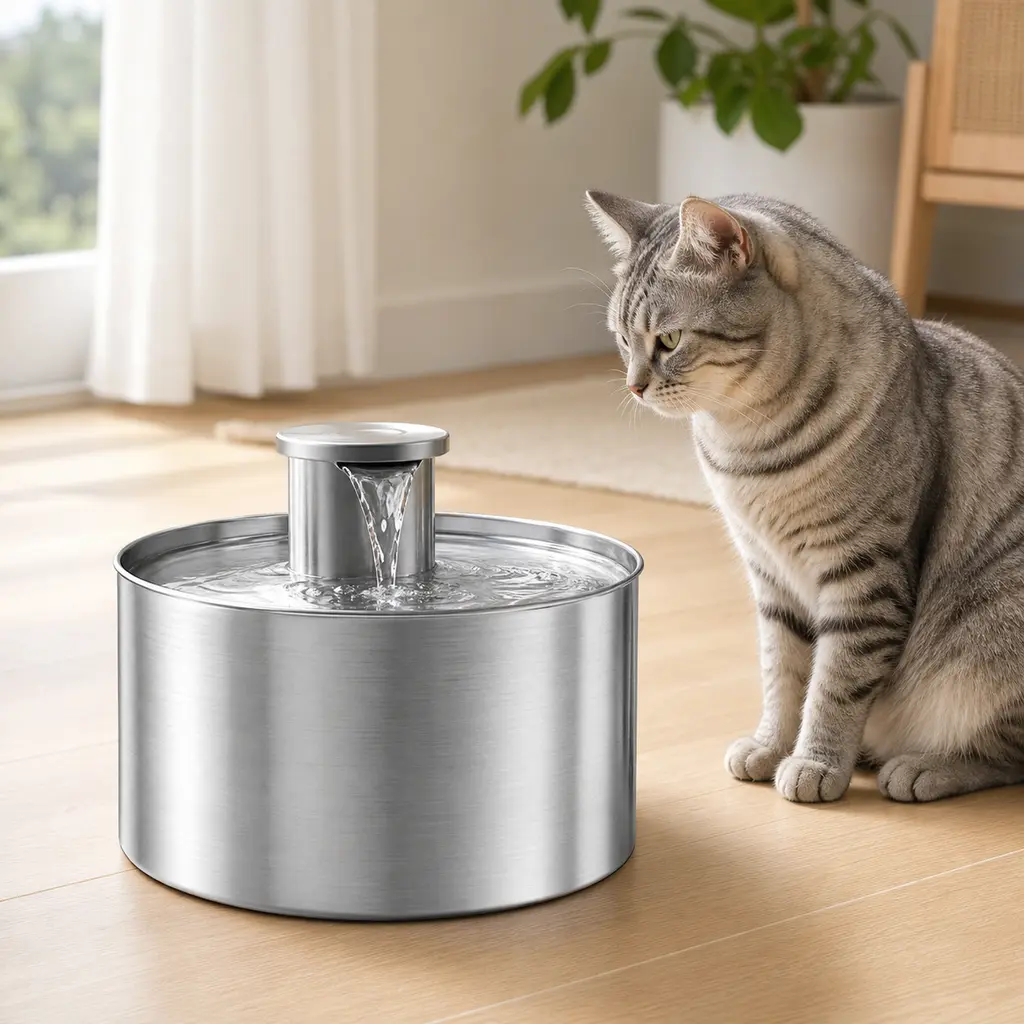
Stainless steel water fountain
Moving water can turn a forgotten bowl into a place your cat actually visits.
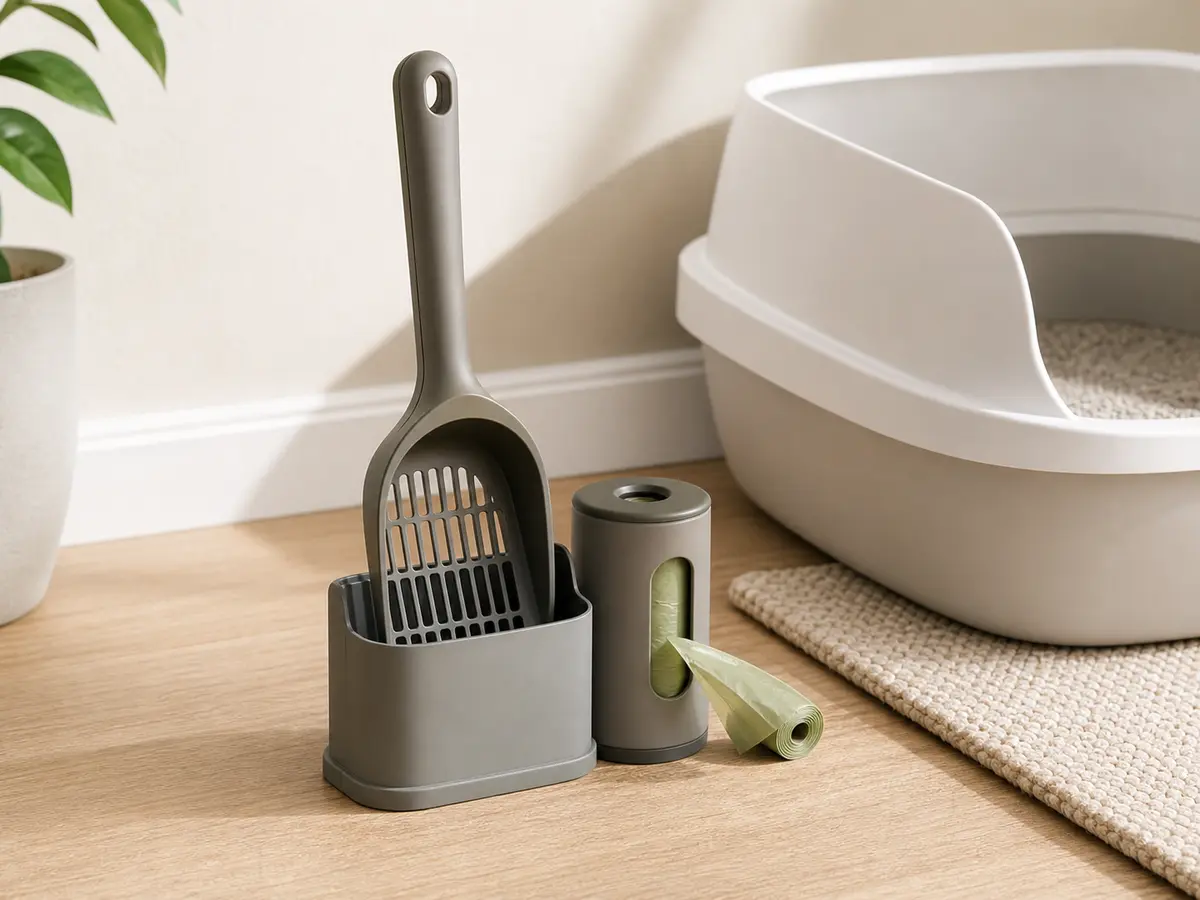
Litter scoop and holder
Keeps the scoop visible and sanitary so daily cleaning is harder to skip.
Shop by need
Affiliate links: Furball Cove may earn from qualifying purchases at no extra cost to you.
Scottish Fold Longhair grooming toolsBrushes, combs, or wipes that fit this breed's coat.
Scottish Fold Longhair cat treeVertical space for climbing, watching, and quiet naps.
Scottish Fold Longhair carrierA steady carrier for vet days and safe travel.
Cat water fountainA tidy hydration upgrade for everyday care.
Scottish Fold Longhair FAQ
Is the Scottish Fold Longhair a good indoor cat?
Yes, when the home provides play, scratching, climbing, litter comfort, and safe places to hide. Outdoor access should be controlled and safe.
How much grooming does a Scottish Fold Longhair need?
Plan on regular combing so mats do not sneak in. Start with short, calm sessions so grooming feels normal instead of like a battle.
What should I ask before getting a Scottish Fold Longhair?
Ask about temperament, health records, registry status, socialization, grooming routine, diet, litter habits, and how the cat handles normal household noise.
Related cats
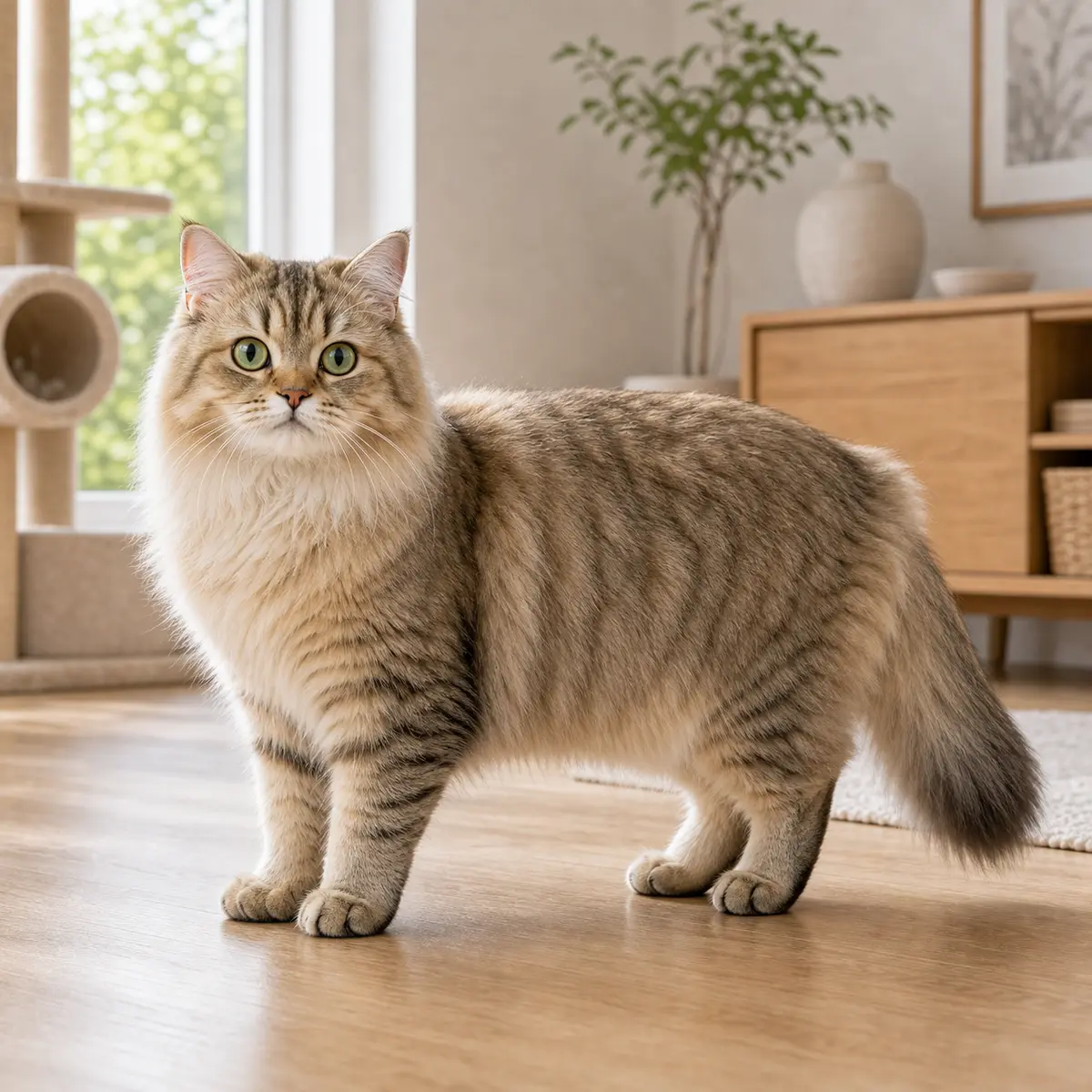
Scottish Straight Longhair
A useful comparison for coat care, temperament, or activity level.
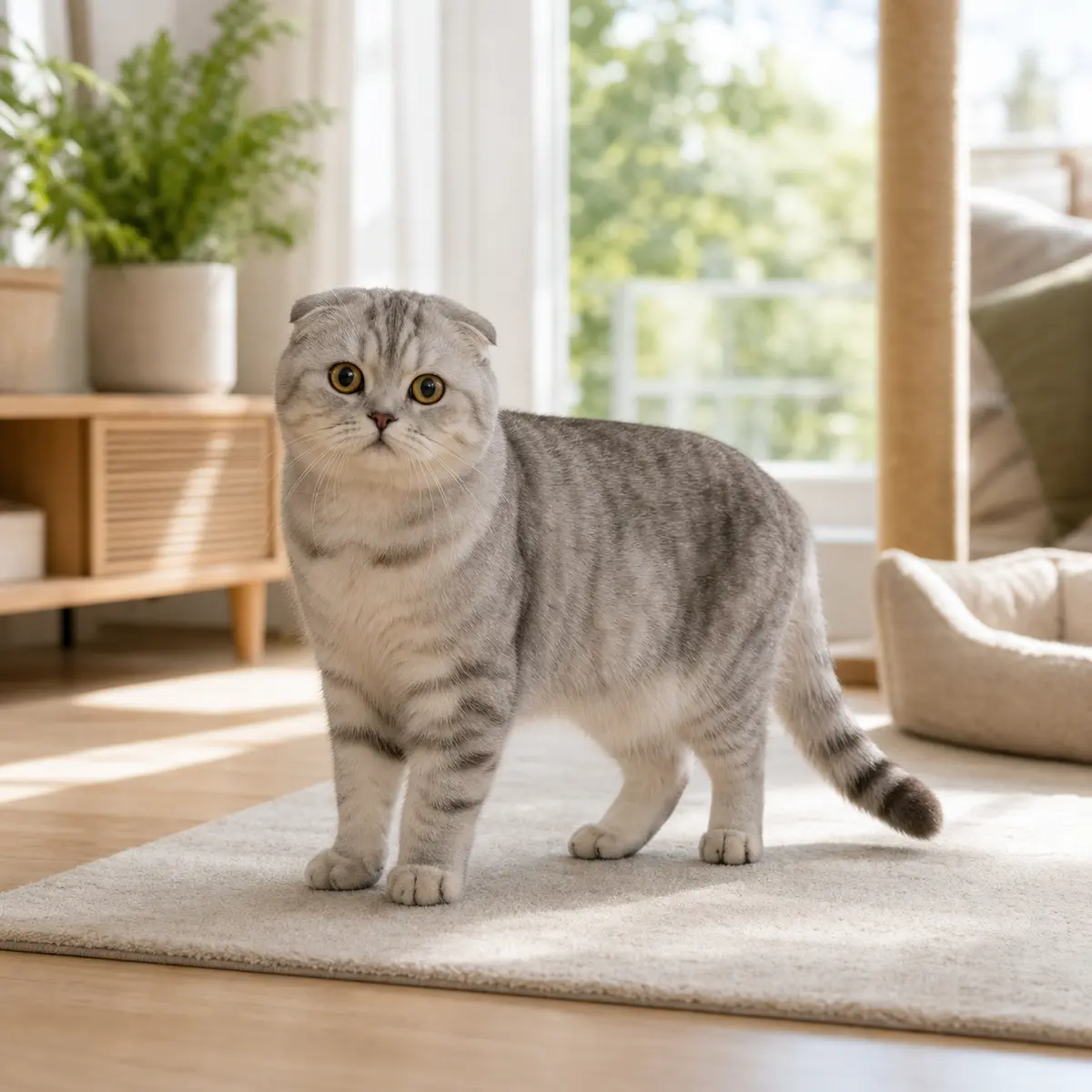
Scottish Fold
A useful comparison for coat care, temperament, or activity level.
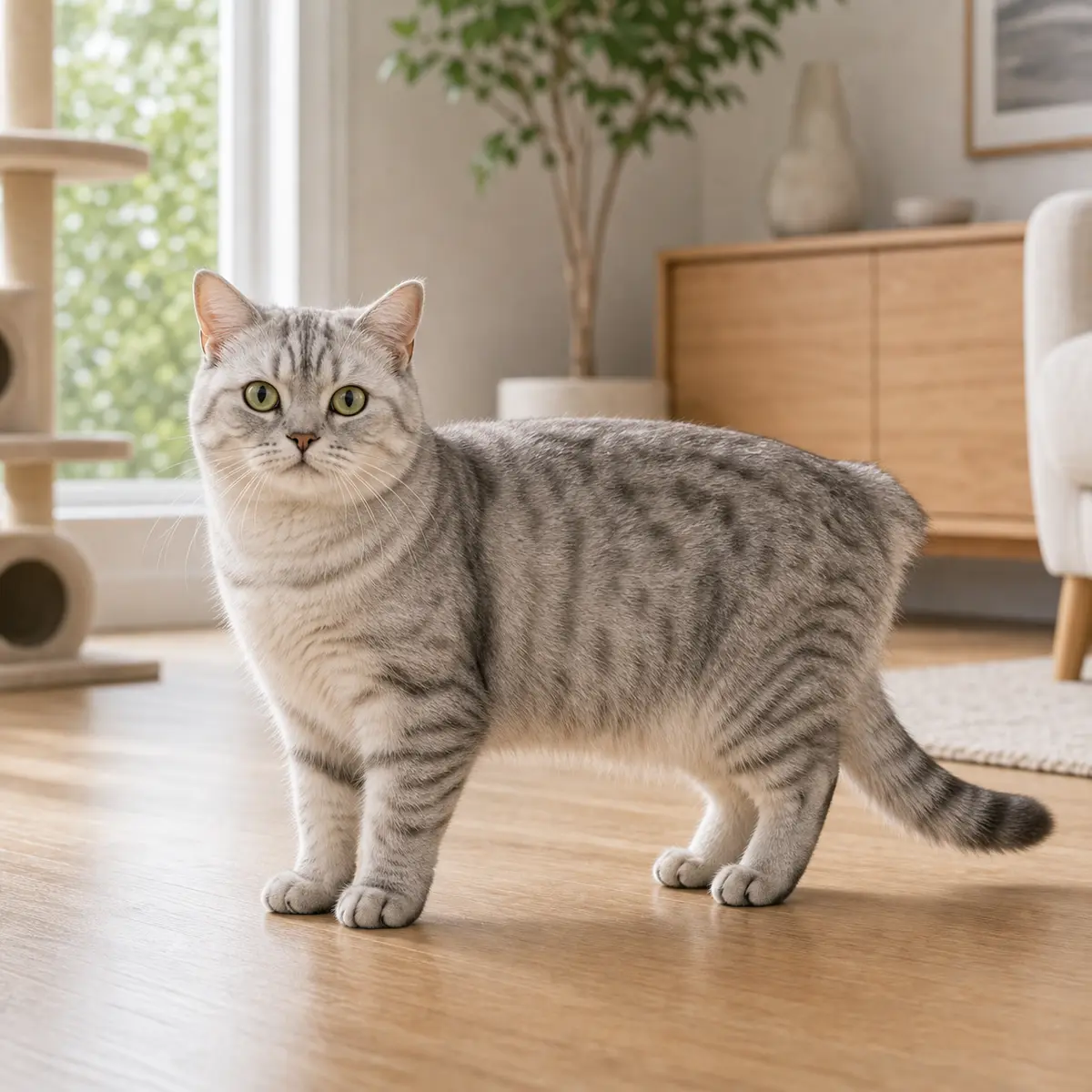
Scottish Straight
A useful comparison for coat care, temperament, or activity level.
American Curl Longhair
A useful comparison for coat care, temperament, or activity level.