

Updated
Cat breed guide
Scottish Straight Longhair
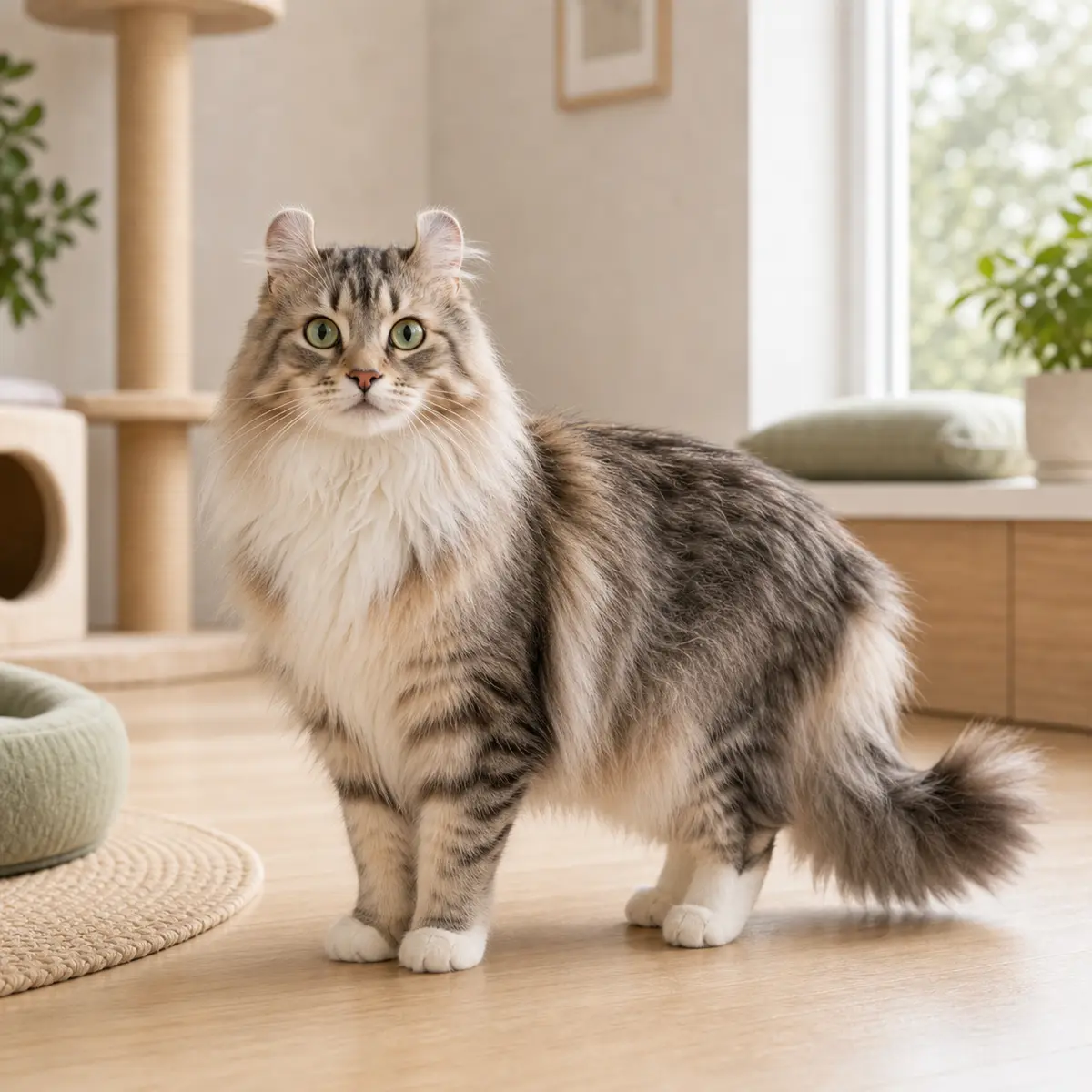
The Scottish Straight Longhair is the upright-eared, semi-longhaired member of the Scottish breed group. TICA lists adults at about 7 to 10 pounds. Plan on a weekly metal-comb session, daily play, and careful health records.
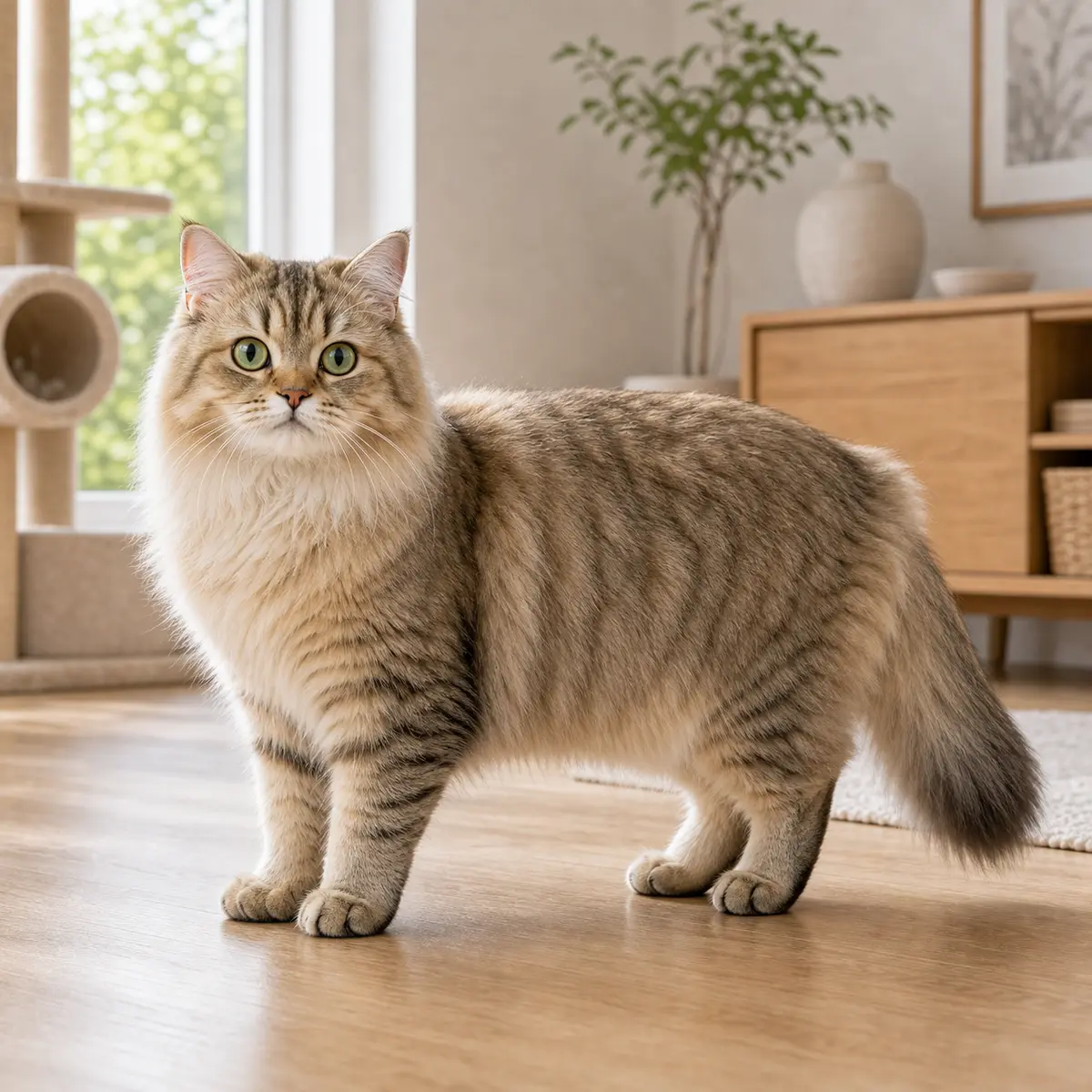 Furball Cove generated breed image
Energy
Plan on daily interactive play, a sturdy scratcher, and easy-to-reach perches; individual energy levels vary.
⚡⚡⚡○○
Grooming
Comb the full coat at least weekly, and more often when the ruff, underarms, or trousers begin to tangle.
🧼🧼🧼🧼○
Family fit
A calm home with respectful children and slow introductions is the easier fit; judge the individual cat.
🏡🏡🏡🏡○
Talkative
Most use a soft voice selectively, often around meals or greetings, rather than narrating the whole day.
🎵🎵🎵○○
Indoor enrichment
Low platforms, a window seat, a sturdy scratcher, and two short hunting games keep mind and body engaged.
🪜🪜🪜🪜○
First-time fit
A first-time owner can do well when weekly coat care, nail checks, and dental routines are already on the calendar.
🌟🌟🌟🌟○
Shedding
The dense long coat releases noticeable fluff; frequent combing and washable bedding help contain it.
🍂🍂🍂🍂○
Great fit for
- People who want a medium, semi-longhaired cat and can make weekly combing routine.
- Homes with daily interactive play, stable perches, scratching space, and quiet retreat options.
- Adopters who will judge the individual cat's temperament and verify health records instead of buying on looks alone.
Think twice if
- A Scottish breed label is not a substitute for parentage, veterinary records, or appropriate health screening.
- The plush coat can hide weight change and small mats, so use your hands as well as your eyes.
- Stiffness, lameness, reluctance to jump, or a painful tail needs a veterinary exam.
Breed basics
Straight describes the upright ears; Longhair describes the semi-long coat. This is one of four varieties in TICA's Scottish breed group, alongside the shorthaired Straight and the two Fold varieties. It is not simply a longhaired cat that happens to have upright ears.
Personality
TICA describes Scottish cats as affectionate and easygoing, but a breed label cannot promise a lap cat. Ask how this individual handles visitors, grooming, play, other animals, and time alone. Choose the cat in front of you, not a personality checklist.
Grooming
Run a metal comb gently to the skin at least once a week. Check behind the ears, under the front legs, through the ruff and trousers, and around the tail base with your fingers. Add a second session during heavy shedding or whenever the comb starts to catch.
Activity & enrichment
A window seat, stable scratcher, food puzzle, and a couple of short wand-toy hunts cover more ground than a basket of untouched toys. Keep jumps comfortable and let the cat choose high or low resting spots.
Family fit
Slow introductions and respectful handling matter. Children should support the whole body, leave a resting cat alone, and stop when the cat walks away. In a multi-cat home, feed cats separately and leave more than one route to food, water, litter, and resting spots.
Food & hydration
Feed a complete diet for the cat's life stage and measure the daily amount. A plush coat can hide gradual weight gain or loss, so feel the ribs and waist regularly and compare weights at veterinary visits instead of judging by fluff.
Health notes
Request a pedigree or rescue history, vaccination and veterinary records, and any genetic or orthopedic screening available. The TRPV4 variant that produces folded ears is associated with abnormal cartilage and bone development. Published studies found the variant in Fold cats and not the Scottish Straight cats tested, but records and appropriate testing are better evidence than an informal label based on appearance.
Indoor setup
Offer broad stable perches, an easy route to the litter box, and both high and low resting choices. Call your veterinarian about stiffness, lameness, reluctance to jump, a painful or inflexible tail, swollen joints, or a change in play or litter-box posture.
Useful gear
Affiliate links: Furball Cove may earn from qualifying purchases at no extra cost to you.
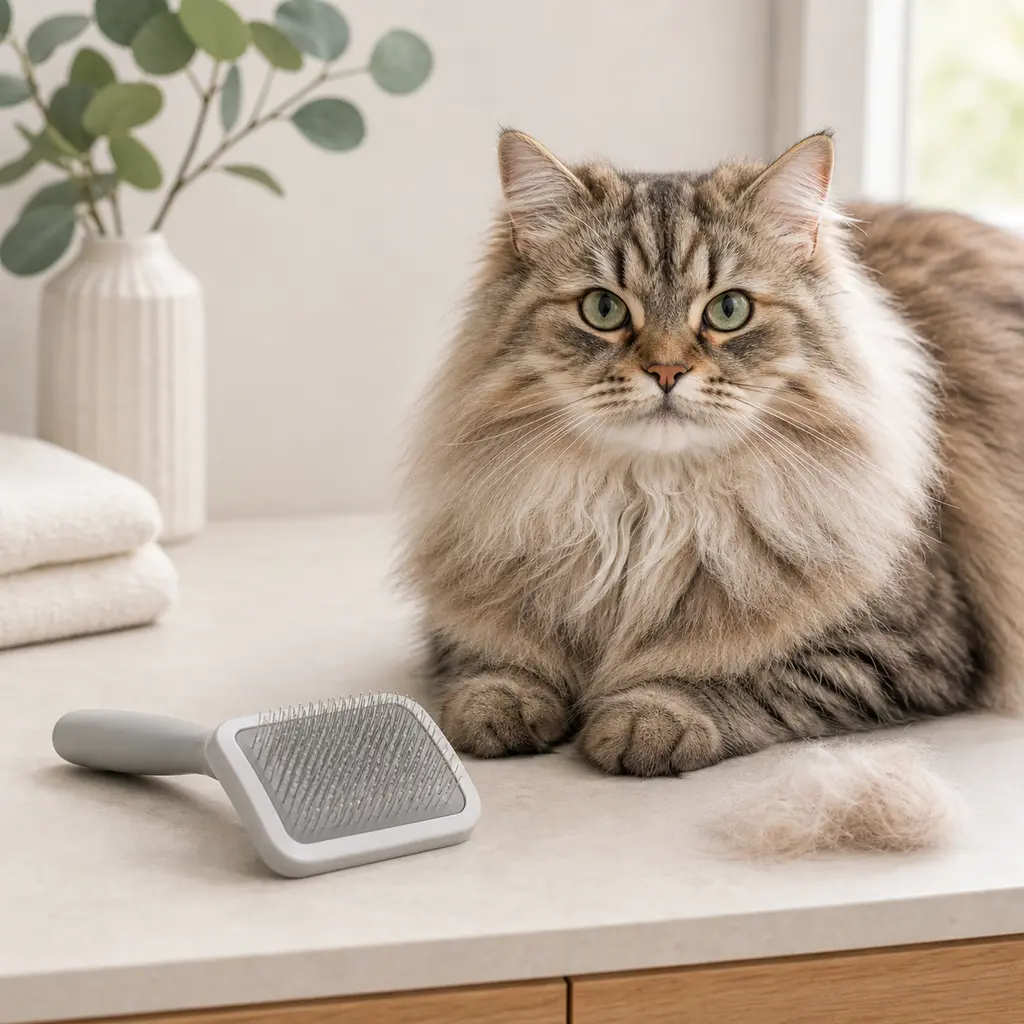
Gentle slicker brush
Helpful for fluffy coats when you keep sessions short and reward the cooperation.
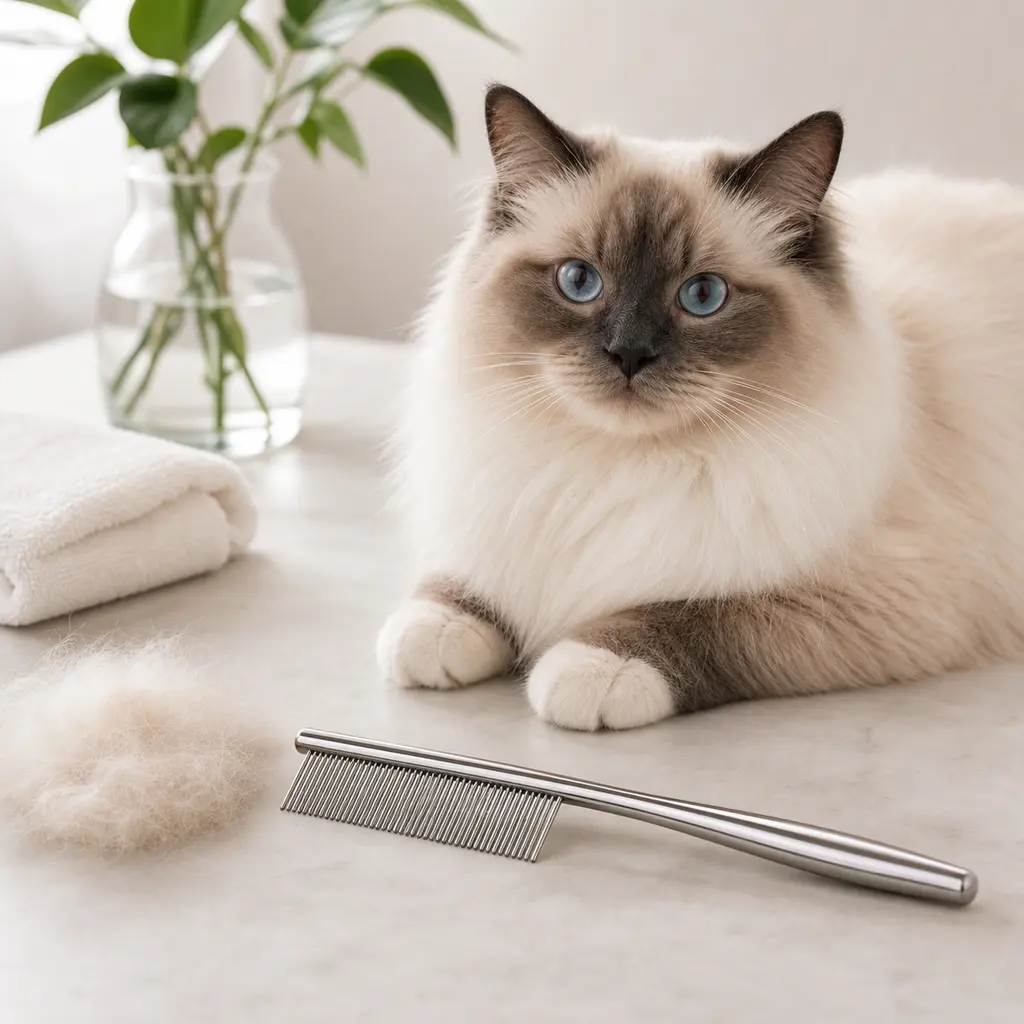
Stainless steel comb
The small tool that finds tangles early, especially behind ears and under arms.
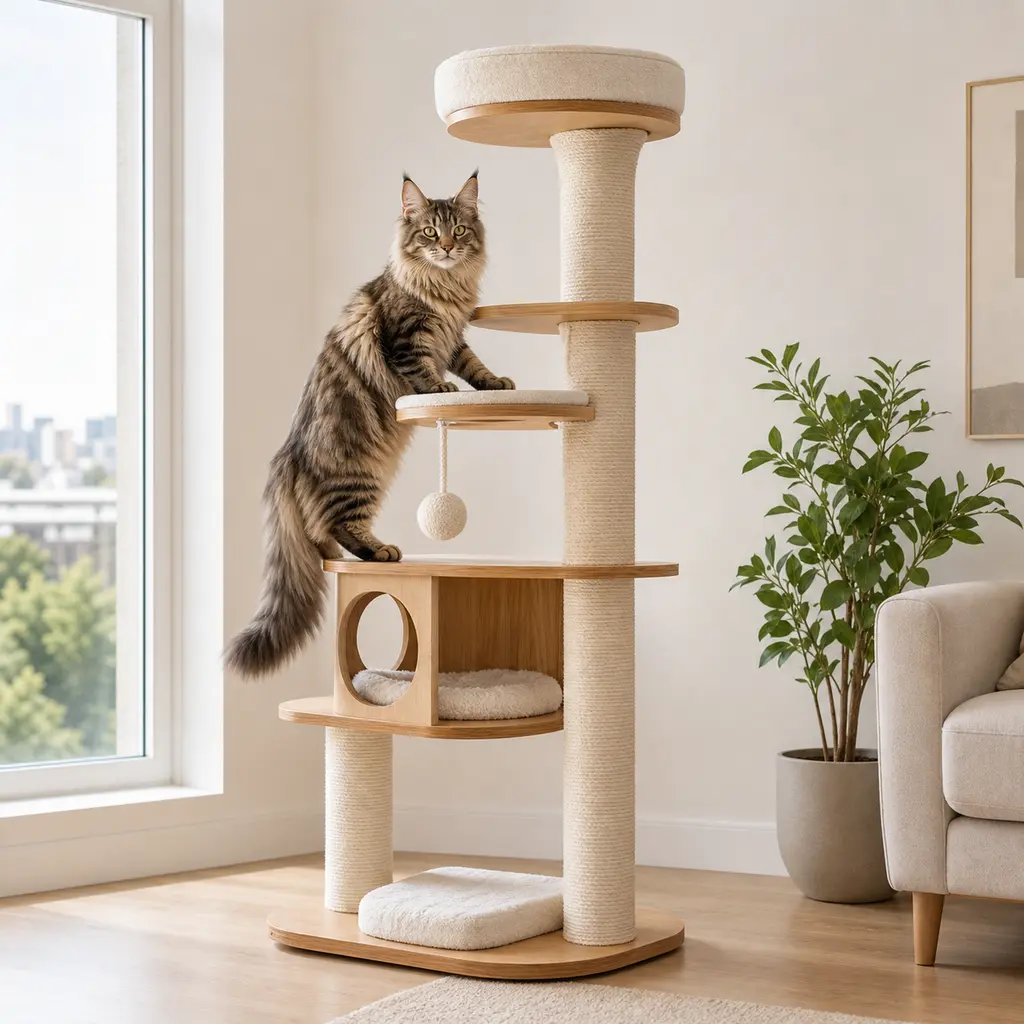
Climbing cat tree
Adds height, lookout spots, and a better path for zoomies than your curtains.
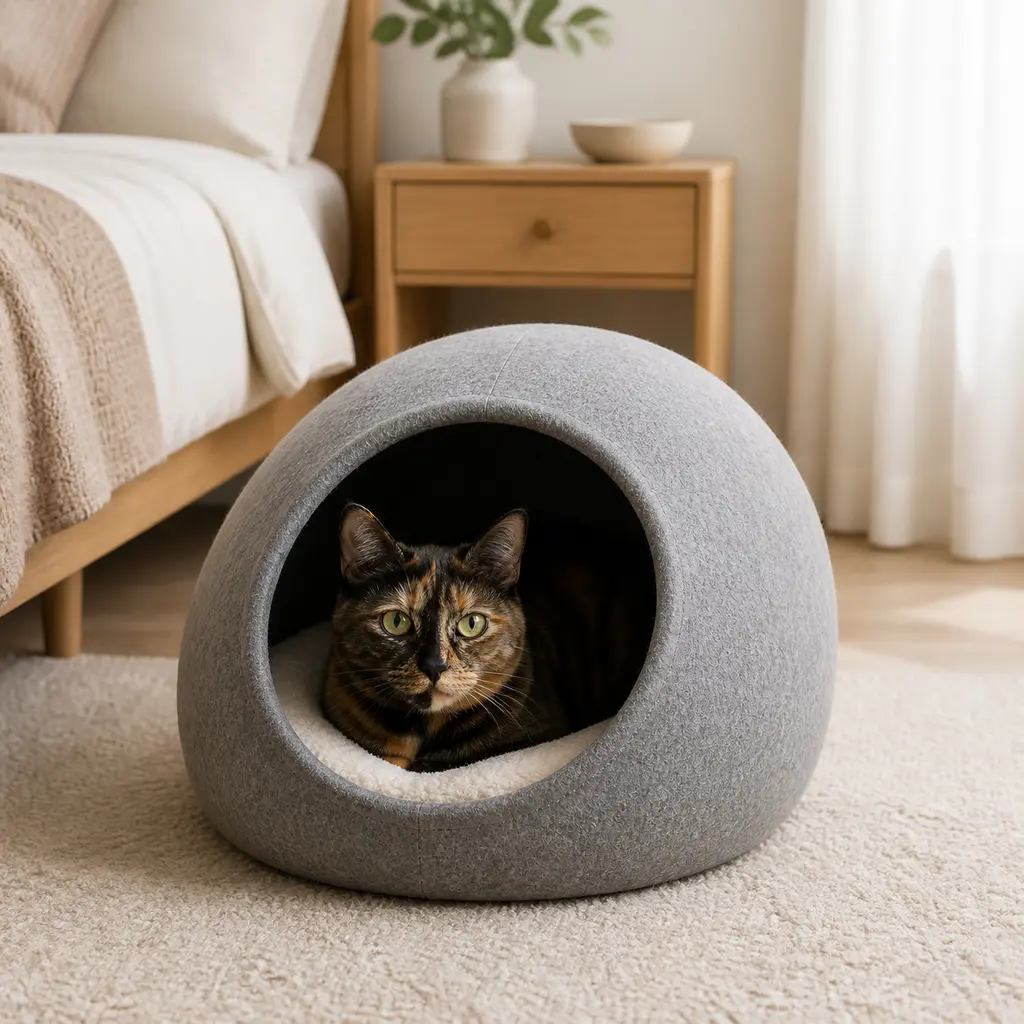
Cozy cave bed
A soft hideaway for cats who like their naps private and their blankets warm.
Shop by need
Affiliate links: Furball Cove may earn from qualifying purchases at no extra cost to you.
Scottish Straight Longhair grooming toolsBrushes, combs, or wipes that fit this breed's coat.
Scottish Straight Longhair cat treeVertical space for climbing, watching, and quiet naps.
Scottish Straight Longhair carrierA steady carrier for vet days and safe travel.
Cat water fountainA tidy hydration upgrade for everyday care.
Scottish Straight Longhair FAQ
Does a Scottish Straight Longhair have folded ears?
No. Straight means upright ears, and Longhair means the semi-long coat. TICA places it in the same Scottish breed group as the folded-ear varieties, but it is a distinct variety.
How often should I comb a Scottish Straight Longhair?
Start with a thorough weekly comb to the skin. Add sessions during heavy shedding or whenever the ruff, underarms, trousers, or tail area begin to catch.
What records should come with a Scottish Straight Longhair?
Request parentage or rescue history, registry details where relevant, vaccination and veterinary records, available genetic and orthopedic screening, the current diet, and honest notes about temperament and handling.
Related cats
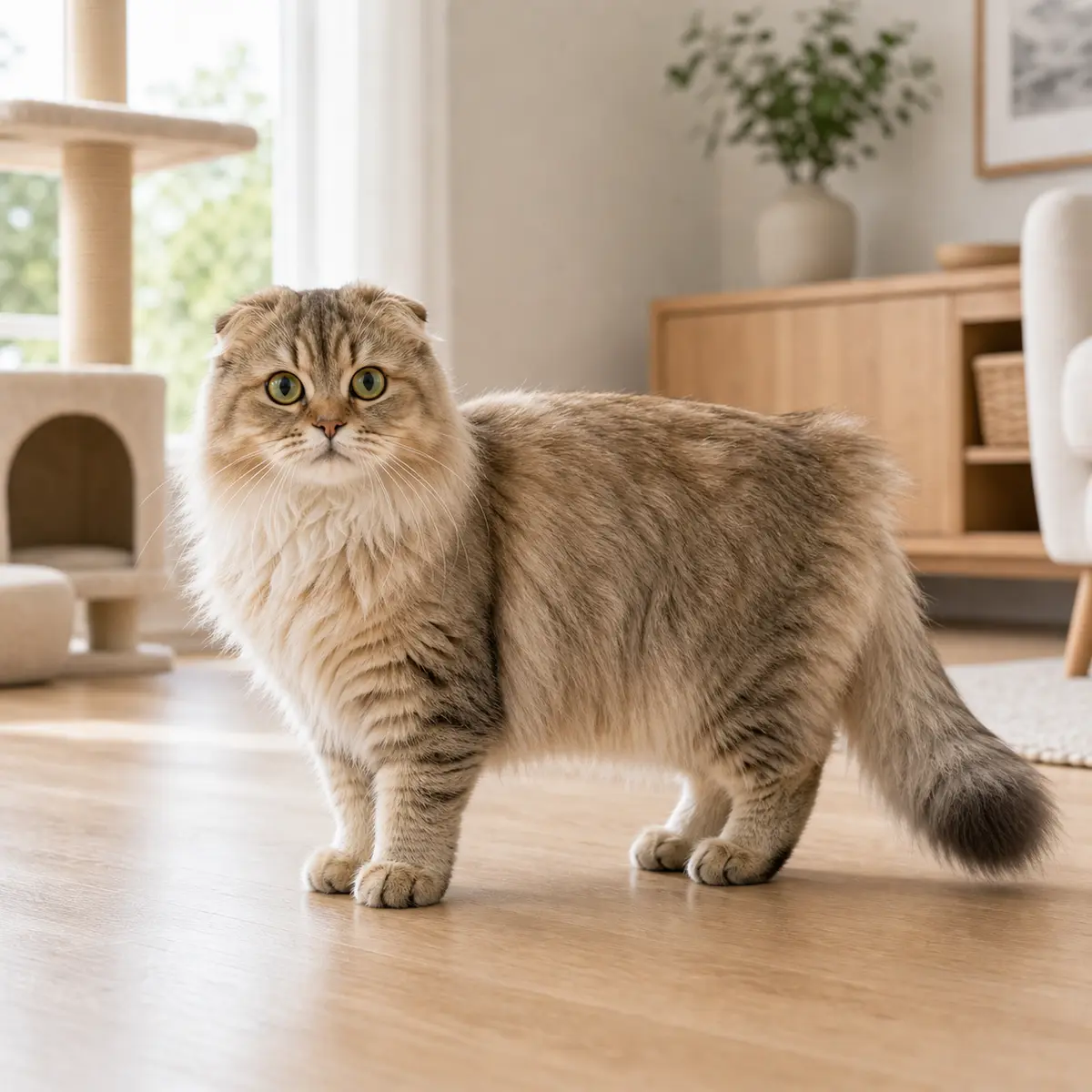
Scottish Fold Longhair
A useful comparison for coat care, temperament, or activity level.
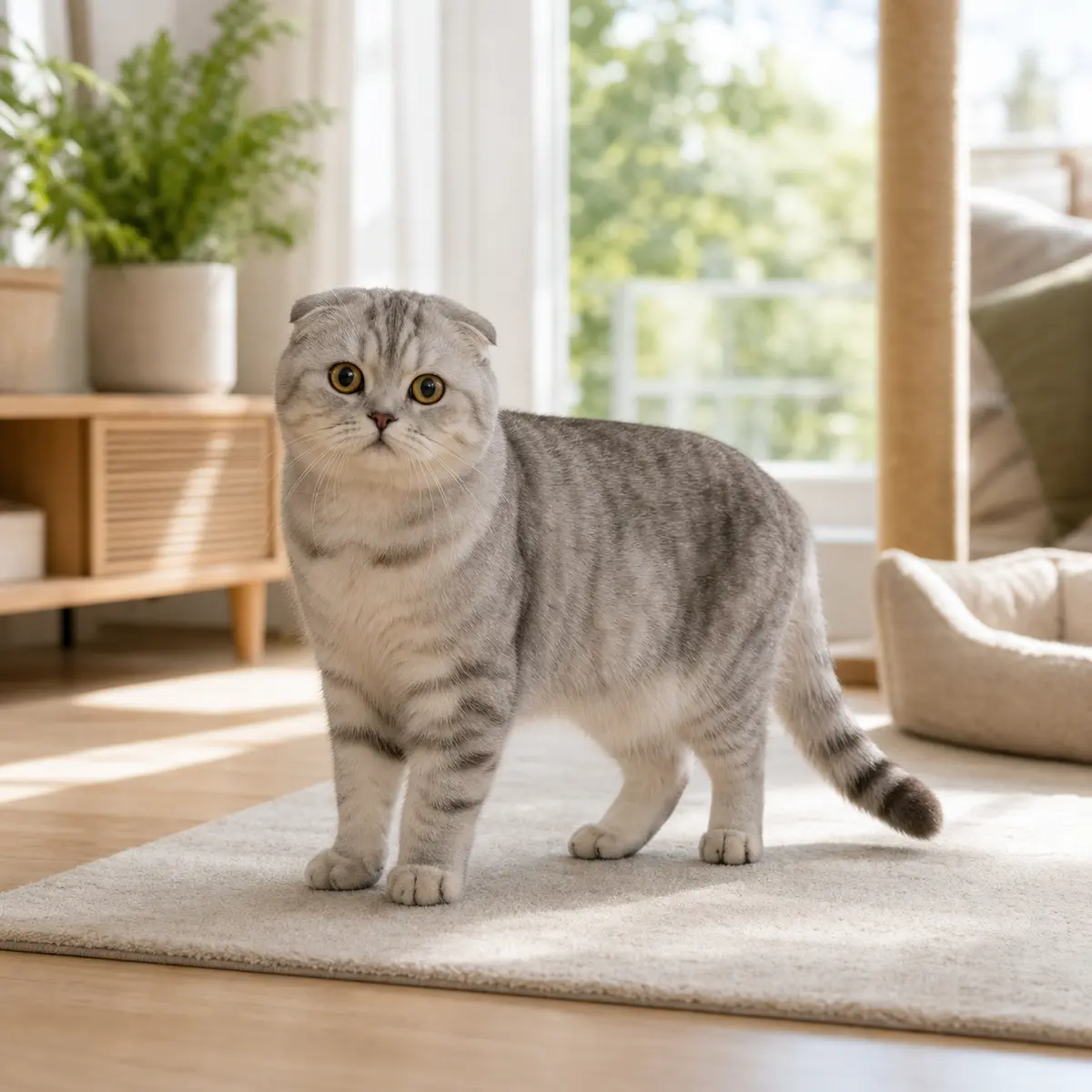
Scottish Fold
A useful comparison for coat care, temperament, or activity level.
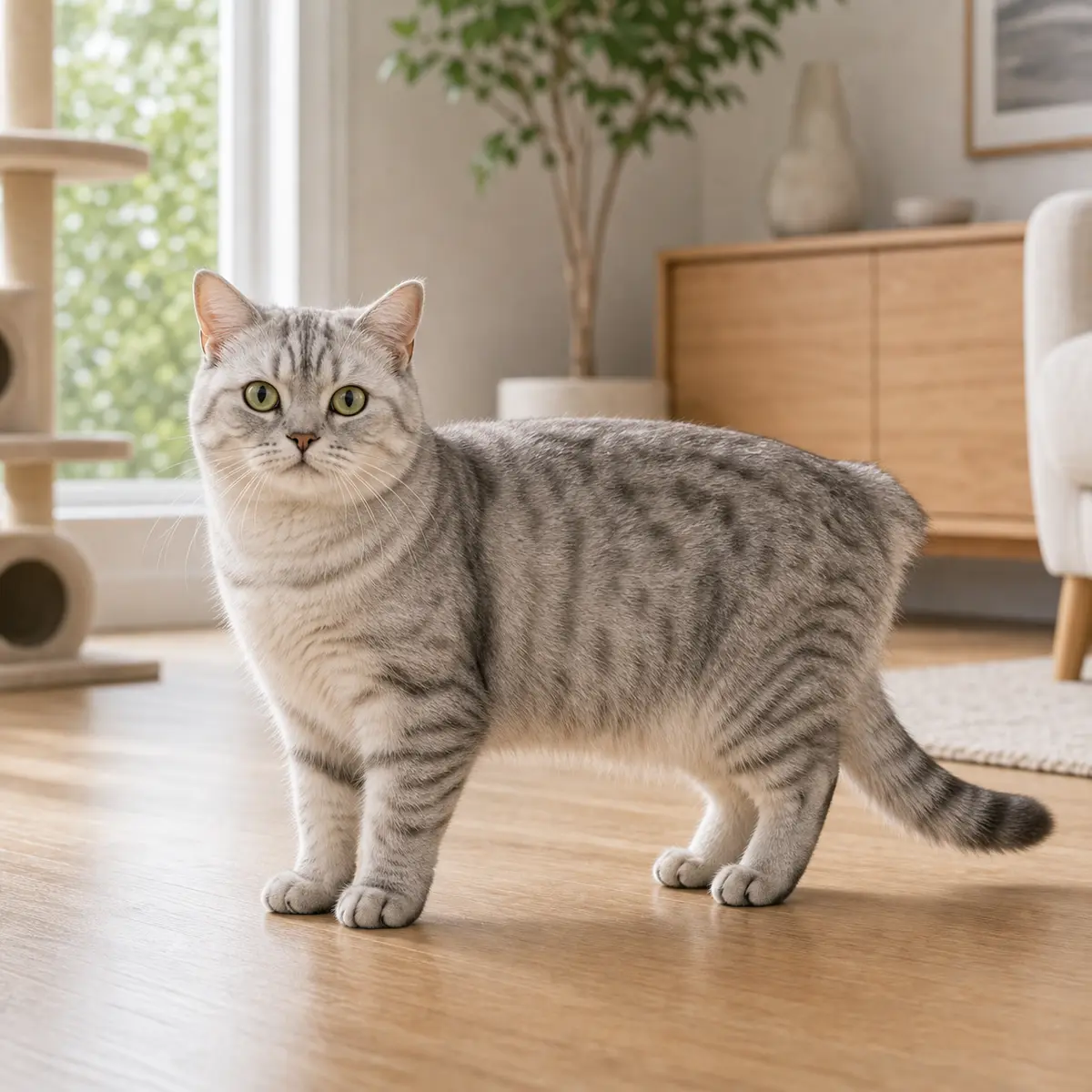
Scottish Straight
A useful comparison for coat care, temperament, or activity level.
American Curl Longhair
A useful comparison for coat care, temperament, or activity level.