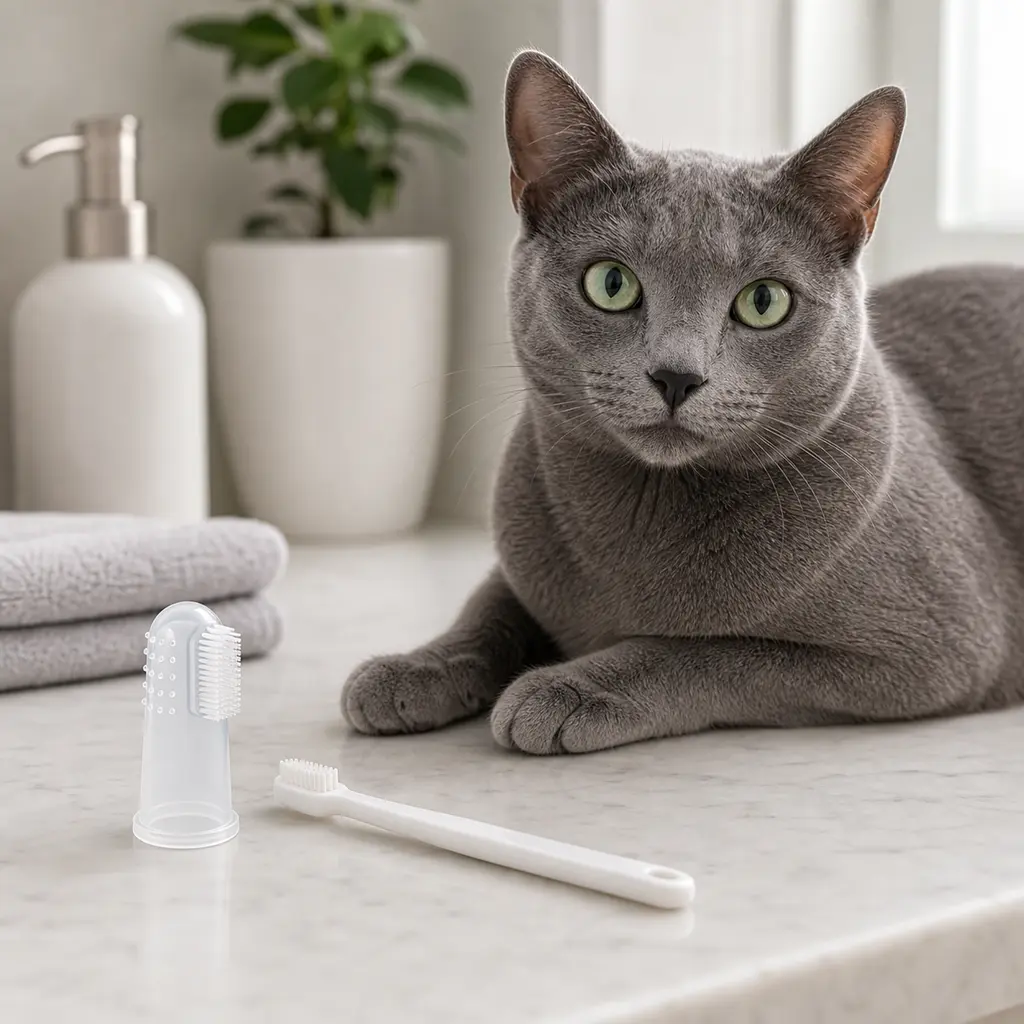
A good cat routine is small, steady, and easy to notice when something changes.
Most normal days are not complicated: clean litter, fresh water, measured meals, play, rest, grooming checks, and a home that lets the cat choose space. Good cat care is usually small and steady: clean basics, gentle handling, safe rest, and noticing when your cat is not acting like themselves.
Keep the daily rhythm visible
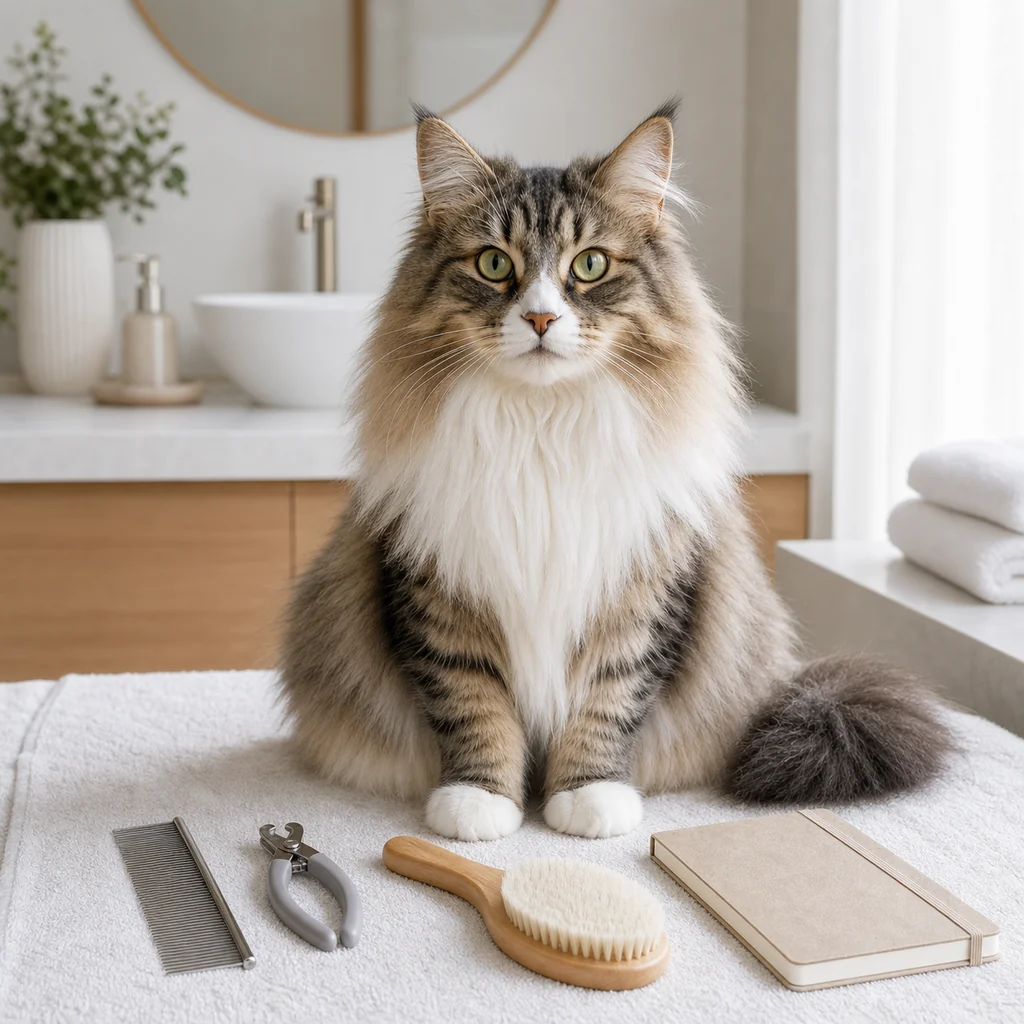
Food, water, litter, play, rest, and a little observation cover most normal days. The routine should be simple enough that appetite or litter changes stand out. Write down what changed so your vet, groomer, or behavior professional has a clearer picture if you need help.
Make handling predict good things
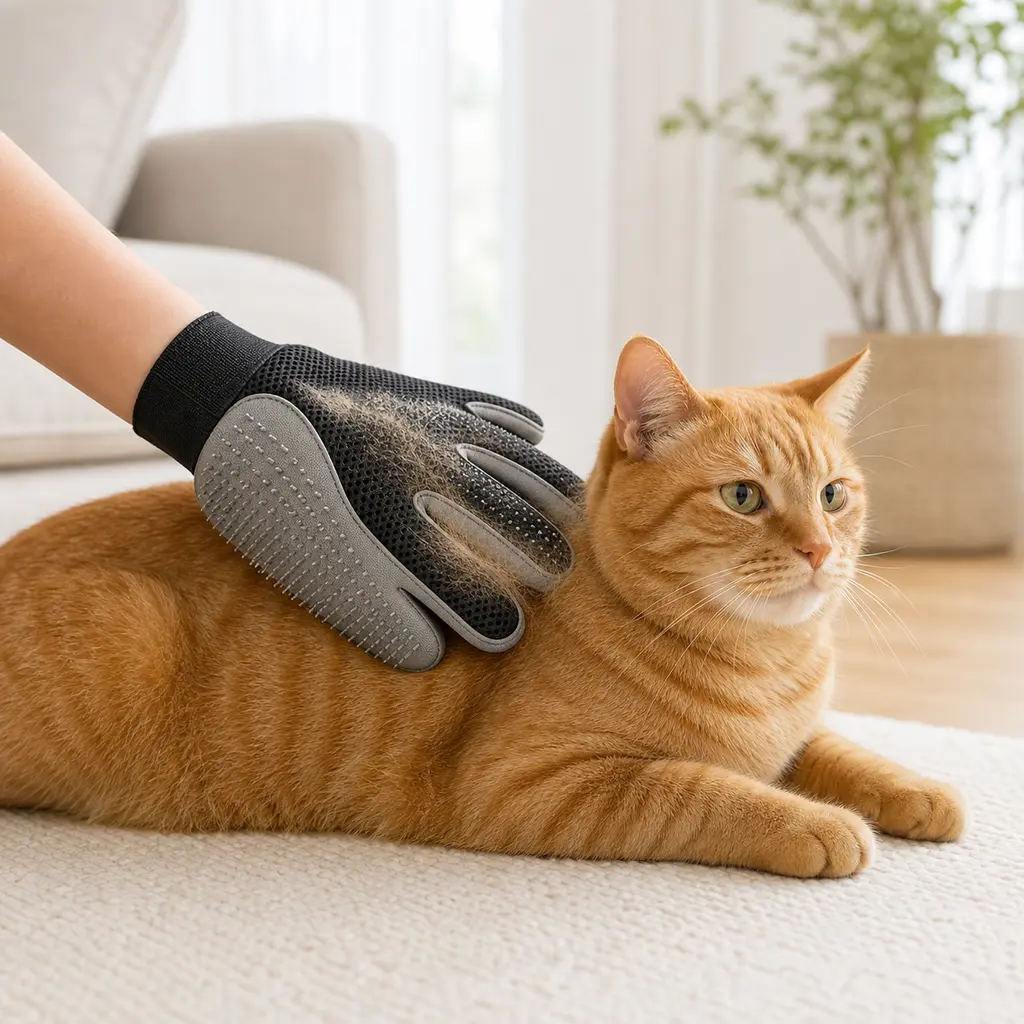
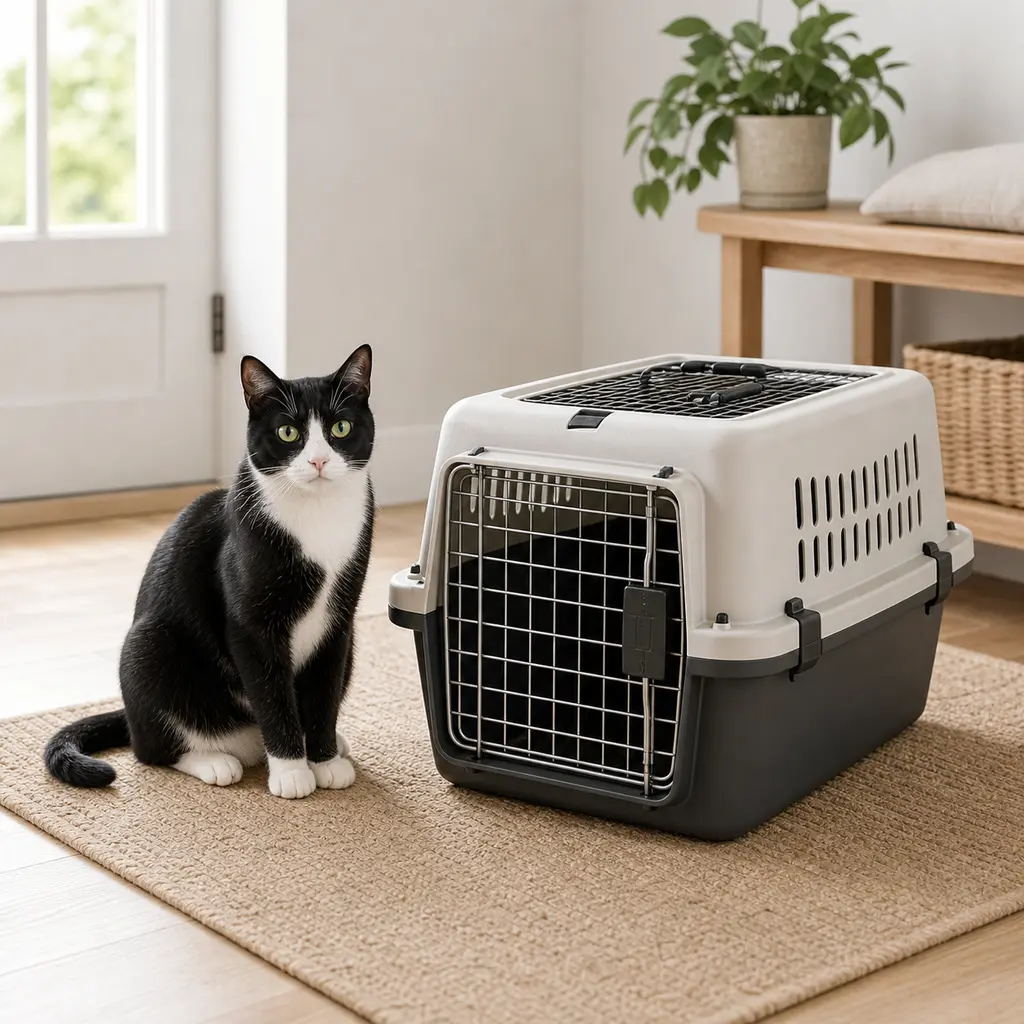
Touch should not only mean medicine, nail trims, or the carrier. Pair calm touch with treats, brushing breaks, or a favorite soft voice so checks feel less suspicious.
Spread resources in multi-cat homes
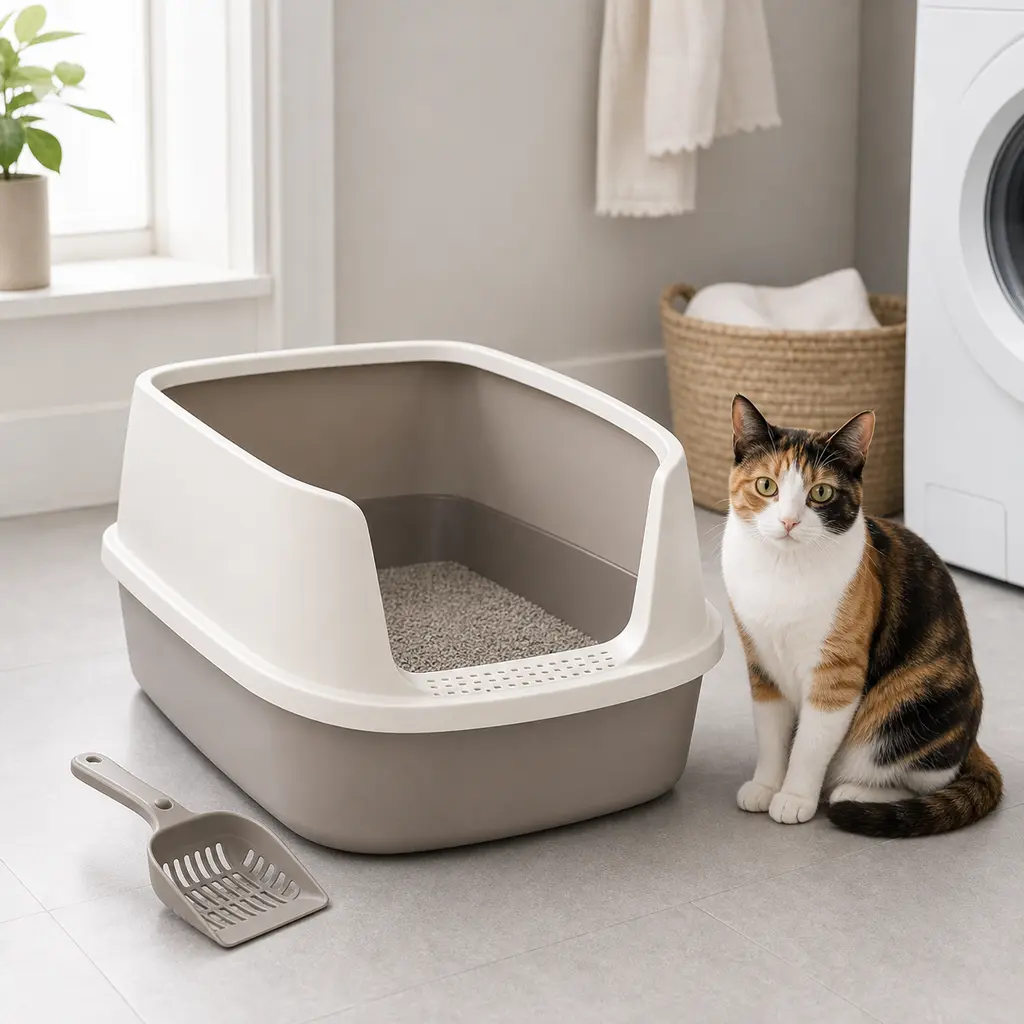
Food, water, litter, resting places, and scratchers should not all sit in one contested corner. Spread them out so one cat cannot control the whole day. Short, calm check-ins usually protect trust better than one big forced care session.
Support seniors with access
Older cats may appreciate low-entry boxes, soft beds, easy steps, warmer resting spots, and bowls placed where stairs or slippery floors do not make meals harder. Compare the moment to your cat's normal routine, not to an average cat online.
Call the vet when the pattern changes
Appetite loss, repeated vomiting, litter changes, breathing trouble, sudden hiding, or obvious pain should not wait for the routine to fix itself. Call your vet for guidance.
Before you decide
Is the routine predictable?
Can the cat choose space?
Are resources spread out?
Would sudden changes get a vet call?
Next best moves
Make one daily checklist visible.
Spread resources if cats compete.
Keep vet records easy to find.
Helpful cat setup picks
For cat care, pick tools that make gentle checks shorter, calmer, and easier to repeat.
Affiliate links: Furball Cove may earn from qualifying purchases at no extra cost to you.
For cat care, watch the real-life pattern: calm use, normal appetite, predictable litter habits, relaxed body language, and cleanup you can keep doing.
When should I ask for help with cat care?
Ask a veterinarian, groomer, or qualified behavior professional when appetite, weight, litter habits, breathing, pain, skin, coat, fear, biting, or sudden behavior changes feel new, severe, repeated, or hard to manage safely.