To clean tear stains on a cat's face, protect the skin and keep the session short. Gentle tools, rewards, and pauses matter more than forcing the whole job at once.
Use this page for short, calm handling steps and for knowing when a groomer or vet should take over.
What to notice at home
Grooming should feel like a series of small check-ins, not a wrestling match. Stop before your cat panics, reward calm seconds, and get help for painful mats, eye issues, infected skin, or nails that touch the paw pad.
Grooming works best when the session stays short enough that your cat can relax afterward. Watch skin, coat, nails, movement, appetite, and whether handling suddenly feels painful.
What to try first
Use the least dramatic step that helps today: one nail, one small comb pass, one mat check, or one wipe. Stop early and bring in a groomer or vet when skin, eyes, ears, claws, or pain are involved.
Work below your cat's limit: one small area, one tool, and a reward break before irritation starts. Stop sooner if the skin looks sore or the reaction changes suddenly.
When to get help
Ask a groomer or veterinarian for tight mats, skin wounds, eye discharge, painful brushing, infected ears, or nails growing toward the paw pad.
Stop and call your veterinarian or a groomer if mats pull skin, nails curl into pads, the coat change is sudden, or handling seems painful.
Before you decide
Is this new, sudden, or getting worse?
Did food, litter, scent, guests, noise, another pet, or the room setup change recently?
Is your cat still eating, drinking, using the box, moving, grooming, and resting normally?
Would pain, toxin exposure, breathing trouble, or a urinary problem make this urgent?
Next best moves
Make one calm, observable change instead of changing the whole routine at once.
Write down timing, triggers, appetite, litter use, and what helped.
Call your veterinarian quickly for health, toxin, pain, breathing, urine, or severe behavior concerns.
Helpful supplies
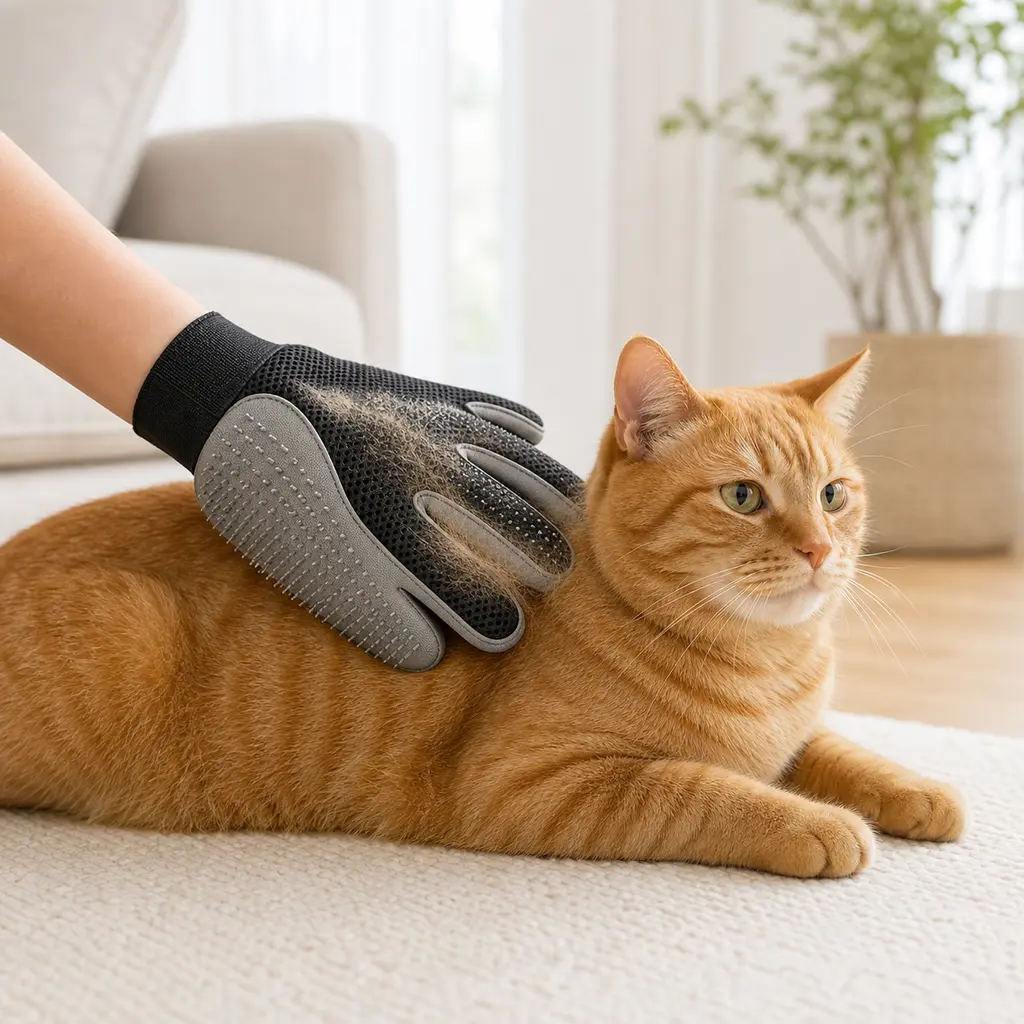
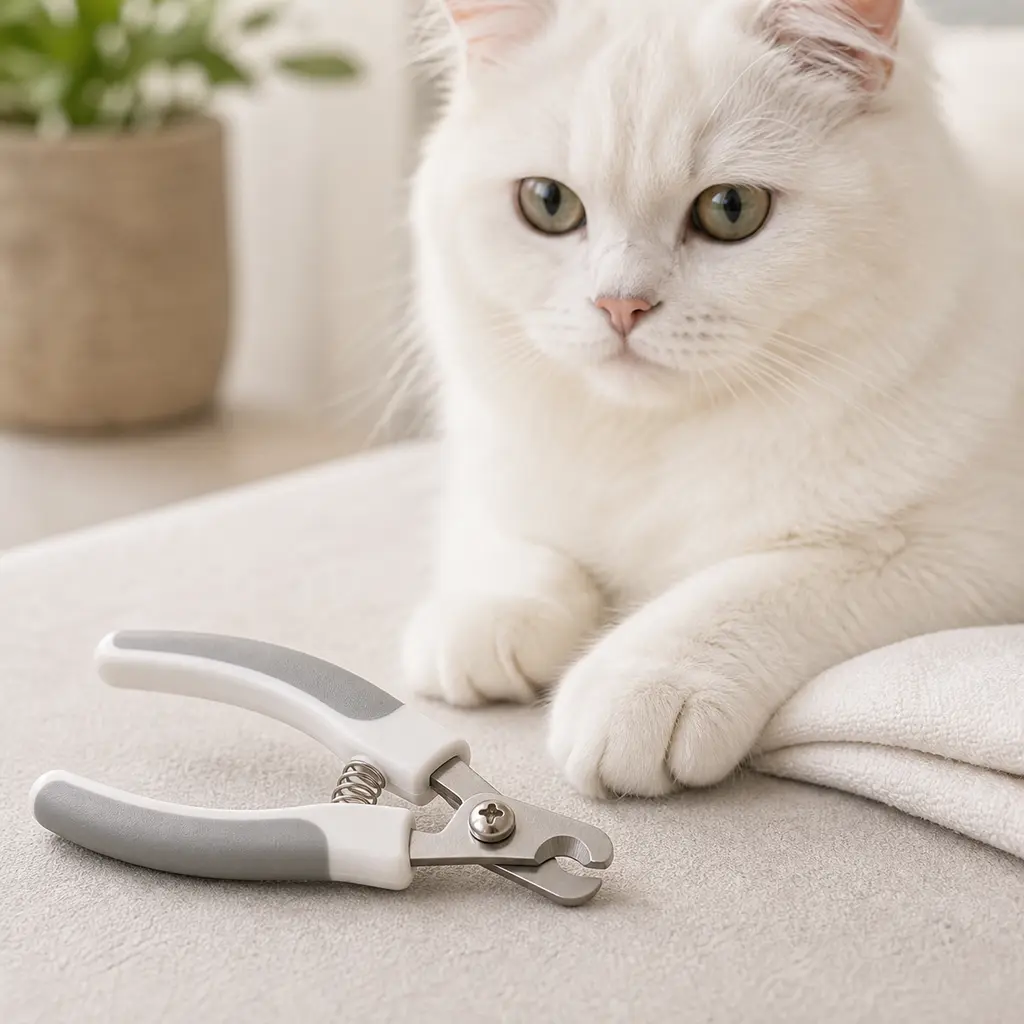
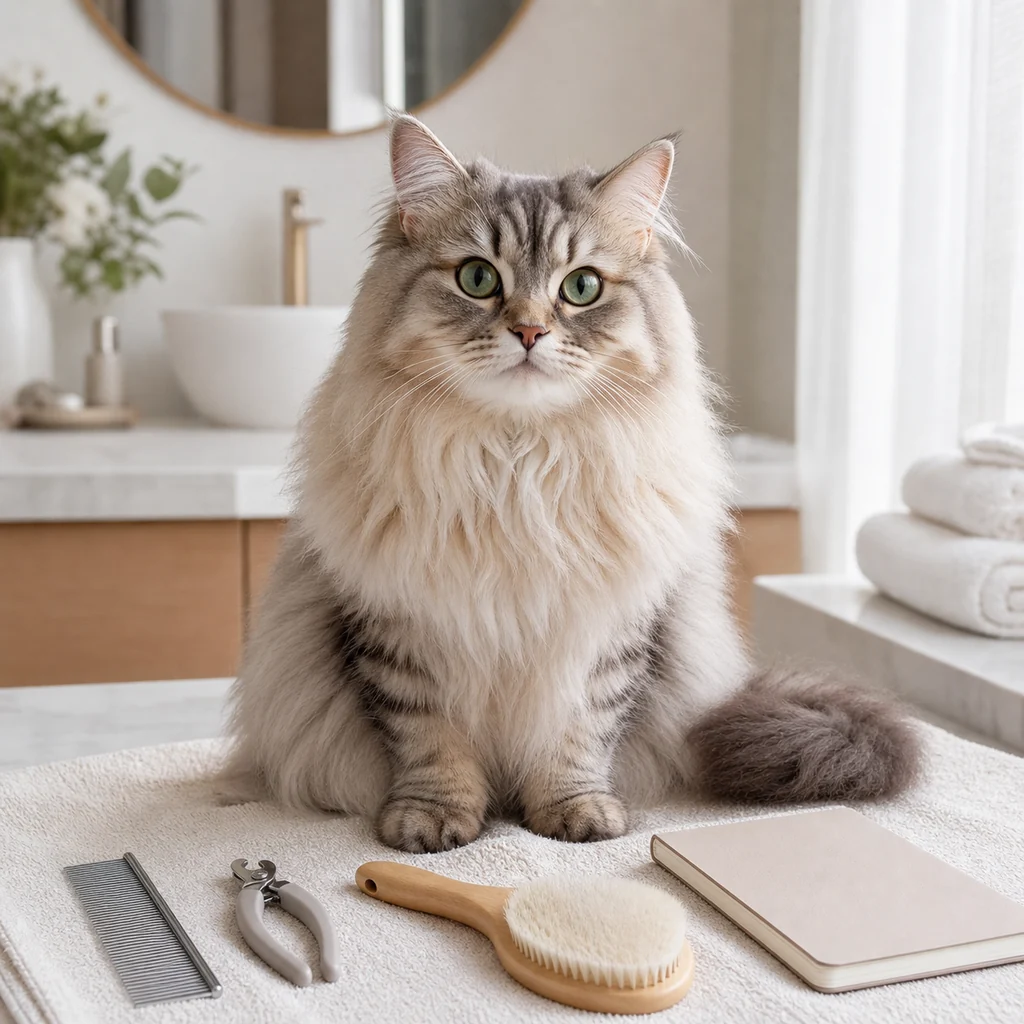
These tools help with short, gentle sessions. Painful mats, eye issues, skin wounds, or paw-pad nail problems still belong with a groomer or veterinarian.
Affiliate links: Furball Cove may earn from qualifying purchases at no extra cost to you.
To clean tear stains on a cat's face, protect the skin and keep the session short. Gentle tools, rewards, and pauses matter more than forcing the whole job at once.
When should I get help?
Ask a groomer or veterinarian for tight mats, skin wounds, eye discharge, painful brushing, infected ears, or nails growing toward the paw pad.