Updated
Dog game guide
Treat Bowling for Dogs
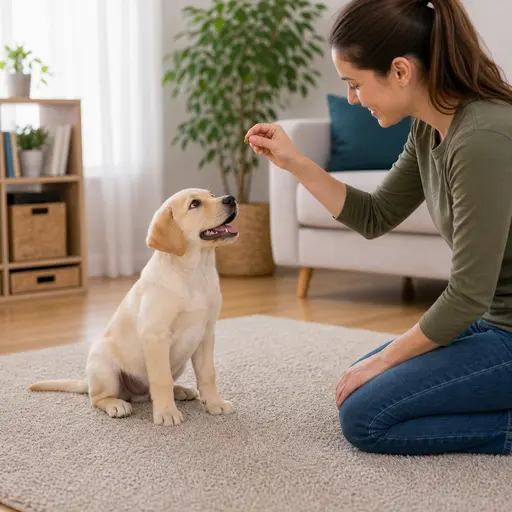
Roll a treat away, then reward your dog for turning back to you instead of wandering off.
Make it cheerful, gentle, and easy enough for everyone to get right.
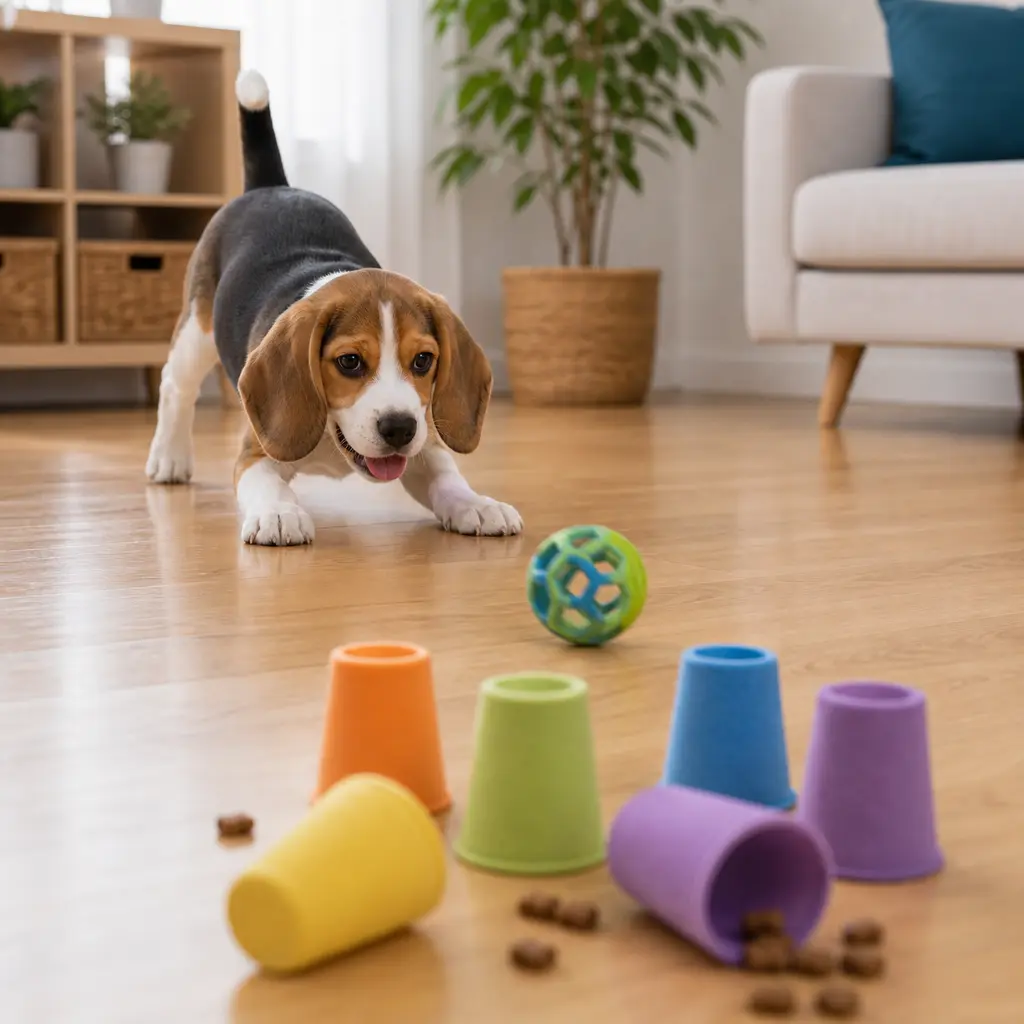
Treat Bowling should feel like a small shared joke between you and your dog. Keep the mood light, reward the little tries, and stop before anyone gets frustrated.
The goal is not a perfect trick in one session. It is helping your dog understand the game and want to play it again tomorrow.
Great for
- Puppies and new dogs learning how family games work.
- Kids who can follow simple, gentle rules.
- Dogs who need confidence without pressure.
Wait a bit if
- Food makes your dog guardy, frantic, or unable to think.
- The game stops feeling playful and starts feeling like pressure.
Teach the pattern clearly
Choose a quiet moment
Begin Treat Bowling when your dog is already close to calm. It is much easier to reward softness than to wrestle excitement down.
Reward the first pause
Mark the tiny moment your dog holds still, looks at you, or settles into the spot. Small pauses become bigger ones.
Add the cue gently
Say your cue right before the easy version happens. Keep your body relaxed so Treat Bowling feels peaceful, not tense.
Build seconds slowly
Add time one breath at a time. If your dog pops up, you probably made the round too long.
Practice in real life
Use the skill before dinner, guests, doors, or couch time. Real moments make the cue useful.
Release clearly
Give your dog a simple all done or okay so they know when the job is over.
Little things that help
If your dog gets stuck
Make the next try easier. A quick win teaches more than repeating the same confusing setup.
If excitement takes over
Use smaller rewards, slower hands, and fewer reps. You can always make it more exciting later.
If kids are helping
Let an adult manage treats and timing first. Kids can join once the dog knows the game.
Helpful little extras
Affiliate links: Furball Cove may earn from qualifying purchases at no extra cost to you.
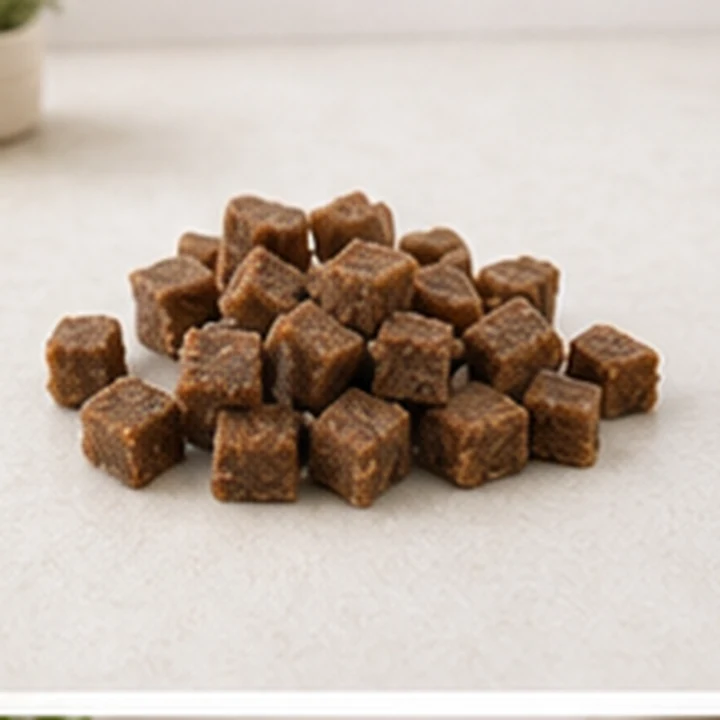
Soft training treats
Small soft treats let you reward the quiet moments in Treat Bowling without making the whole thing feel exciting again.
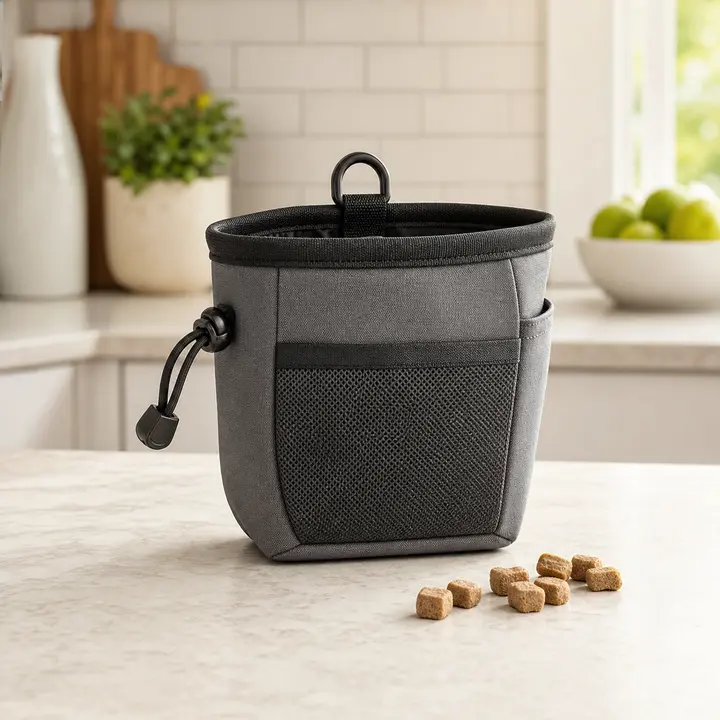
Treat pouch
A pouch keeps rewards ready so you are not fumbling when your dog offers the moment you want in Treat Bowling.
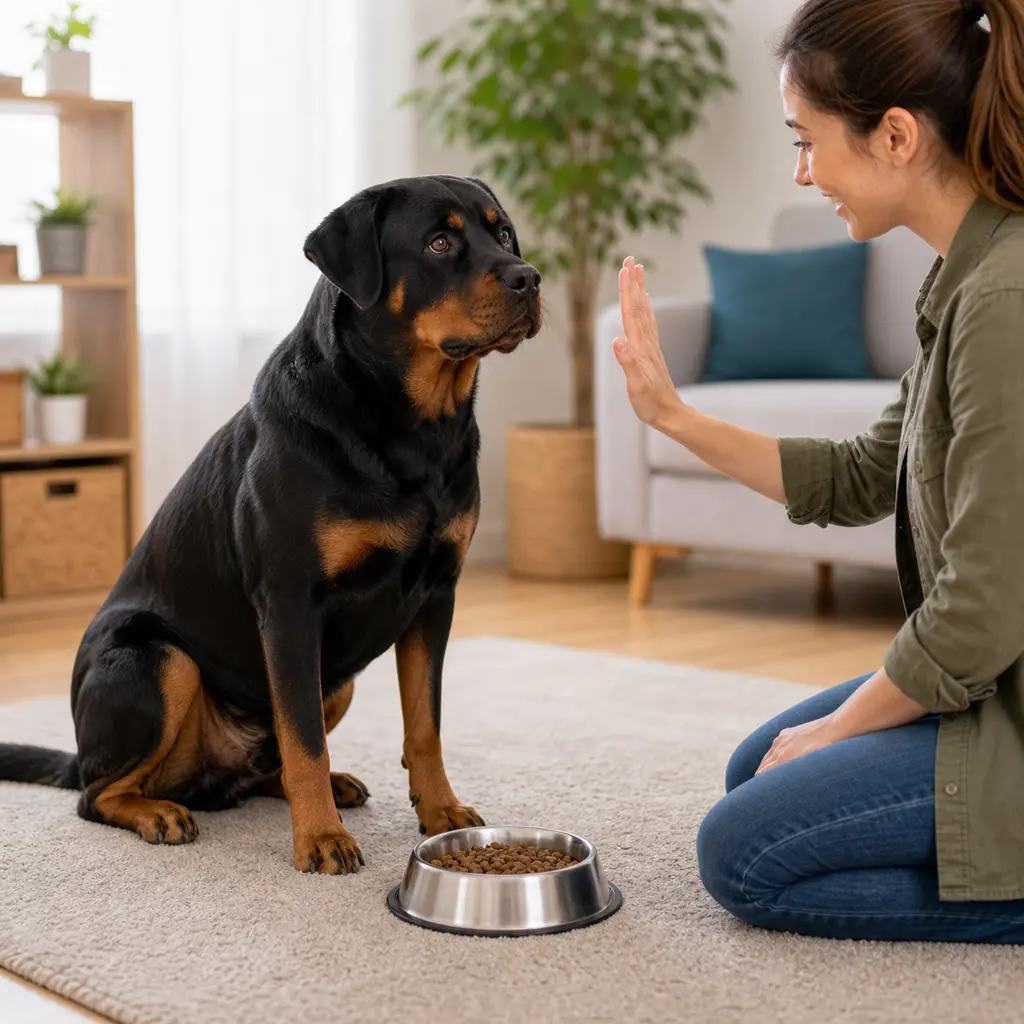
Slow feeder bowl
A slow feeder can make Treat Bowling easier by turning mealtime into a calmer, more thoughtful routine.
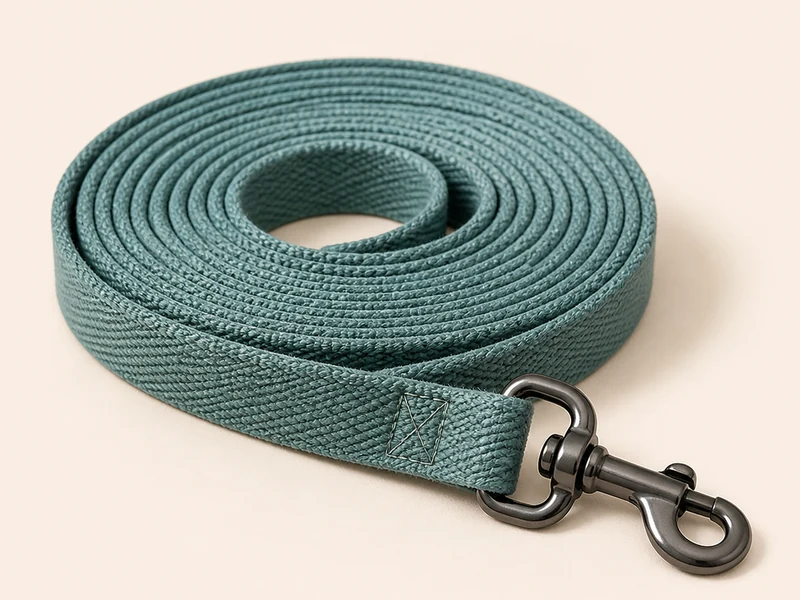
Lightweight leash
A light leash can keep Treat Bowling calm and organized while a puppy is still learning the rules.
Questions people ask
How long does treat bowling take to teach?
Many dogs understand the first version in a few short sessions. A polished treat bowling may take several days, especially if you are building calm manners into it.
What if my dog does not get it?
Make the next rep easier and reward a smaller try. Dogs learn faster when they feel successful instead of corrected.
How often should we practice?
One or two tiny sessions a day is plenty. Stop while your dog still looks happy to play.