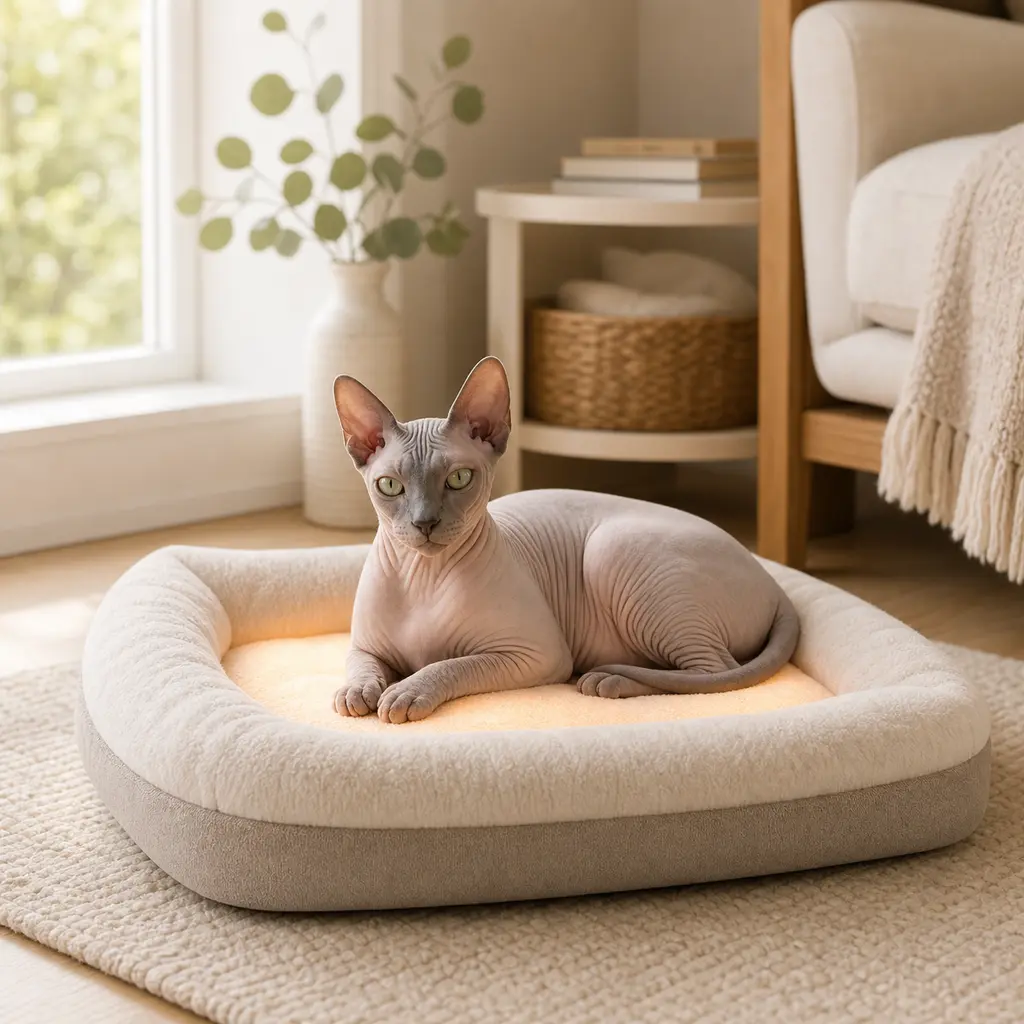
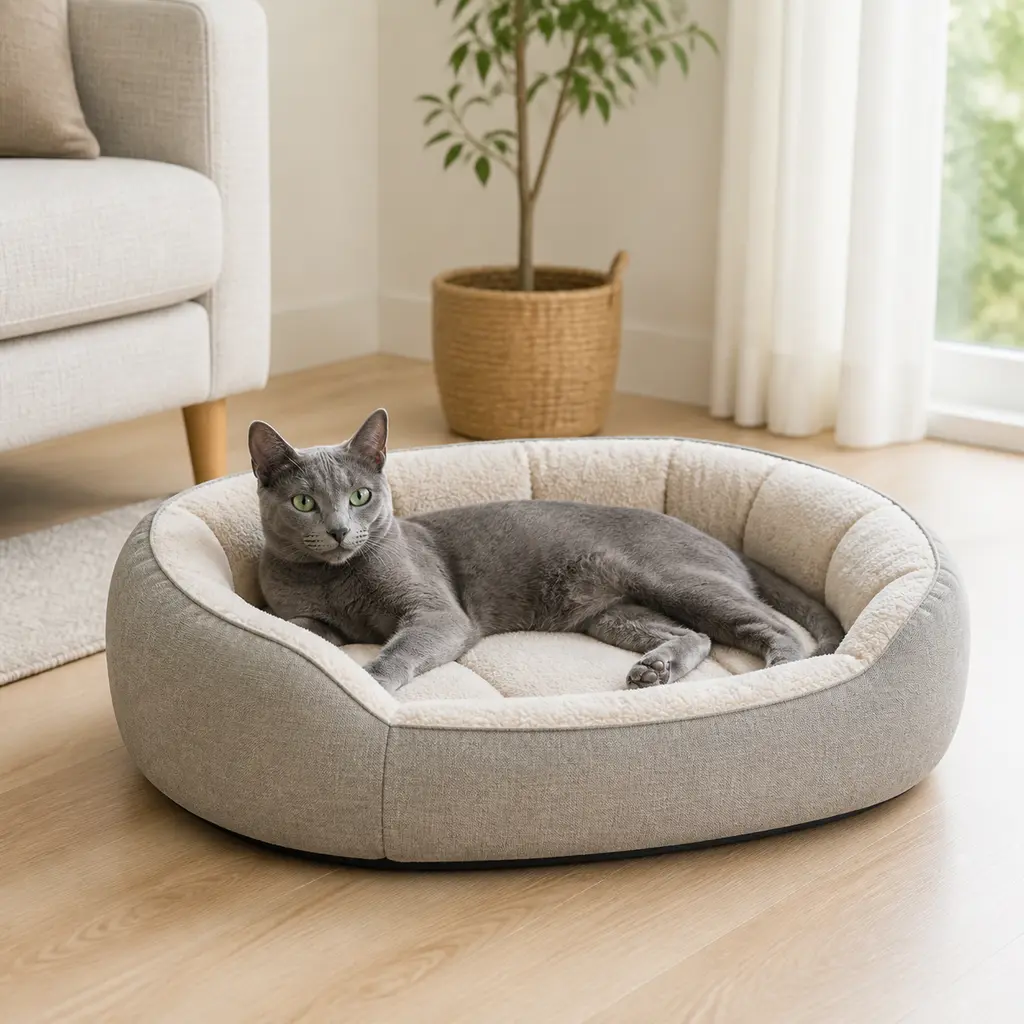
A heated bed can be safe for some senior cats when it is pet-specific, low heat, easy to leave, cord-safe, and checked often; avoid human heating pads and trapped heat.
Warmth can feel wonderful to an older cat, but the bed has to let your cat move away, stretch out, and rest without overheating or lying on a risky cord.
Choose pet-safe low warmth
Use a cat or pet heated bed made for continuous low warmth, not a human heating pad meant for short supervised use. Follow the label and keep the bed dry and flat.
Senior-cat changes deserve a slower read. Compare the new pattern with appetite, weight, litter habits, jumping, grooming, sleep, and whether the room has become harder to use.
Make leaving easy
Your senior cat should be able to step away without climbing, jumping, or crossing a slippery floor. Heat is safer when your cat can choose a cooler spot without effort.
Start by comparing today with your cat's normal. A senior cat who changes appetite, litter habits, jumping, grooming, sleep, or social behavior is giving useful information.
Check cords and skin
Route cords away from chewing and tight bends, and check the sleeping area for hot spots. During calm petting, notice whether the skin looks red, irritated, damp, or sore.
Make the next step easy on joints and predictable for the routine. Lower the entry, shorten the jump, add traction, warm the bed, or schedule the checkup before guessing.
Use extra caution with limited mobility
A cat who cannot move easily may not leave warmth soon enough. If your cat is weak, painful, confused, or very thin, ask your veterinarian what warmth setup is safest.
Do not write off sudden senior changes as age. Appetite loss, weight loss, new hiding, pain, falls, litter changes, or confusion deserve a veterinary conversation.
Before you decide
Is the bed pet-specific and designed for low continuous warmth?
Can your cat leave the bed easily without a jump or slippery route?
Are cords hidden from chewing and away from wet spots?
Is your cat frail, weak, confused, very thin, or unable to move normally?
Next best moves
Use only a pet-safe heated bed and follow the product directions.
Place a cooler bed nearby so your cat can choose.
Ask your veterinarian before using heat for frail cats or cats with wounds, weakness, cord chewing, or poor mobility.
Helpful supplies
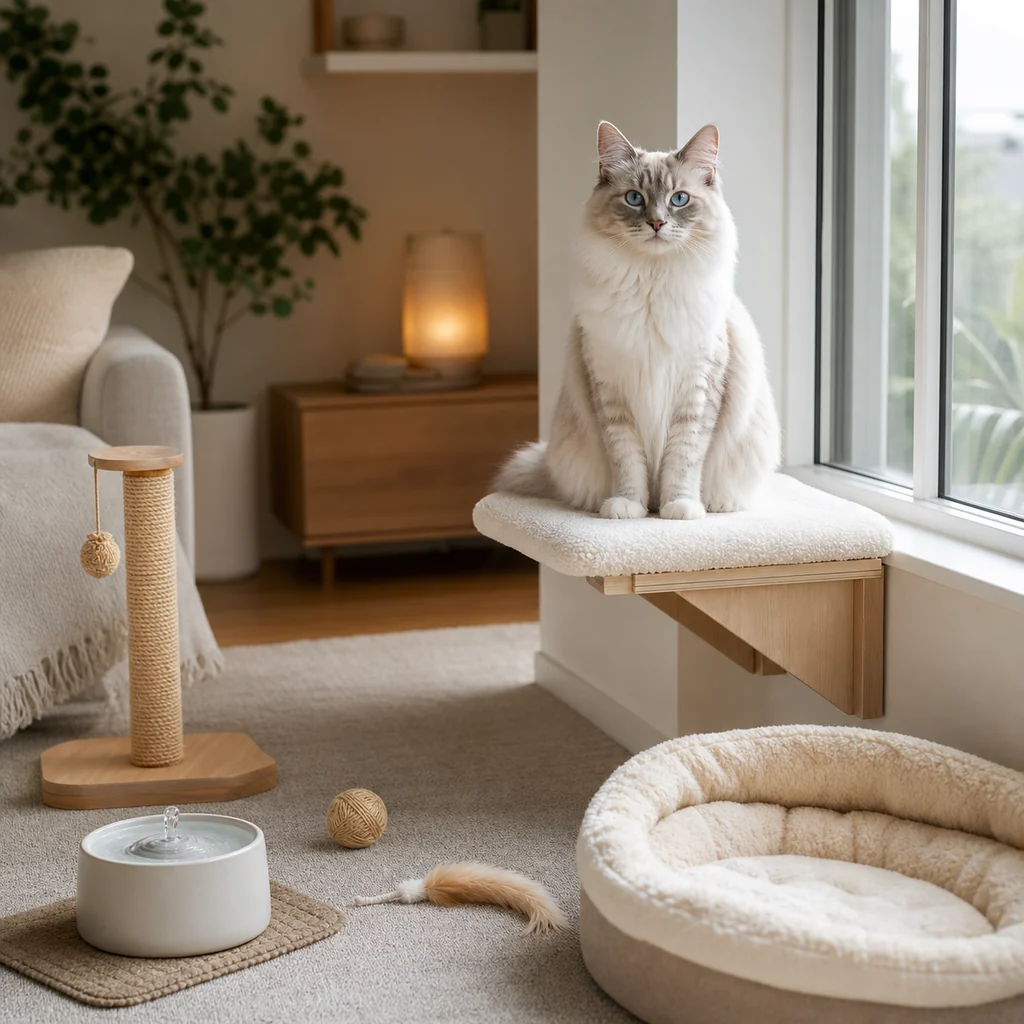
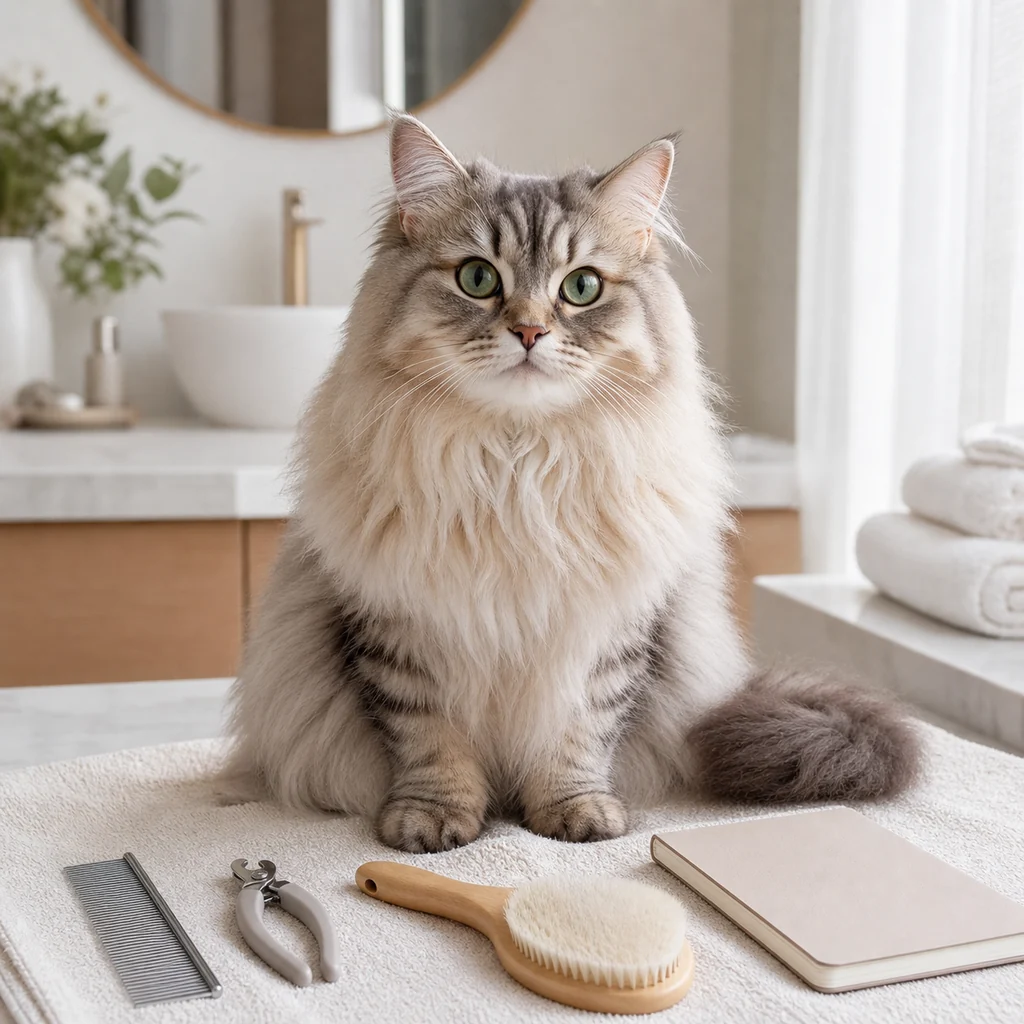
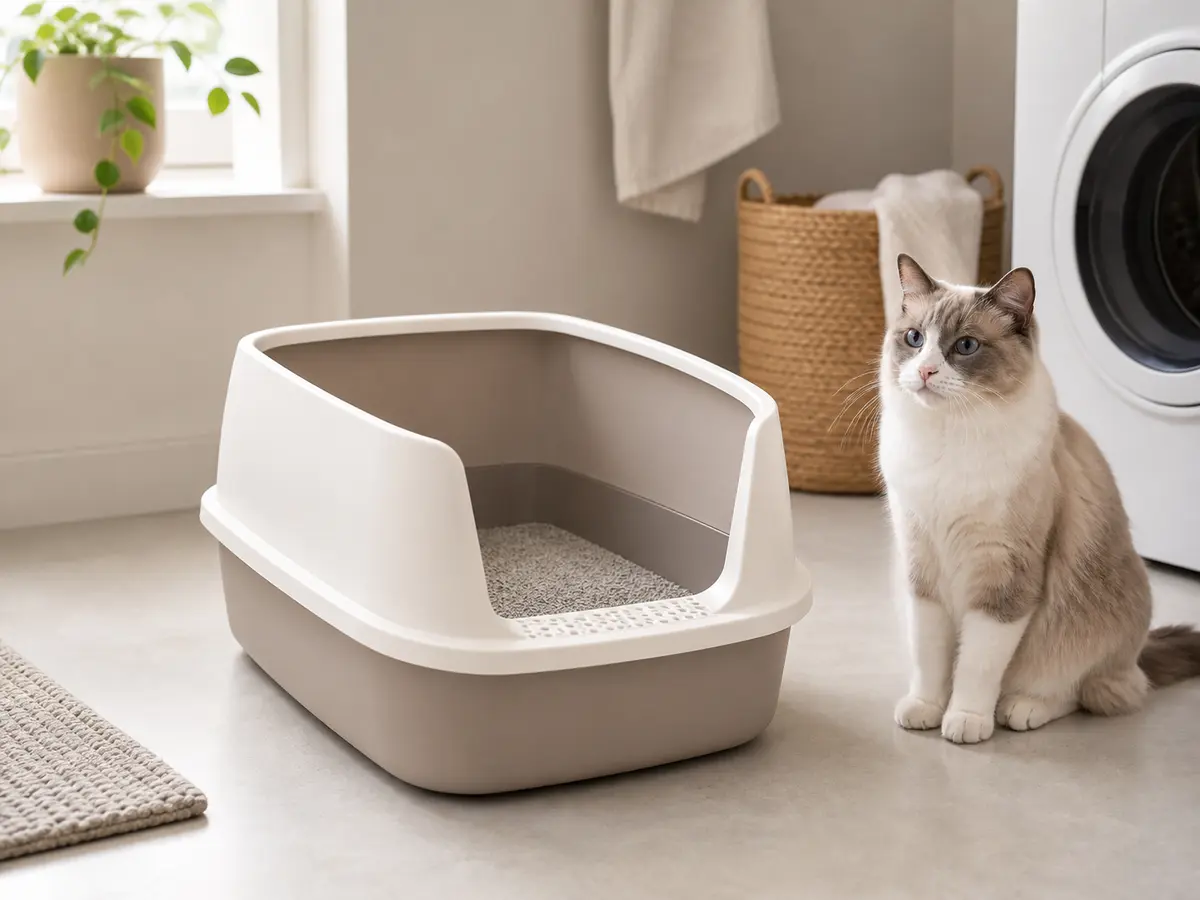
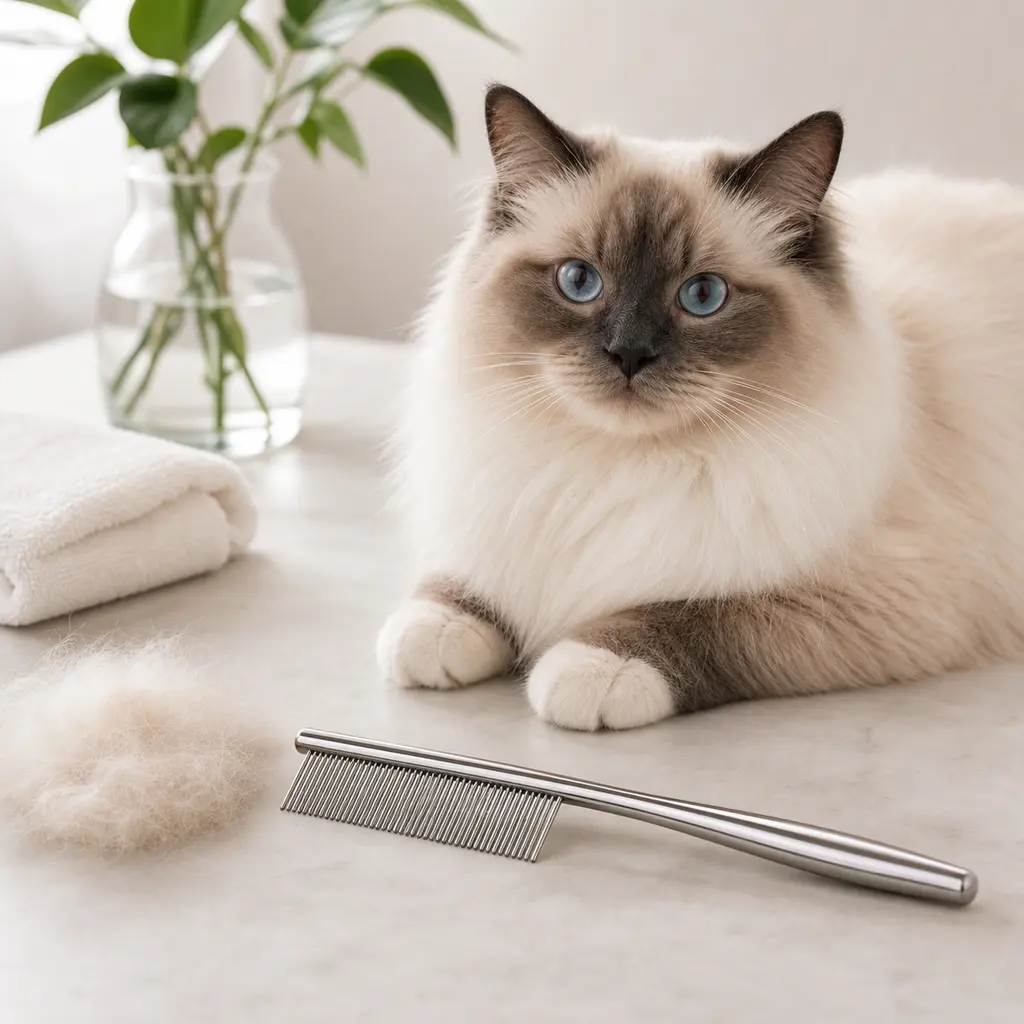
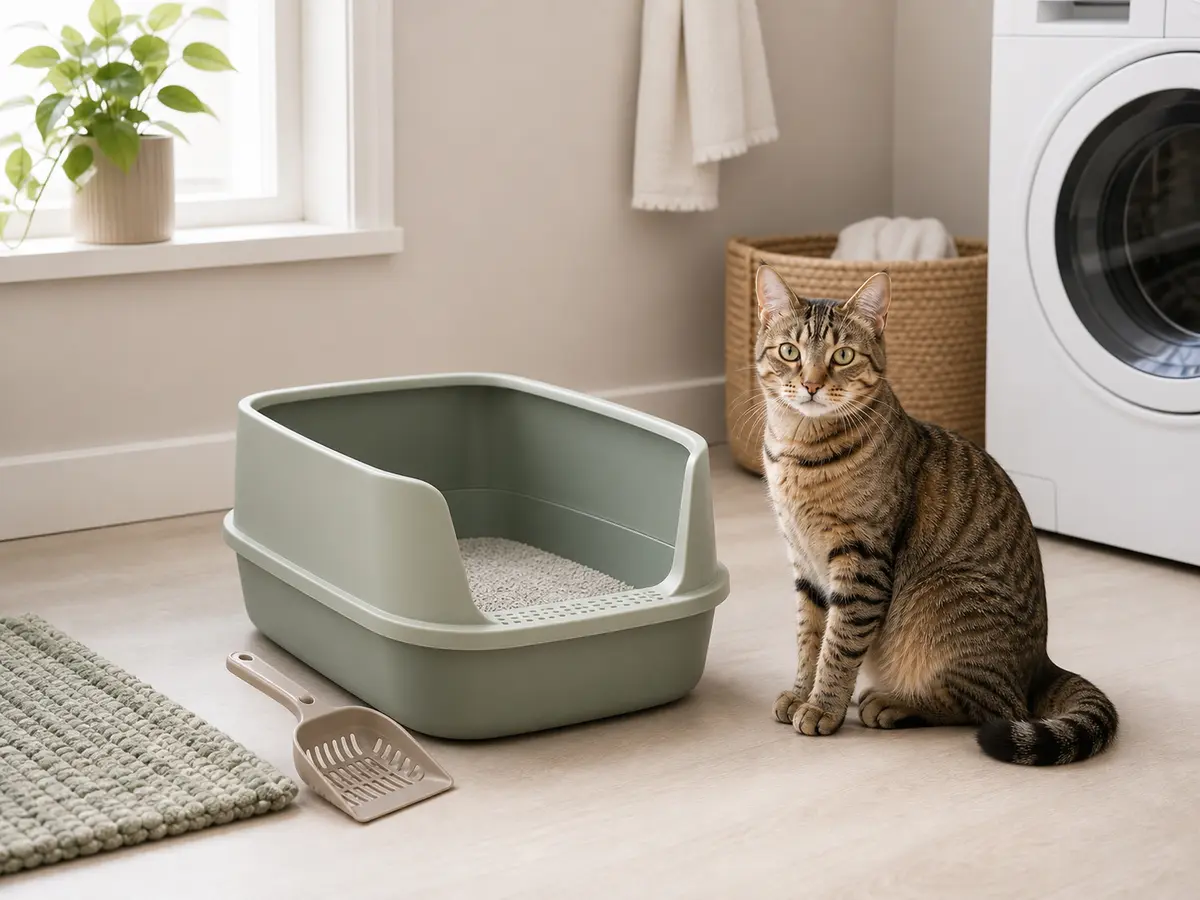
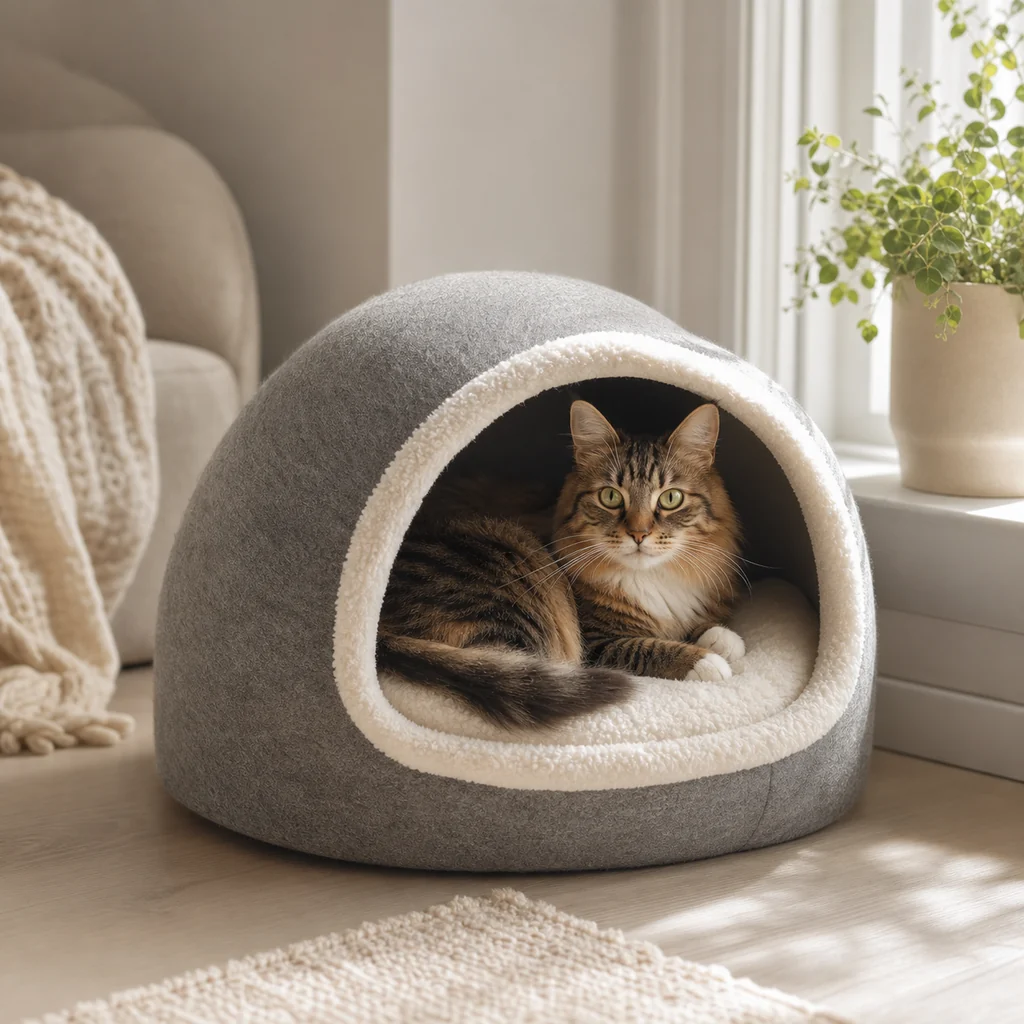
Senior supplies should reduce effort: lower climbs, warmer rest, easier litter access, and gentler coat checks.
Affiliate links: Furball Cove may earn from qualifying purchases at no extra cost to you.
A heated bed can be safe for some senior cats when it is pet-specific, low heat, easy to leave, cord-safe, and checked often; avoid human heating pads and trapped heat.
When should I get help?
Ask your veterinarian before using heat for a cat who is very frail, unable to move normally, has skin wounds, chews cords, seems overheated, or has a medical condition that affects sensation or mobility.