The best home changes for an older cat make daily life lower, warmer, steadier, closer, and easier to observe: beds, litter, food, water, traction, grooming, and quiet routes.
Senior comfort is usually built from small decisions. A lower bed, a closer water bowl, and a grippy route can matter more than one dramatic makeover.
Lower the important destinations
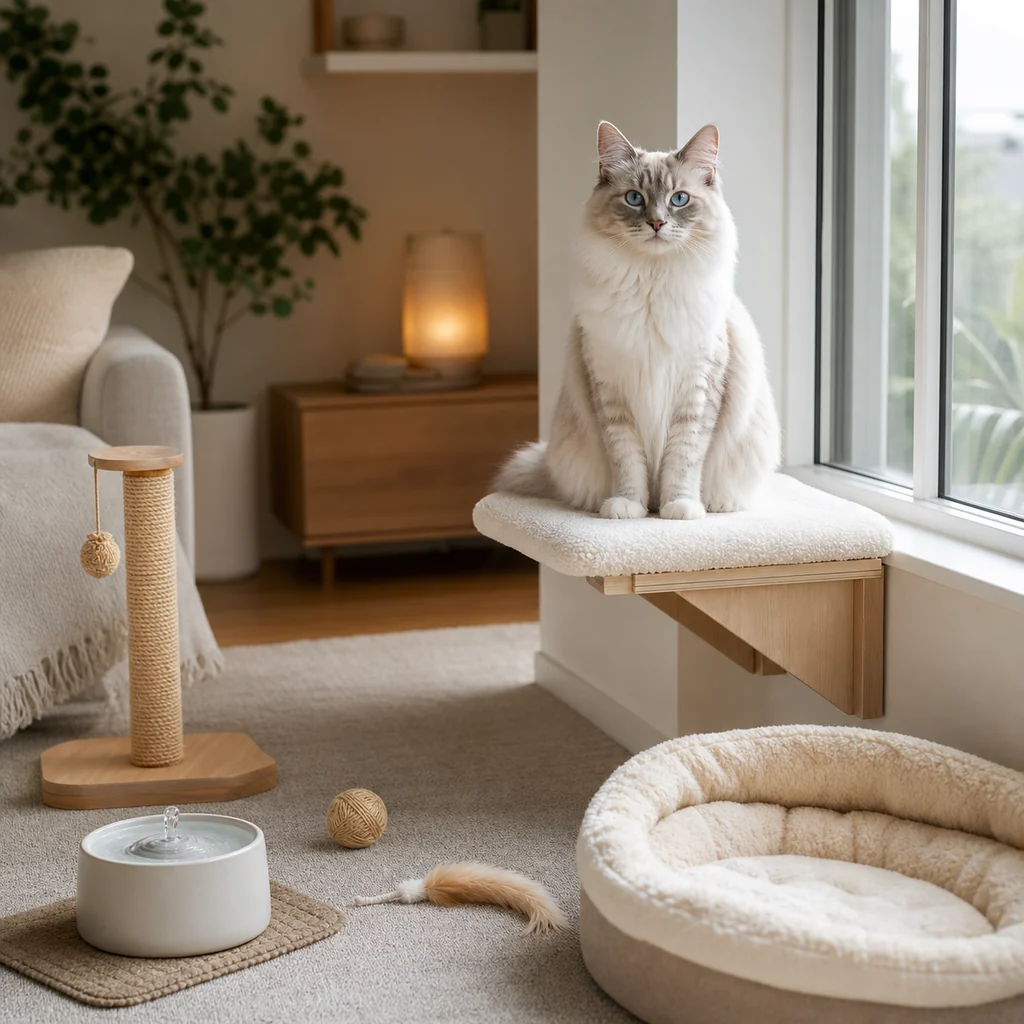
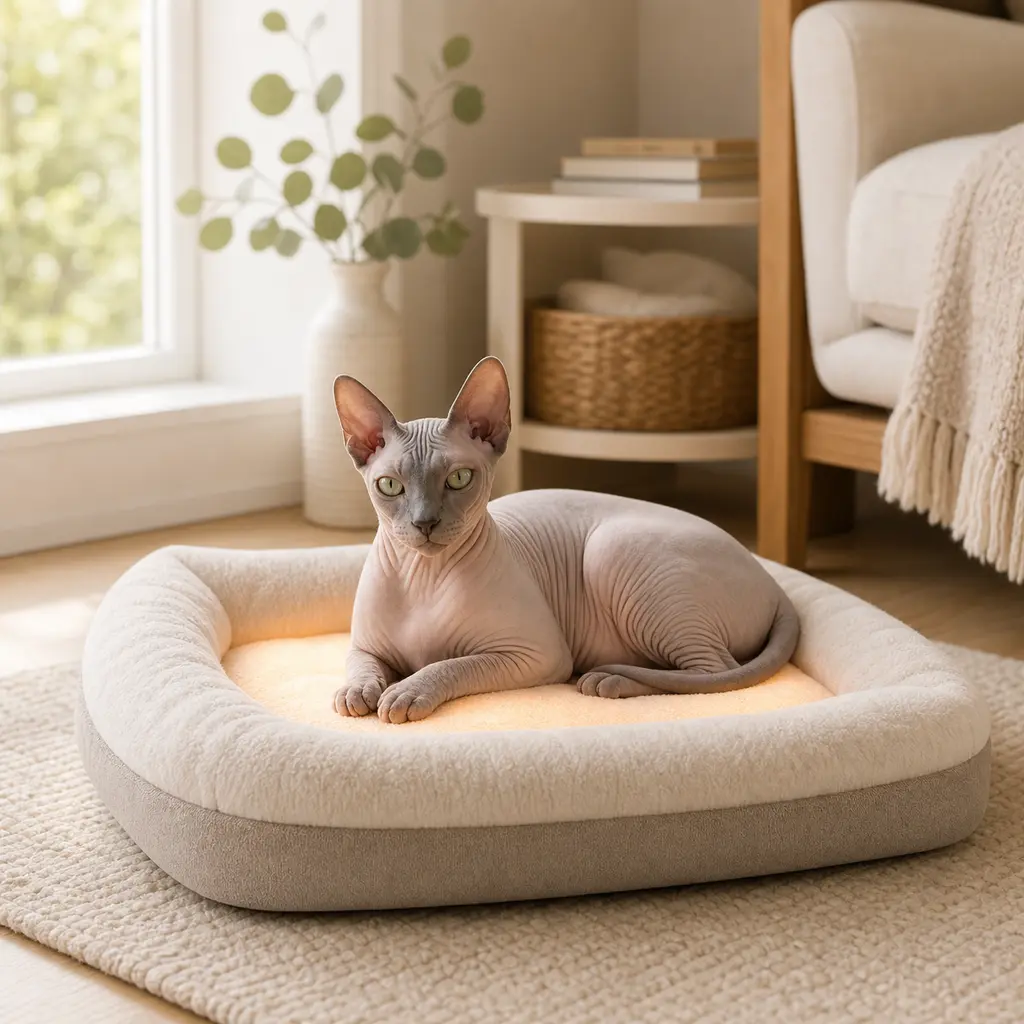
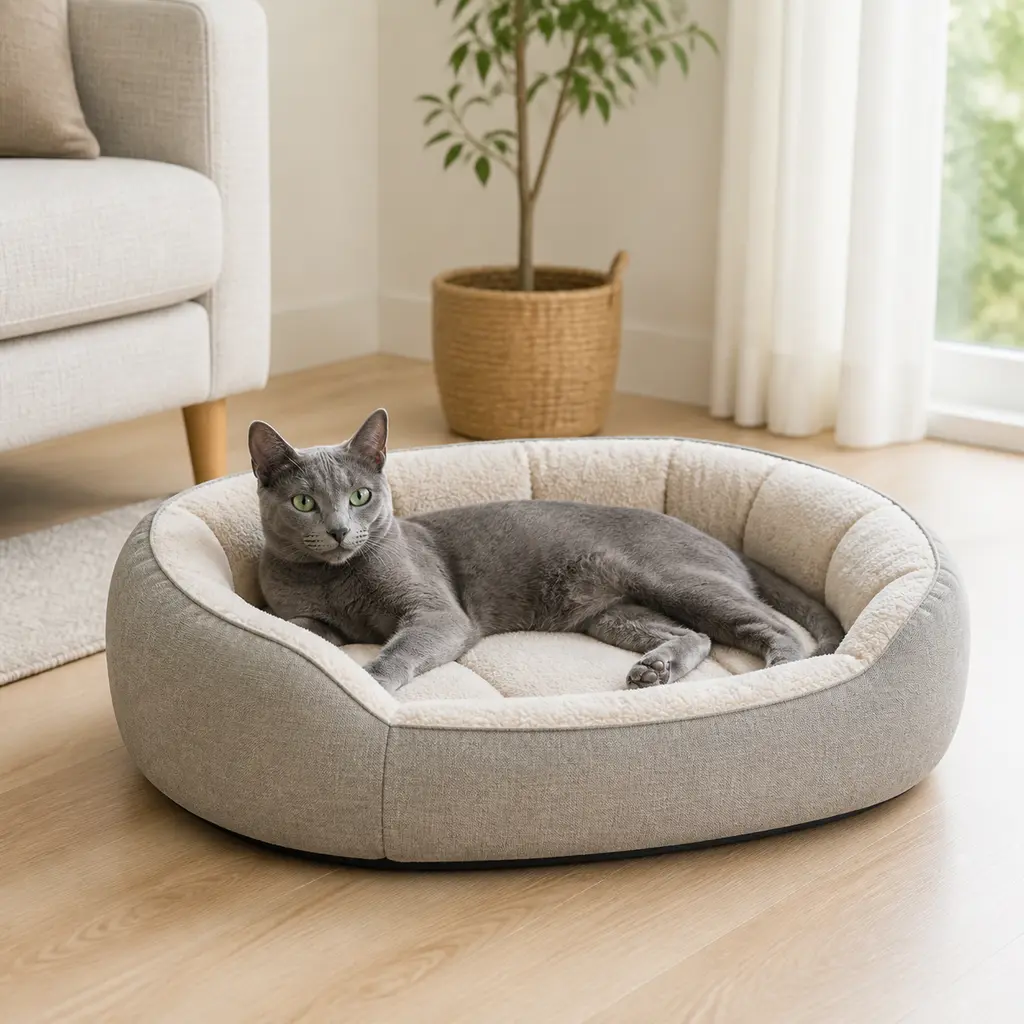
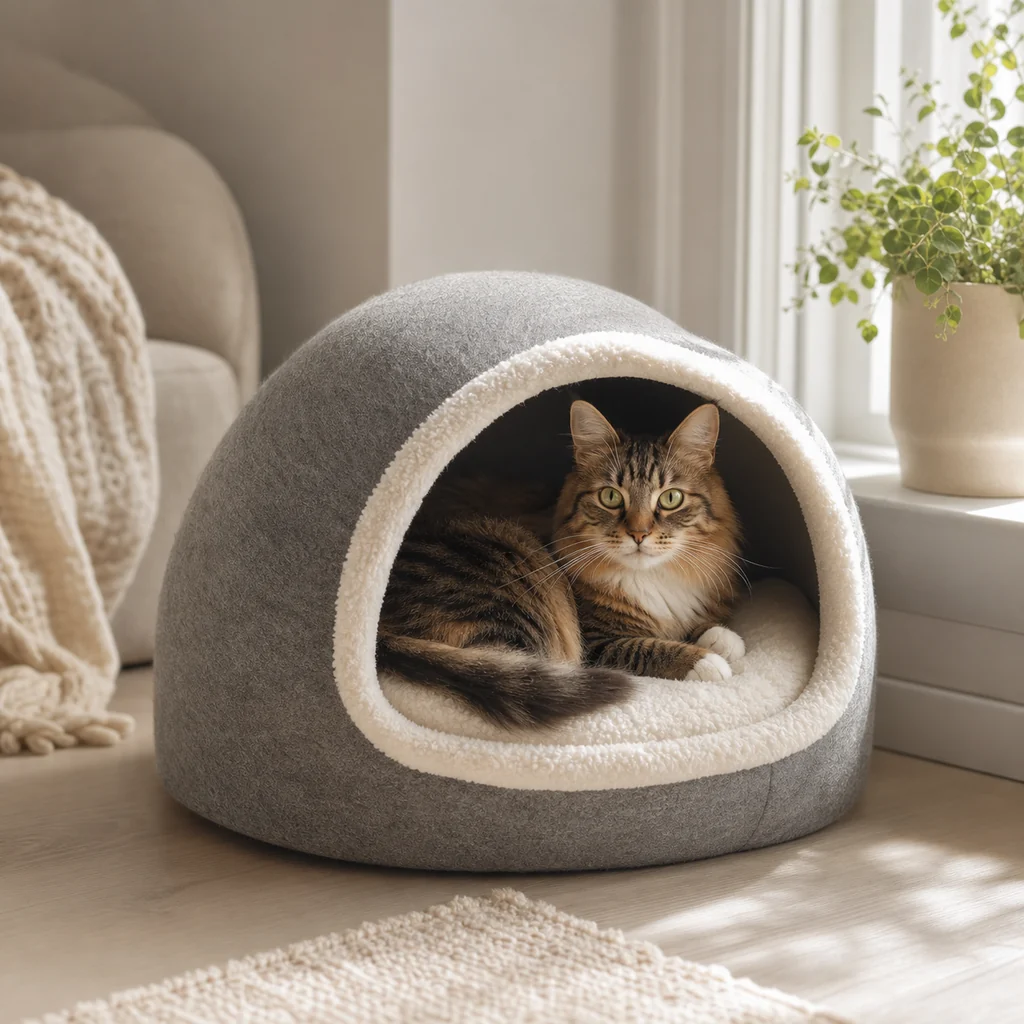
Put a warm bed, favorite perch, food, water, and litter where your cat can reach them without proving they can still jump like a youngster.
Senior-cat changes deserve a slower read. Compare the new pattern with appetite, weight, litter habits, jumping, grooming, sleep, and whether the room has become harder to use.
Add traction to the routes they use
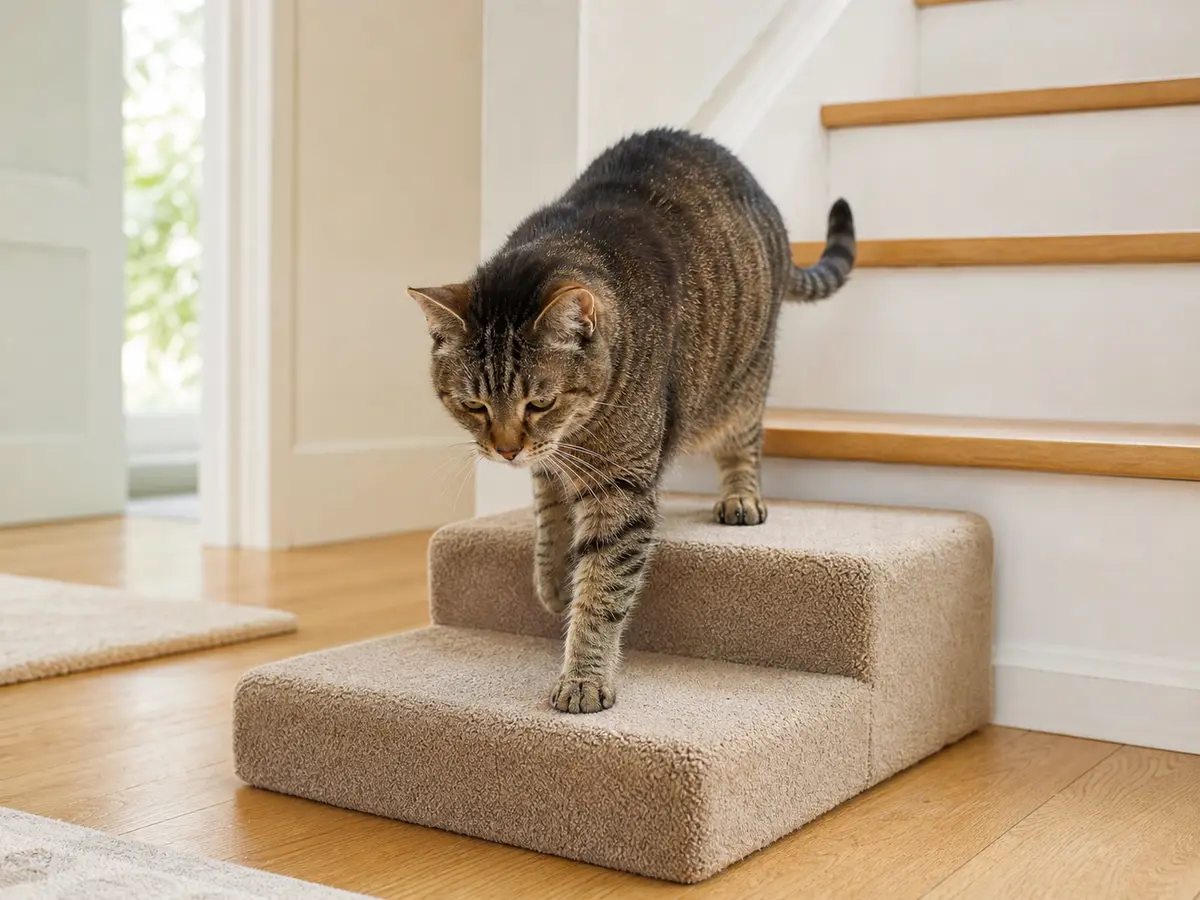
Use secured rugs, mats, or stair treads on slippery paths. Focus on launch and landing spots near beds, sofas, stairs, litter, and water.
Make the next step easy on joints and predictable for the routine. Lower the entry, shorten the jump, add traction, warm the bed, or schedule the checkup before guessing.
Make litter access obvious
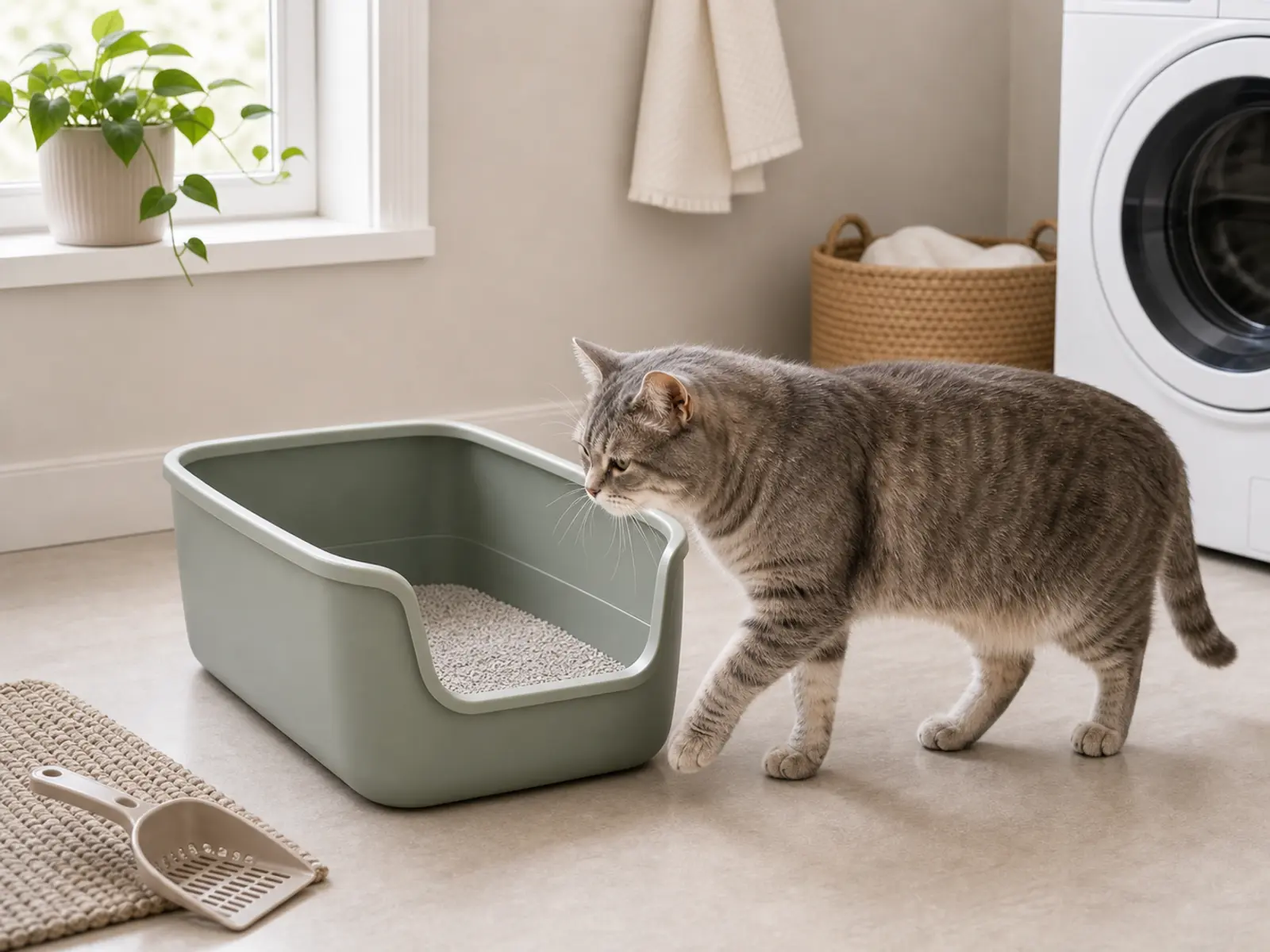
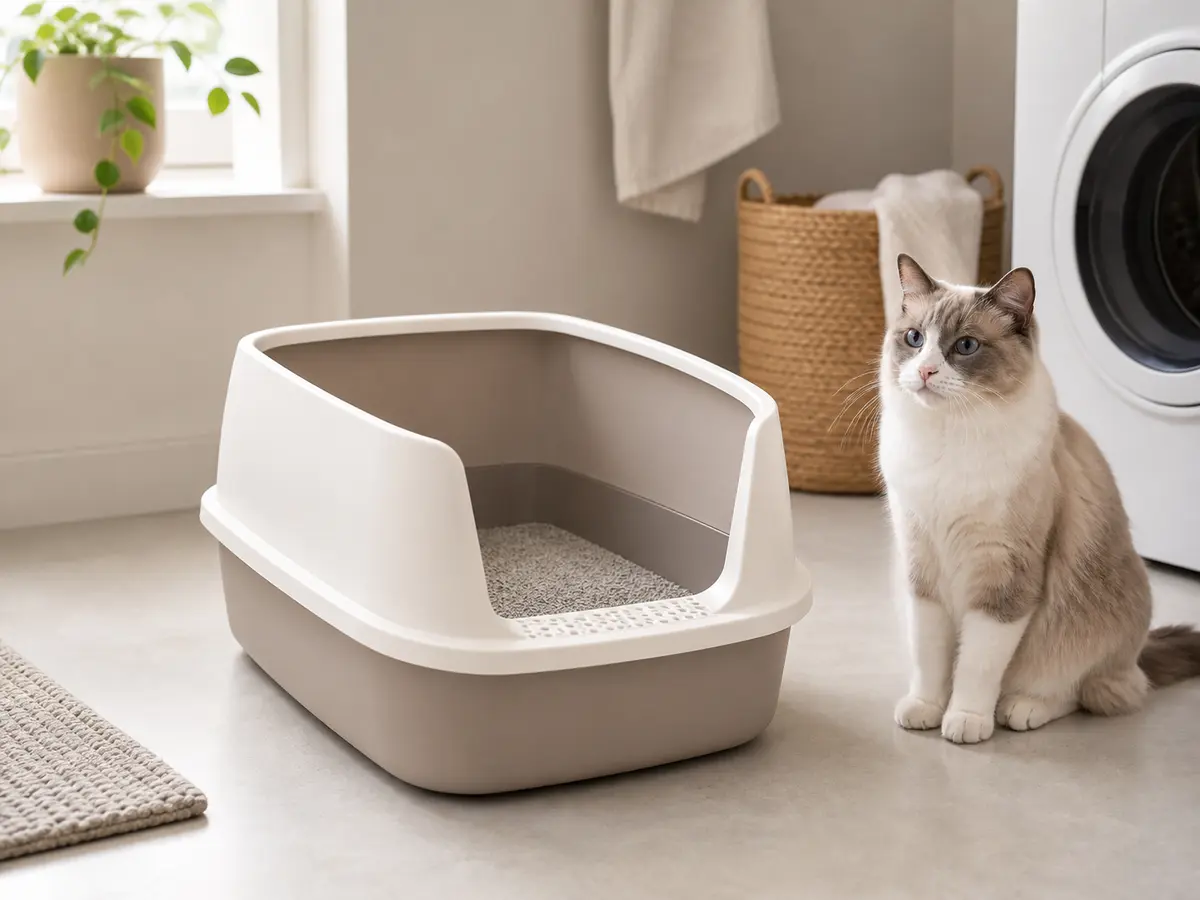
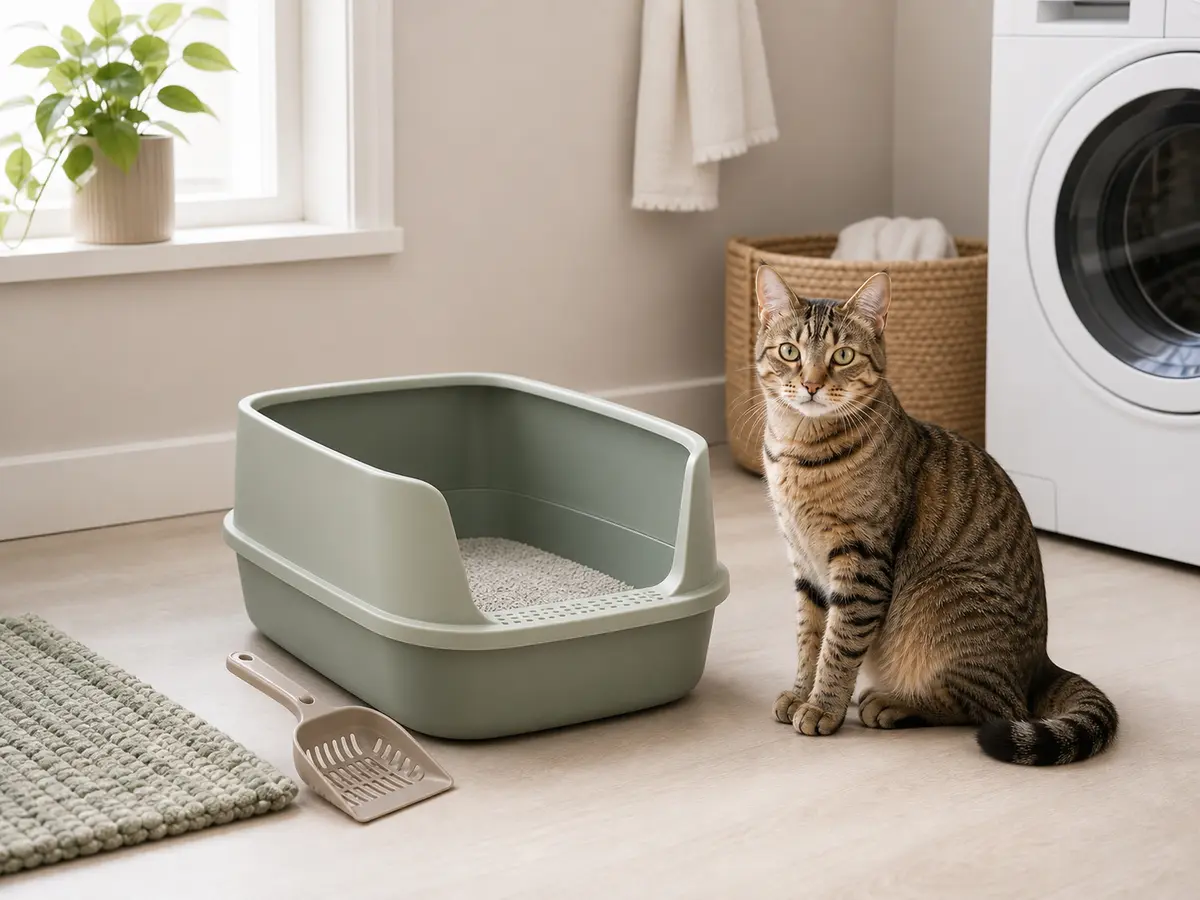
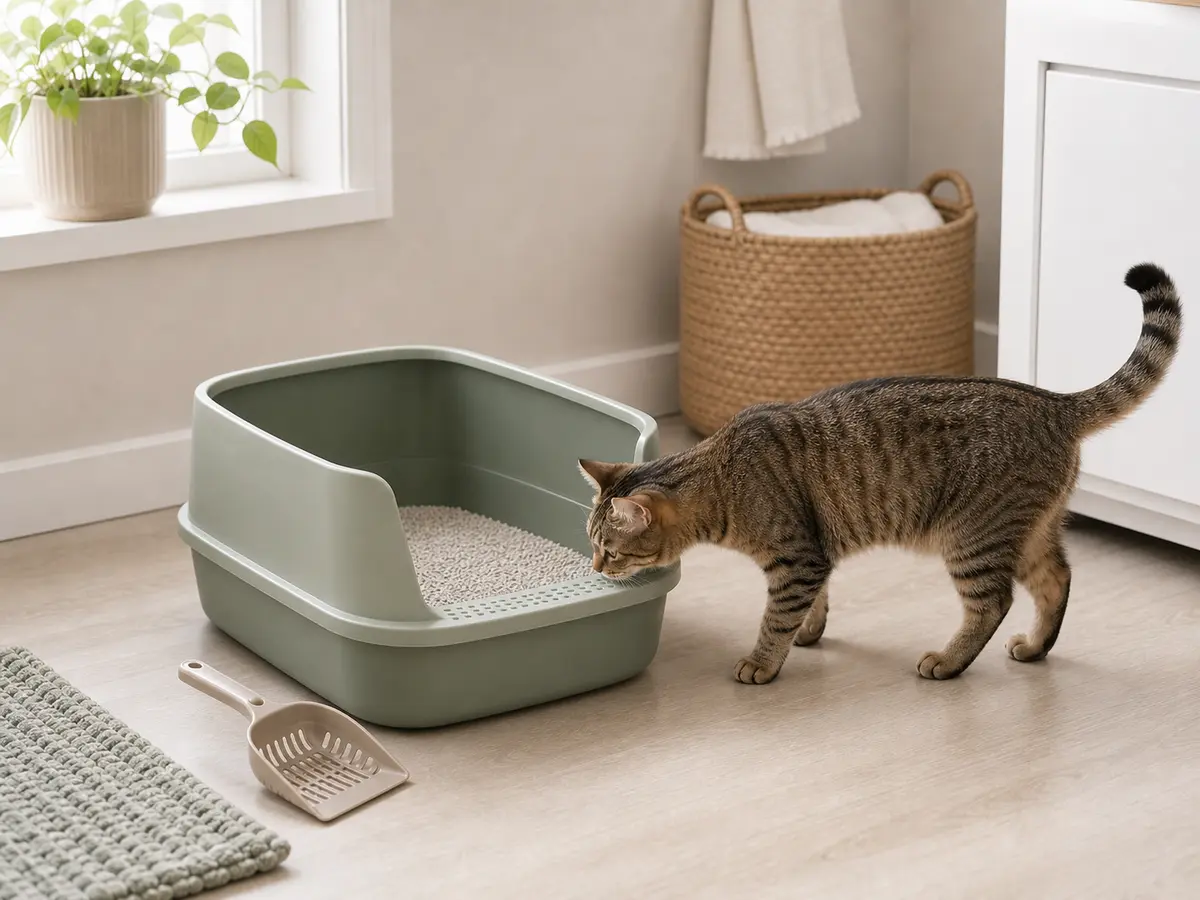
A low-entry box on the right floor can prevent a lot of stress. Senior cats should not have to choose between a painful walk and holding it too long.
Start by comparing today with your cat's normal. A senior cat who changes appetite, litter habits, jumping, grooming, sleep, or social behavior is giving useful information.
Use the setup as a daily health check
When food, water, litter, beds, and grooming spots are easier to use, changes become easier to notice. If comfort suddenly drops anyway, call your veterinarian.
Do not write off sudden senior changes as age. Appetite loss, weight loss, new hiding, pain, falls, litter changes, or confusion deserve a veterinary conversation.
Before you decide
Can your cat reach food, water, litter, and beds without big jumps or stairs?
Are favorite routes slippery, dark, cluttered, or guarded by another pet?
Do rest spots stay warm, washable, and easy to enter?
Did the need for changes appear suddenly or with pain, weight, appetite, or litter changes?
Next best moves
Fix one high-use route first: bed, litter, food, or water.
Add traction and a lower resting option before buying more gear.
Call your veterinarian if your cat suddenly cannot use normal spaces or seems painful.
Helpful supplies
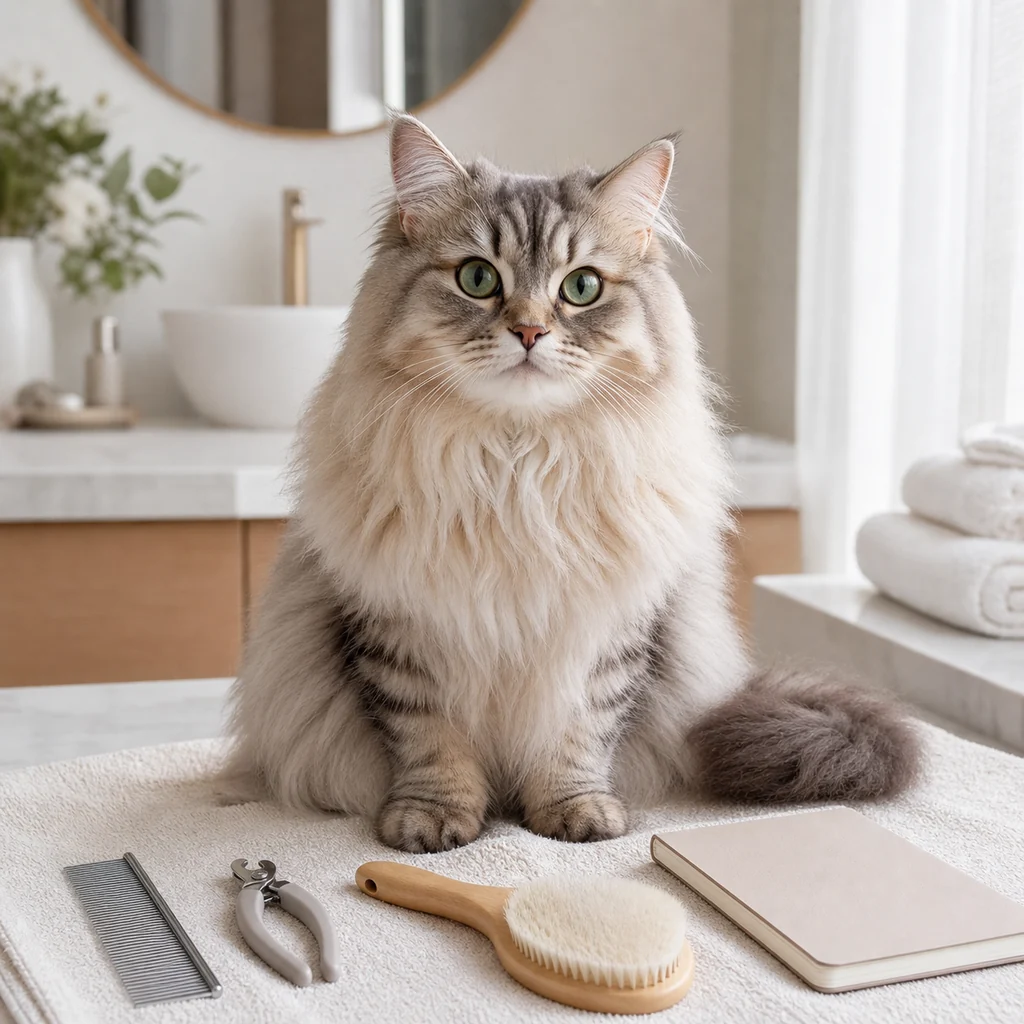
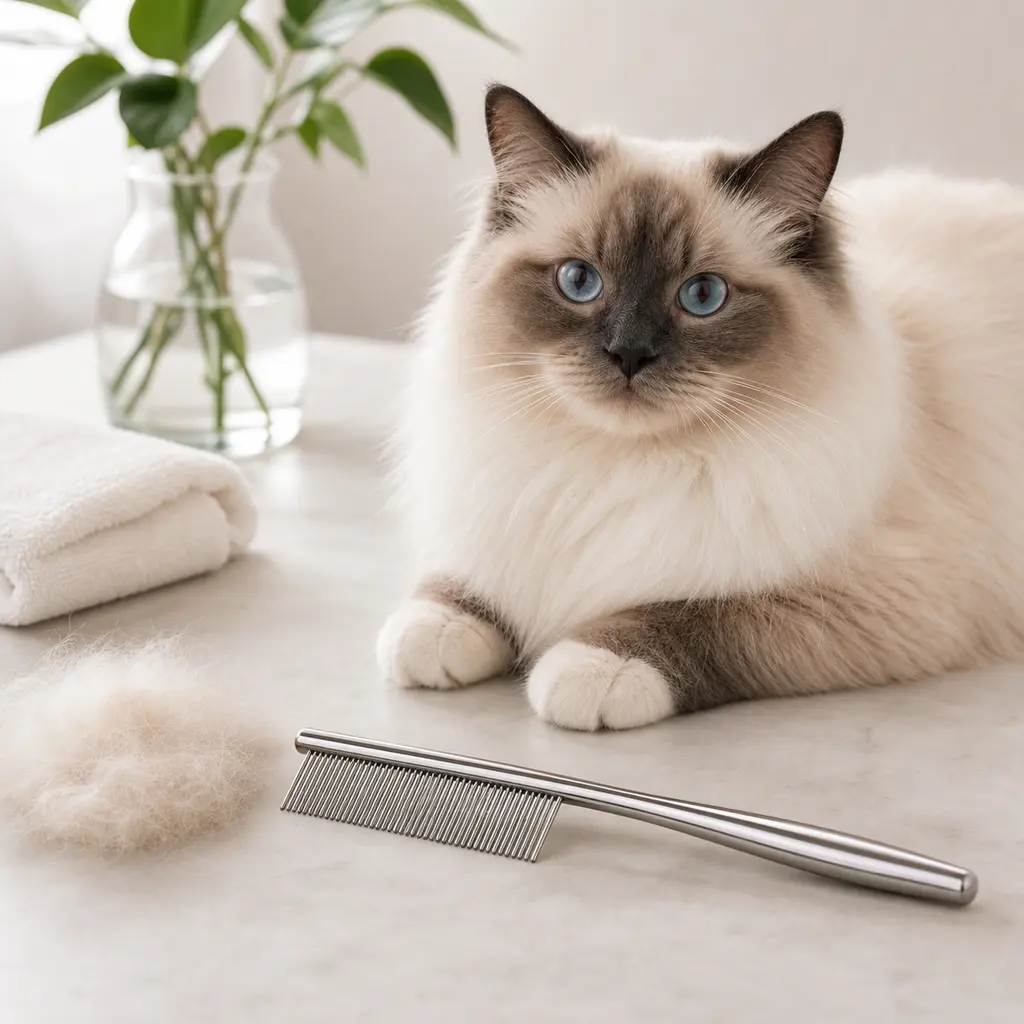
Senior supplies should reduce effort: lower climbs, warmer rest, easier litter access, and gentler coat checks.
Affiliate links: Furball Cove may earn from qualifying purchases at no extra cost to you.
The best home changes for an older cat make daily life lower, warmer, steadier, closer, and easier to observe: beds, litter, food, water, traction, grooming, and quiet routes.
When should I get help?
Call your veterinarian if home changes are needed because of sudden pain, weakness, missed boxes, weight loss, appetite change, confusion, night yowling, poor grooming, or trouble reaching essentials.