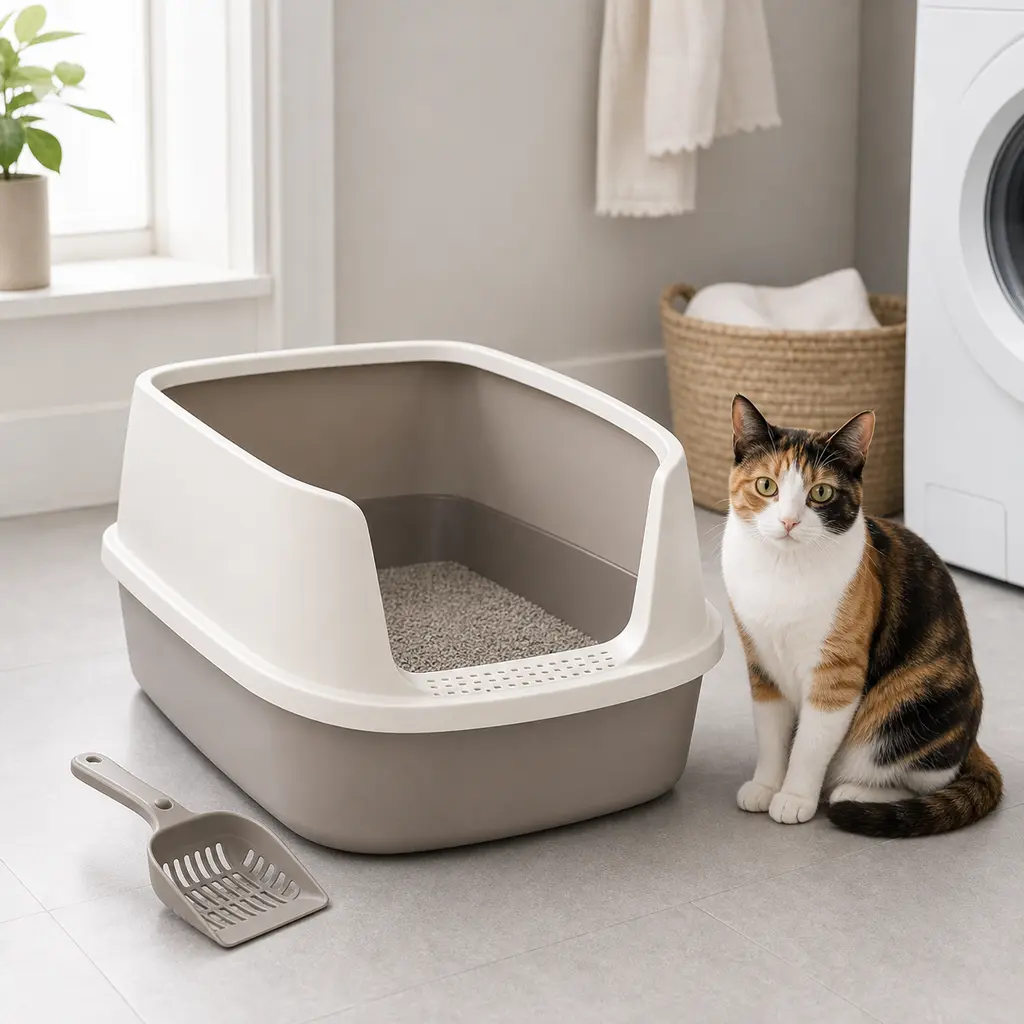
An older cat who stops using the box may be dealing with pain, access problems, stress, or illness, so do not treat it as spite.
Litter-box problems are often feedback, not attitude. Box size, entry height, litter texture, odor, cleaning rhythm, pain, stress, and other pets can all change the answer.
Start with the box and the cat
An older cat who stops using the box may be dealing with pain, access problems, stress, or illness, so do not treat it as spite.
Start with comfort and access before assuming attitude. A cat who is sore, blocked, startled, crowded, or avoiding the box needs a different answer than a cat rejecting one litter texture.
What this looks like at home
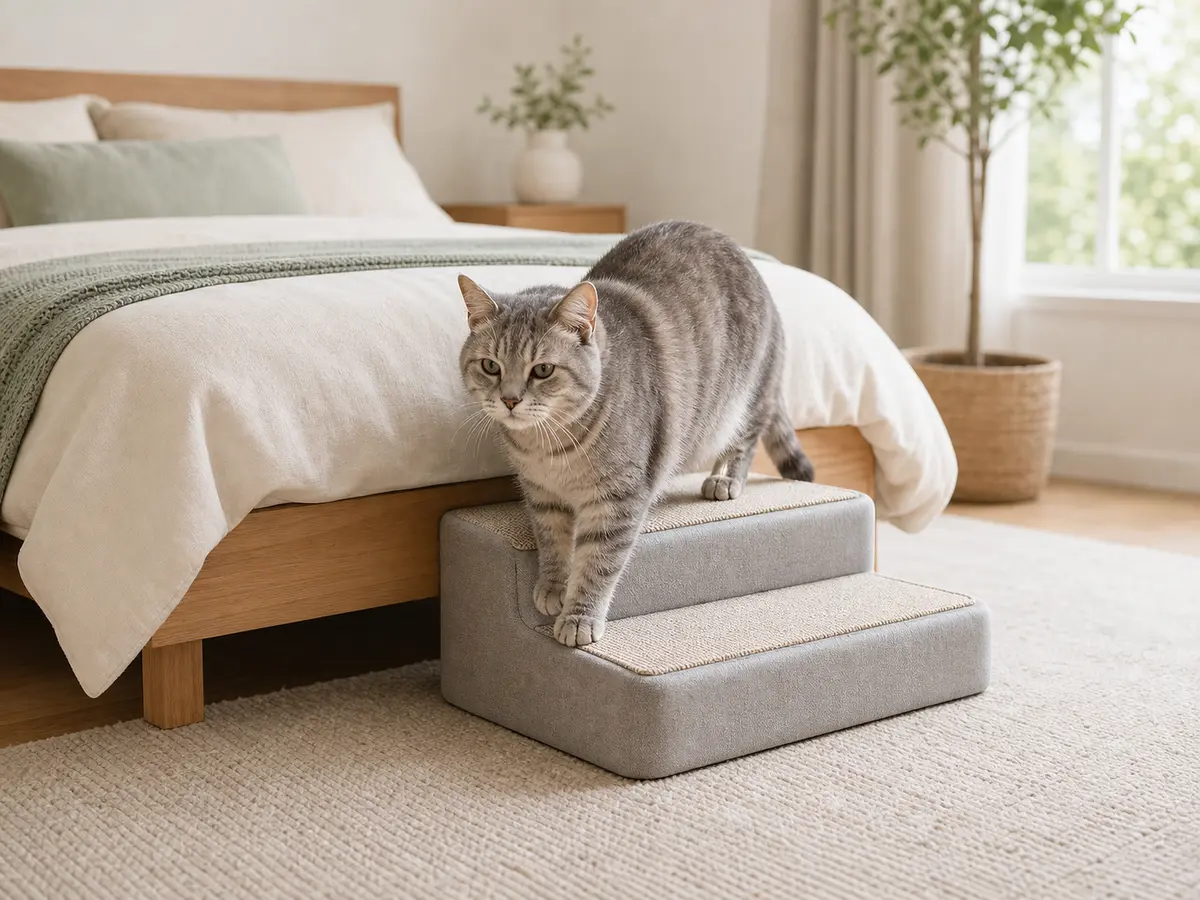
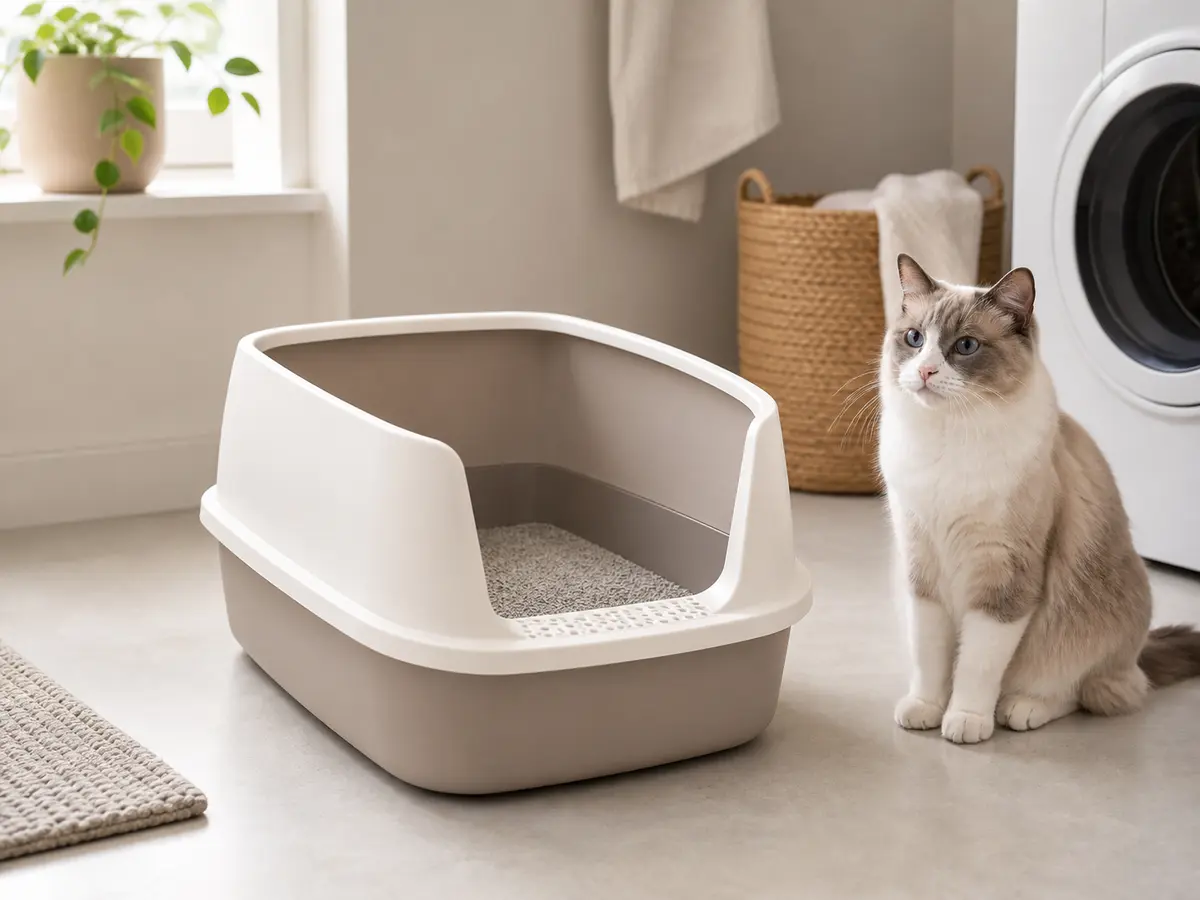
High sides, stairs, slippery floors, distance, another pet, arthritis, urinary issues, constipation, and cognitive changes can all affect box use.
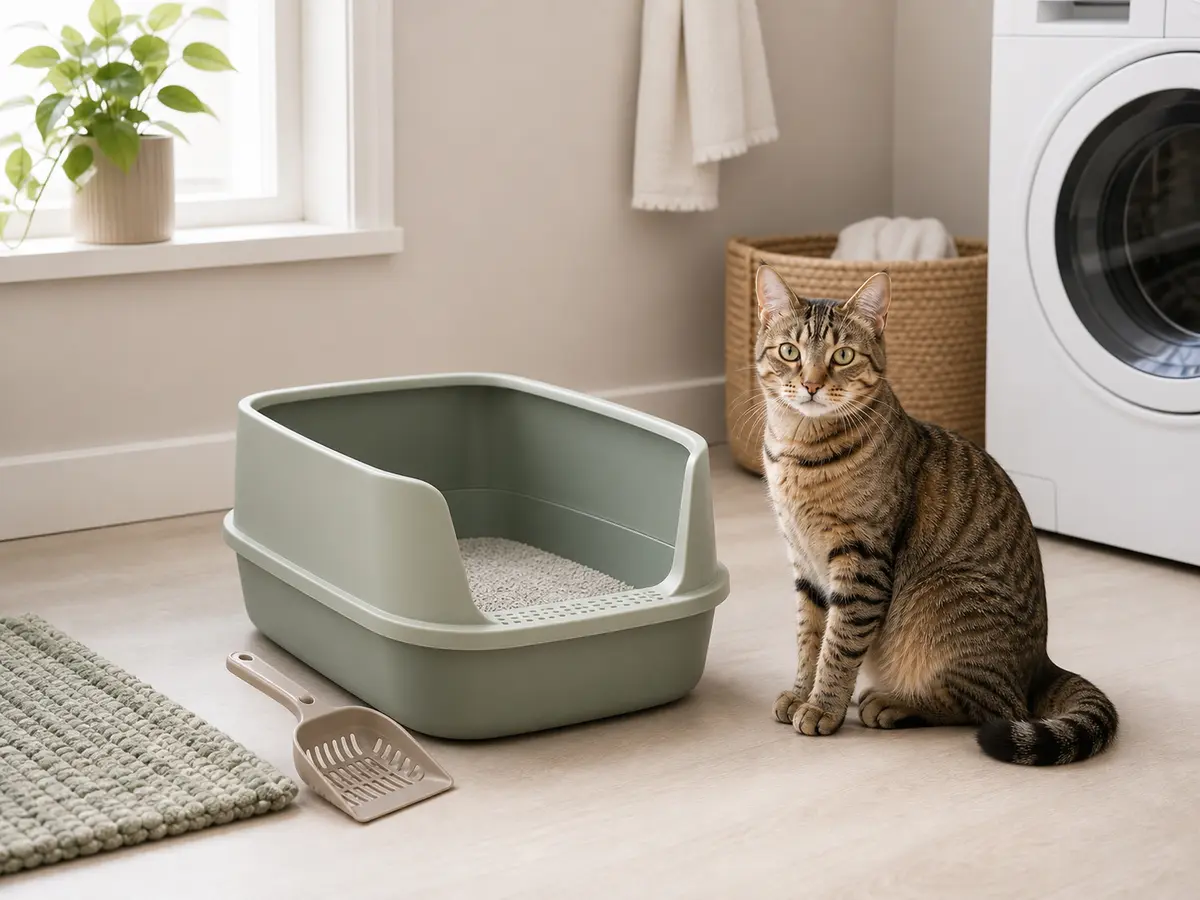
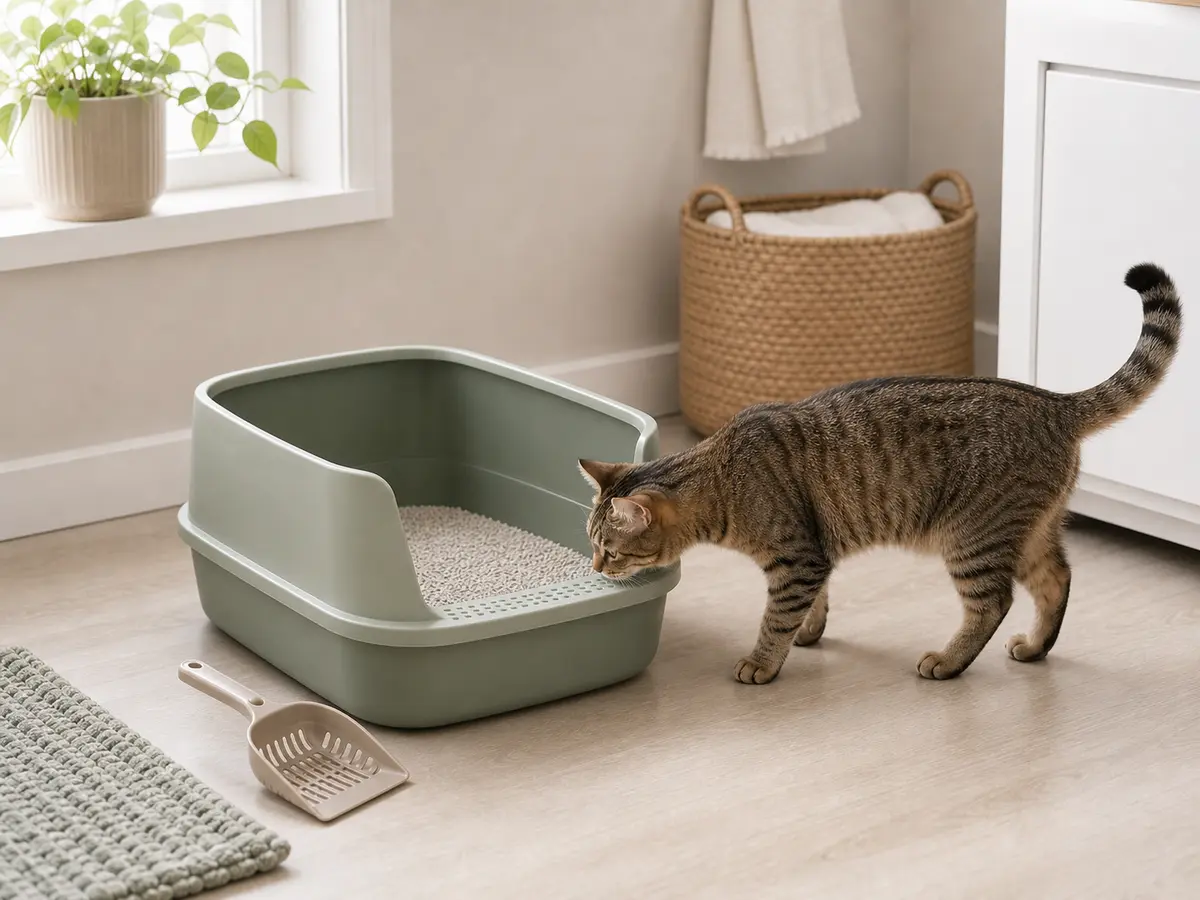
Look at the box and the cat together: entry height, location, cleanliness, litter texture, urine amount, stool quality, straining, and whether another pet is blocking access.
What to do next
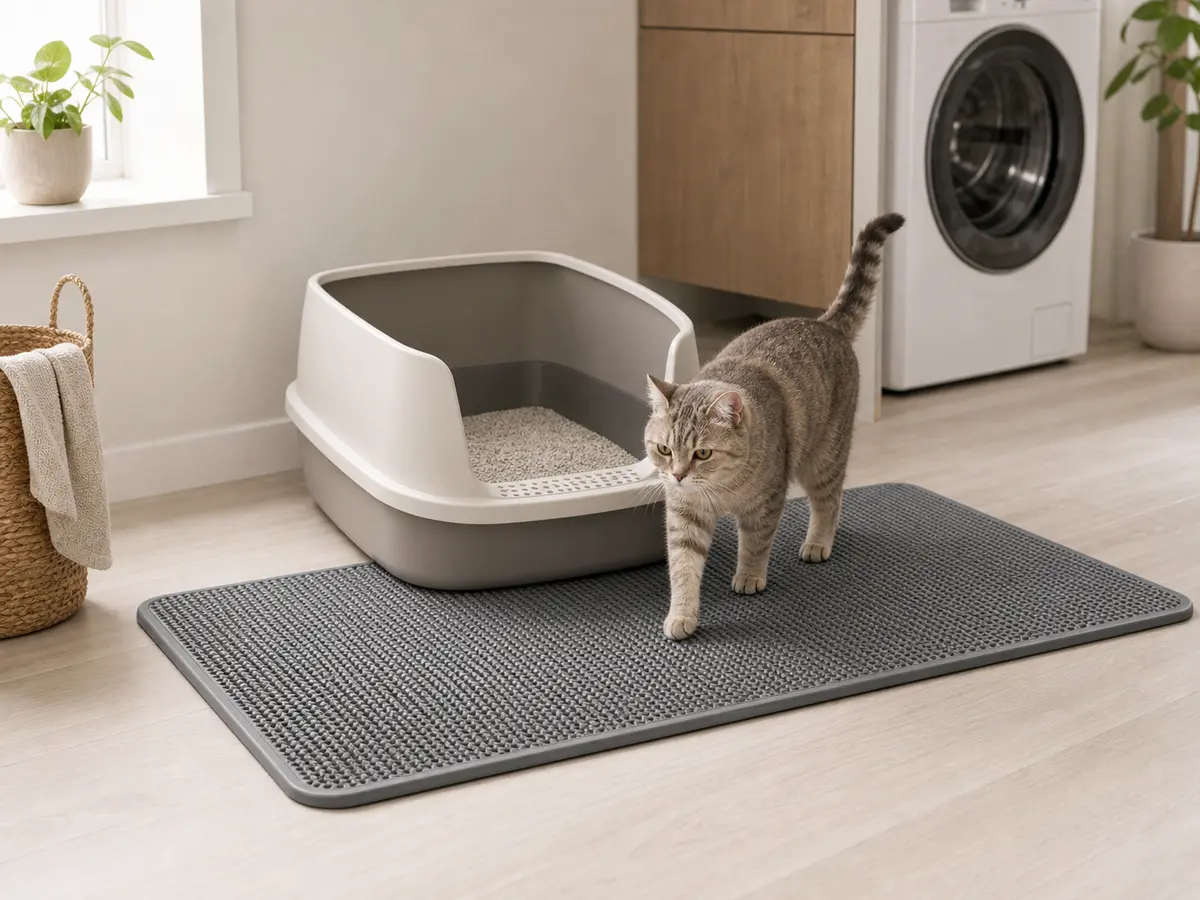
Add low-entry boxes, improve placement, keep routes clear, and call your vet promptly for sudden accidents, straining, blood, or discomfort.
Change the easiest box variable first, then watch for a few normal days. Add a clean second box, improve access, or adjust litter depth before changing everything at once.
When to get help
Call your veterinarian if the change is sudden, painful, severe, repeated, or paired with appetite loss, litter changes, breathing trouble, collapse, or obvious distress.
Treat straining, blood, repeated box trips, crying, inability to urinate, or sudden misses as medical until a veterinarian says otherwise. Litter behavior can hide pain.
Before you decide
Is this a new pattern or a long-standing habit?
Did food, litter, home setup, visitors, pets, or routine change recently?
Does your cat still eat, drink, use the box, move, and rest normally?
Would pain, toxin exposure, or sudden illness make this urgent?
Next best moves
Make one small change and observe before changing everything.
Keep notes if the pattern repeats.
Call your vet quickly for sudden health, pain, toxin, or litter-box warning signs.
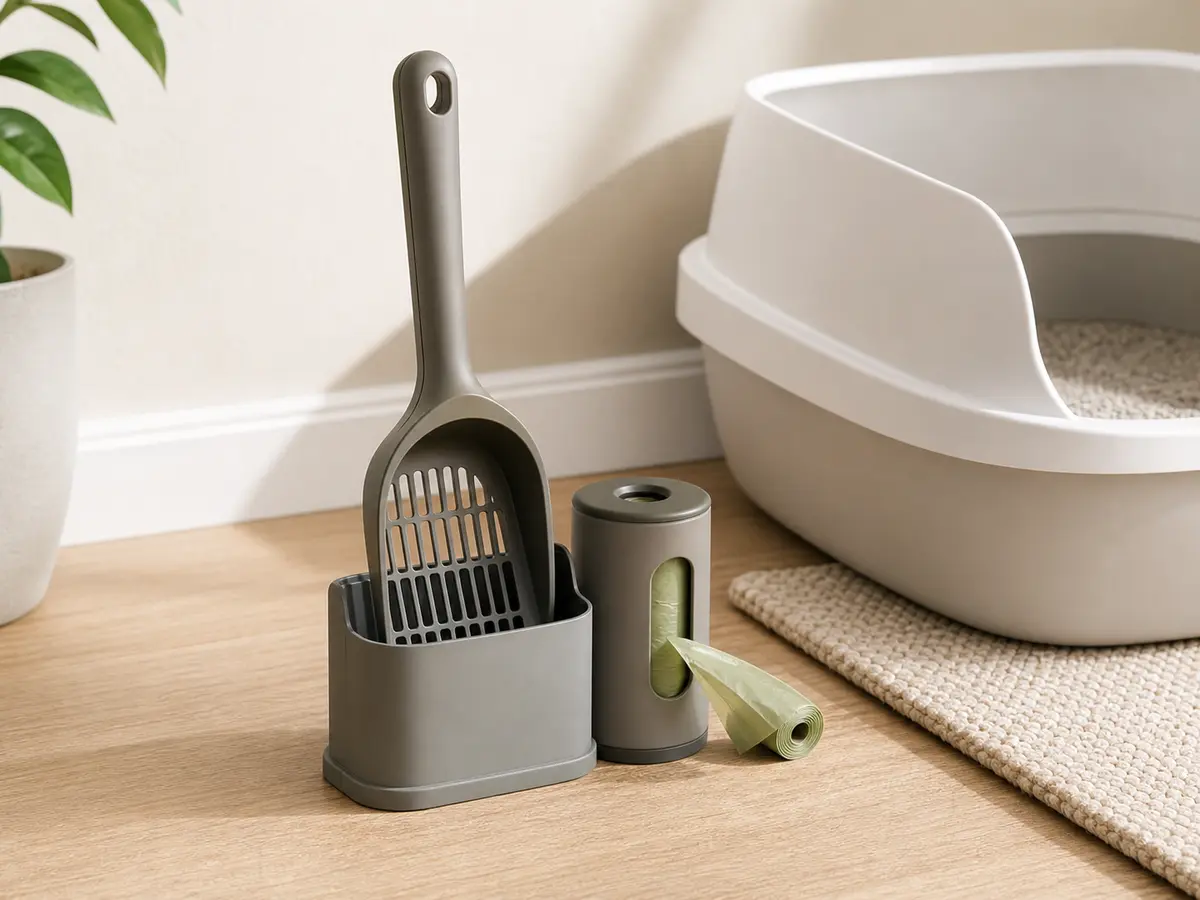
Helpful supplies
These are practical tools for the routine, not a replacement for a vet, behavior professional, or the daily observation your cat needs.
Affiliate links: Furball Cove may earn from qualifying purchases at no extra cost to you.
An older cat who stops using the box may be dealing with pain, access problems, stress, or illness, so do not treat it as spite.
Is this a substitute for a veterinarian?
No. Use it to understand the routine and decide what to ask, but call your veterinarian for illness, pain, toxins, sudden behavior changes, or anything that feels urgent.