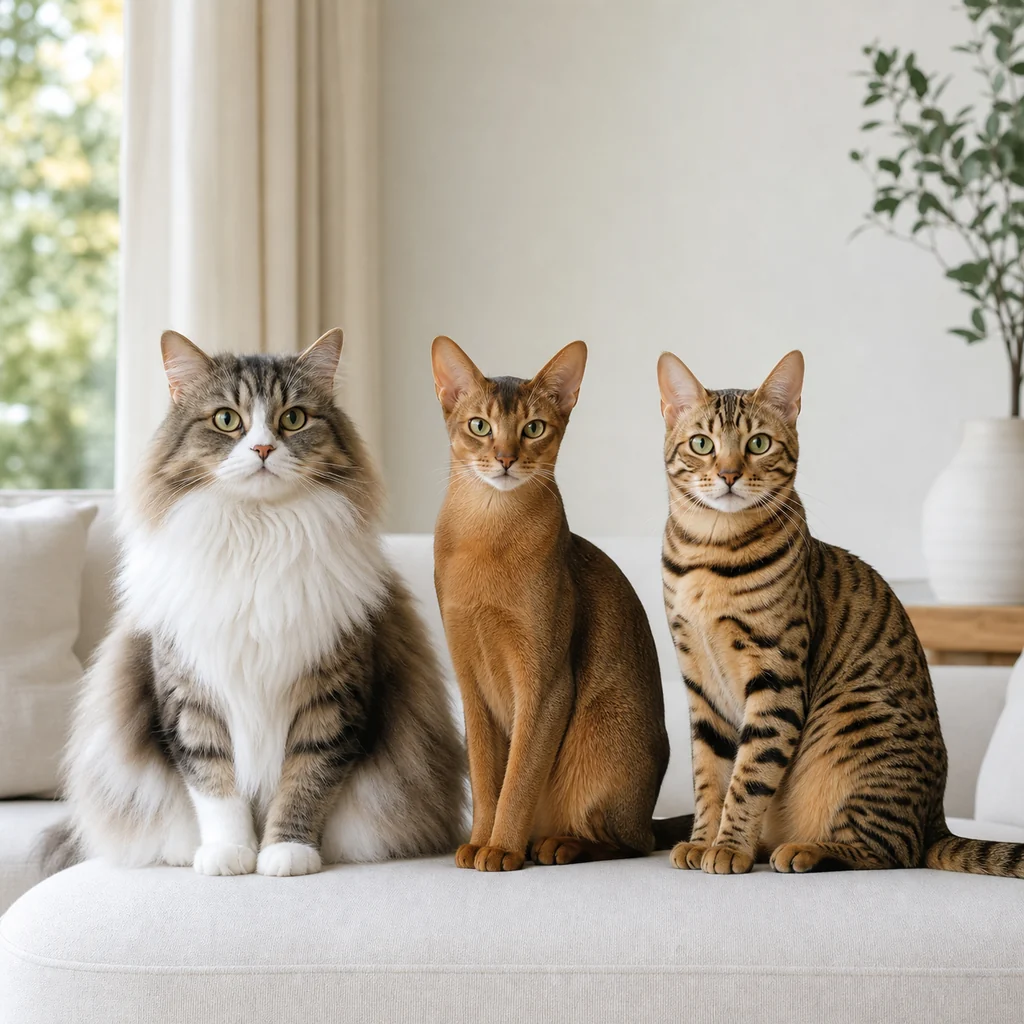
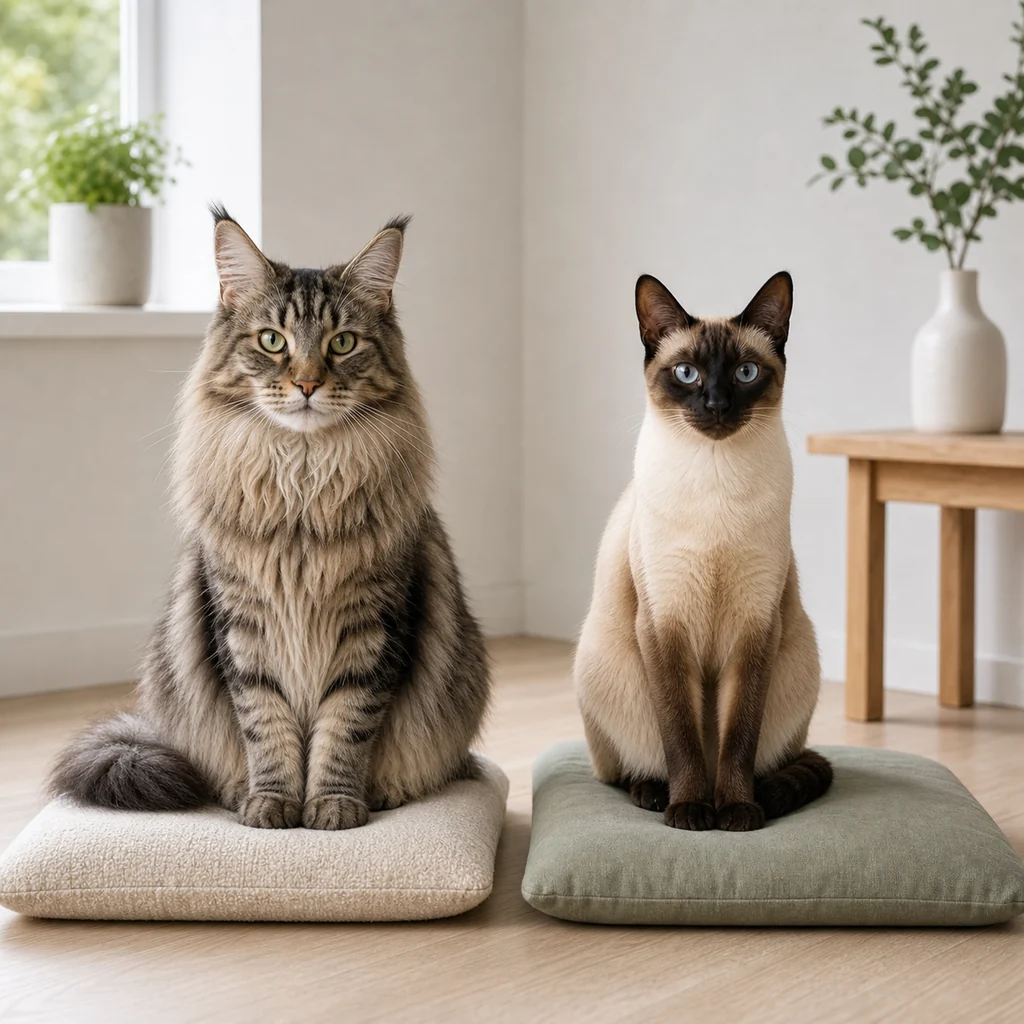
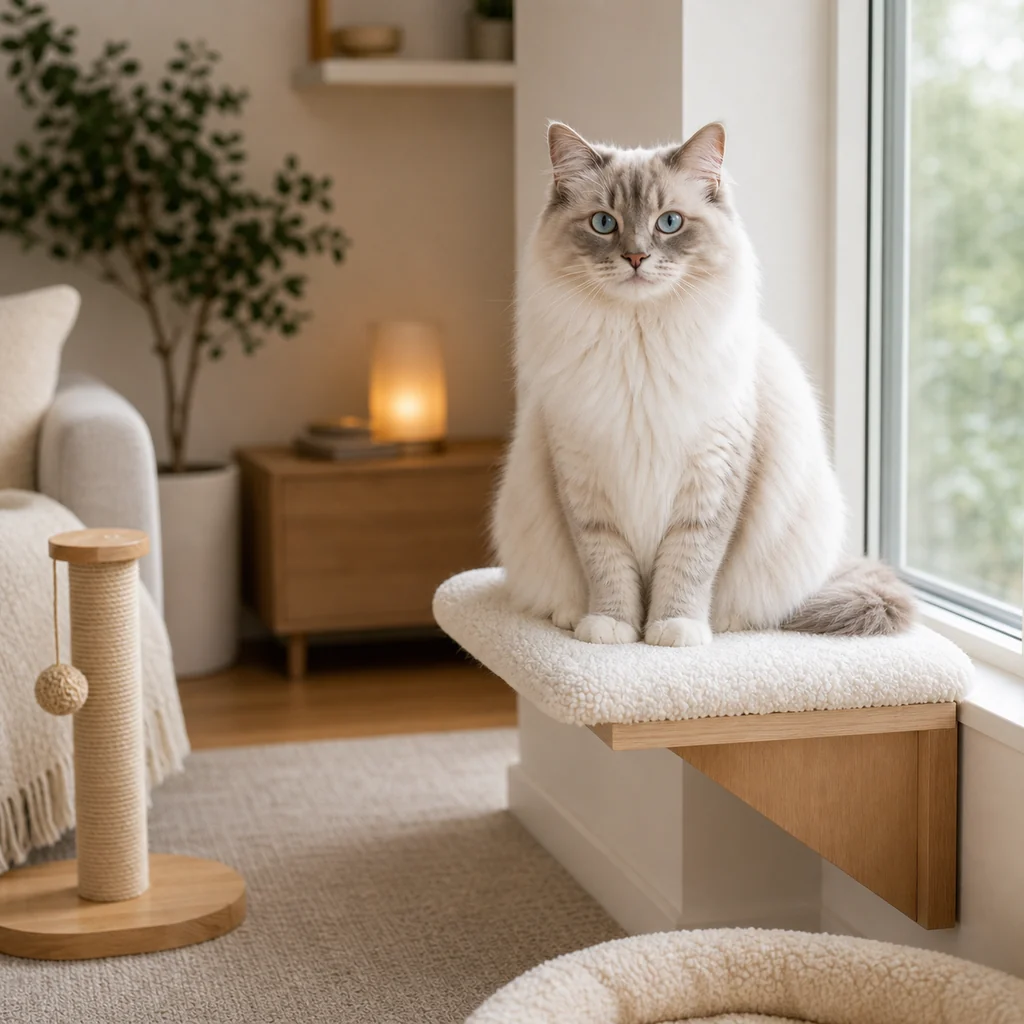
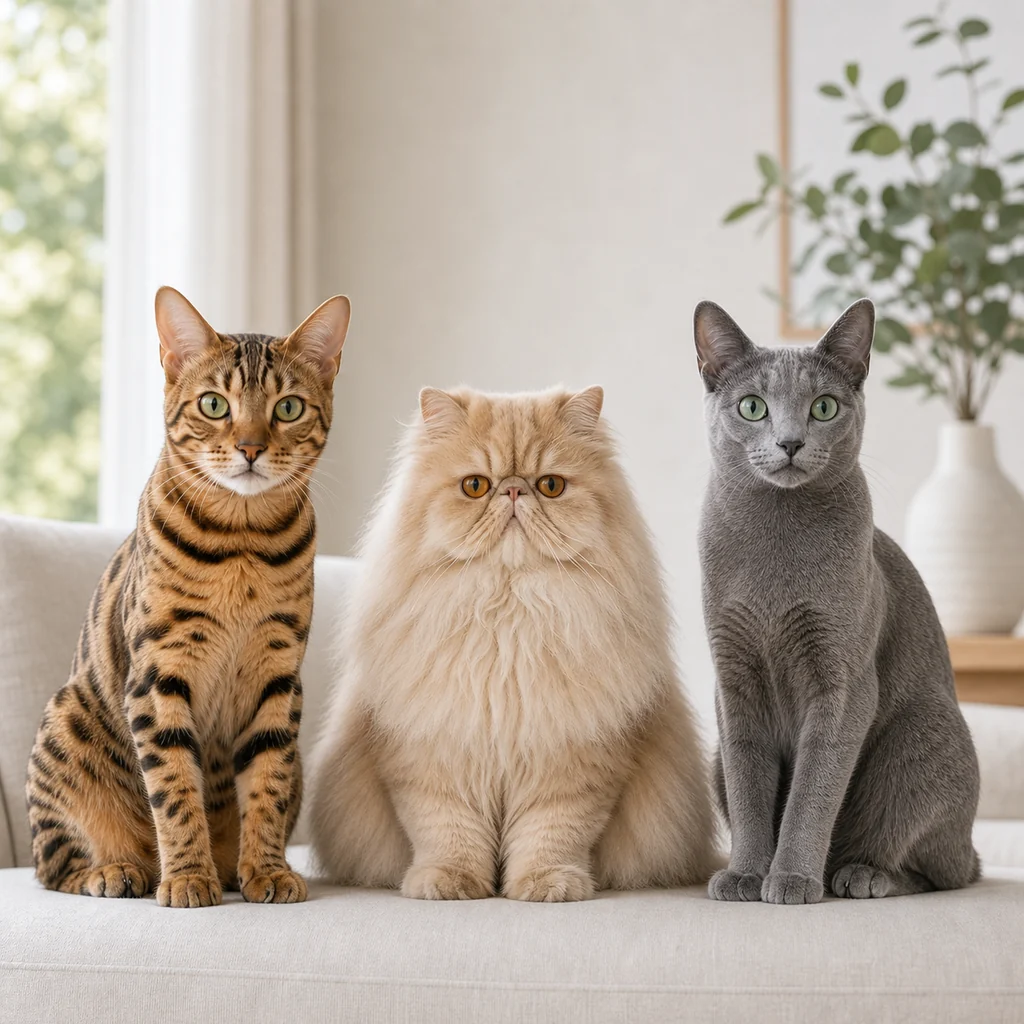
No cat is truly hypoallergenic or allergen-free, though some allergy-sensitive homes do better with certain cats, coat types, and cleaning routines.
If allergies are part of the decision, slow down before you fall for a photo. The right question is not whether a cat has a magic coat; it is whether your body, the cat, and the daily home routine can realistically work together.
Short answer
No cat is truly allergen-free. Some people react less around certain cats, but reactions can vary by person, individual cat, home airflow, cleaning habits, and how much close contact happens on the couch, bed, or favorite chair.
Use the answer as a filter, not a verdict. The right next step is to compare the source, the cat's history, and the home routine you can keep after the exciting first week.
Why coat type is only part of it
Cat allergens are not just loose fur. They can come from saliva, skin, and dander, then spread when a cat grooms, sleeps on fabric, rubs furniture, or shares a pillow. A short coat, curly coat, or hairless cat may still bother some people.
A good choice depends on the actual cat, not only the label. Ask about energy, handling, litter habits, noise tolerance, social recovery, and how the cat behaves after the first few quiet minutes.
Try real contact before choosing
Spend time around the breed or, even better, the individual cat before you commit. Visit more than once if you can, notice whether symptoms build over time, and talk with your doctor or allergist if allergies affect breathing, sleep, or daily comfort.
Slow the decision down enough to compare daily fit. Meet the cat in a calm moment, ask for history, and choose the home routine you can maintain after the exciting first week.
Plan the routine, not just the breed
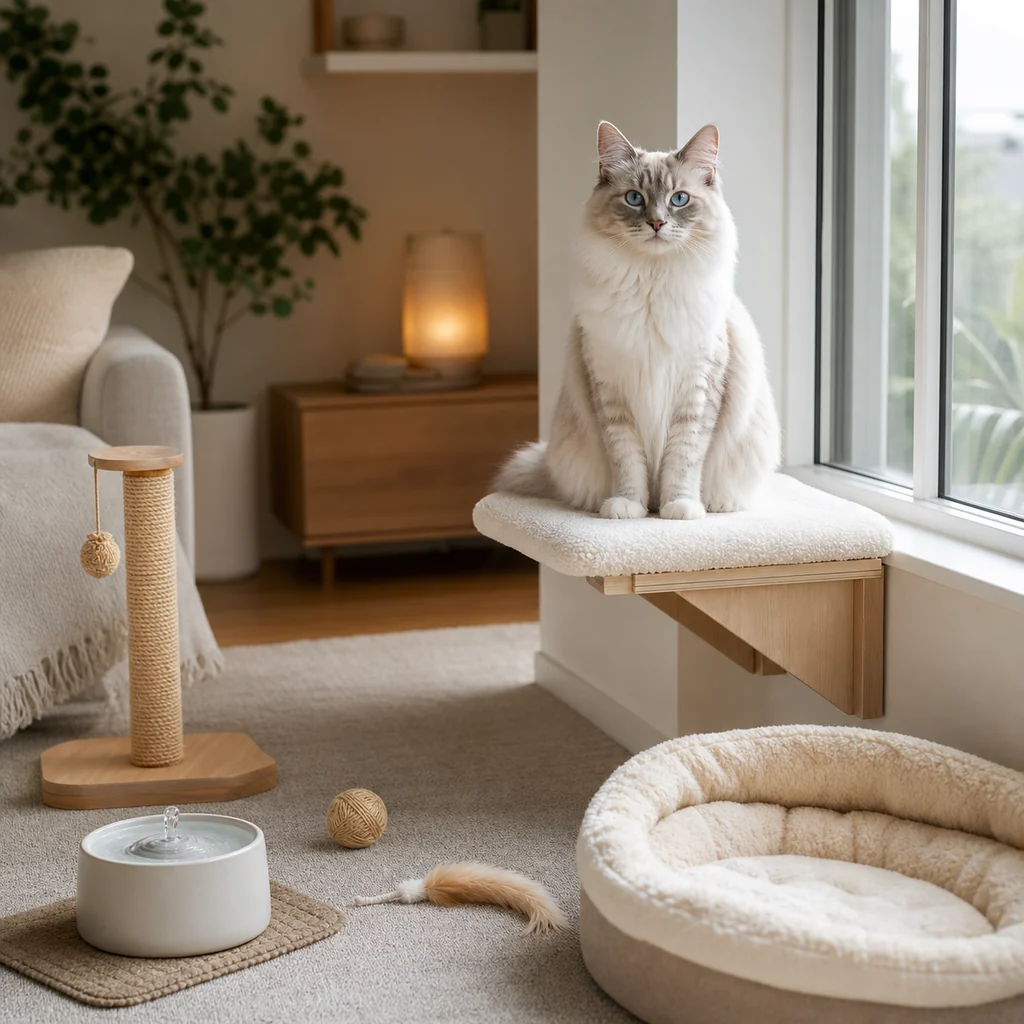
A workable allergy-sensitive cat home usually needs habits you can keep: washable bedding, regular vacuuming, good ventilation, hand washing after heavy petting, and maybe keeping the bedroom cat-free. If that sounds impossible, be honest before the cat comes home.
Pause the choice if anyone pressures you to decide without records, honest temperament notes, or a return plan. A careful source should welcome practical questions.
Tradeoffs still matter
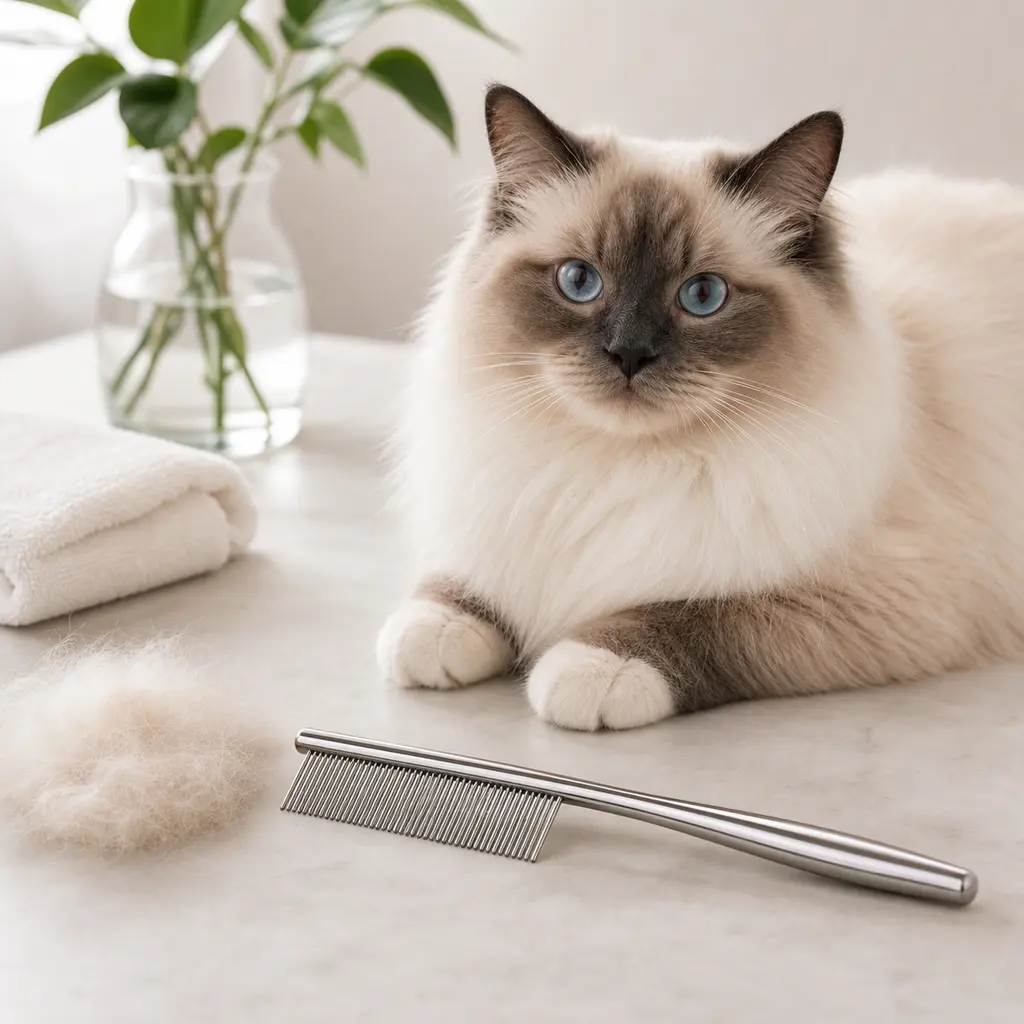
Lower-shedding or hairless cats are not no-effort cats. Some need skin care, warmth, bathing, ear cleaning, nail trims, or more frequent grooming. Choose the cat whose whole care routine fits your week, not just the one with the best allergy reputation.
A good choice depends on the actual cat, not only the label. Ask about energy, handling, litter habits, noise tolerance, social recovery, and how the cat behaves after the first few quiet minutes.
When to pause
If someone in the home has severe allergies, asthma, or symptoms that escalate quickly, get medical advice before adopting. It is kinder to make the hard decision early than to bring home a cat and discover the home cannot safely keep them.
A good choice depends on the actual cat, not only the label. Ask about energy, handling, litter habits, noise tolerance, social recovery, and how the cat behaves after the first few quiet minutes.
Before you decide
Have allergy-sensitive people spent real time around this cat or breed?
Do symptoms stay mild, or do they build after longer contact?
Can the home keep up with cleaning, ventilation, bedding, and bedroom boundaries?
Has a doctor or allergist weighed in if symptoms affect breathing, sleep, or daily comfort?
Next best moves
Meet the individual cat before committing when possible.
Ask about grooming, shedding, skin care, and how much close contact the cat tends to want.
Build the cleaning and bedroom plan before the cat comes home, not after symptoms start.
Quick cat question
Are any cats completely allergy-free?
No. Some people do better with certain cats, but no cat is truly allergen-free.
Should I choose a hairless or low-shedding cat for allergies?
Maybe, but meet the cat first and look at the whole care routine. Hairless and lower-shedding cats can still trigger allergies and may need their own grooming or skin-care work.