Can Rabbits Drink From a Bowl Instead of a Bottle?
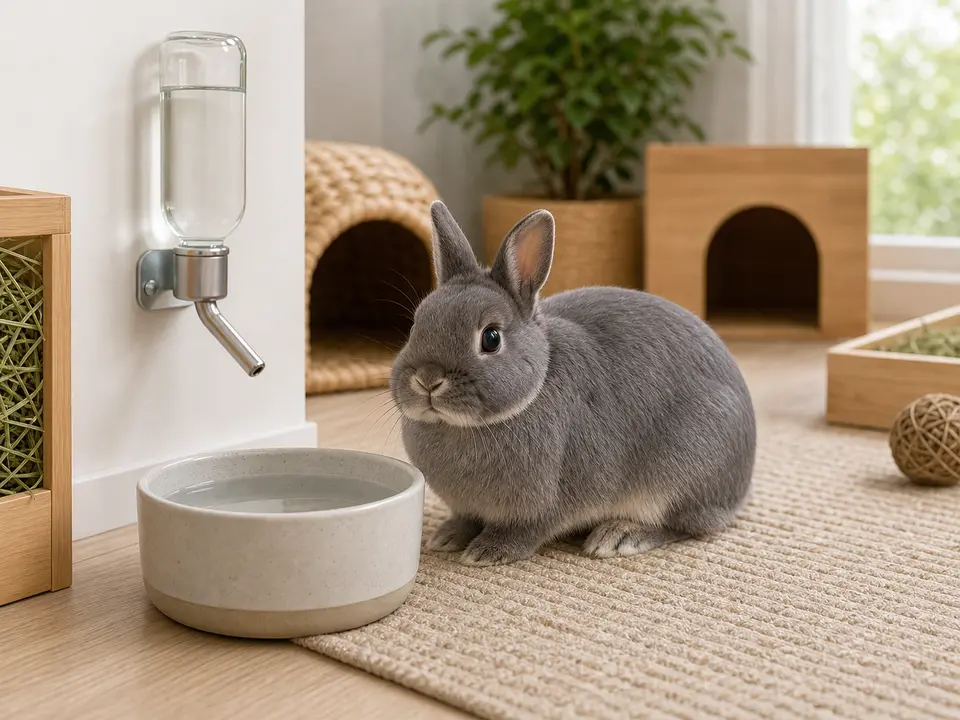
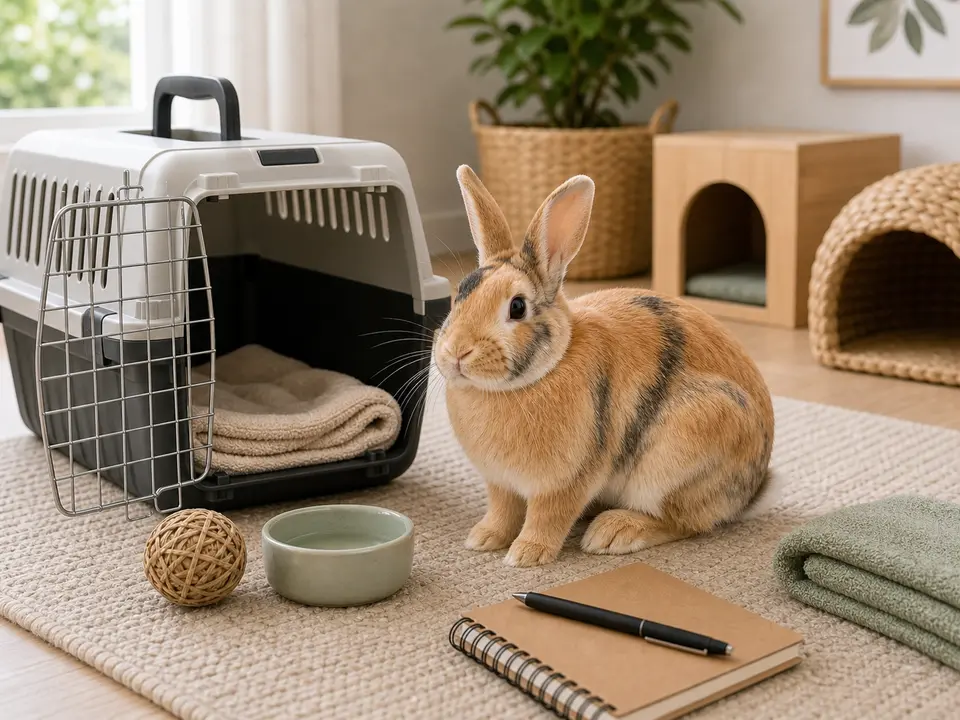
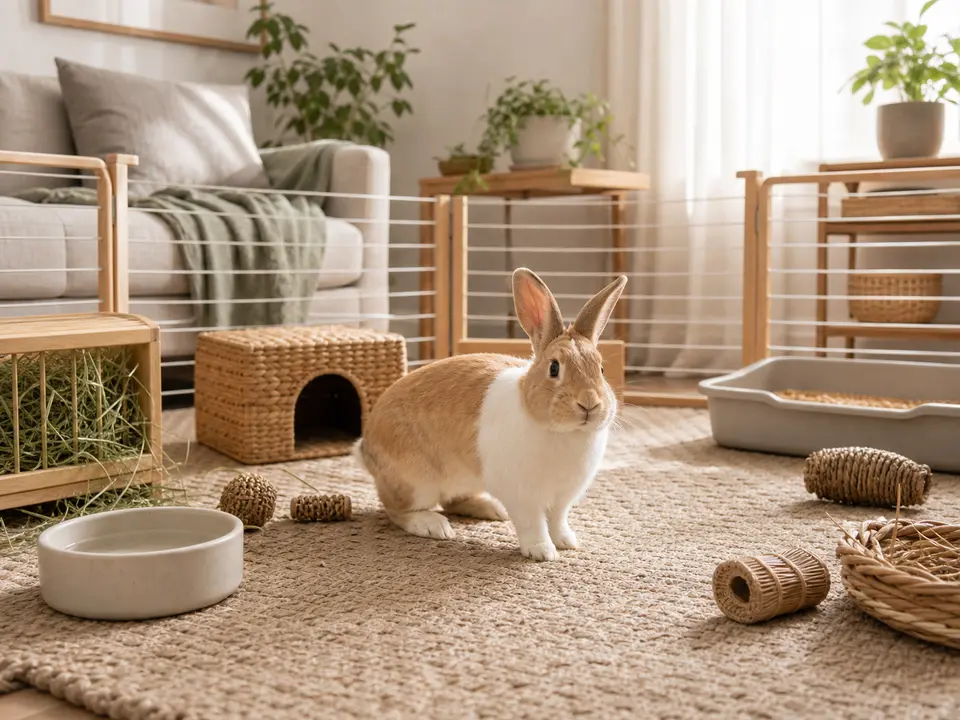
Yes. Many rabbits drink comfortably from a heavy ceramic bowl, and some find it more natural than using a bottle. Choose a stable bowl, refresh it daily, and place it near hay without letting litter or loose hay constantly fall into the water.
A bowl makes the water easy to see and the drinking posture easy to watch. The best setup is the one your rabbit uses reliably and you can keep clean.
Start with a heavy, open bowl
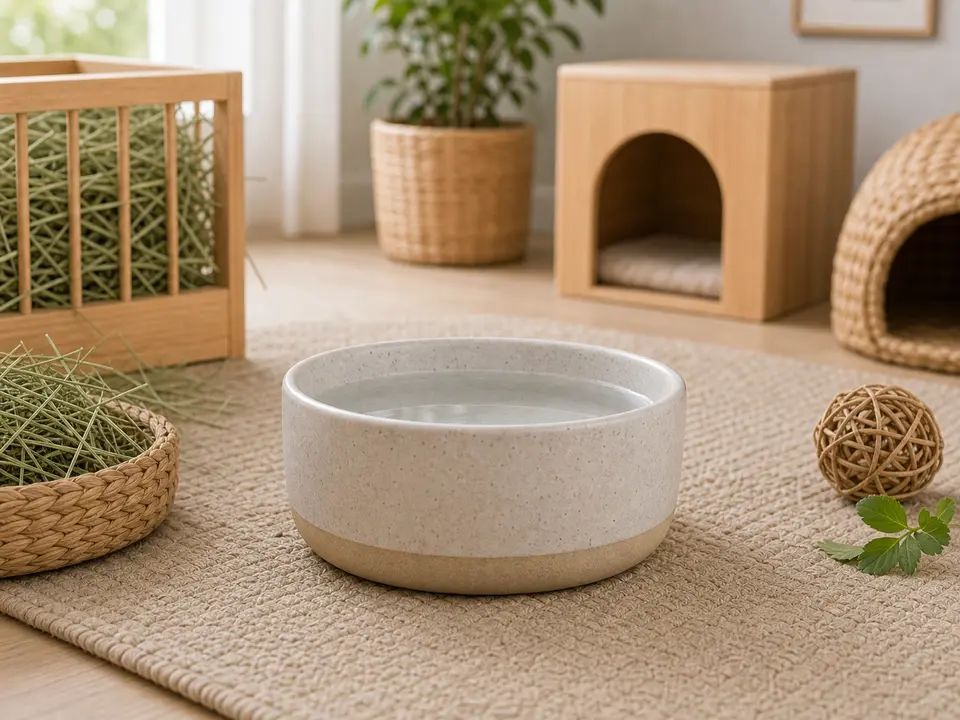
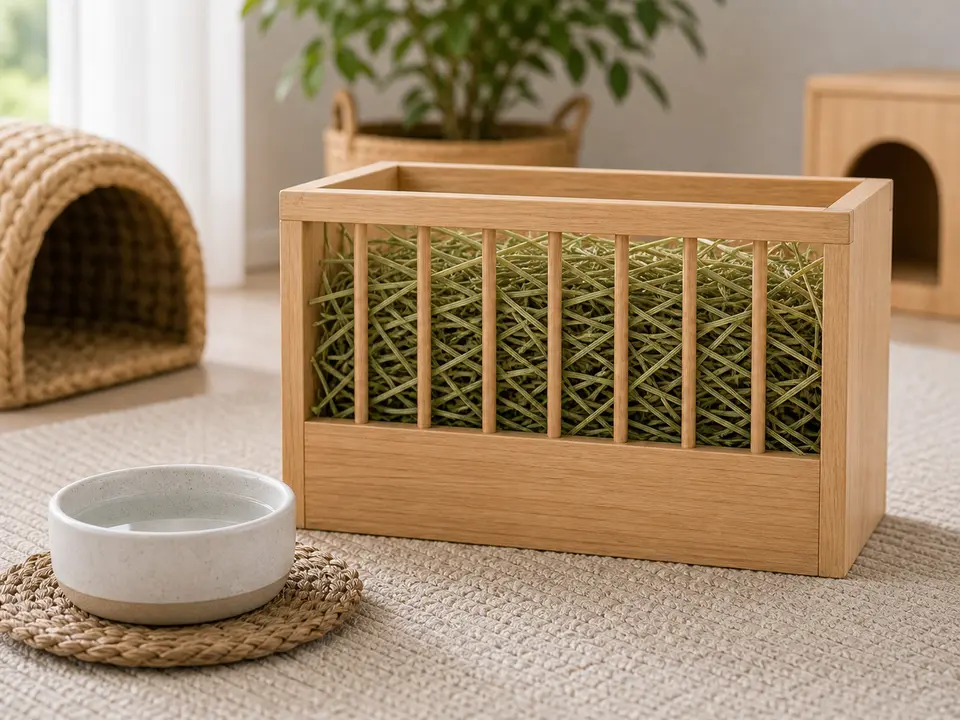
Choose a wide ceramic crock that is hard to tip and easy for your rabbit to reach without stretching. Fill it enough that the water surface stays accessible as the level falls.
Watch your rabbit use it during the first day. A comfortable rabbit can lower the head, drink, and step away without the rim pressing awkwardly against the neck or chest.
Place water beside the feeding routine
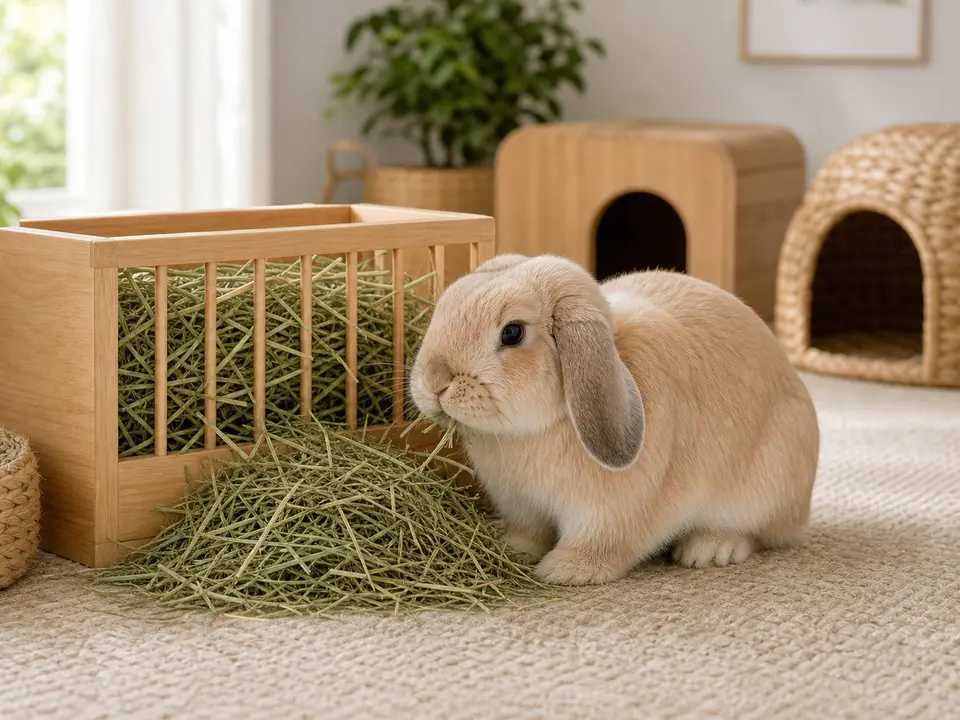
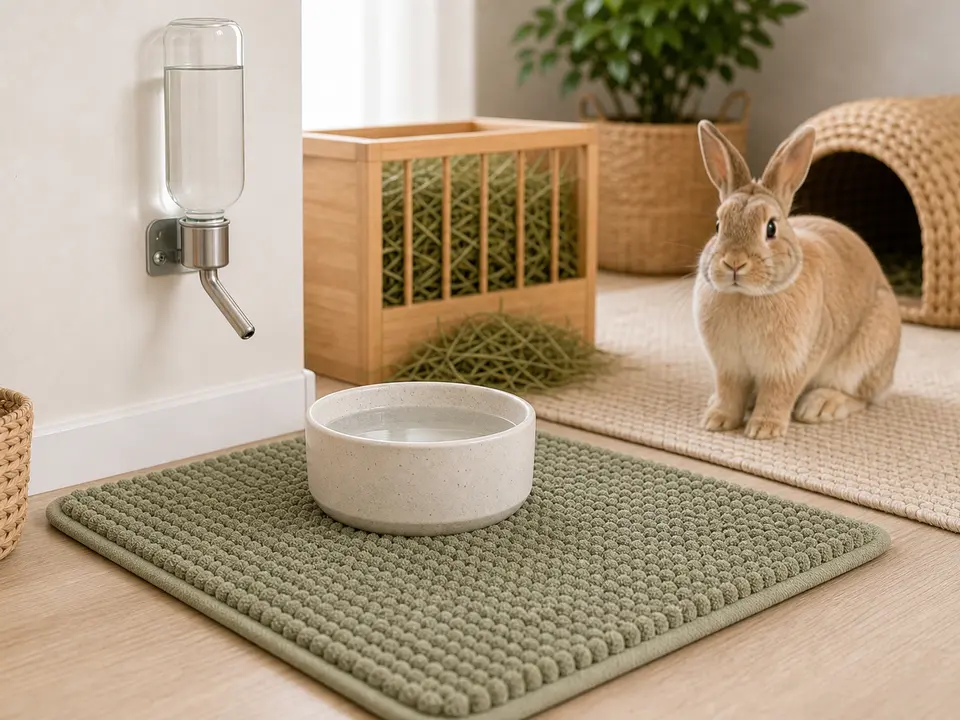
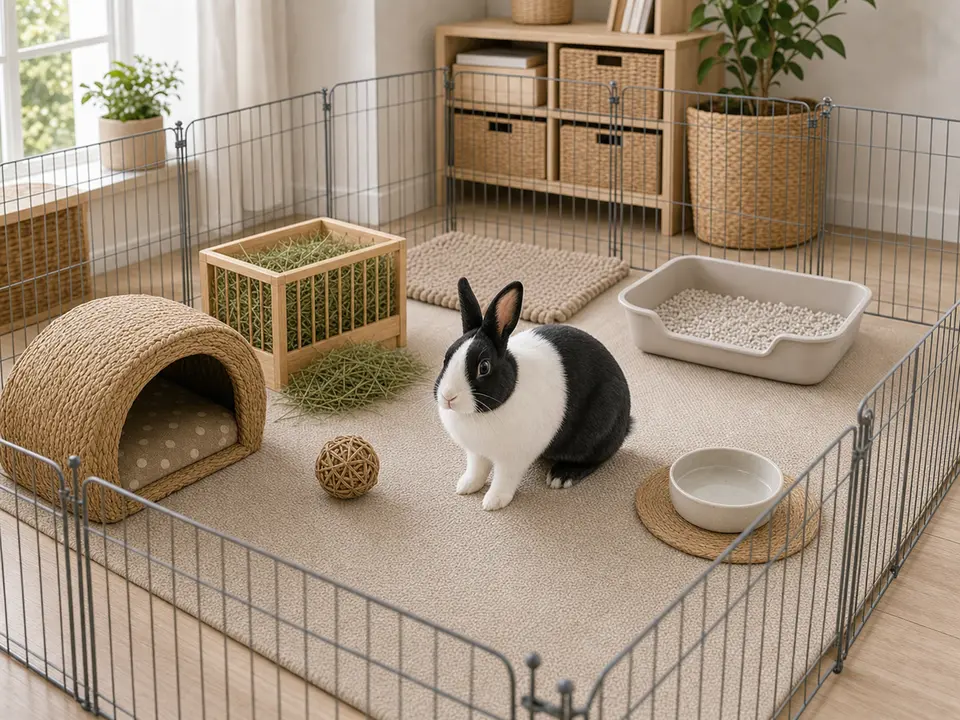
Many rabbits drink while moving between hay, litter, and a favorite resting spot. Put the bowl close enough to be convenient but not directly under a hay rack or where kicked litter lands in it.
A washable mat catches drips and makes the water level easier to notice. If the bowl is always dirty, adjust the location before deciding bowls do not work for your rabbit.
Keep a bottle only when it adds value
A bottle can be useful during travel, as a temporary backup, or for a rabbit who repeatedly fills every bowl with litter. It does not need to replace a bowl your rabbit drinks from well.
Check the bottle tip every day. A bottle can look full while a stuck ball or poor angle makes water difficult to release.
Wash the bowl and watch the level
Dump, rinse, and refill the bowl every day, and scrub away any slippery film. Hay dust, fur, greens, and room debris can make open water stale faster than it looks.
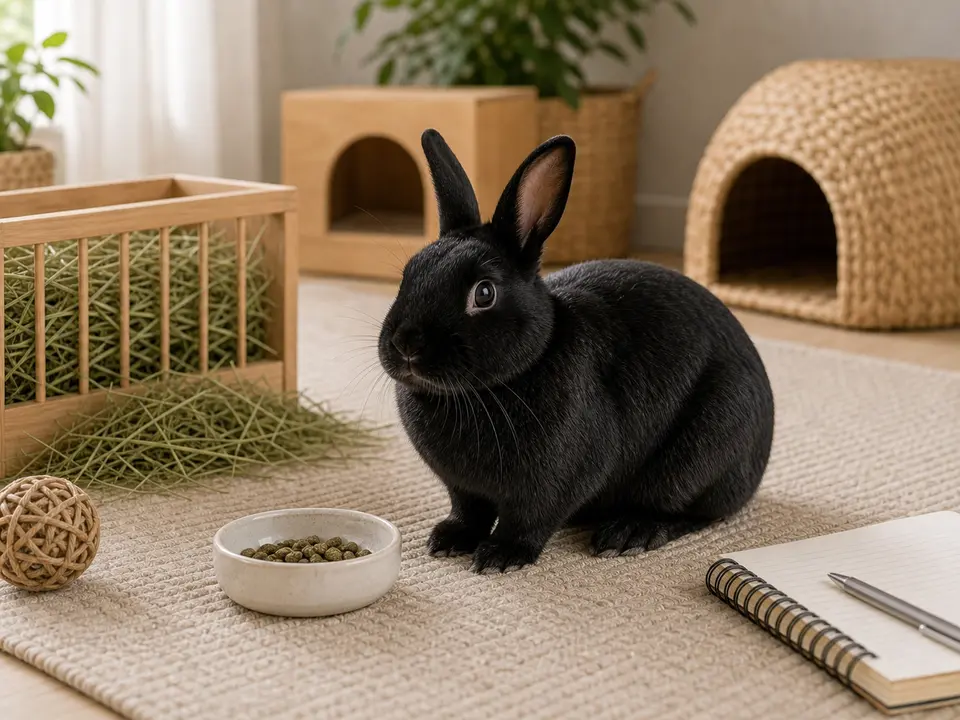
Notice how much the level changes, but compare it with your rabbit's own normal pattern rather than chasing one universal number. Weather, greens, body size, and activity can all affect drinking.
Call when drinking changes come with other signs
Contact a rabbit-savvy veterinarian if drinking suddenly rises or falls along with refusing food, fewer droppings, weakness, heat stress, urine changes, or a painful-looking posture. Changing the container cannot explain every change in thirst.
Share what the bowl level normally does, when the change began, and whether appetite or litter-box output changed too. Those details are more useful than simply reporting that your rabbit drank a lot or a little.
Before you decide
Can your rabbit lower the head and drink without stretching over a high rim?
Does the bowl stay upright and reasonably clean between daily washes?
Is it close to hay but outside the usual litter-kicking path?
Has the amount your rabbit drinks changed along with appetite, urine, or droppings?
Next best moves
Begin with a wide, weighty ceramic crock on a washable mat.
Rinse and refill it daily; scrub whenever the surface feels slippery.
Keep a bottle only for travel, backup, or a rabbit who genuinely needs one.
Call your veterinarian when a thirst change arrives with appetite, urine, pain, heat, or dropping changes.
Water-station pieces that earn their space
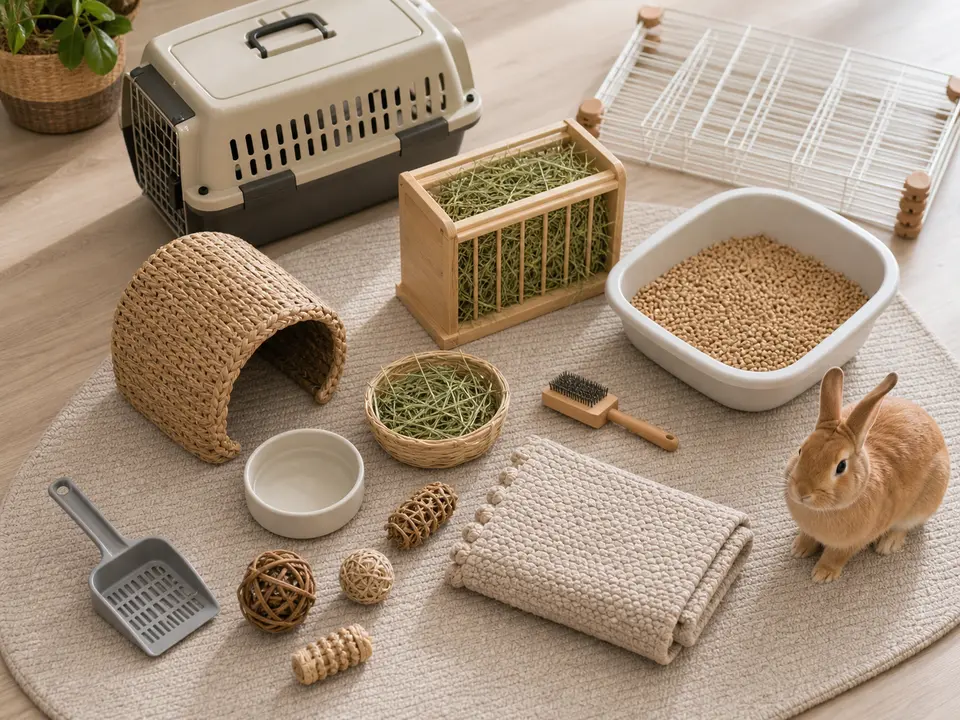
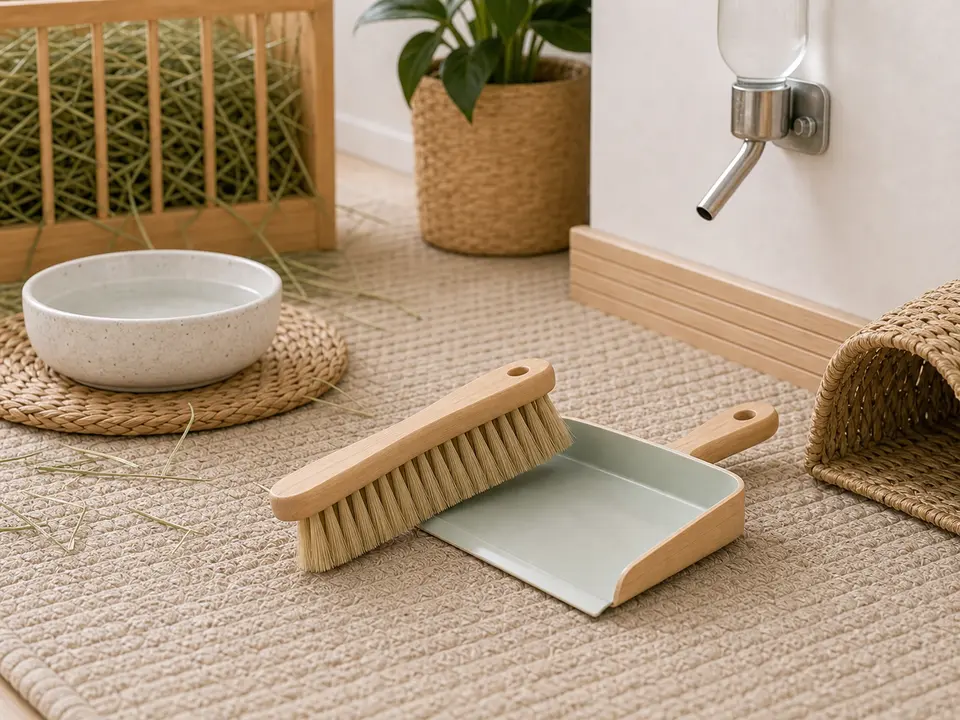
A good water corner needs a stable bowl, a dry floor, and a quick way to clear the hay that lands nearby.
Affiliate links: Furball Cove may earn from qualifying purchases at no extra cost to you.
Many rabbits drink comfortably from a heavy bowl. The better choice is the clean, reliable setup your rabbit uses without tipping or fouling it.
Should I leave both a bowl and bottle?
You can keep a working bottle as backup during a transition, but check both sources daily and do not let an ignored bottle become the only water available.
Where should the water bowl go?
Place it near the hay and resting route on steady flooring, but far enough from the litter box and rack that debris does not constantly land in the water.