

Updated
Supplement check
Does My Reptile Need Calcium Powder?
Use only to an exact plan
Some reptiles need calcium supplementation, but the product and schedule must match the exact species, life stage, diet, UVB exposure, and D3 already supplied. Calcium powder is not a food and more is not automatically safer.
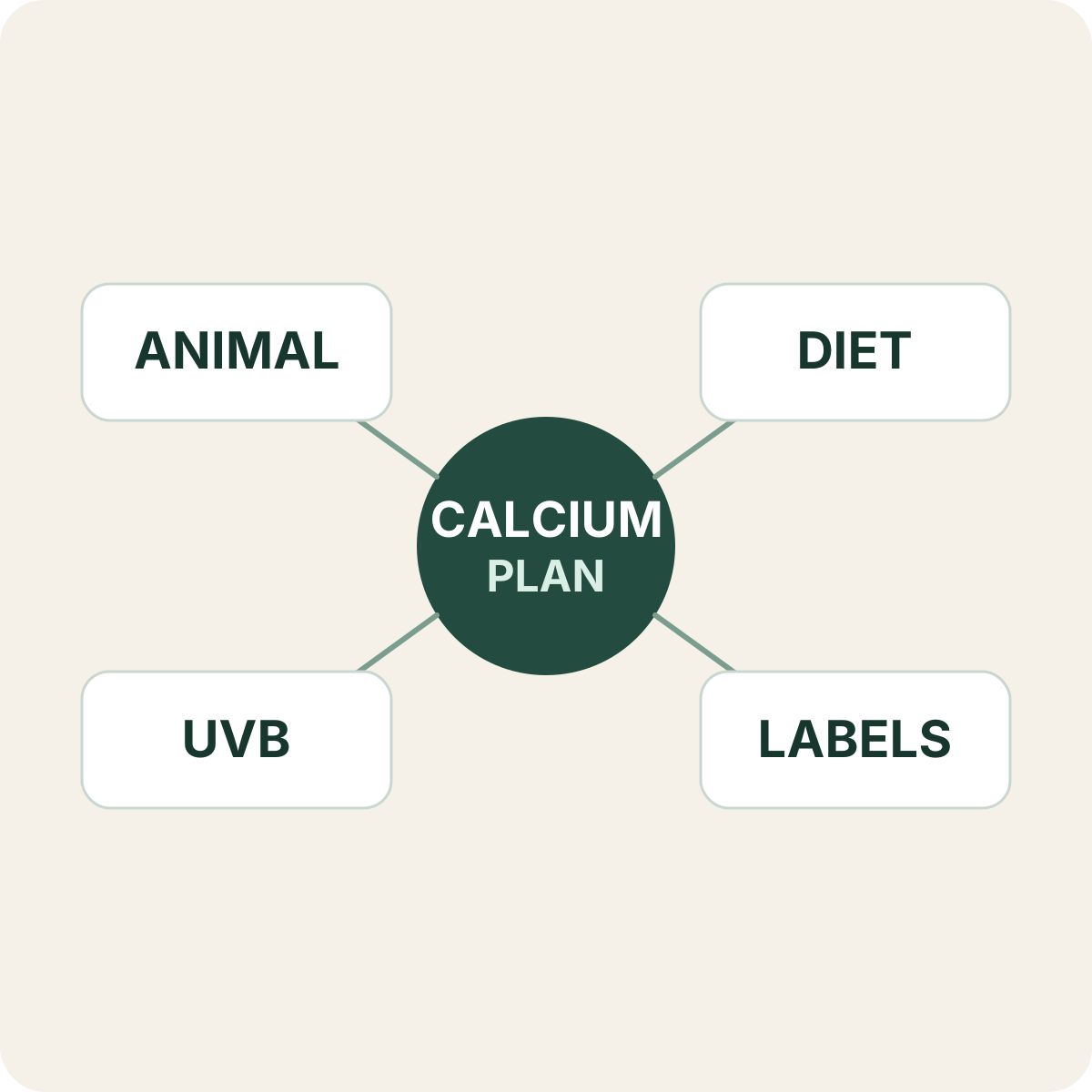 Calcium powder
Insectivorous, omnivorous, and herbivorous reptiles
Plan required
These groups commonly need calcium planning, but the frequency and D3 content vary. Use the exact species guide and product label, with reptile-veterinary help where the plan is unclear.
Whole-prey eaters
Do not copy a lizard schedule
Whole prey changes the nutrient picture. Do not add a routine powder schedule unless the exact species plan or reptile veterinarian calls for it.
Read the whole care system
MSD guidance links calcium balance with phosphorus, vitamin D3, and UVB. The product label matters because some powders include D3 or other vitamins and minerals.
A supplement cannot repair husbandry
Powder does not fix poor UVB placement, unsuitable temperatures, an unbalanced diet, or the wrong feeder routine. Correct those foundations rather than increasing the dose.
Avoid accidental stacking
Check every supplement and prepared food in the routine so calcium, D3, and multivitamins are not duplicated. MSD specifically advises veterinary guidance to avoid over-supplementing calcium or D3.
Build the plan
- Confirm the exact species and life stage.
- List the ordinary diet, UVB provision, and every current supplement.
- Read the product's calcium, phosphorus, D3, and vitamin contents before setting a schedule.
Do not improvise
- Do not choose a product because a shopping card recommends it.
- Do not use another species' dusting schedule.
- Do not increase the dose to compensate for weak appetite, soft bones, poor growth, or an inadequate habitat.
Schedule
There is no universal schedule. Use the exact species plan, the product label, and reptile-veterinary guidance when D3, UVB, growth, illness, or multiple supplements make the plan unclear.