

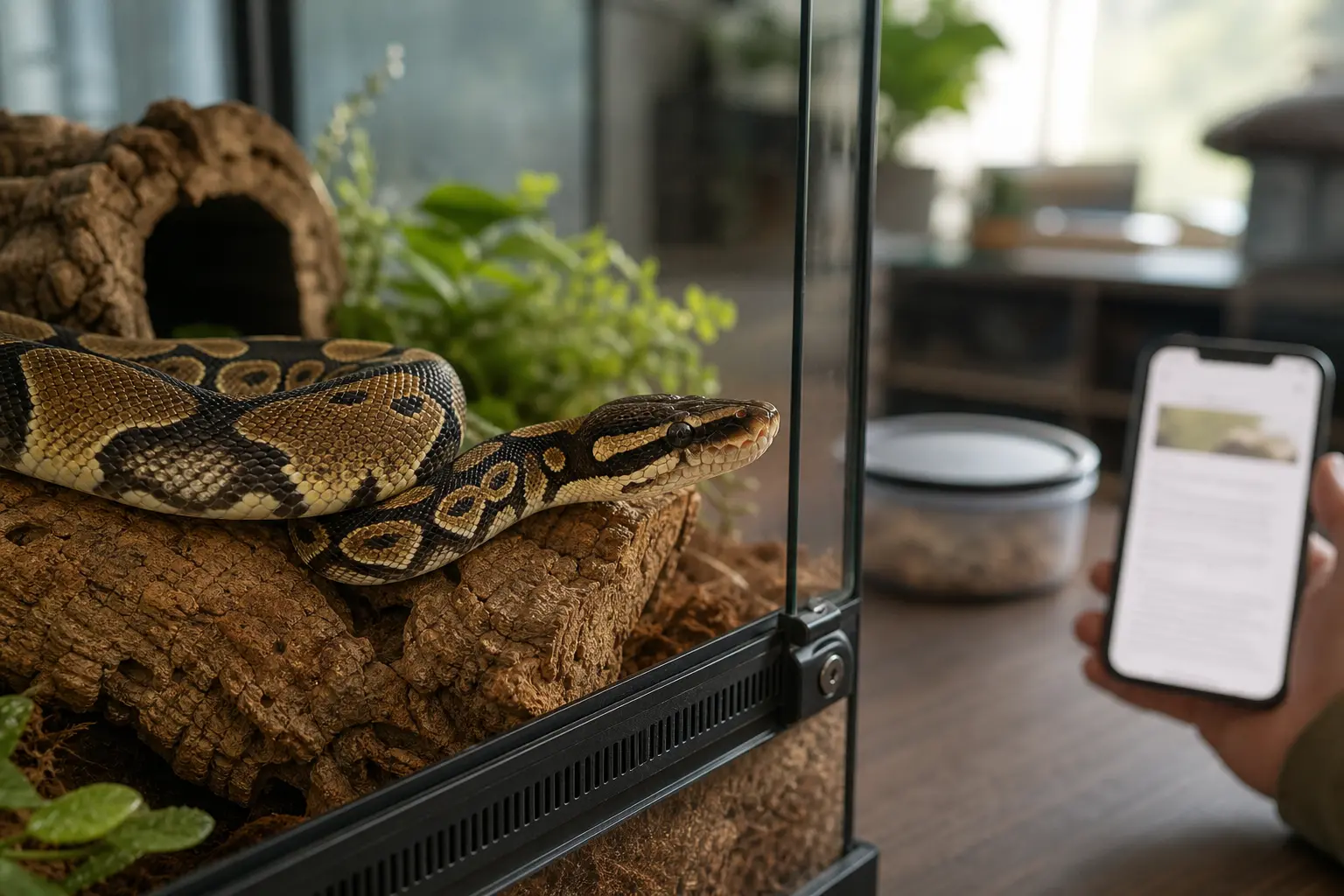
 Their species comes first
A snake, gecko, dragon, turtle, and tortoise do not share one menu. Open the exact species guide before a new food becomes part of the routine.
Their species comes first
A snake, gecko, dragon, turtle, and tortoise do not share one menu. Open the exact species guide before a new food becomes part of the routine.
Reptile food safety
Start with the reptile.
A food is only safe when it fits the species, comes from a clean source, and is prepared the right way.
Search the item first. Then make the decision from your reptile’s guide—not from a generic list of reptile foods.
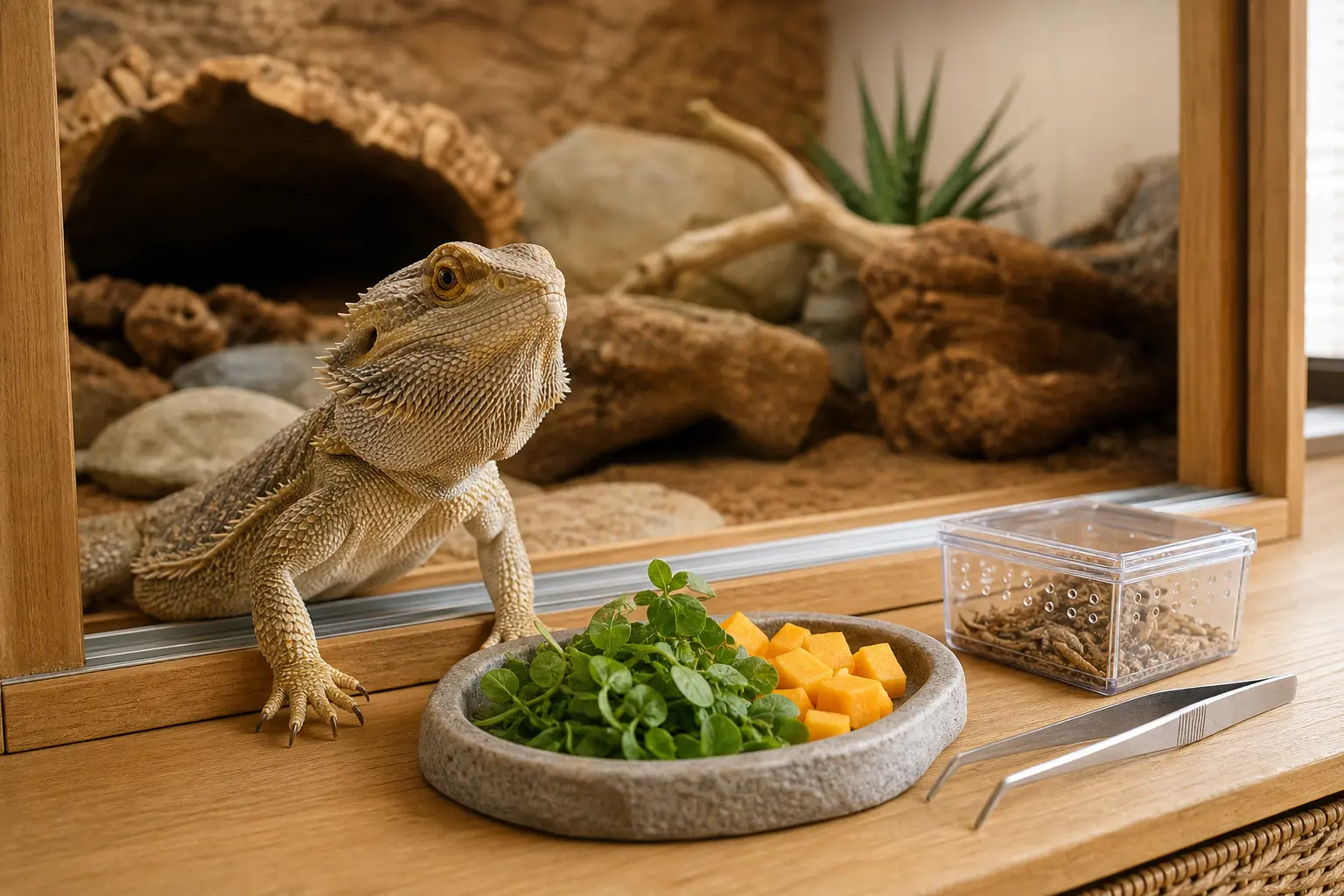
What are you thinking of feeding?
Search food, prey, feeder insects, supplements, or a household item. The result will tell you whether to stop or which guide to open next.
Four checks before it reaches them
The food name is only the beginning. These are the decisions that make a meal safer.
Their species comes first
A snake, gecko, dragon, turtle, and tortoise do not share one menu. Open the exact species guide before a new food becomes part of the routine.
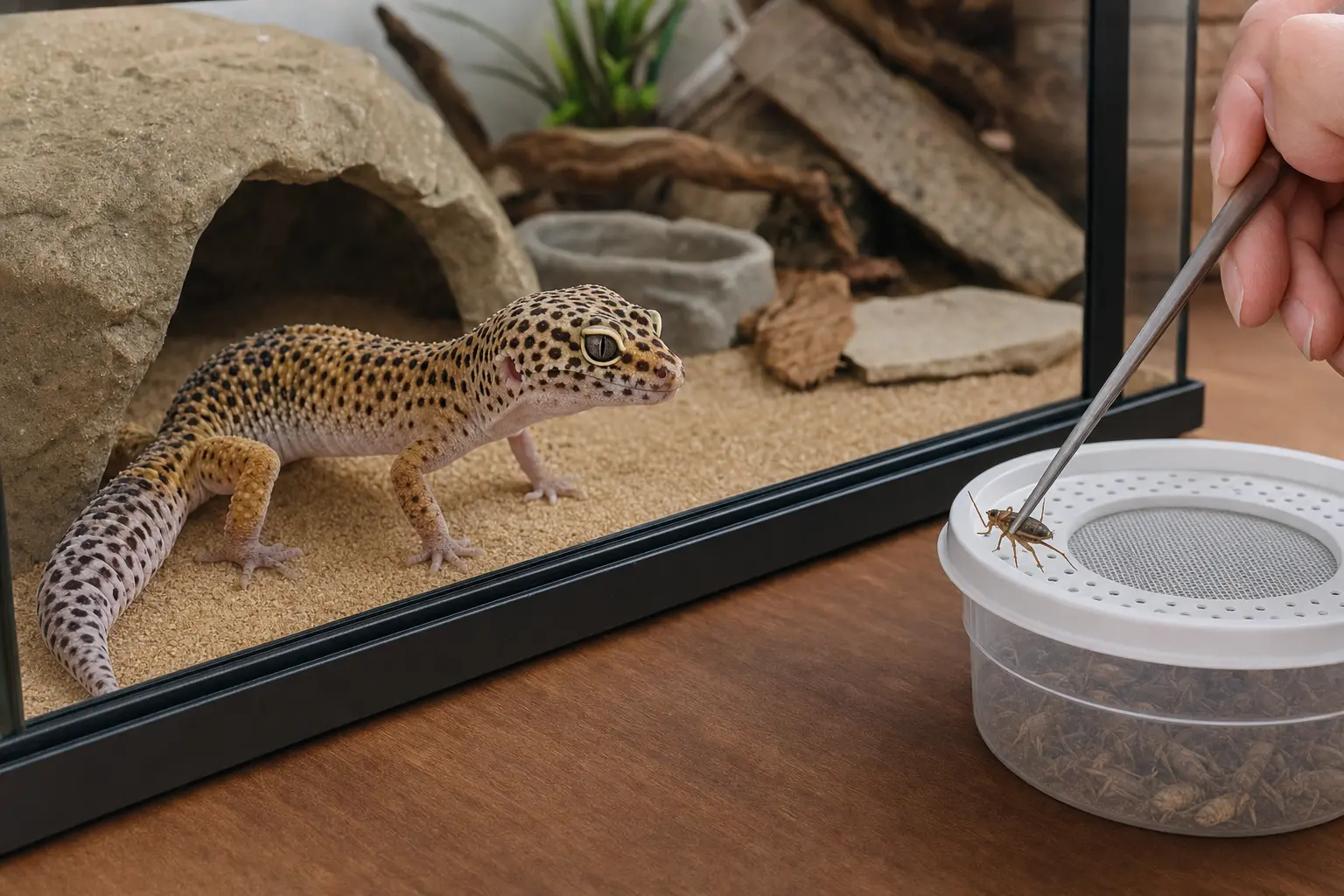 Use a source you trust
Buy feeders and prey from a reliable supplier. Skip wild insects, wild rodents, bait, and anything exposed to pesticides or an unknown environment.
Use a source you trust
Buy feeders and prey from a reliable supplier. Skip wild insects, wild rodents, bait, and anything exposed to pesticides or an unknown environment.
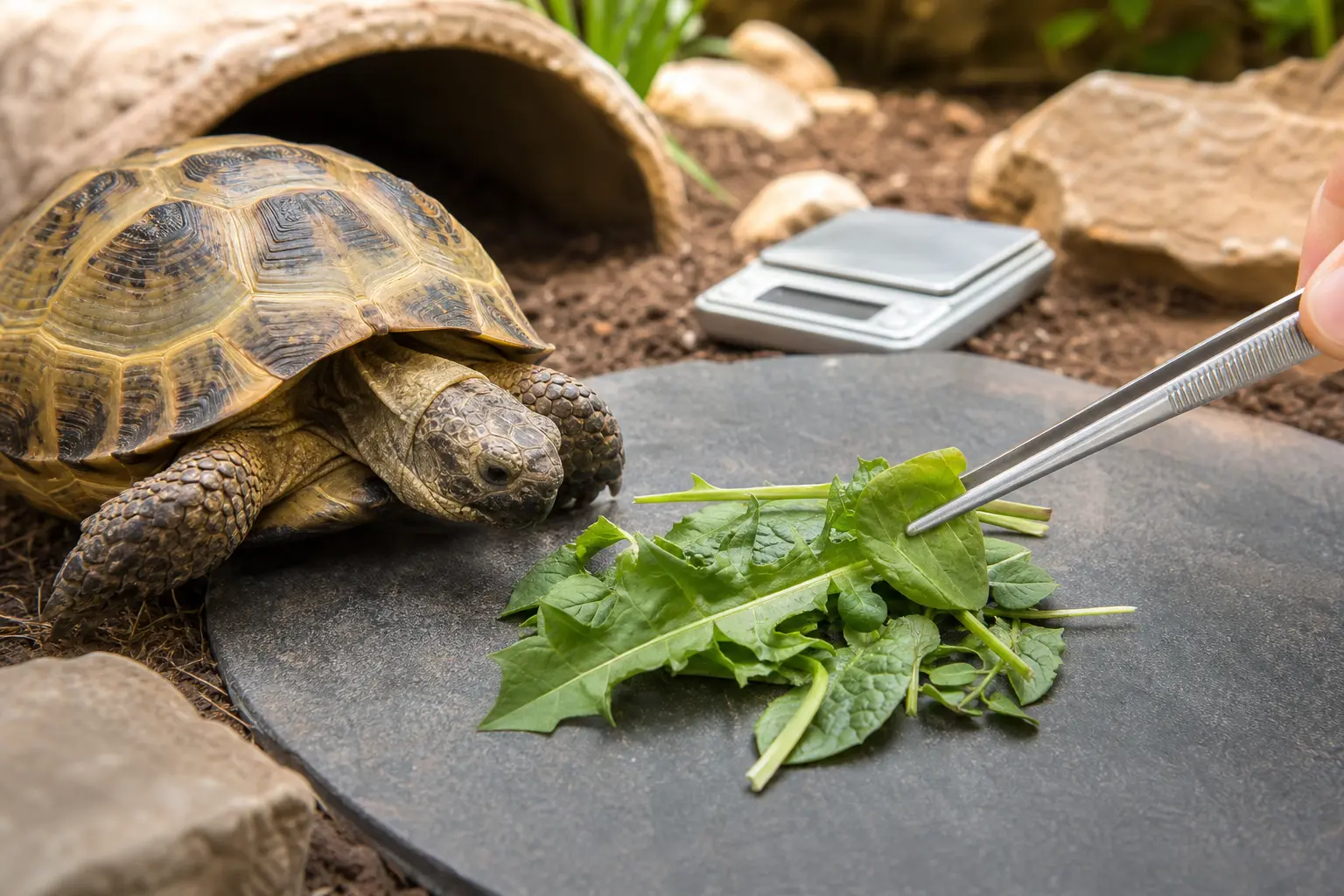 Get the prep right
Portion, prey size, thawing, gut-loading, and supplements all depend on the animal. Follow the plan written for this species and life stage.
Get the prep right
Portion, prey size, thawing, gut-loading, and supplements all depend on the animal. Follow the plan written for this species and life stage.
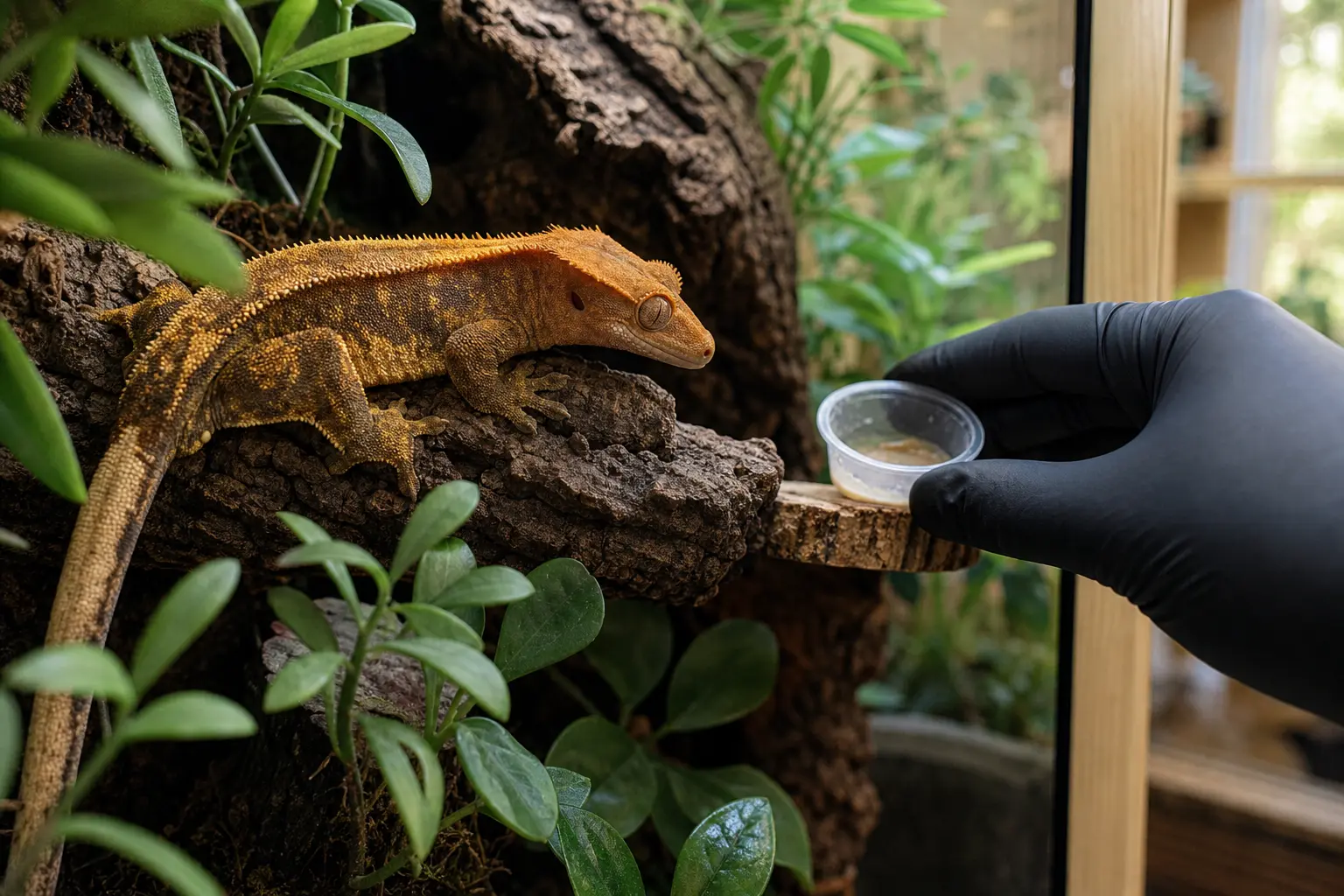 Clear away the leftovers
Remove old greens, prepared diets, prey, and loose feeders promptly. Clean the dish or tongs, then wash your hands with soap and water.
Clear away the leftovers
Remove old greens, prepared diets, prey, and loose feeders promptly. Clean the dish or tongs, then wash your hands with soap and water.
Clean food. Clean hands. Clear boundaries.
Reptile food can carry germs even when it looks perfectly normal. A simple separation routine protects everyone at home.
Browse all 168 starting points
Feeder insects · 25
- Crickets
- Dubia Roaches
- Discoid Roaches
- Black Soldier Fly Larvae
- Calciworms
- Mealworms
- Superworms
- Waxworms
- Hornworms
- Silkworms
- Butterworms
- Earthworms
- Nightcrawlers
- Locusts
- Grasshoppers
- Isopods
- Springtails
- Feeder Beetles
- Phoenix Worms
- Canned Insects
- Dried Mealworms
- Freeze-Dried Crickets
- Soldier Fly Pupae
- Red Wigglers
- Silkworm Pupae
Greens and herbs · 30
- Collard Greens
- Mustard Greens
- Turnip Greens
- Dandelion Greens
- Endive
- Escarole
- Arugula
- Romaine Lettuce
- Green Leaf Lettuce
- Red Leaf Lettuce
- Bok Choy
- Cilantro
- Basil
- Parsley
- Mint
- Hibiscus Leaves
- Grape Leaves
- Mulberry Leaves
- Clover
- Wheatgrass
- Watercress
- Radicchio
- Carrot Tops
- Beet Greens
- Kale
- Spinach
- Chicory
- Plantain Leaves
- Moringa Leaves
- Opuntia Flowers
Vegetables · 27
Fruit and flowers · 26
Prey and protein · 23
Supplements and hazards · 37
- Calcium Powder
- Calcium With D3
- Multivitamin Powder
- Bee Pollen
- Gut-Loaded Insects
- Hydration Gels
- Electrolyte Soak
- Commercial Pellets
- Tortoise Pellets
- Aquatic Turtle Pellets
- Cat Food
- Dog Food
- Bird Seed
- Avocado
- Onion
- Garlic
- Rhubarb Leaves
- Fireflies
- Wild Insects
- Pesticide-Exposed Bugs
- Seasoned Food
- Deli Meat
- Bread
- Dairy
- Chocolate
- Caffeine
- Alcohol
- Essential Oils
- Cedar Shavings
- Pine Shavings
- Sand As Food
- Gravel Pieces
- Vitamin Drops
- Human Supplements
- Bait Shop Worms
- Moldy Greens
- Spoiled Prey