Growing reptiles need measured change
Review enclosure security, feeder or prey size, supplement plan, basking access, hydration, and weight trend as juveniles grow. Do not keep a growing animal in starter housing because it arrived small.
Care through the years
Adapt care to the exact species and the animal's measured growth and body condition.
Age changes the questions you ask. It does not replace species-specific husbandry.
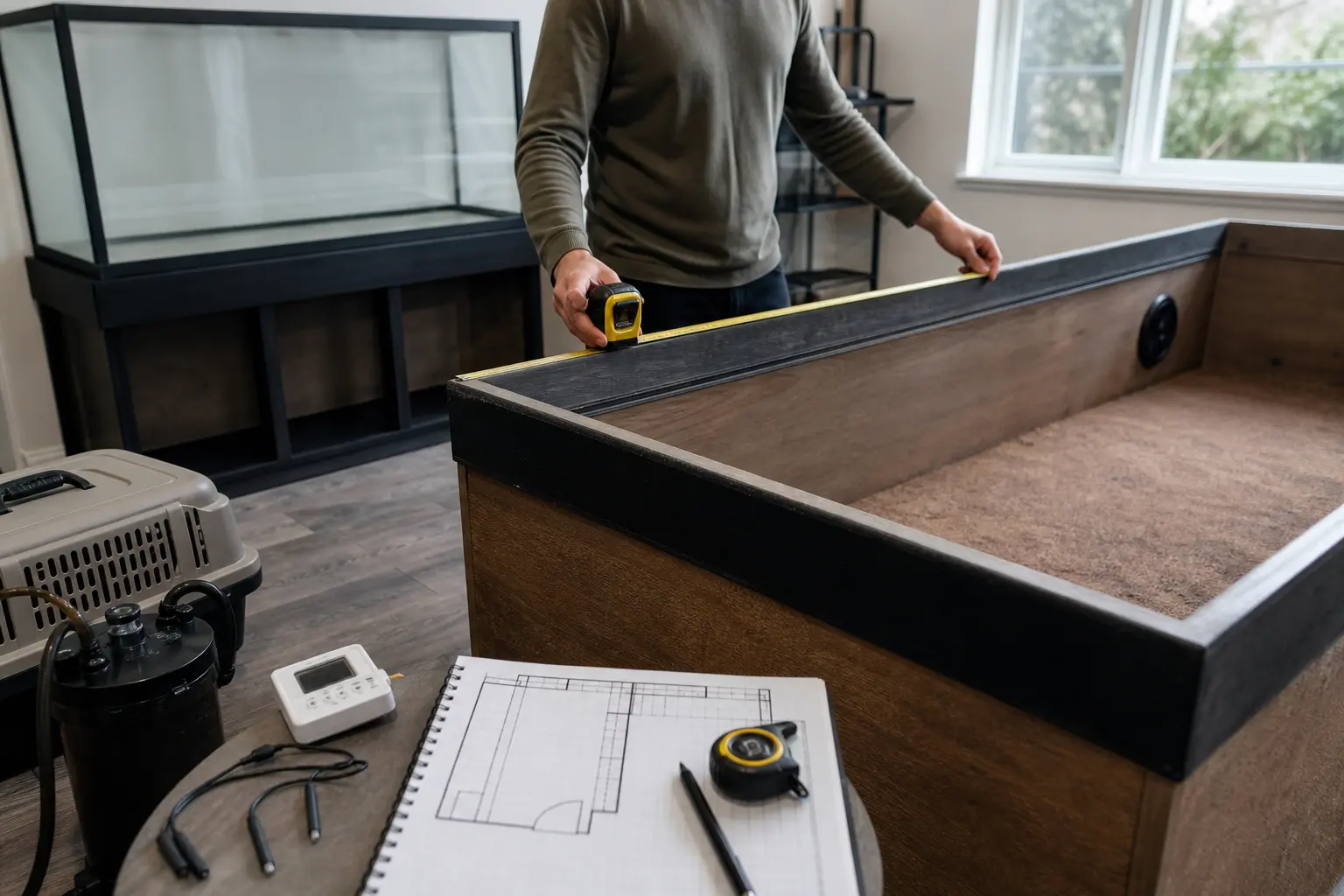
Review enclosure security, feeder or prey size, supplement plan, basking access, hydration, and weight trend as juveniles grow. Do not keep a growing animal in starter housing because it arrived small.
Keep tracking body condition, activity, reproduction, teeth or mouth where visible, skin or shell, movement, and the performance of habitat equipment. Stable adults still need routine veterinary care.
A senior may benefit from lower stable routes, gentler access to basking and water, additional secure resting choices, and closer weight monitoring. Ask a reptile veterinarian before changing diet, supplements, heat, UVB, or reproductive care.
Choose the next focused guide for reptile life stages: juveniles to seniors.
Three optional picks matched to this page. Check adult size, species-specific care targets, and product compatibility before buying.
Affiliate links: Furball Cove may earn from qualifying purchases at no extra cost to you.

Makes consistent weight checks possible between veterinary visits; use the same safe container and schedule each time.
Trend tool only · Use a safe containerCompare Digital gram scale options
Keeps dates, readings, weight, appetite, shedding, waste, and questions together for clearer veterinary conversations.
Observation record · Not a diagnosisCompare Reptile care log options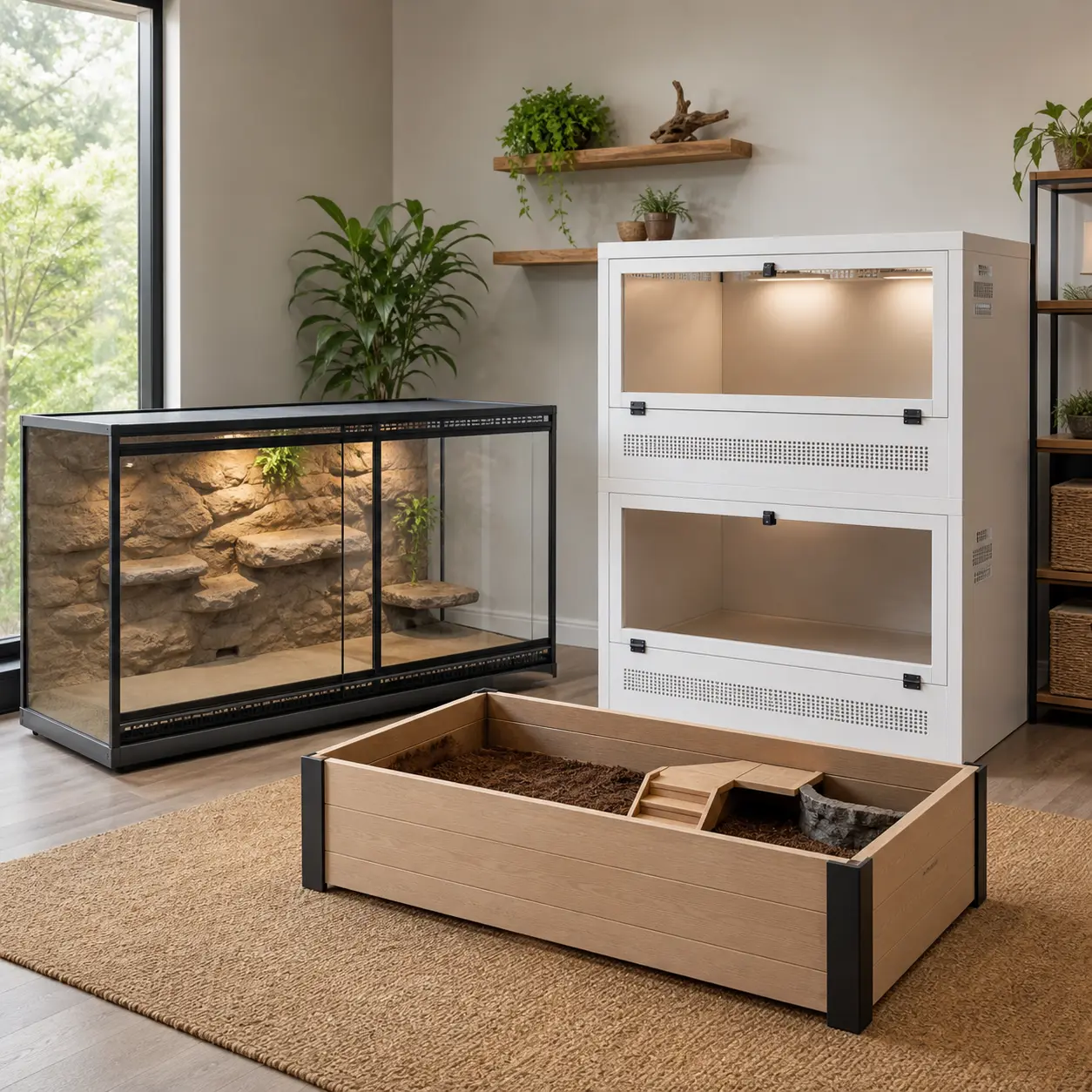
Compare verified internal dimensions, ventilation, door locks, and fixture space against the animal's adult care plan.
Verify internal size · Secure front doorsCompare Front-opening terrarium options