The quiet shape of an ordinary day
Movement, Behavior & Aging
Movement is one of the clearest ways to know your reptile.
Learn their ordinary pattern, and let meaningful changes guide a conversation with a reptile veterinarian.
Learn how your reptile moves through the day
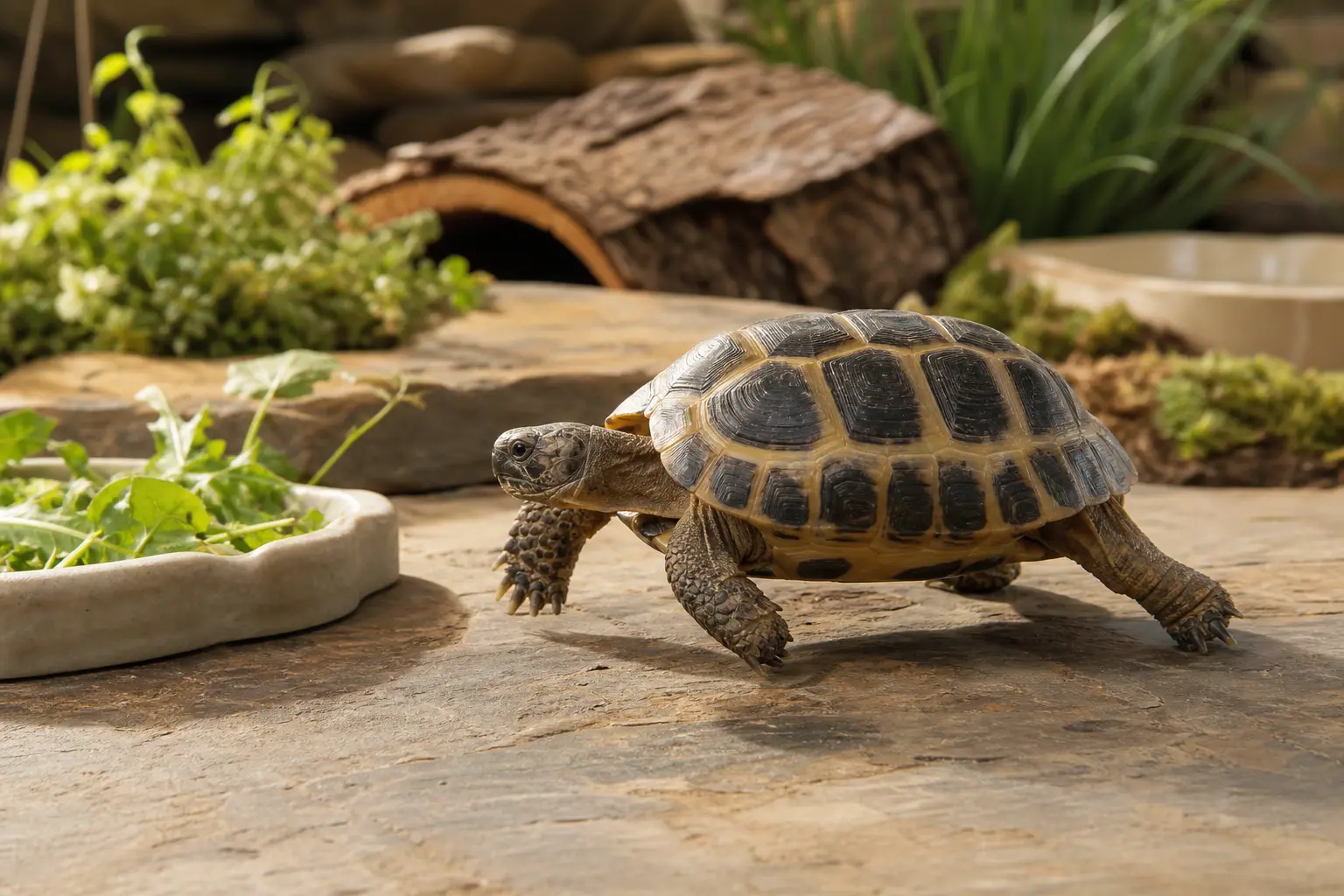
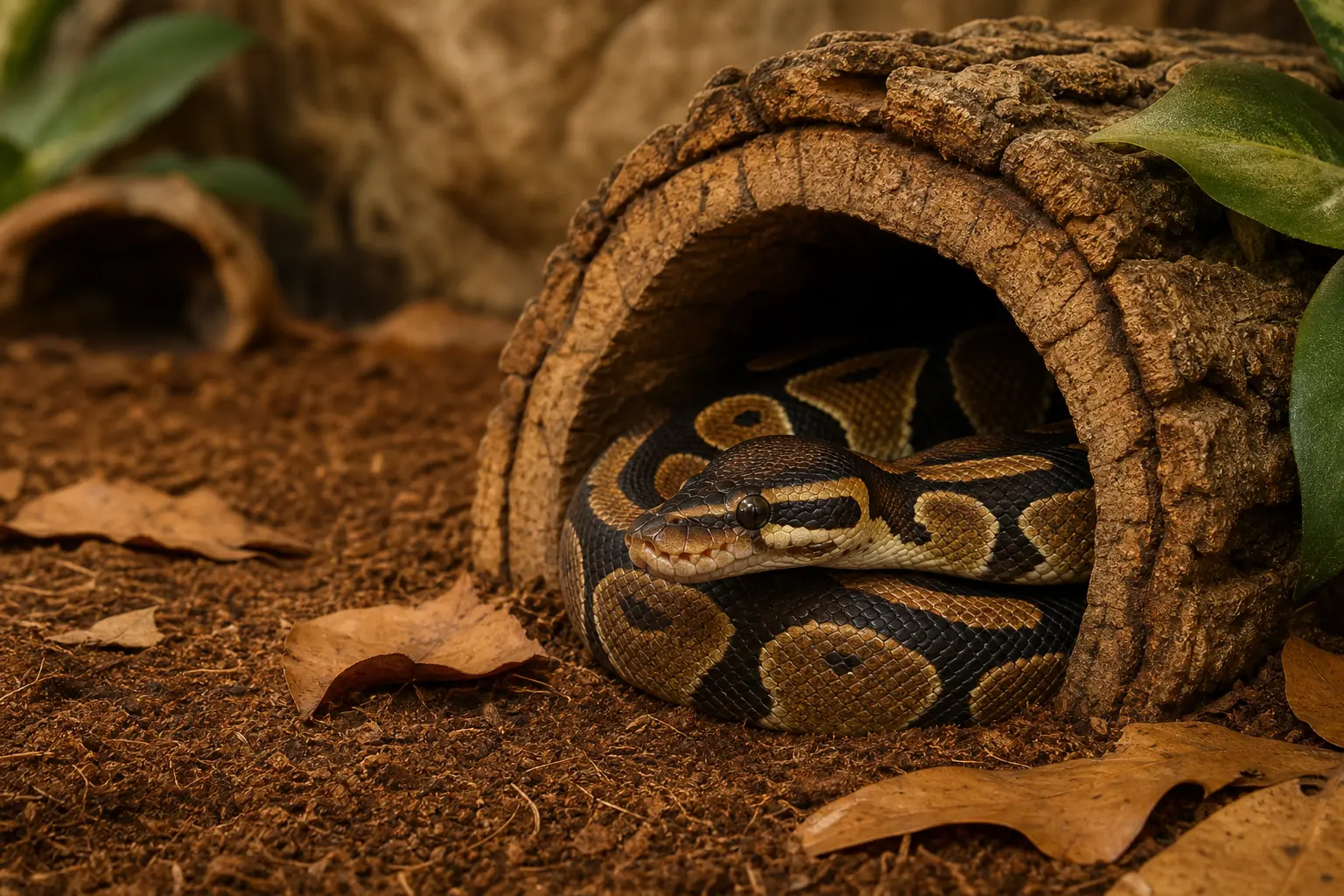
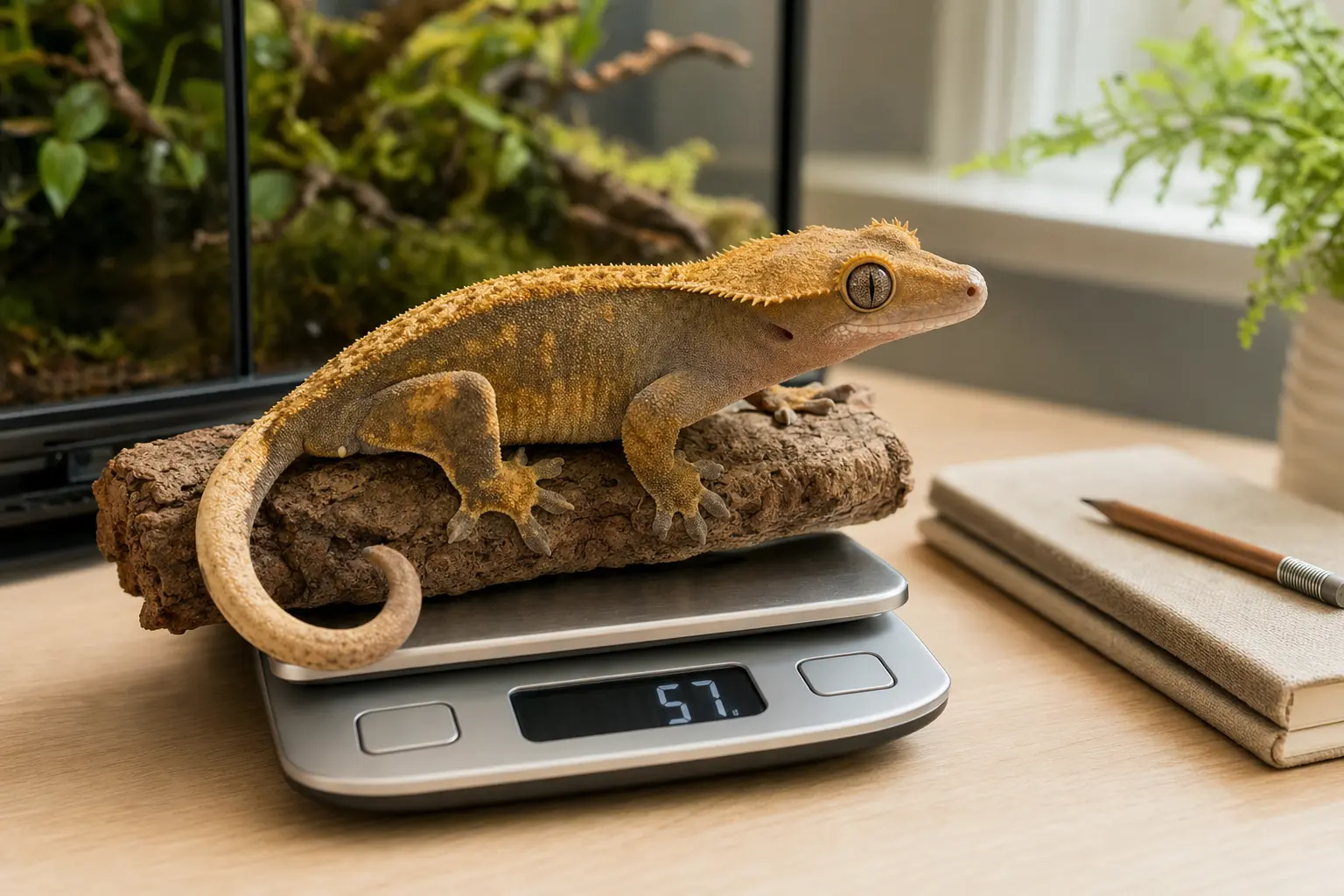
Health can look like a gecko choosing a secure perch, a snake moving smoothly through cork, or a tortoise walking with unhurried purpose.
Watch at the right time of day
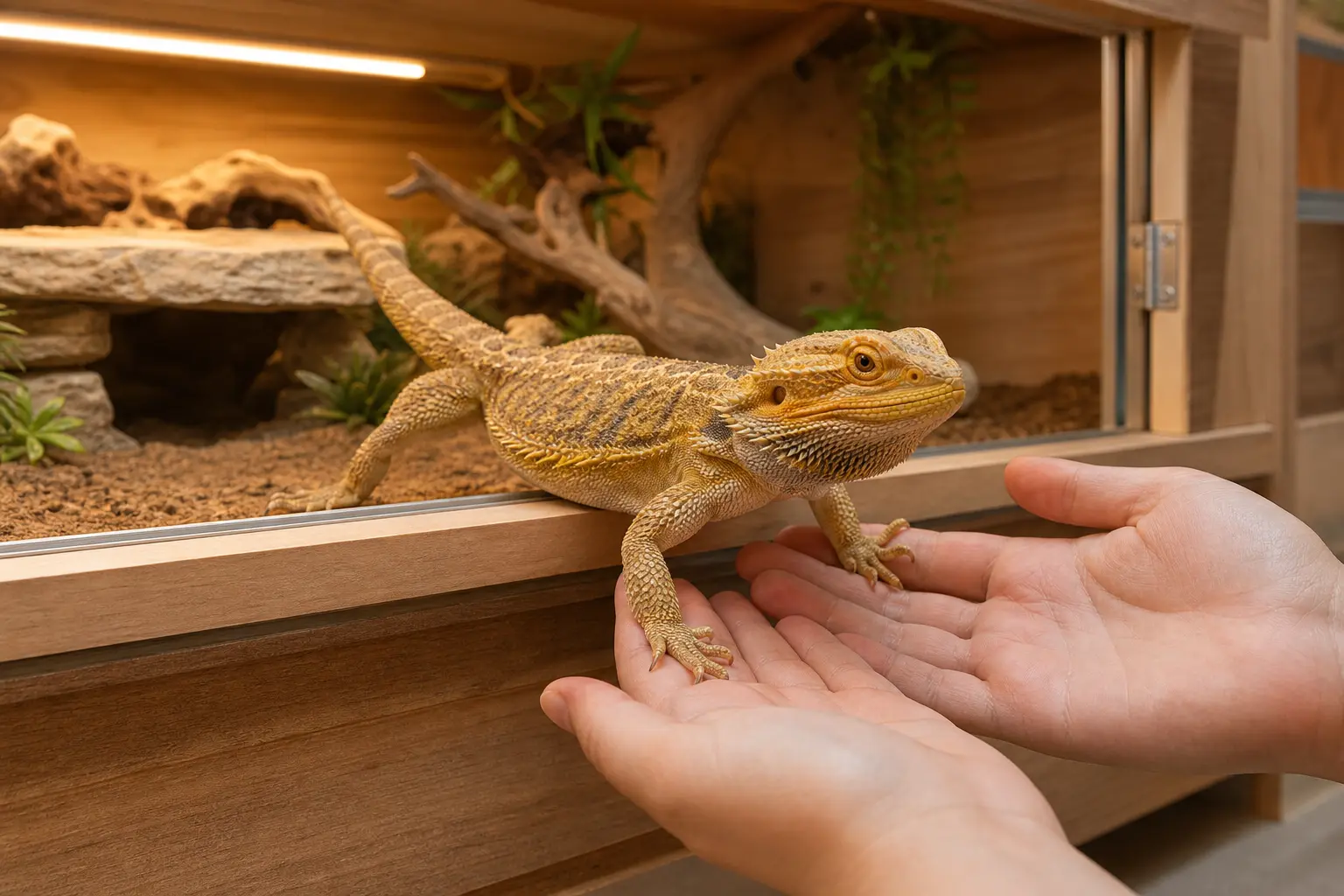
A crepuscular gecko, a basking lizard, and a snake moving after dark reveal different parts of their normal lives. Observe when your reptile is usually awake.
Let the habitat explain the easy things first
Check real temperatures, light timing, hiding places, climbing or swimming access, and recent enclosure changes before assuming a quiet day means illness.
Notice how the body works
Familiarize yourself with ordinary grip, posture, balance, walking, climbing, swimming, righting, and the way your reptile settles to rest.
When movement or behavior truly changes
Compare with the reptile you know, then add age, season, temperature, shed, and recent habitat changes.
Grip, balance, or posture changes
Repeated falls, tremors, dragging a limb, abnormal twisting, weak grip, or difficulty walking, climbing, swimming, or righting the body deserves a veterinary call.
They are much quieter than usual
A change in hiding or activity matters more when it comes with poor appetite, weight loss, weakness, breathing changes, swelling, or unusual waste.
An older reptile's routine changes
Do not assume a new problem is simply old age. Slower movement, weight change, stiffness, reduced climbing, or difficulty reaching heat, light, food, or water is worth discussing with a reptile veterinarian.
Sudden loss of movement is urgent
Collapse, seizures, paralysis, severe weakness, loss of balance, or being unable to right the body needs an immediate call to a reptile veterinarian.
- Keep them secureRemove fall risks only if you can do so without stressful handling, and prepare a safe carrier.
- Record the movementA short video can help the veterinarian when it does not delay the call.
- Bring habitat detailsMeasured warmth, UVB or lighting, diet, supplements, and recent changes belong in the conversation.