
Box turtle · Daily diet

What should I feed a box turtle?

A varied omnivorous menu of reputable invertebrates, leafy plants, vegetables, fungi, and limited fruit matched to species and age.

The right menu must fit the turtle's age and body condition while delivering balanced nutrition safely.

Use the practical checks
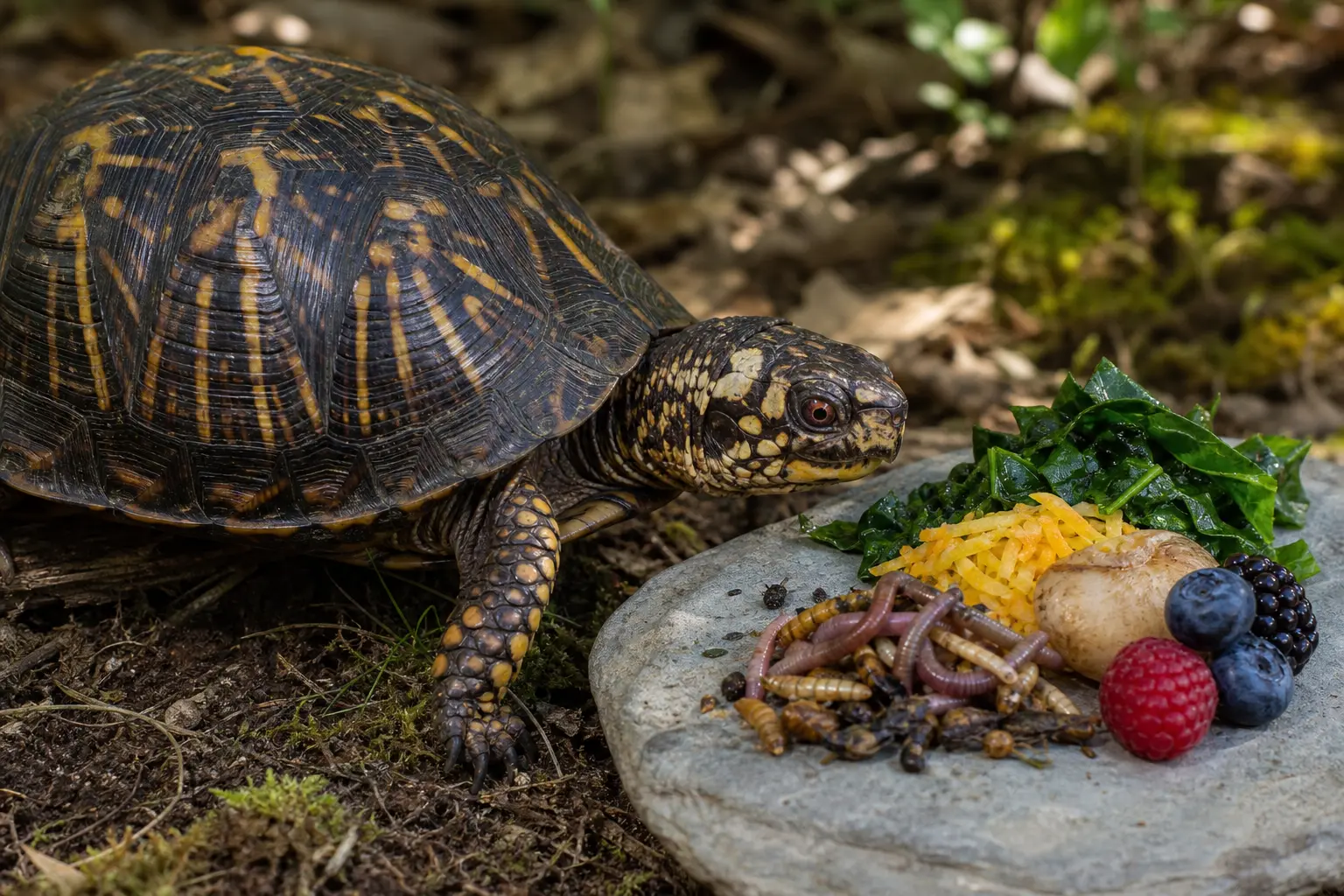
Adult common box turtle with a dark yellow-orange patterned shell and sturdy legs approaching a varied species-appropriate measured meal prepared on a clean feeding surface.

Put it into practice

The useful checks

Do this

  • Use the exact species diet and a reviewed supplement plan.
  • Remove spoilable food and wilted food and rejected prey promptly.
  • Keep fresh water and monitor box turtle behavior every day.
  • Record changes so a reptile veterinarian receives useful evidence.
Avoid this

  • Do not make one fruit, vegetable, or protein item the entire diet.
  • Do not combine supplements without checking the instructions.
  • Do not copy another reptile species' setup.
  • Do not treat a persistent health change as a shopping problem.
01

Build the correct menu

For a box turtle, build meals around a varied omnivorous menu of reputable invertebrates, leafy plants, vegetables, fungi, and limited fruit. Portion food for the turtle in front of you rather than treating treats or one favored feeder as the whole diet.

Follow the formulated-food or supplement instructions carefully. Vitamin and mineral products can be overdosed, so do not stack powders or add extra vitamin D without a reviewed plan.

02

Prepare feeders properly

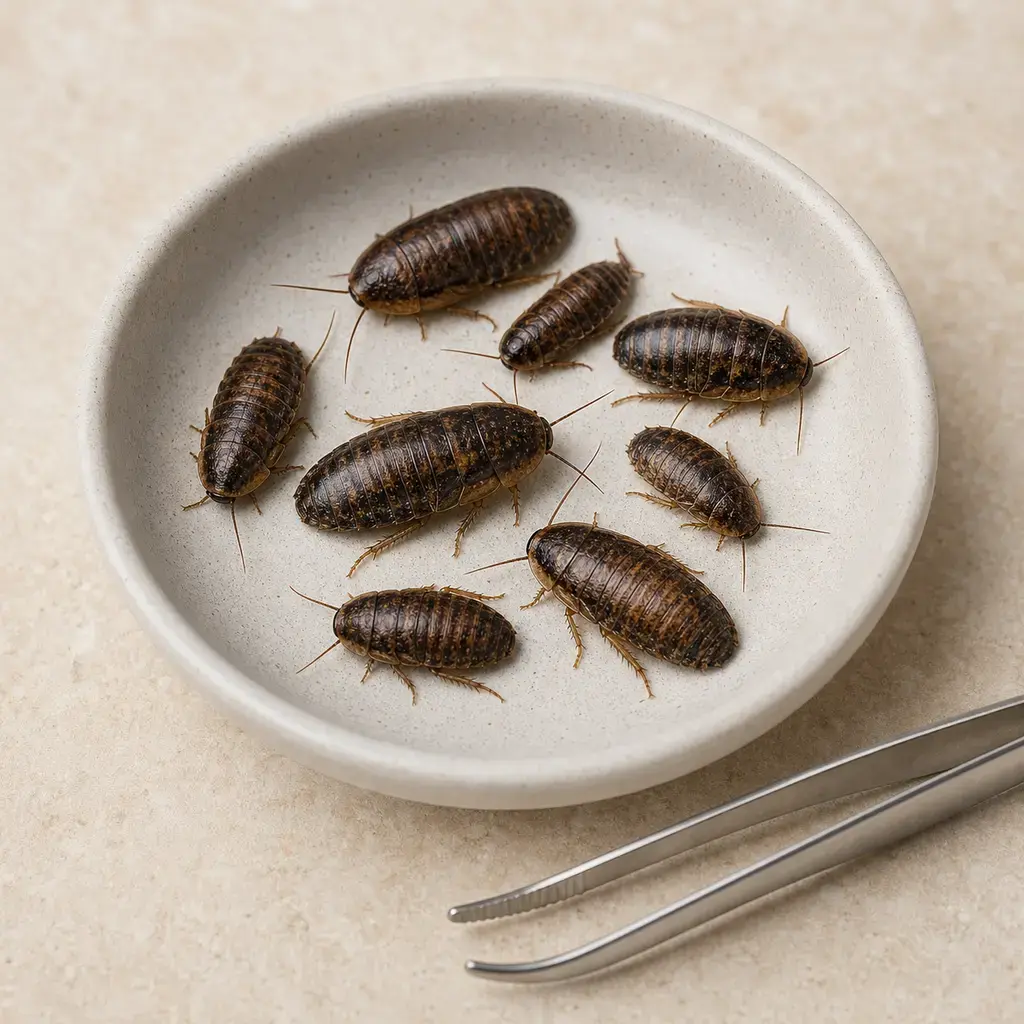
When feeding insects to a box turtle, buy captive-bred species, keep them well fed and hydrated, gut-load them before use, and offer prey the turtle can safely take.

Dust immediately before feeding according to the reviewed schedule. Remove uneaten live insects promptly because they can hide, stress, or bite a resting turtle.

03

Use appetite as one data point

Serve fresh food in a clean dish, replace water daily, and wash hands and tools afterward. Keep reptile equipment away from human food-preparation areas.

Track body weight, body condition, droppings, appetite, and activity together. A sudden appetite change with weight loss, weakness, abnormal stool, swelling, or poor temperatures needs more than a different flavor or feeder.

Box turtle care boundaries at a glance
Adult home
At least 240 × 120 cm (8 × 4 ft) for one adult; exact climate and layout must match the identified Terrapene species
Warm zone
Broad ground-level basking patch around 32–35°C (90–95°F)
Cool and night
Deep planted shade around 21–25°C (70–77°F); All visible lights off; seasonal cooling or brumation only under an exact-species and veterinary plan
Humidity
Species-dependent, usually with deep humid soil, generous leaf litter, airflow, and a shallow clean soaking area
UVB
Measured moderate UVB over basking ground, grading into complete leafy shade
Food
A varied omnivorous menu of reputable invertebrates, leafy plants, vegetables, fungi, and limited fruit matched to species and age
Sources and further reading