Updated

Cat home safety

Are scented candles safe for cats?

For scented candles, reduce exposure and call your vet or pet poison control if your cat licked, chewed, swallowed, inhaled, or seems unwell.

Use this page to lower the risk in the room and know when a vet or poison-control call is smarter than guessing.

Cat vet records and appointment questions

What to notice at home

The risk is not only swallowing something. Scents, residues, smoke, sprays, powders, oils, treated surfaces, and chewed packaging can all matter because cats groom their paws and coat.

Exposure questions are about contact, not just ownership. Think about licking, chewing, inhaling, walking through residue, grooming it off paws, or drinking from a container.
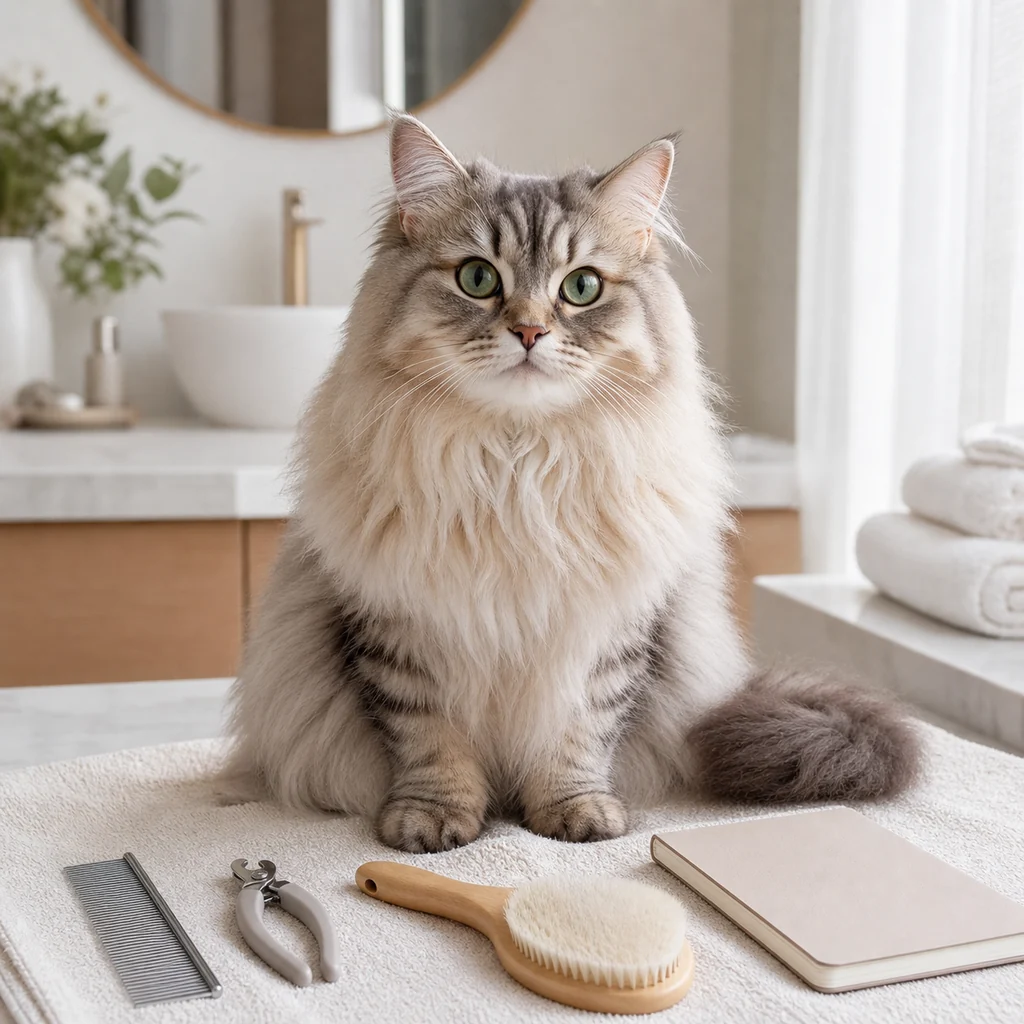
Cat beside grooming and health care tools

What to try first

Ventilate, move the product or object out of reach, wipe residues when appropriate, and save the label or plant name if exposure happened. Call your vet or poison control for uncertain or risky contact.

Remove access first, then sort out the exact product, plant, cleaner, scent, or object. Keep labels, photos, and timing notes because small details change the advice.

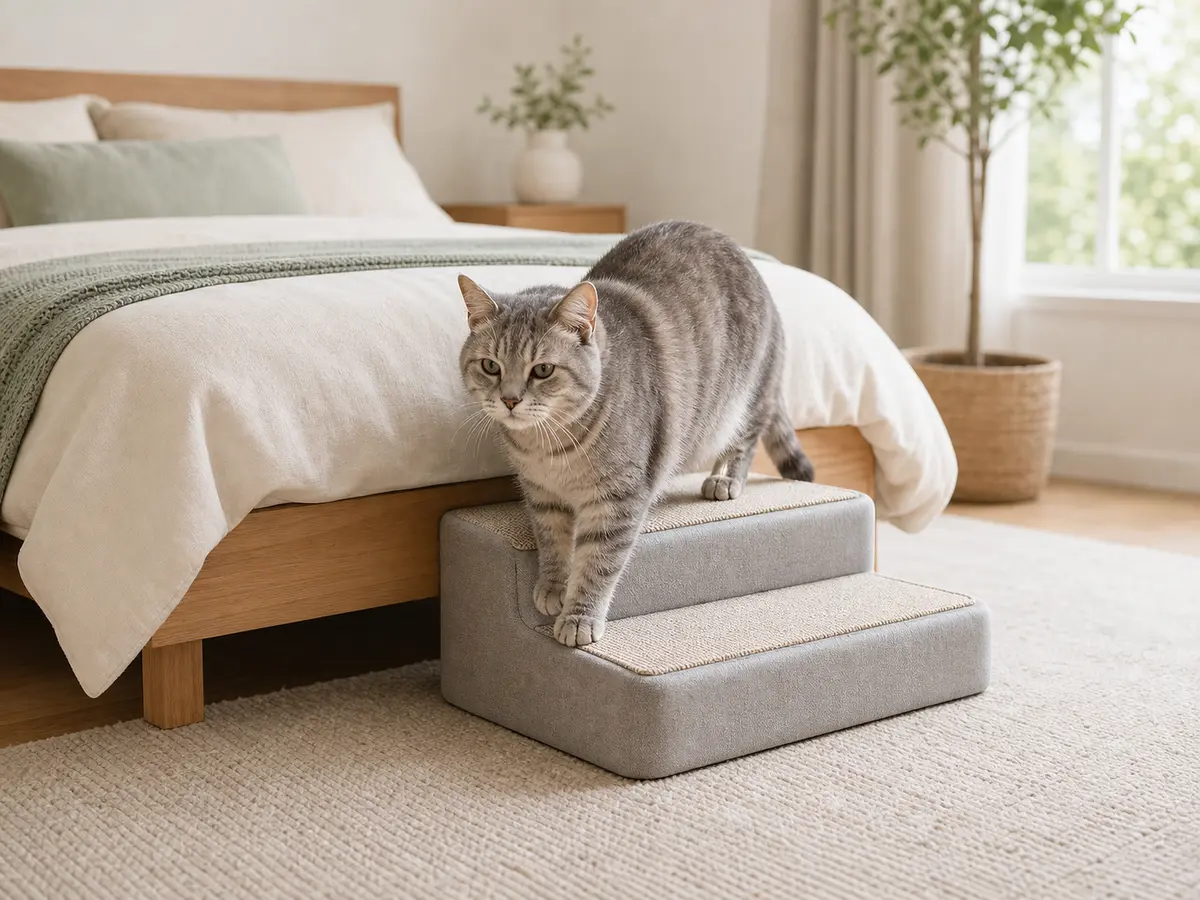
Senior cat using low steps to reach a bed safely

When to get help

If your cat chewed, licked, swallowed, inhaled, or walked through a risky product, call your veterinarian or pet poison control with the product name, amount, timing, and your cat's weight.

Call promptly for chemical, scent, medication, plant, cord, or small-object exposure, especially if your cat is coughing, drooling, vomiting, weak, burned, or acting unlike normal.

Before you decide

  • Is this new, sudden, or getting worse?
  • Did food, litter, scent, guests, noise, another pet, or the room setup change recently?
  • Could your cat have licked, chewed, inhaled, walked through, or groomed residue from the item?
  • Would pain, toxin exposure, breathing trouble, or a urinary problem make this urgent?

Next best moves

  • Make one calm, observable change instead of changing the whole routine at once.
  • Write down timing, triggers, appetite, litter use, and what helped.
  • Call your veterinarian quickly for health, toxin, pain, breathing, urine, or severe behavior concerns.

Helpful supplies

These supplies can help with safer setup and emergency readiness, but they do not replace a vet or poison-control call after exposure.

Affiliate links: Furball Cove may earn from qualifying purchases at no extra cost to you.

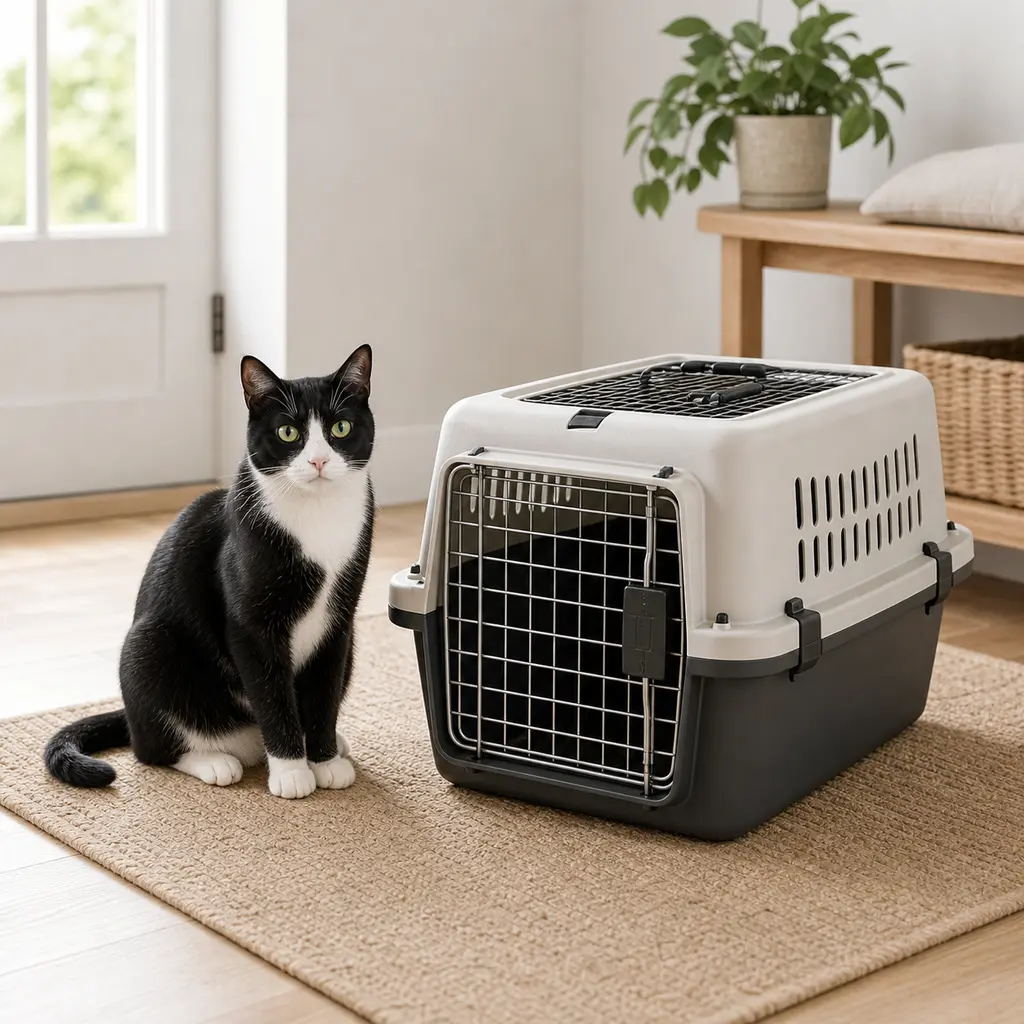
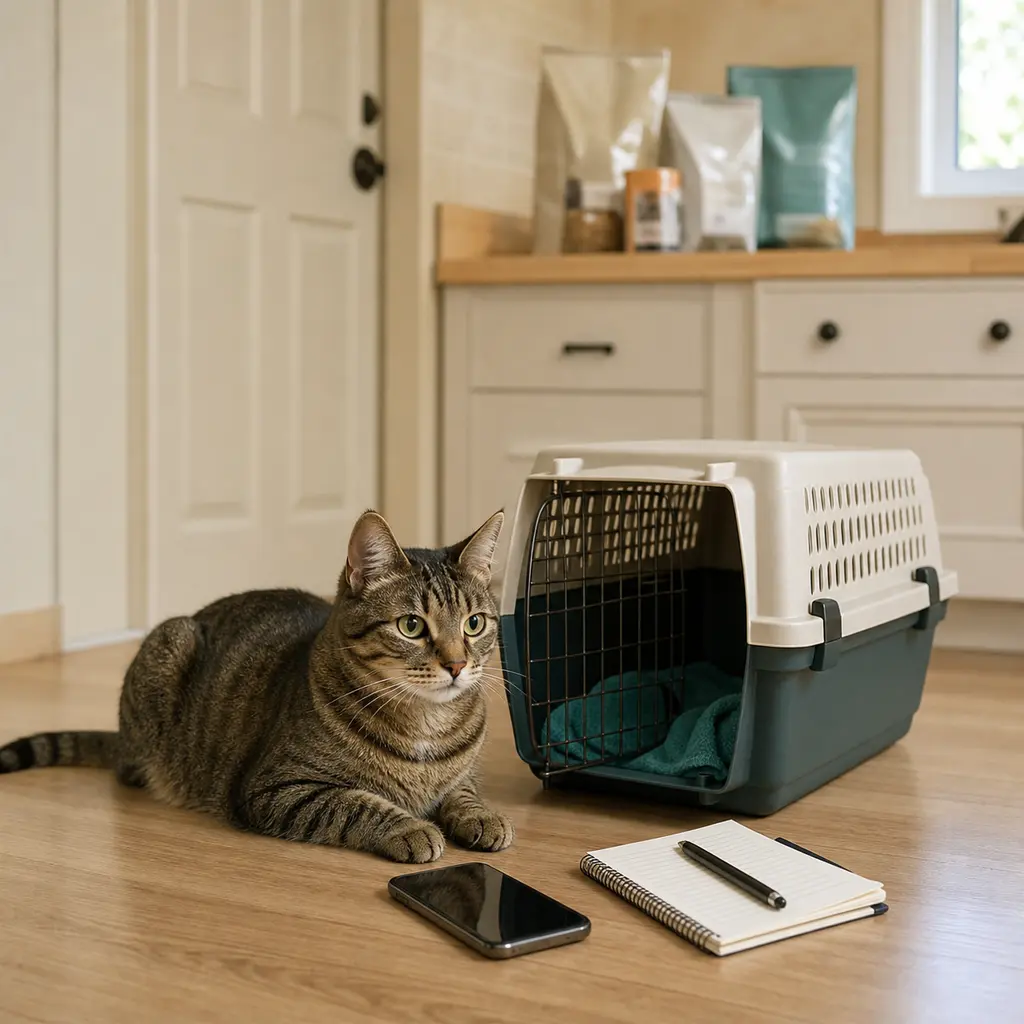
Hard-sided cat carrier left open for practice

Hard-sided carrier

A sturdy carrier is the safer default when a home-safety problem turns into a vet trip.

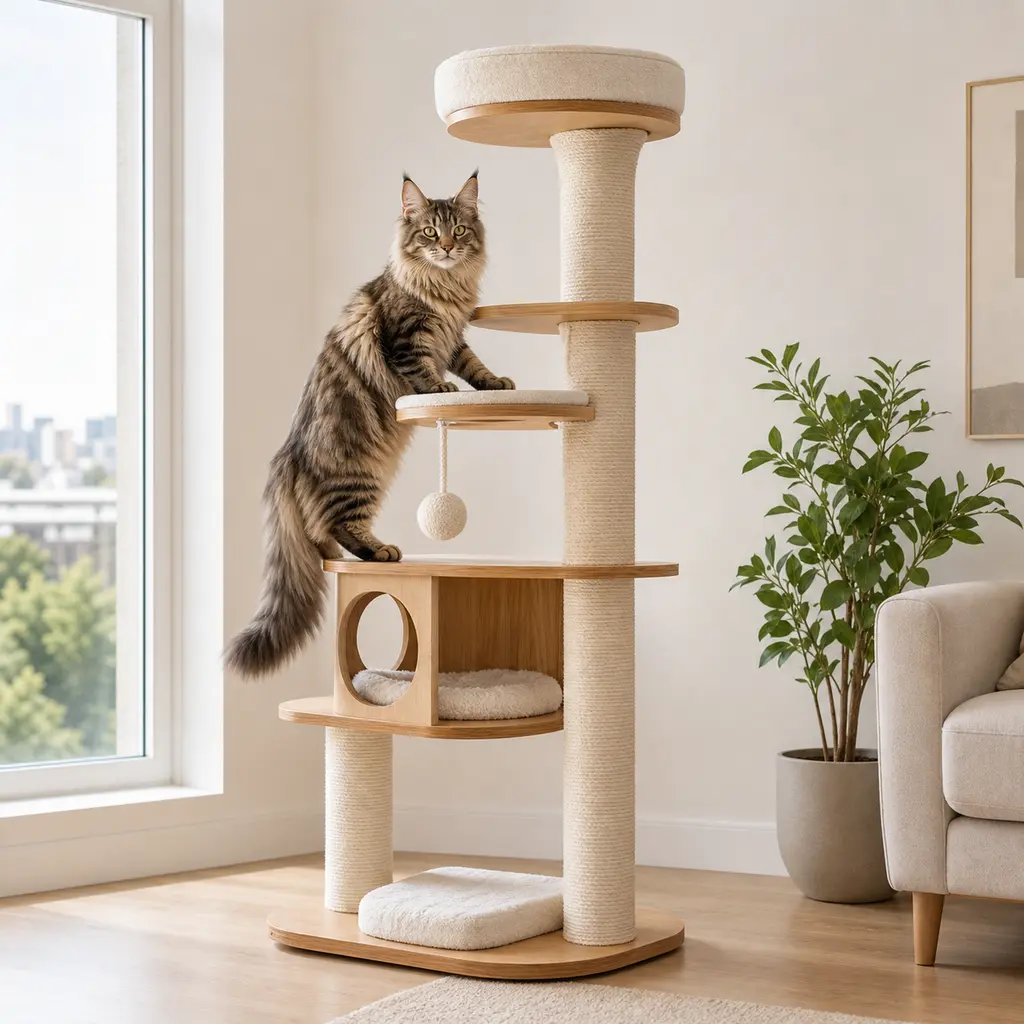
Cat tree for climbing and perching

Cat tree

Vertical space gives cats a better choice than counters, shelves, and unsafe balcony edges.

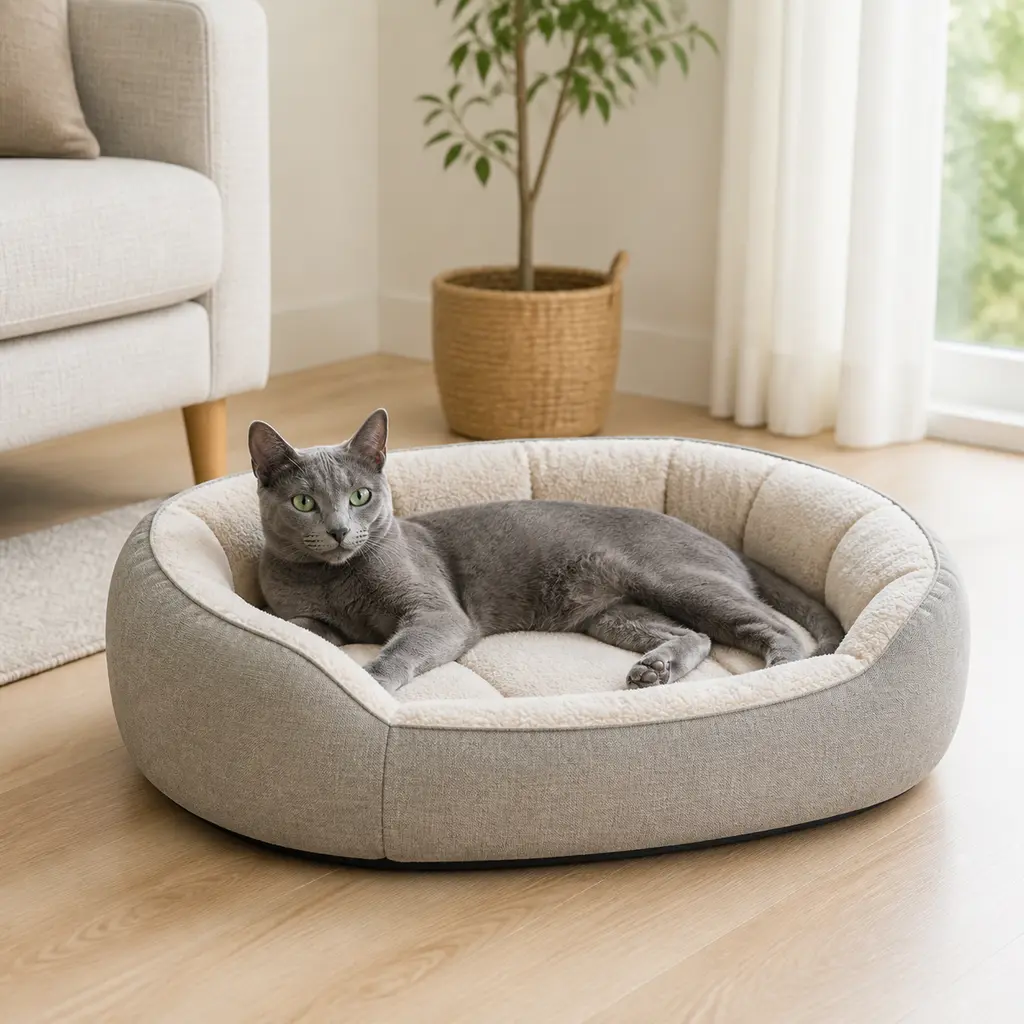
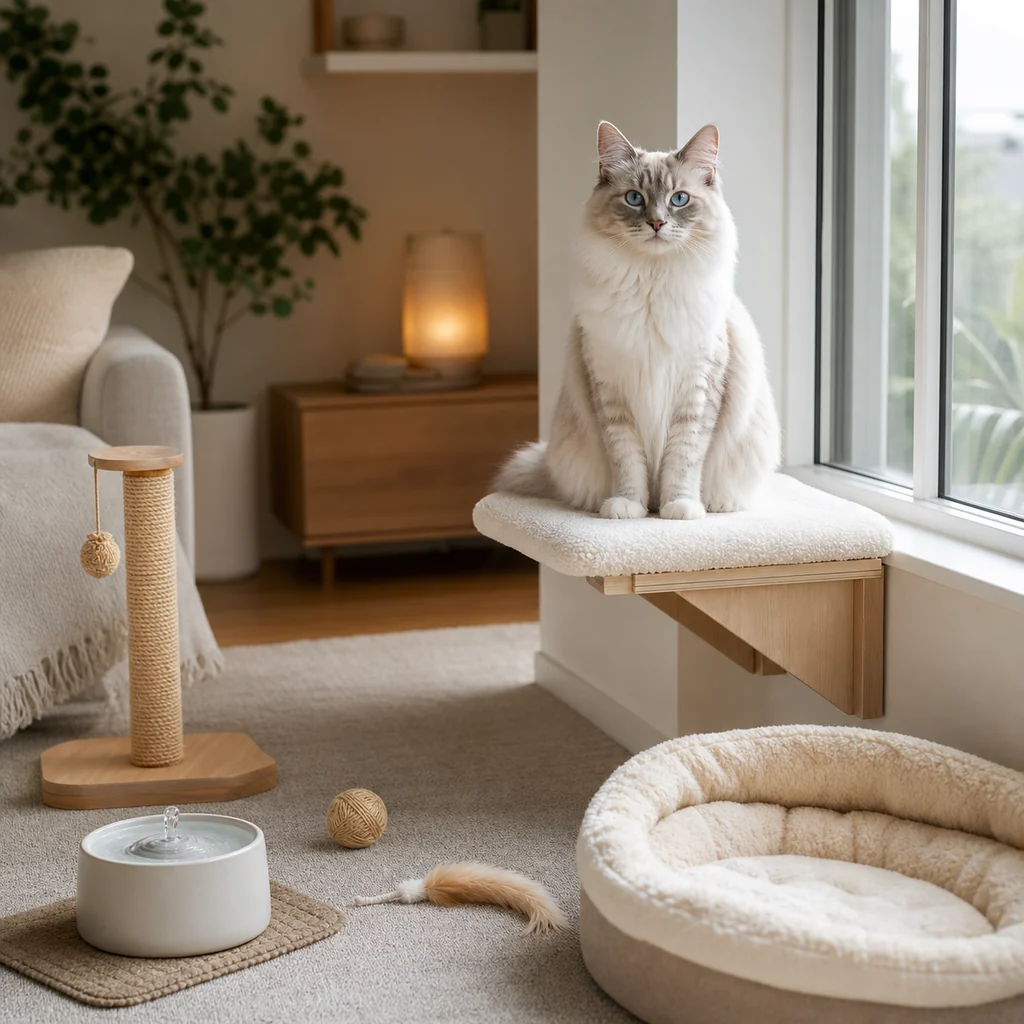
Washable bolster bed for a cat

Washable bolster bed

A washable rest spot helps when you are managing odor, cleaning, senior comfort, or stress.

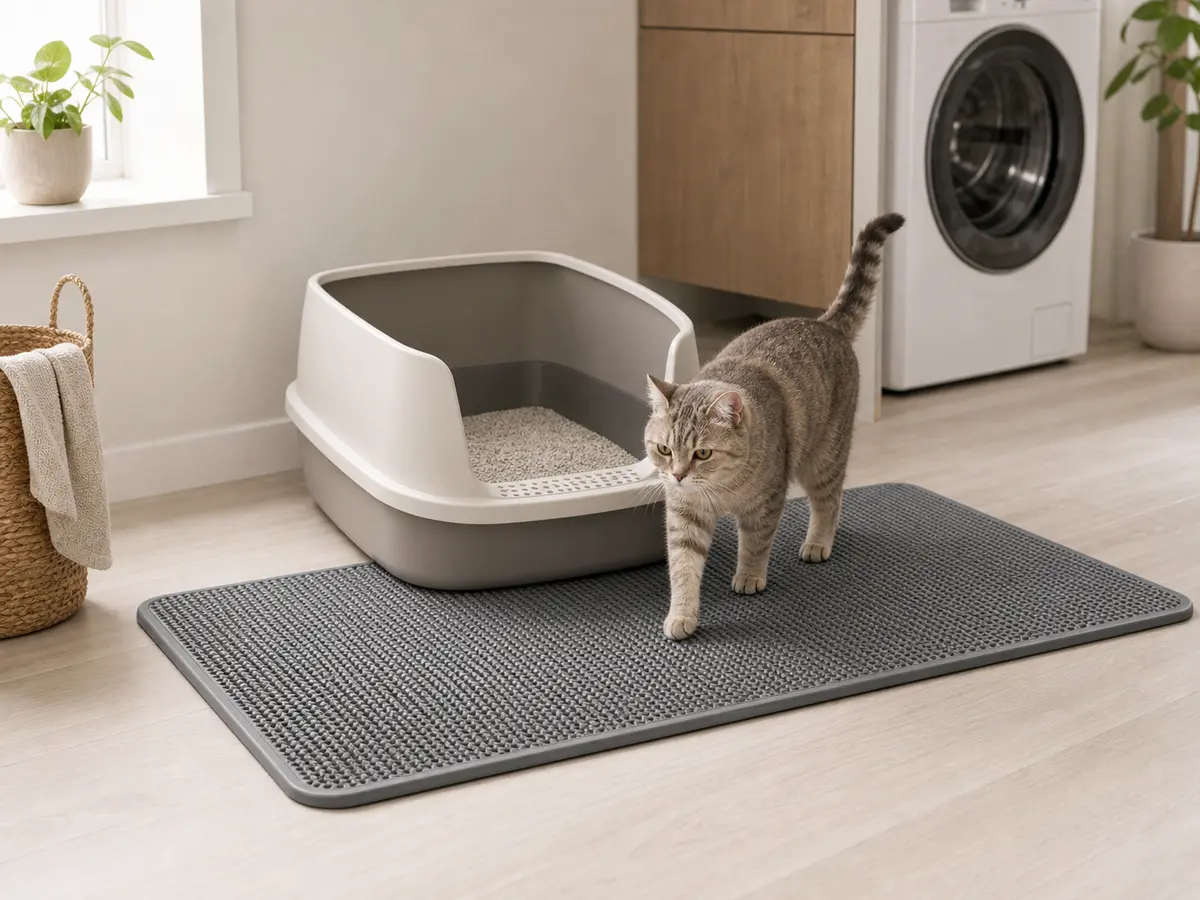
Litter trapping mat beside a box

Litter trapping mat

A mat can help contain tracked litter without blocking the path to the box.

Quick cat question

Are scented candles safe for cats?

For scented candles, reduce exposure and call your vet or pet poison control if your cat licked, chewed, swallowed, inhaled, or seems unwell.

When should I get help?

If your cat chewed, licked, swallowed, inhaled, or walked through a risky product, call your veterinarian or pet poison control with the product name, amount, timing, and your cat's weight.

References