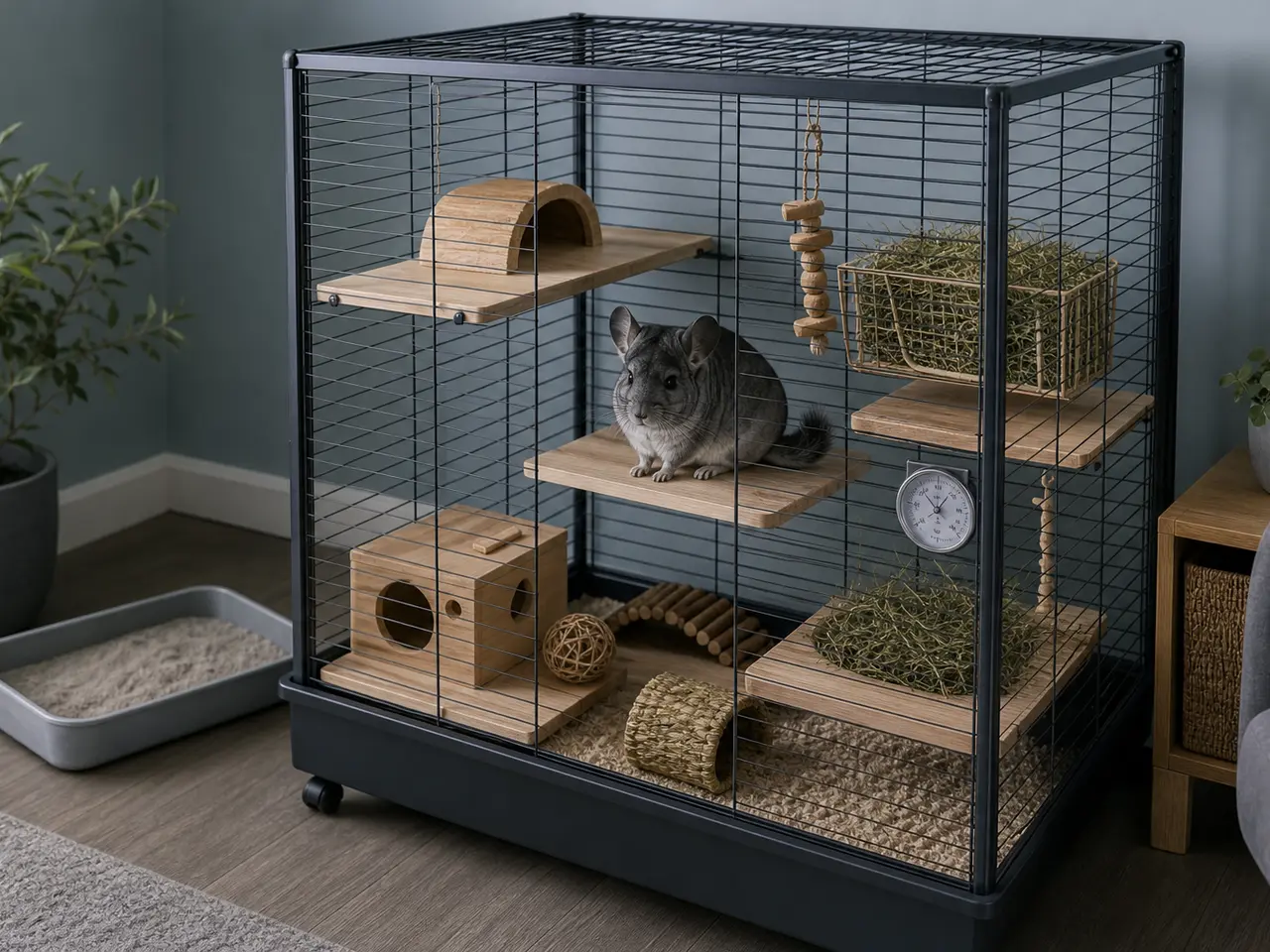
Know the look
Dark gray to black coat expression depending on line.
The Ebony Chinchilla label tells you what you are looking at. It does not tell you whether this animal enjoys handling, fits children, or needs easier chinchilla care.
Updated
Chinchilla varieties
Ebony chinchillas are dark color-variety chinchillas whose care is the same cool-room, hay-centered chinchilla routine.
Choose the color only after the cool room, hay, dust bath, and vet plan are ready.
Dark gray to black coat expression depending on line.
The Ebony Chinchilla label tells you what you are looking at. It does not tell you whether this animal enjoys handling, fits children, or needs easier chinchilla care.
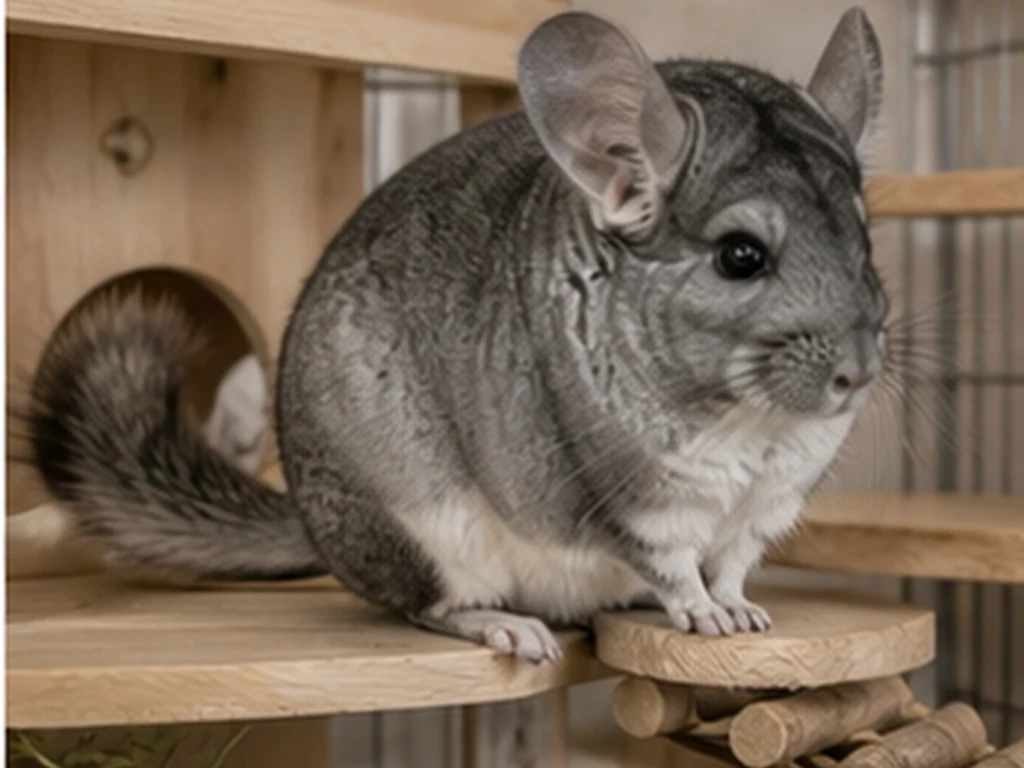
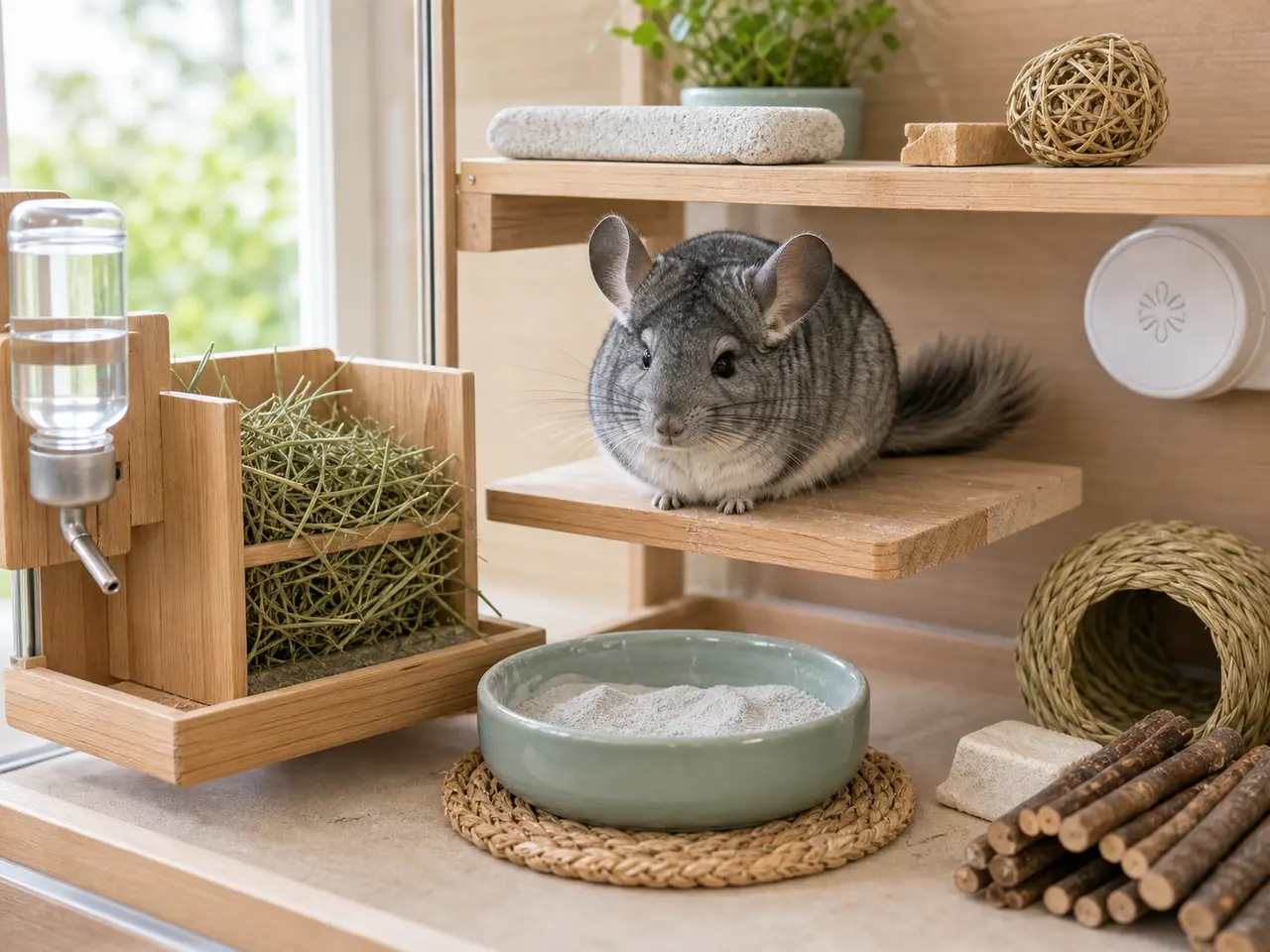
Chinchilla basics come first: cool dry housing, hay, dust baths, safe ledges, and heat checks.
Use the Chinchilla guide for cool habitat planning, bedding, hay, food, water, cleaning, handling, and health checks before choosing by coat or color.
Dense dark fur still requires dust-bath management and heat protection.
Use checks as a calm handling moment, not a grooming session. Stop before the animal starts dodging, bracing, or trying to bolt.
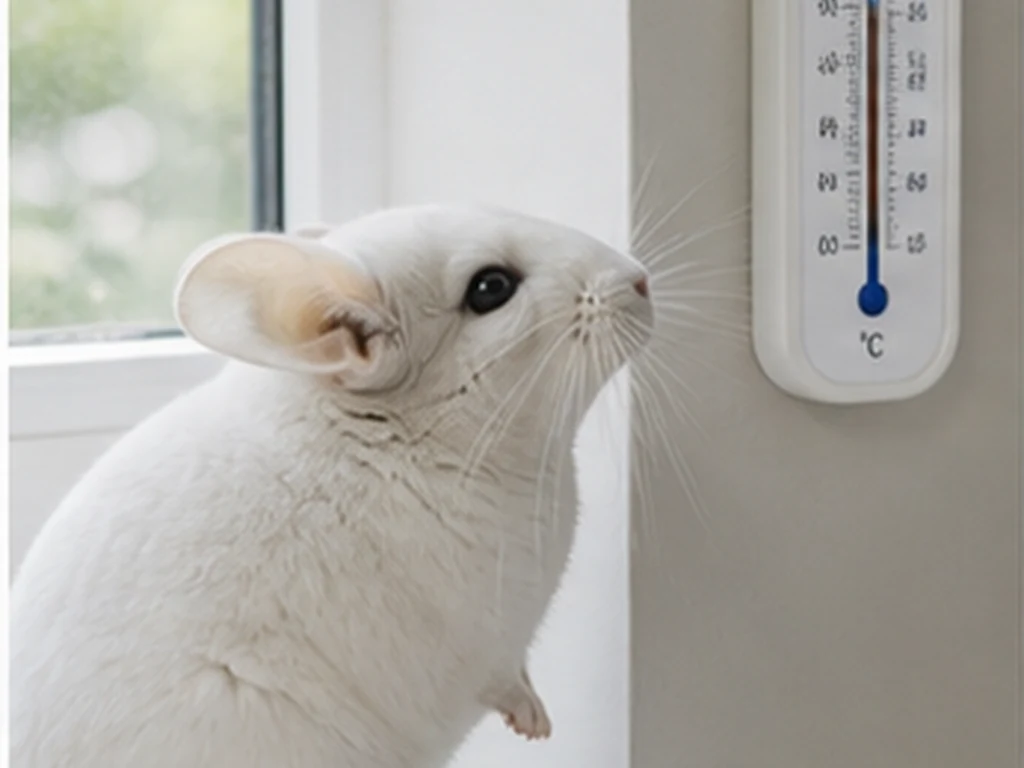
Homes already prepared for chinchilla care and drawn to dark coats.
Choose this look when food, water, cleaning, body checks, calm handling, and vet calls will still happen on tired days.
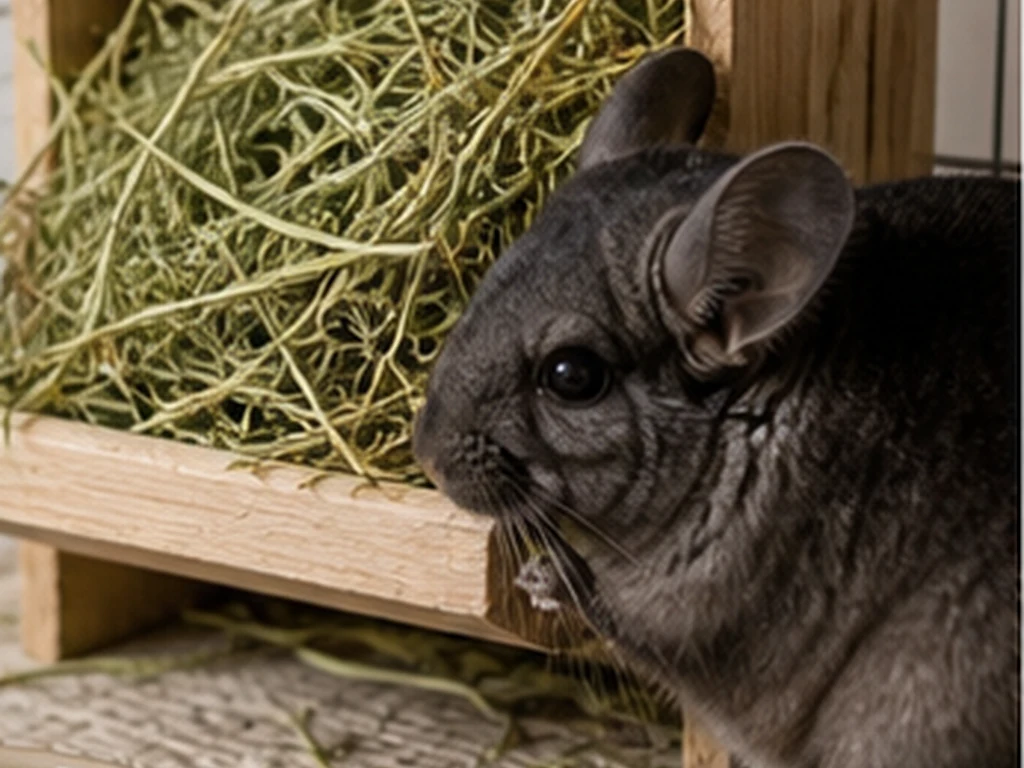
Color should not distract from temperature risk.
Ask the source about this Ebony Chinchilla's age, sex, current diet, housing, temperament, handling history, health notes, and any veterinarian or rescue support.
Ask about room temperature, dental history, hay intake, droppings, dust bath routine, fur slip, heat events, and vet records.
Usually no. Use the label to understand the look or coat, then follow the chinchilla care guide unless a qualified source explains a true species difference.
Choose by care fit first. If the daily routine, health history, temperament, and source all look good, then the Ebony Chinchilla look can be the final preference.