Know the look
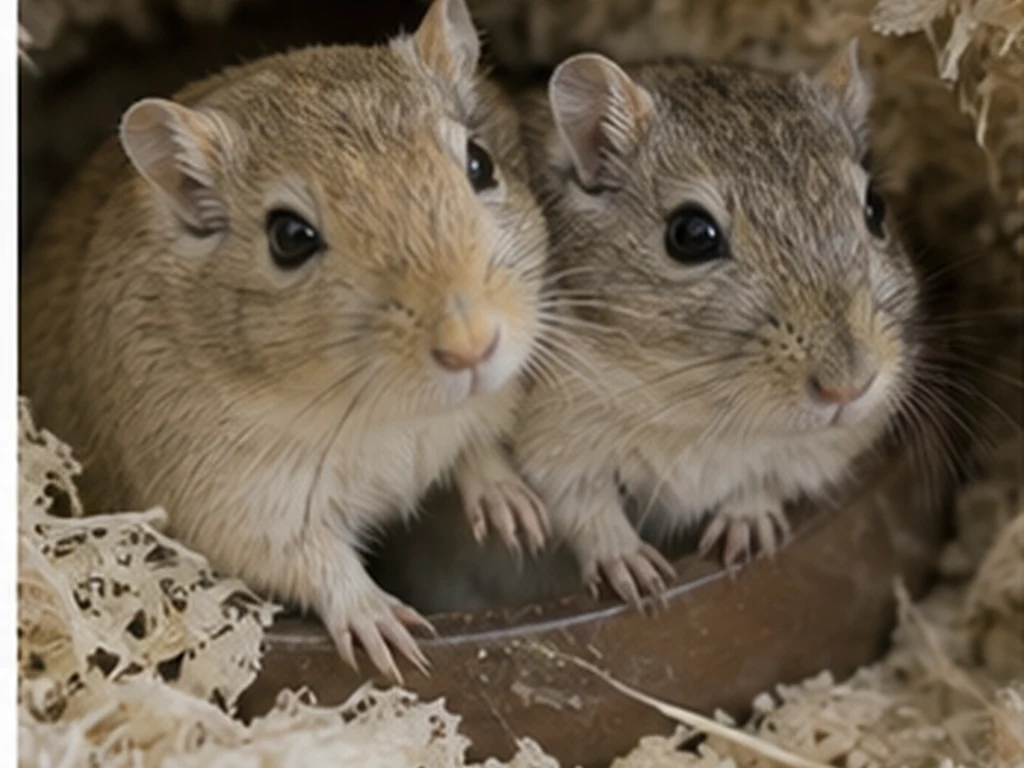
Softer-bodied gerbil type with a distinctive thicker tail.
The Fat-Tailed Gerbil label tells you what you are looking at. It does not tell you whether this animal enjoys handling, fits children, or needs easier gerbil care.
Updated
Gerbil types
Fat-tailed gerbils are a less common gerbil type and should be researched with an exotic-pet vet or experienced keeper before adoption.
Check the exact type before you buy the tank, bedding, food, or treats.
Softer-bodied gerbil type with a distinctive thicker tail.
The Fat-Tailed Gerbil label tells you what you are looking at. It does not tell you whether this animal enjoys handling, fits children, or needs easier gerbil care.
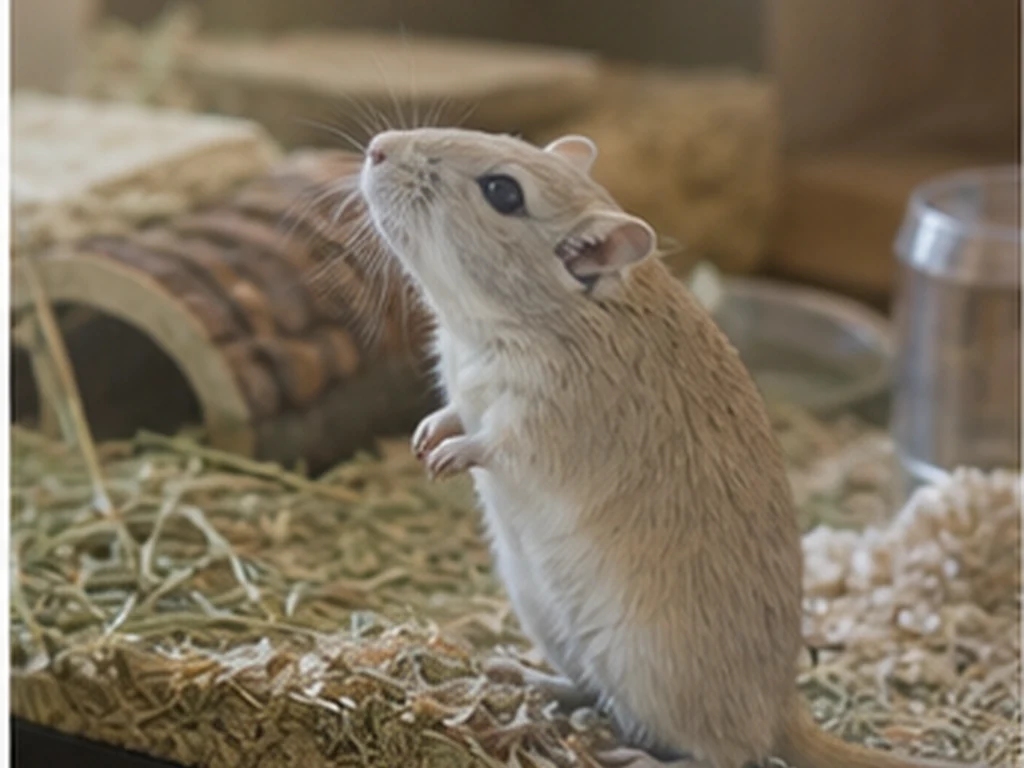
For this gerbil type, so do not assume Mongolian gerbil details transfer perfectly.
Use the Gerbil guide for habitat depth, bedding, food, water, cleaning, handling, and health checks before choosing by coat or color.

Ask experienced sources about diet, humidity, handling, and housing before buying supplies.
Use checks as a calm handling moment, not a grooming session. Stop before the animal starts dodging, bracing, or trying to bolt.

Experienced homes that can verify care requirements locally.
Choose this look when food, water, cleaning, body checks, calm handling, and vet calls will still happen on tired days.
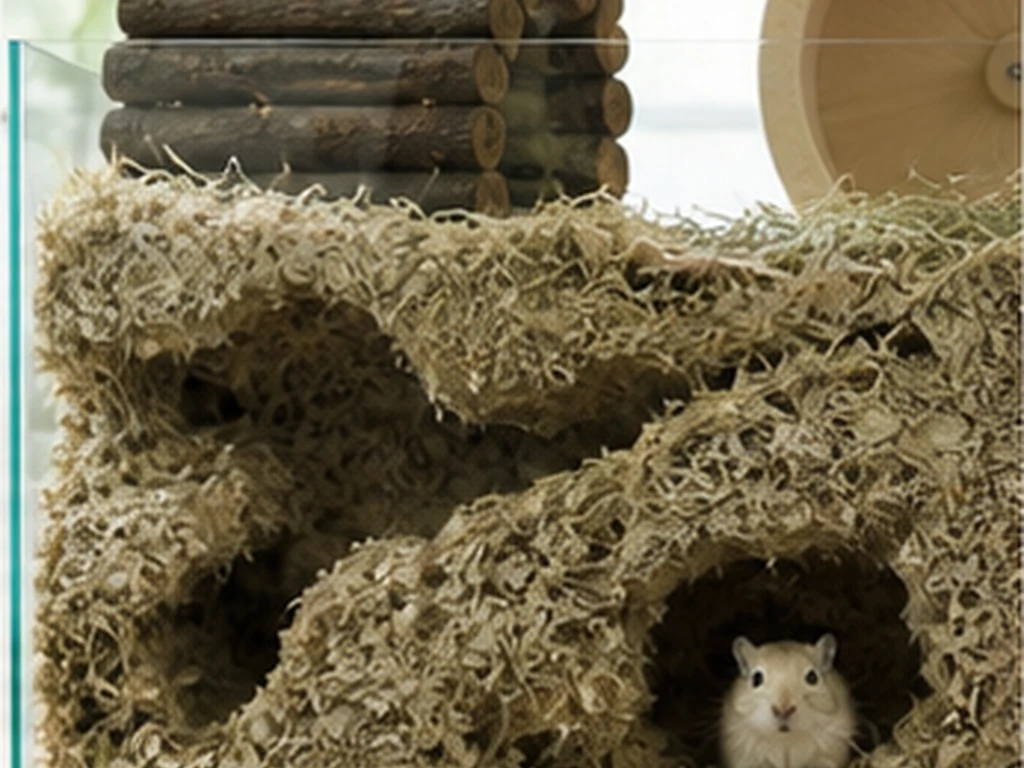
Availability and care advice can be inconsistent, so avoid impulse purchases.
Ask the source about this Fat-Tailed Gerbil's age, sex, current diet, housing, temperament, handling history, health notes, and any veterinarian or rescue support.
Ask about pair or group stability, declanning history, chewing, burrow setup, diet, scent-gland checks, and prior wounds.
Usually no. Use the label to understand the look or coat, then follow the gerbil care guide unless a qualified source explains a true species difference.
Choose by care fit first. If the daily routine, health history, temperament, and source all look good, then the Fat-Tailed Gerbil look can be the final preference.