Updated

Species guide

Gerbil Care Guide

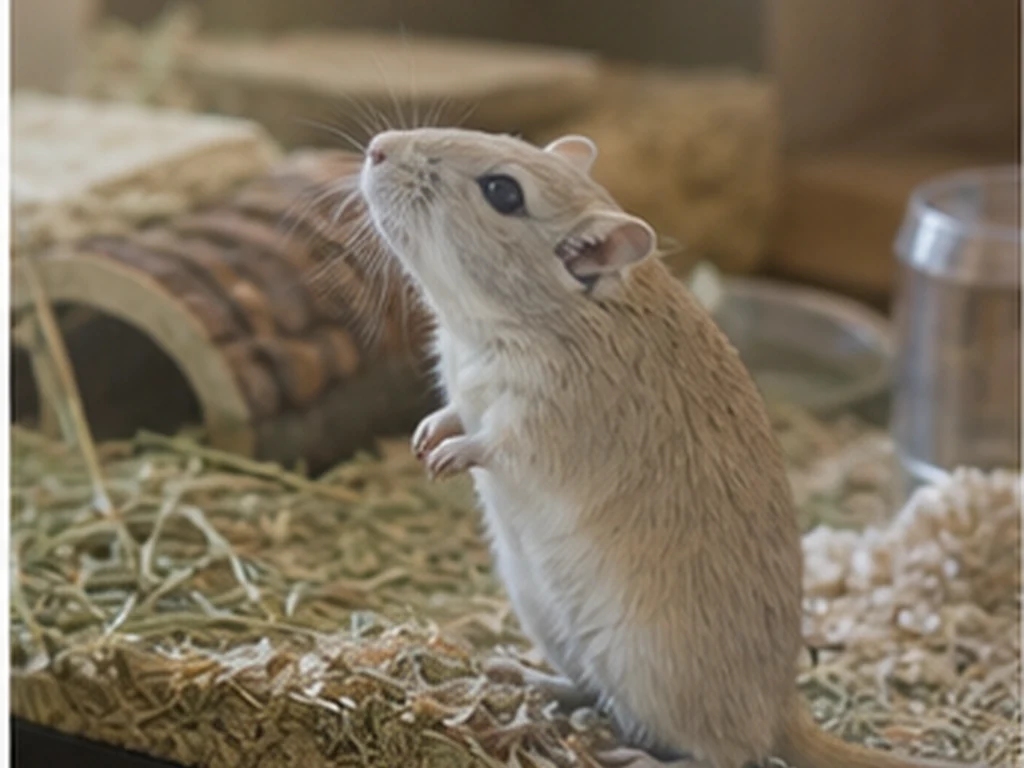
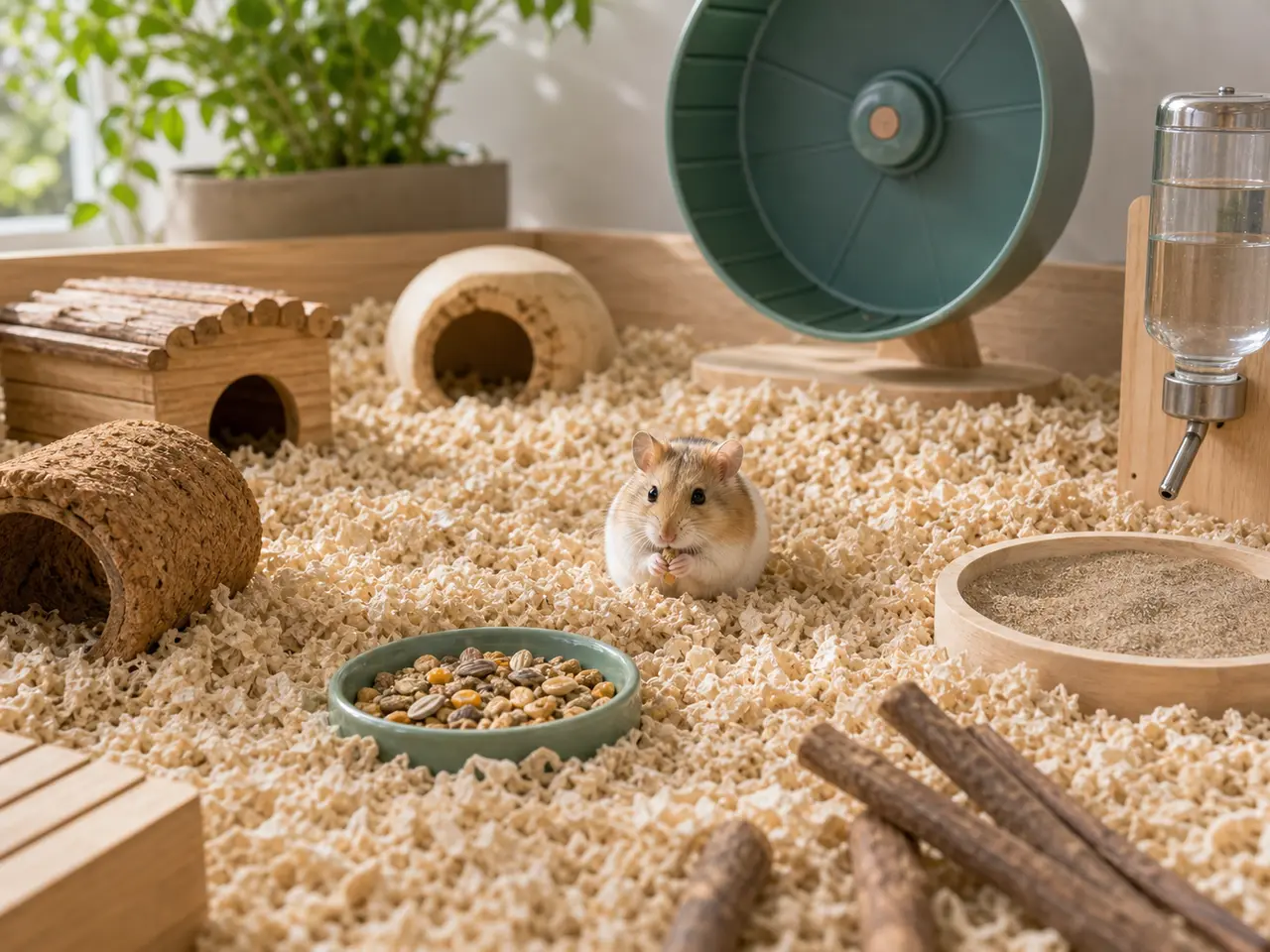
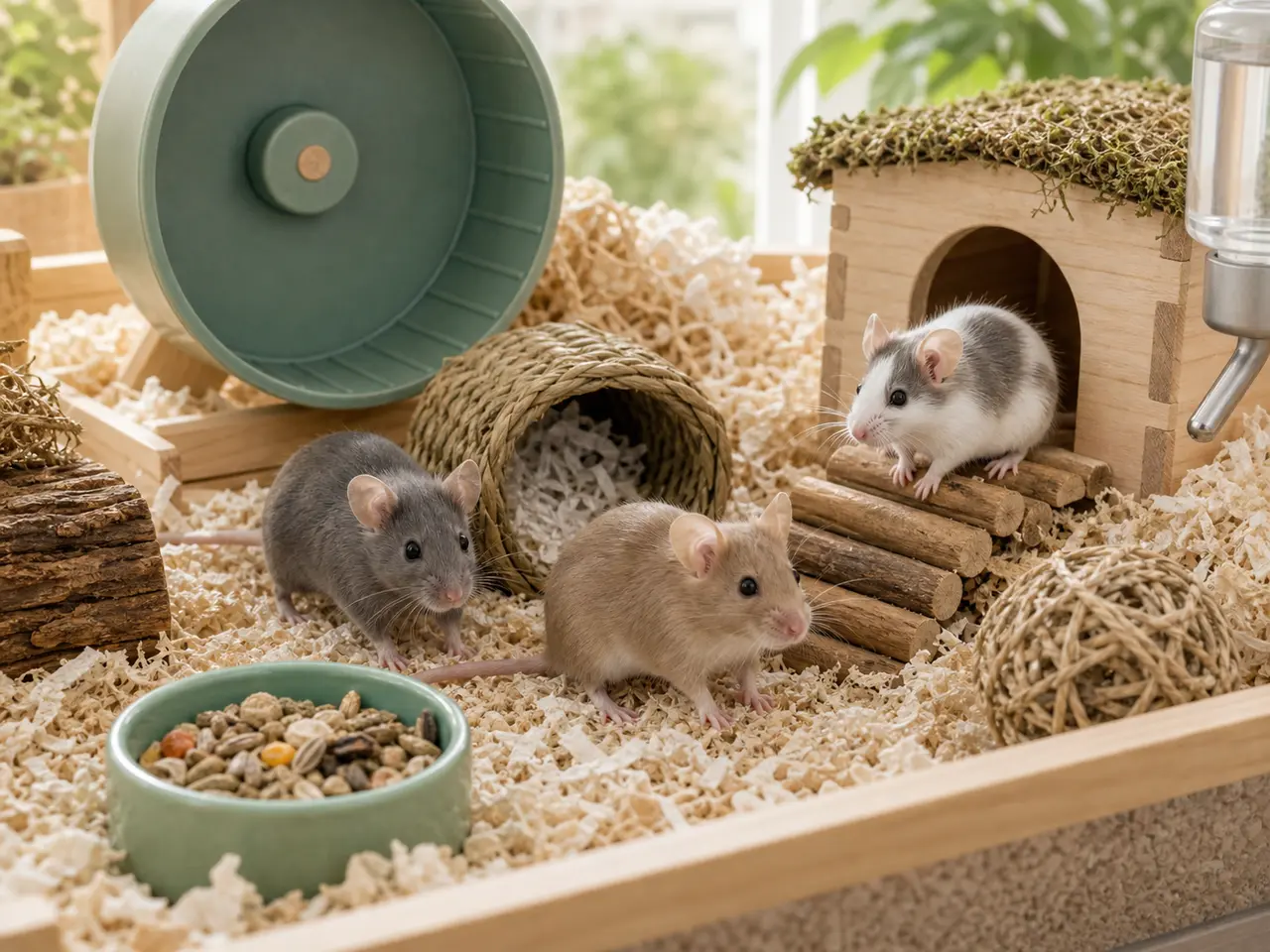
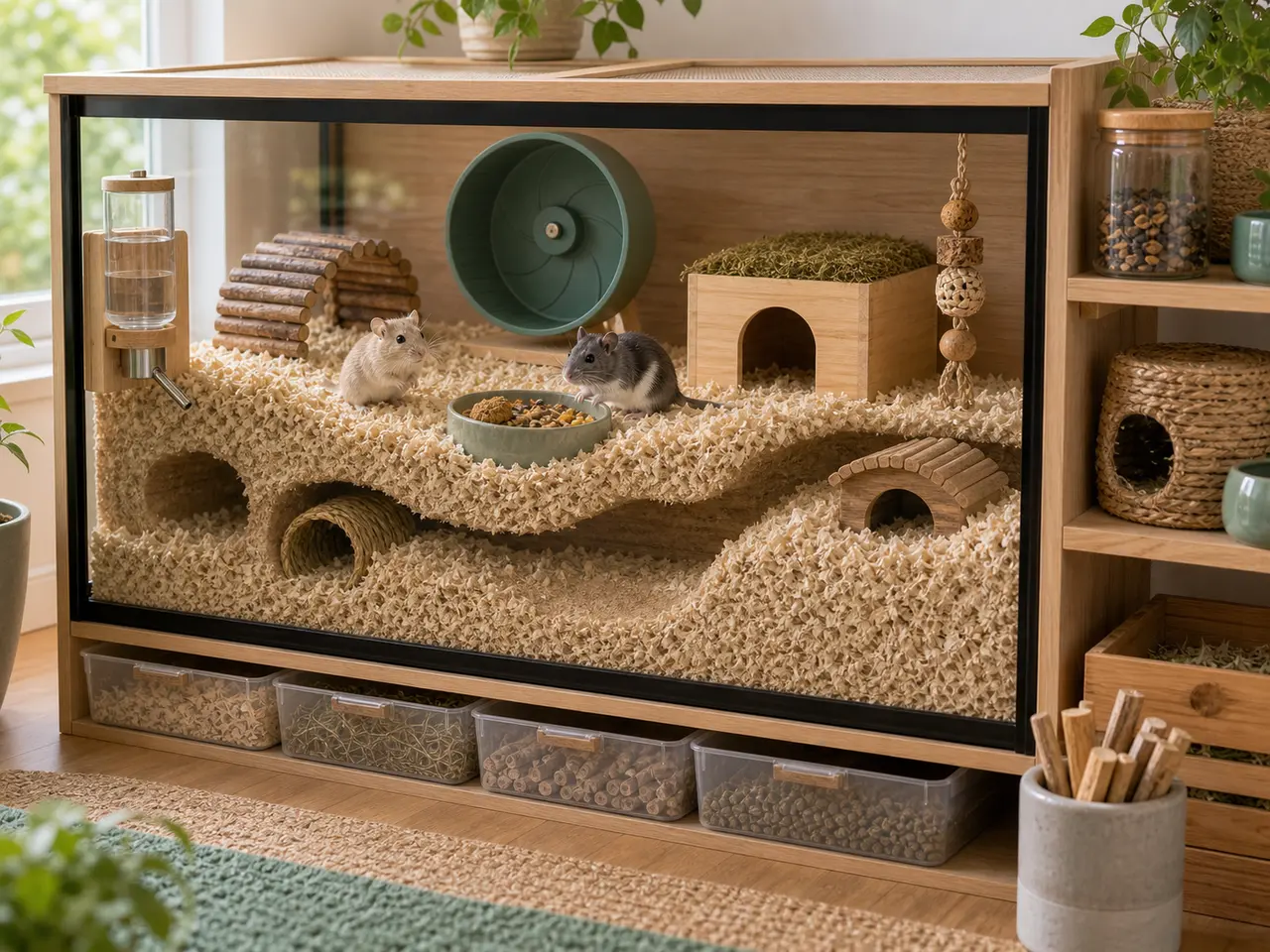
Gerbils need stable same-species companionship, deep bedding, tunnels, chew work, reliable water, and gentle low handling.

They are fascinating when the habitat lets them build.

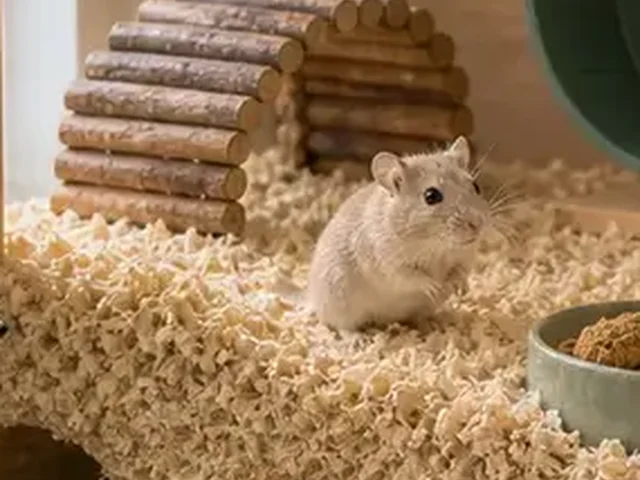
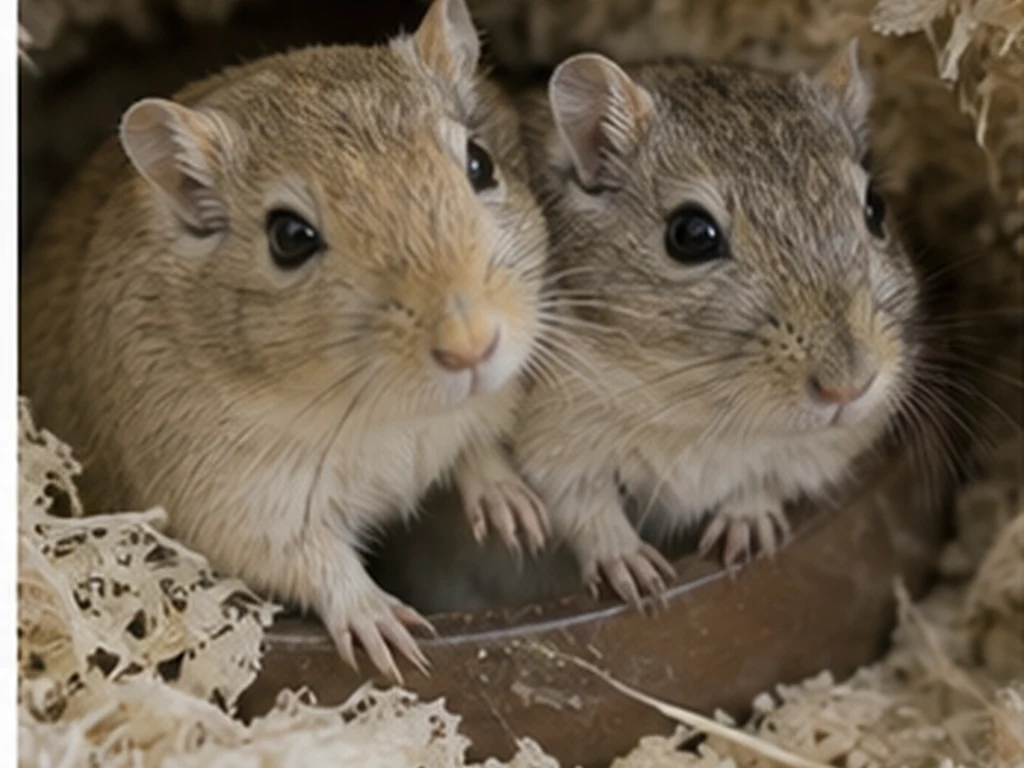
Keep companionship stable care scene

Keep companionship stable

Gerbils usually need compatible gerbil companions, but their social life depends on stable bonds. Check food, water, hides, bedding, and wounds daily. Random adult introductions can cause serious fighting, so pairing and regrouping should be handled with an experienced rescue or veterinarian.

Plan food, water, hides, bedding depth, and vet costs for the pair or group. Watch for bullying, chasing that does not settle, wounds, one gerbil being blocked from resources, or a sudden change in sleeping pattern.
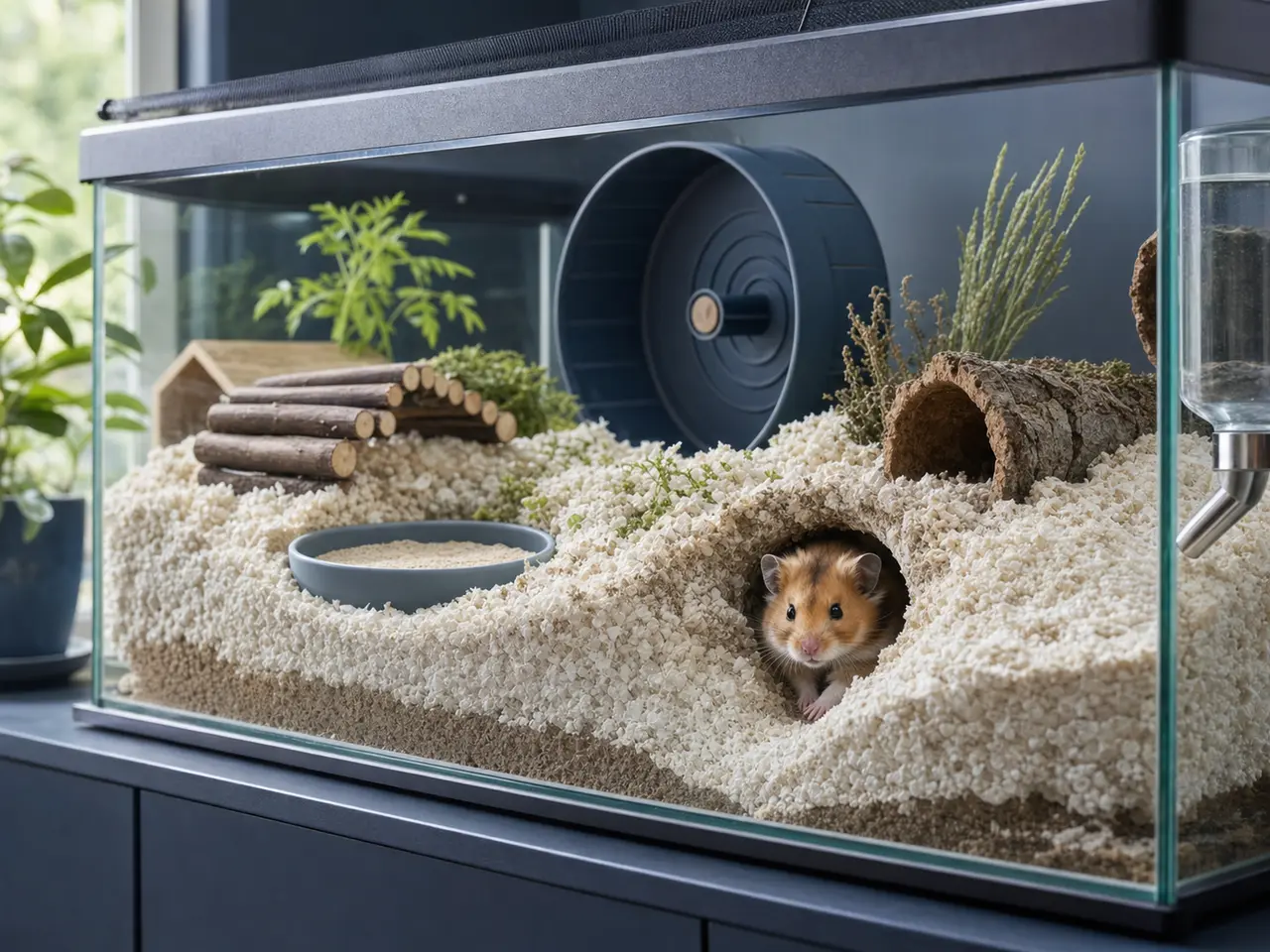
Make deep bedding the main habitat care scene

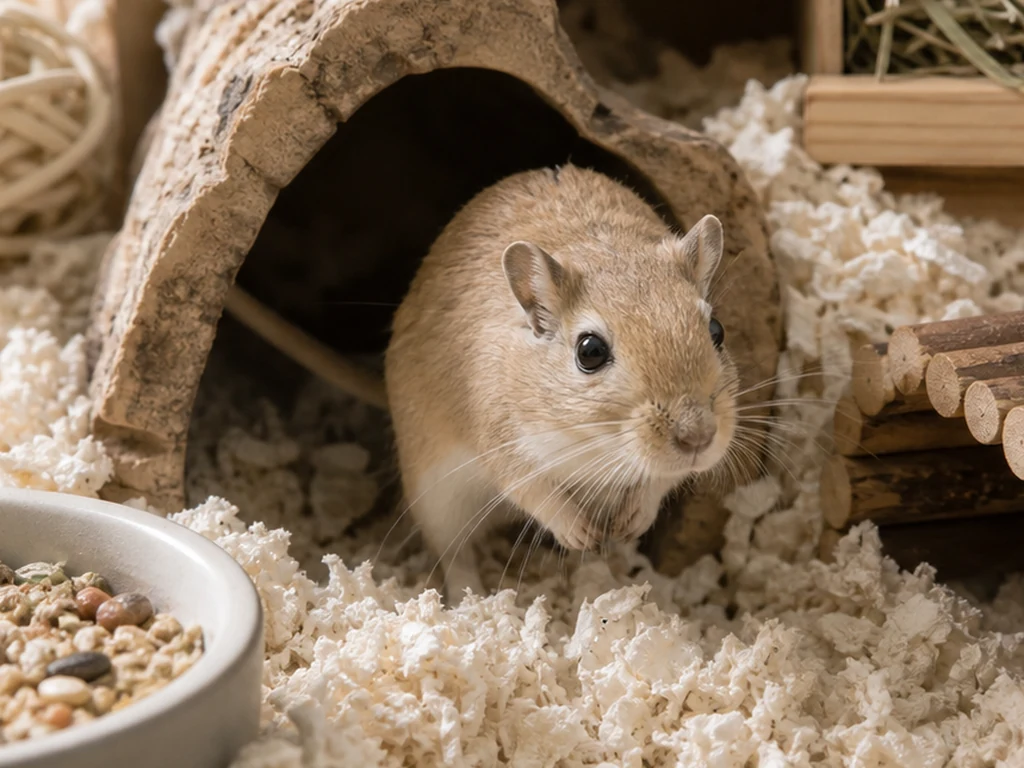
Make deep bedding the main habitat

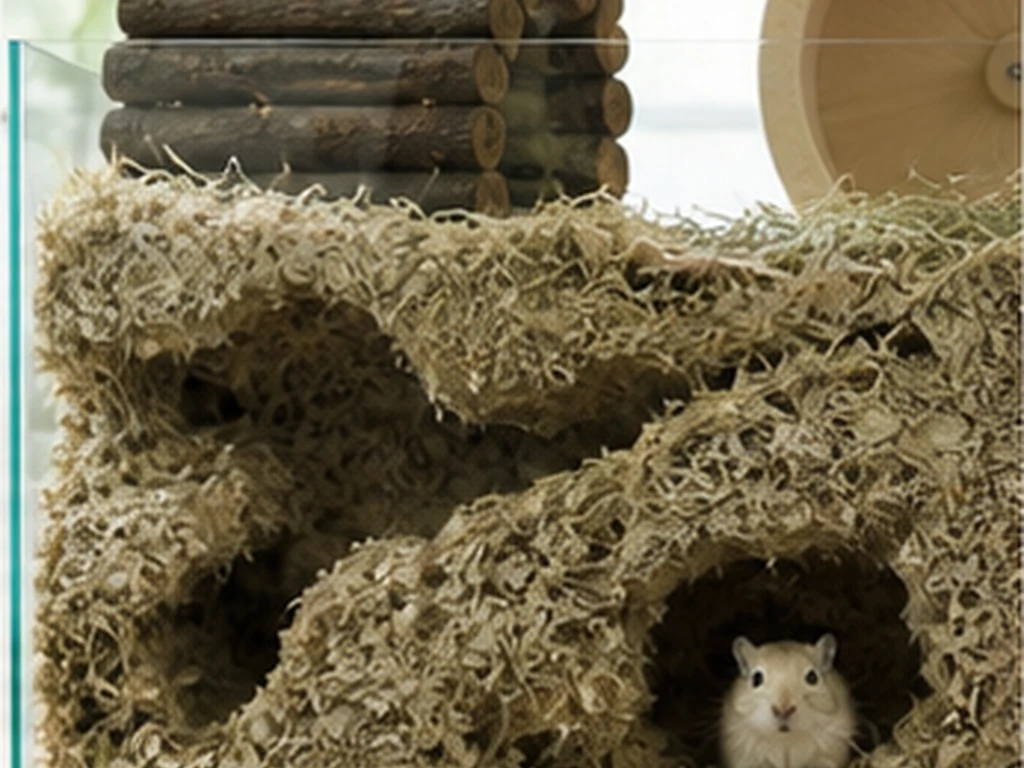
Deep bedding is not decoration for gerbils. It lets them dig, tunnel, nest, and organize their environment. A shallow cage with one hide removes the behavior that makes gerbils feel secure.

Use a burrowable bedding mix, stable tunnels, chew-safe cardboard, and enough depth that tunnels hold shape. Avoid cotton fluff, dusty bedding, and full cleanouts so frequent that the group loses every familiar scent route.

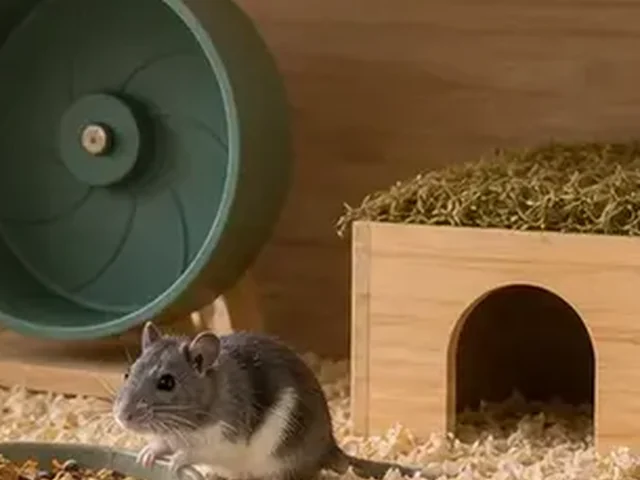
Give chew work and a safe wheel care scene

Give chew work and a safe wheel

Gerbils chew because their teeth and minds need work. Cardboard, hay-based chews, safe wood, and dig boxes help prevent boredom while protecting the enclosure from constant destructive focus.

A solid wheel can add exercise when it is large enough for a straight back. Check the stand, bedding, and spin path daily so bedding cannot jam it. Open-rung wheels, loose stands, and cramped wheels create avoidable injury risk.

Feed without hiding appetite loss care scene

Feed without hiding appetite loss

A balanced gerbil diet should not become a bowl of only favorite seeds. Use an appropriate staple, measured extras, scatter feeding, and water checks so you can notice whether one gerbil is eating less or being crowded out.

Watch food hoards, body condition, droppings, water bottle function, and whether teeth or mouth pain make chewing slower. Small appetite changes deserve attention because gerbils can decline quickly.

Handle low and let tunnels do the transfer care scene

Handle low and let tunnels do the transfer

Gerbils are quick and can be injured by falls. Start with calm presence, food association, and tunnel or cup transfers before expecting hand handling. Keep sessions low over a secure surface.

Never grab by the tail. A frightened gerbil who jumps, freezes, or hides needs a smaller step, not a longer session. Observation can be a better match than frequent carrying for many households.

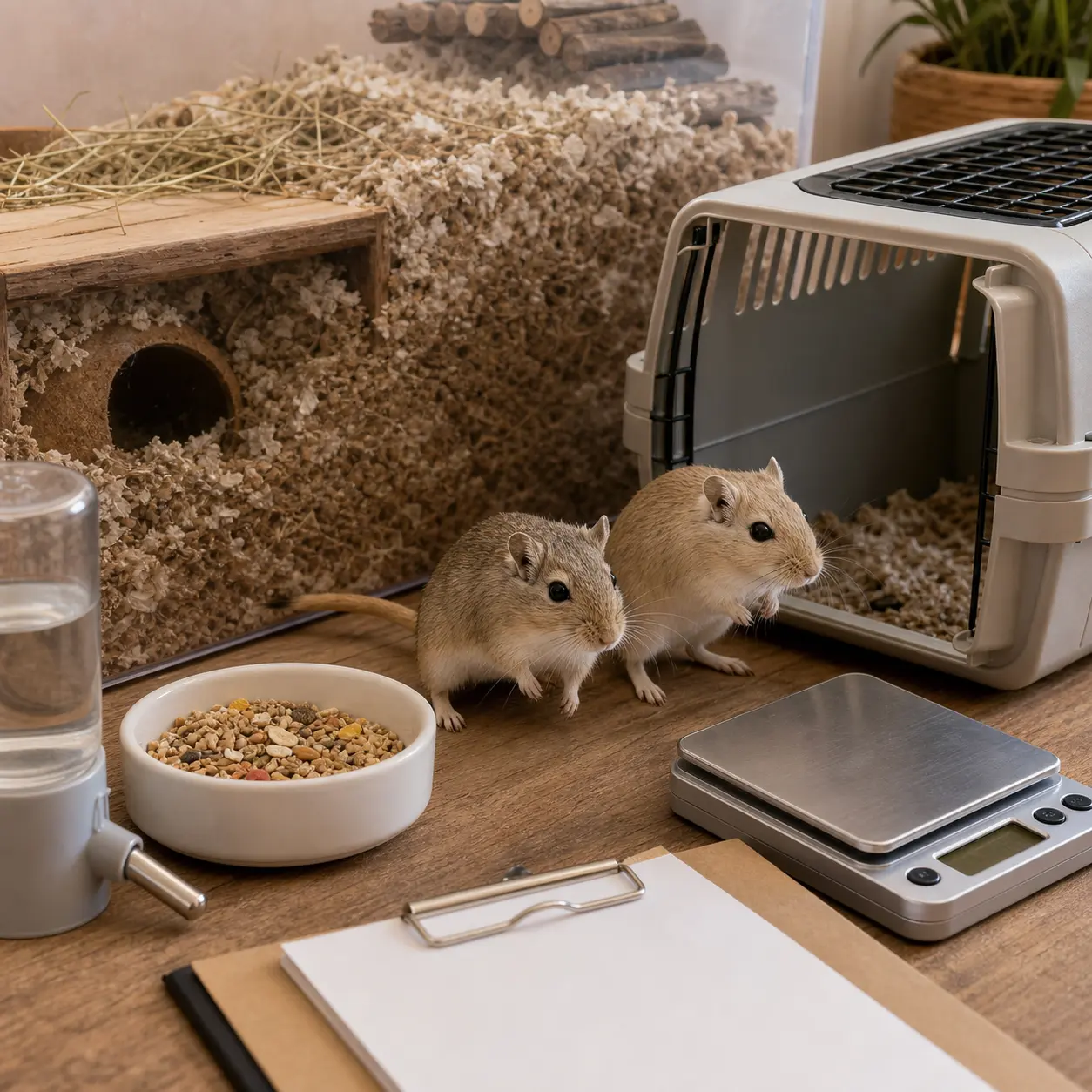
Gerbil health check setup with gerbil-safe carrier, gram scale, burrow habitat notes, water, and food records

Watch teeth, scent gland, and injuries

Weight loss, appetite change, overgrown tooth signs, wounds, scent gland changes, labored breathing, head tilt, diarrhea, or sudden quietness should prompt an exotic-pet veterinarian call.

Bring notes about group behavior, food, water, bedding changes, weight, droppings, and when signs started. If a fight or wound appears, separate only with a safe plan and professional guidance.

Before you decide

  • Can you provide stable same-species companionship without casual adult mixing?
  • Is the bedding deep enough for real burrows and tunnels?
  • Are chew materials and the wheel safe for gerbil bodies and teeth?
  • Do you have an exotic-pet vet plan for wounds, appetite loss, teeth, or scent gland concerns?

Next best moves

  • Use deep bedding as the center of the habitat, not a shallow tray.
  • Offer chew work daily so the enclosure is not the only project.
  • Track group behavior because social stress can hide behind normal activity.

Useful setup pieces

Optional supplies that support the care routine after the species needs are clear.

Affiliate links: Furball Cove may earn from qualifying purchases at no extra cost to you.

Secure mesh lid on a gerbil tank-style habitat.

Secure mesh lid

Keeps a deep gerbil habitat ventilated and escape-resistant without sealing in humidity or odor.

Plain untreated wooden chew tunnel in a gerbil habitat.

Untreated chew basics

Gives gerbils plain chewing work for teeth and energy without dyes, glue-heavy toys, or mystery bundles.

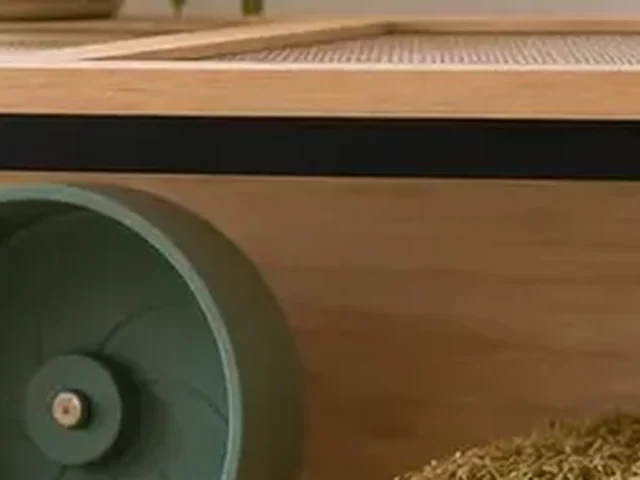
Solid running wheel in a gerbil habitat.

Solid wheel

Adds running space with a solid surface that avoids tail, toe, and mesh-rung hazards.

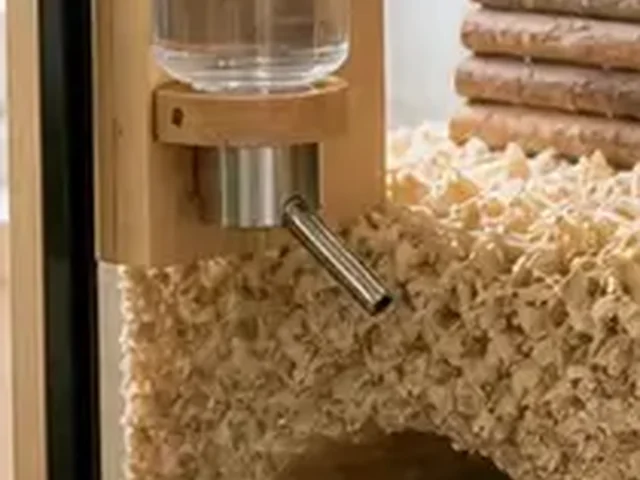
Gerbil water bottle mounted at a reachable height.

Water bottle

Keeps water available above deep bedding where it is easier to spot-check and less likely to soak tunnels.

References