Know the look
Curly or wavy coat with curled whiskers depending on expression.
The Rex Rat label tells you what you are looking at. It does not tell you whether this animal enjoys handling, fits children, or needs easier rat care.
Updated
Rat varieties
Rex rats have curly coats and whiskers, but their daily needs remain fully rat-specific and social.
Choose the look only after the group, cage, fabric, clean air, and breathing checks make sense.
Curly or wavy coat with curled whiskers depending on expression.
The Rex Rat label tells you what you are looking at. It does not tell you whether this animal enjoys handling, fits children, or needs easier rat care.
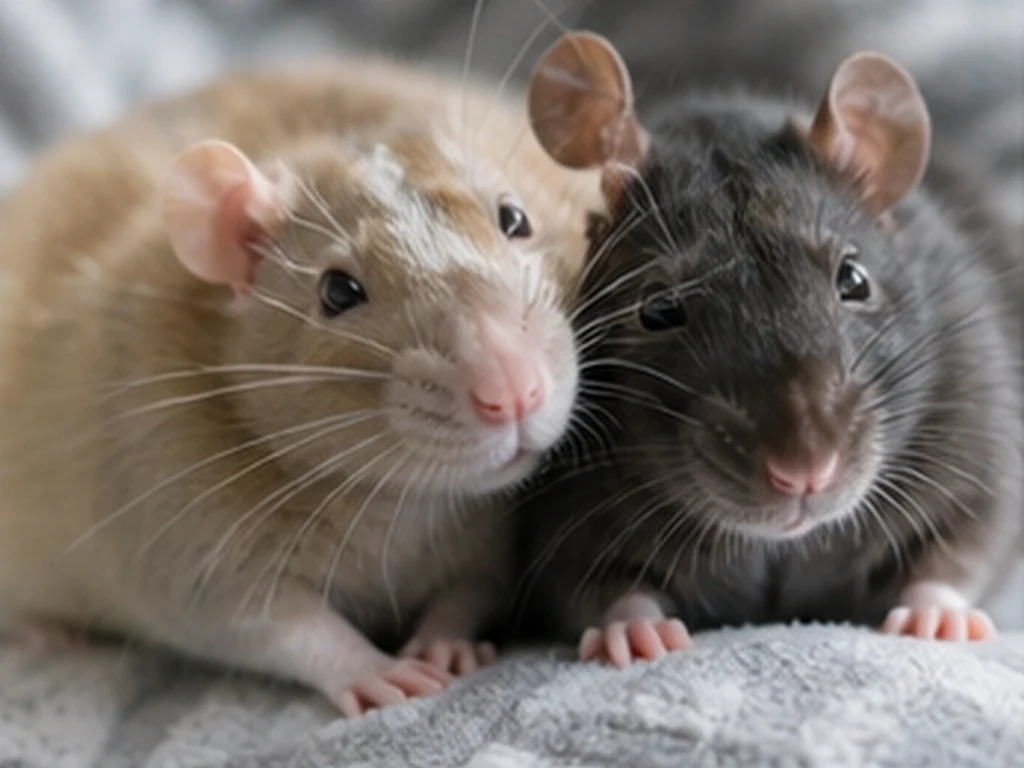
Rat basics come first: compatible companions, enriched cage, clean air, and breathing checks.
Use the Pet Rat guide for habitat size, bedding, food, water, cleaning, handling, and health checks before choosing by coat or color.

Check skin and coat because texture can hide dryness or irritation.
Use checks as a calm handling moment, not a grooming session. Stop before the animal starts dodging, bracing, or trying to bolt.
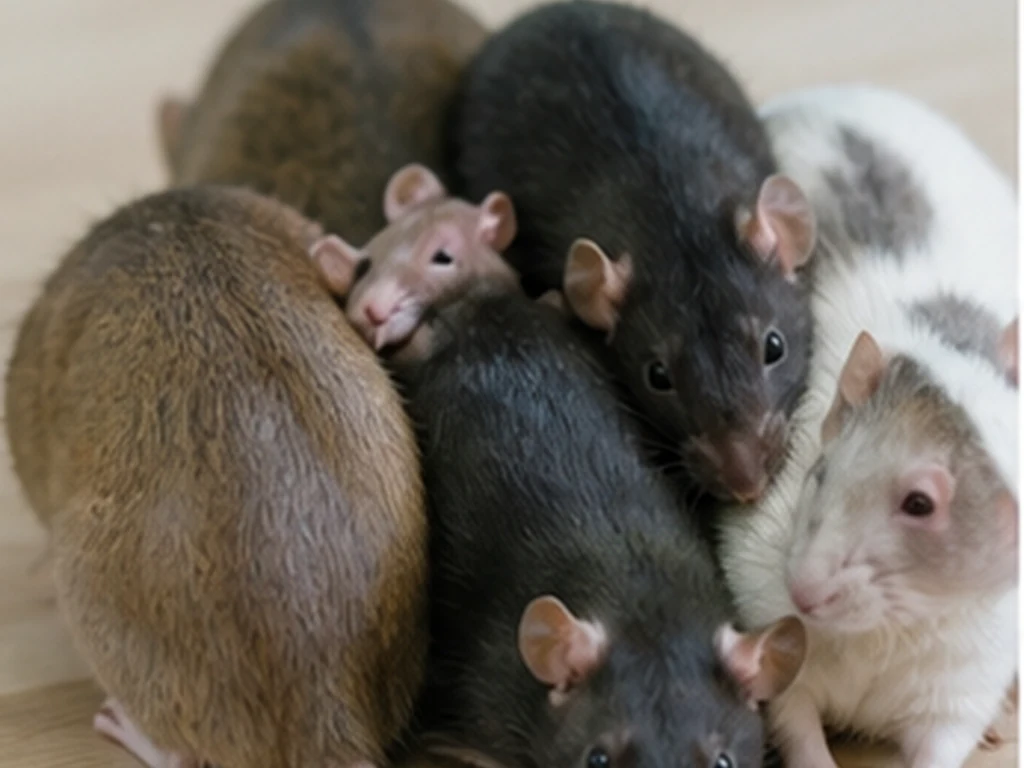
Rat homes that enjoy a textured coat and still prioritize companionship.
Choose this look when food, water, cleaning, body checks, calm handling, and vet calls will still happen on tired days.

Coat type should not distract from respiratory checks.
Ask the source about this Rex Rat's age, sex, current diet, housing, temperament, handling history, health notes, and any veterinarian or rescue support.
Ask about companion history, respiratory signs, lumps, socialization, diet, bedding, source health notes, and whether cage mates are available.
Usually no. Use the label to understand the look or coat, then follow the rat care guide unless a qualified source explains a true species difference.
Choose by care fit first. If the daily routine, health history, temperament, and source all look good, then the Rex Rat look can be the final preference.