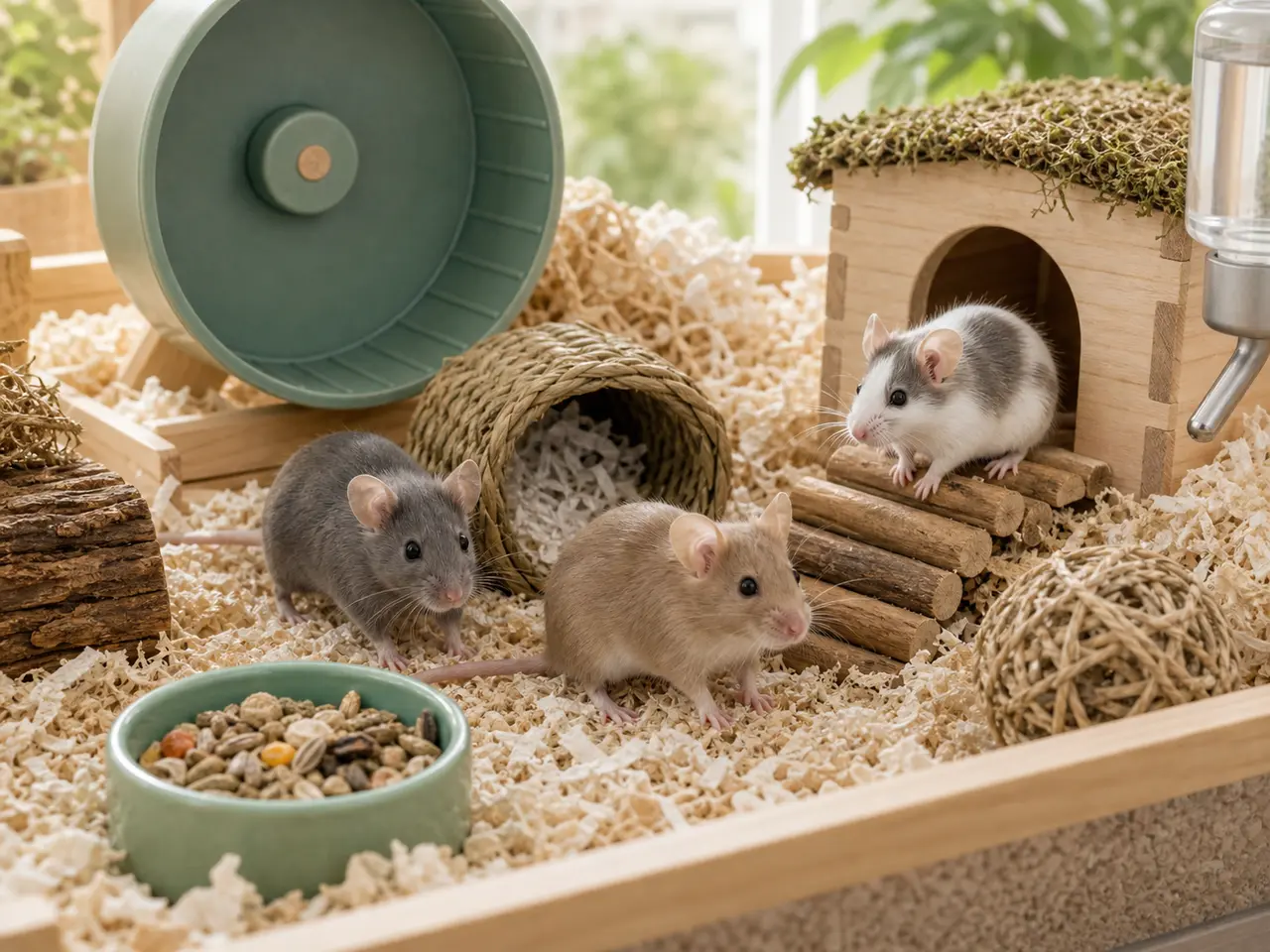
Pet rats need compatible companions, climbing space, daily interaction, clean air, balanced food, and quick vet help for breathing changes.
They fit homes that want a busy social routine, not a shelf pet.
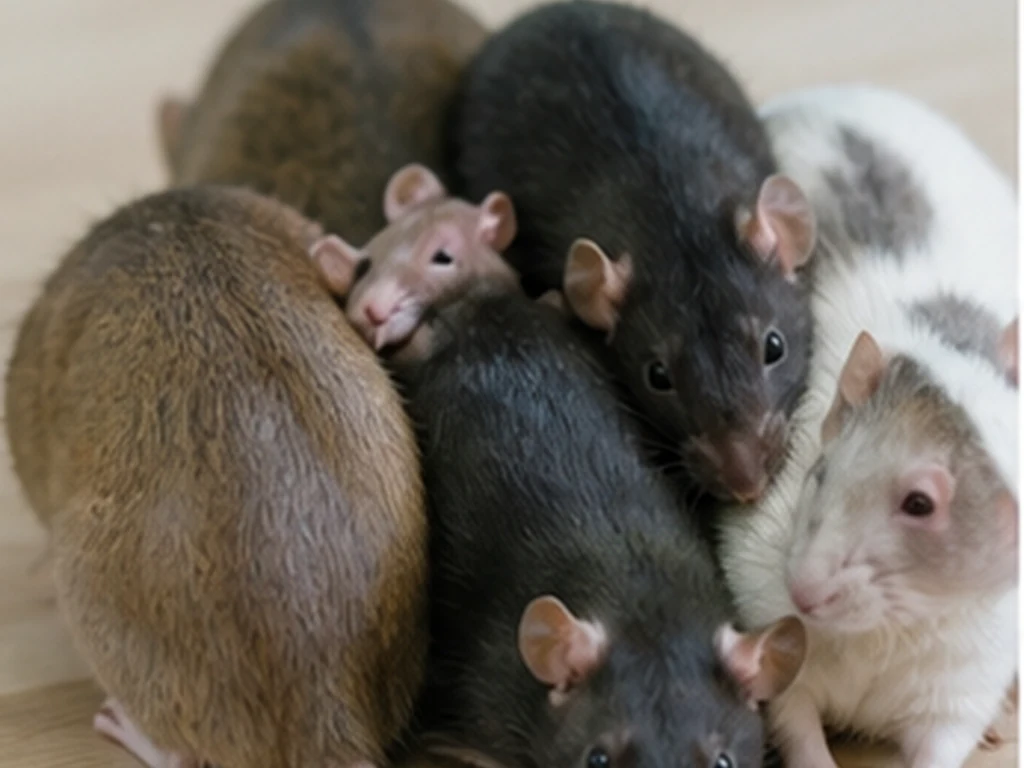
Plan for compatible rat companions
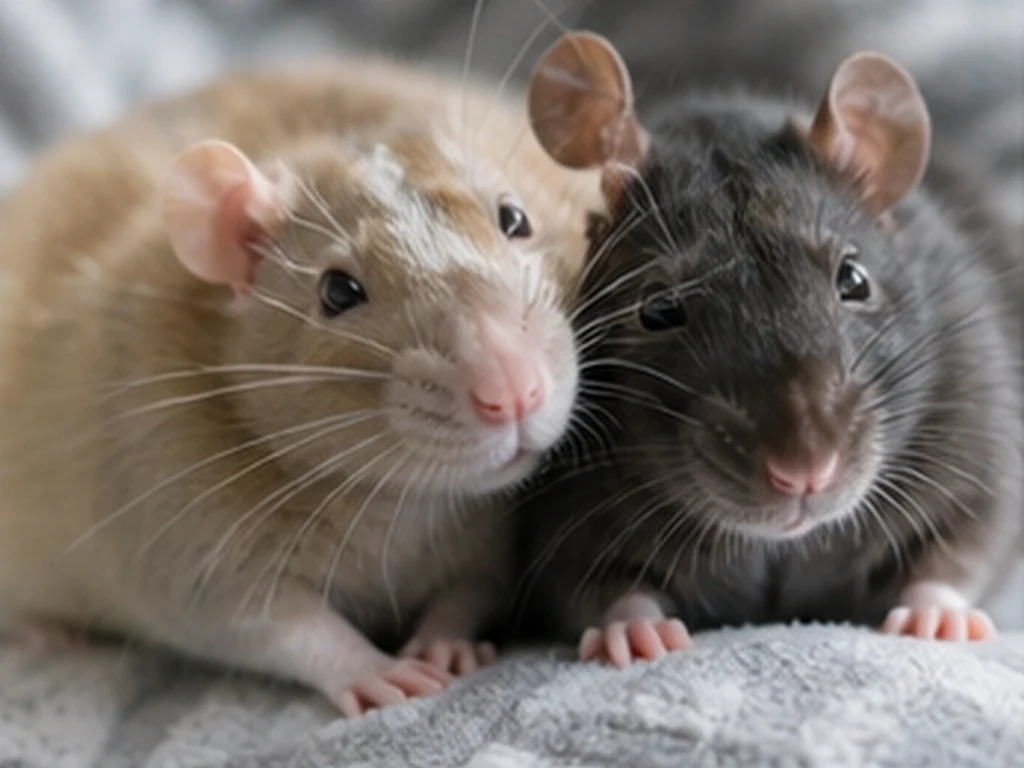
Most pet rats do best with other compatible rats. A human can build trust and provide play, but cannot replace normal same-species social behavior, grooming, sleeping near one another, and shared exploration.
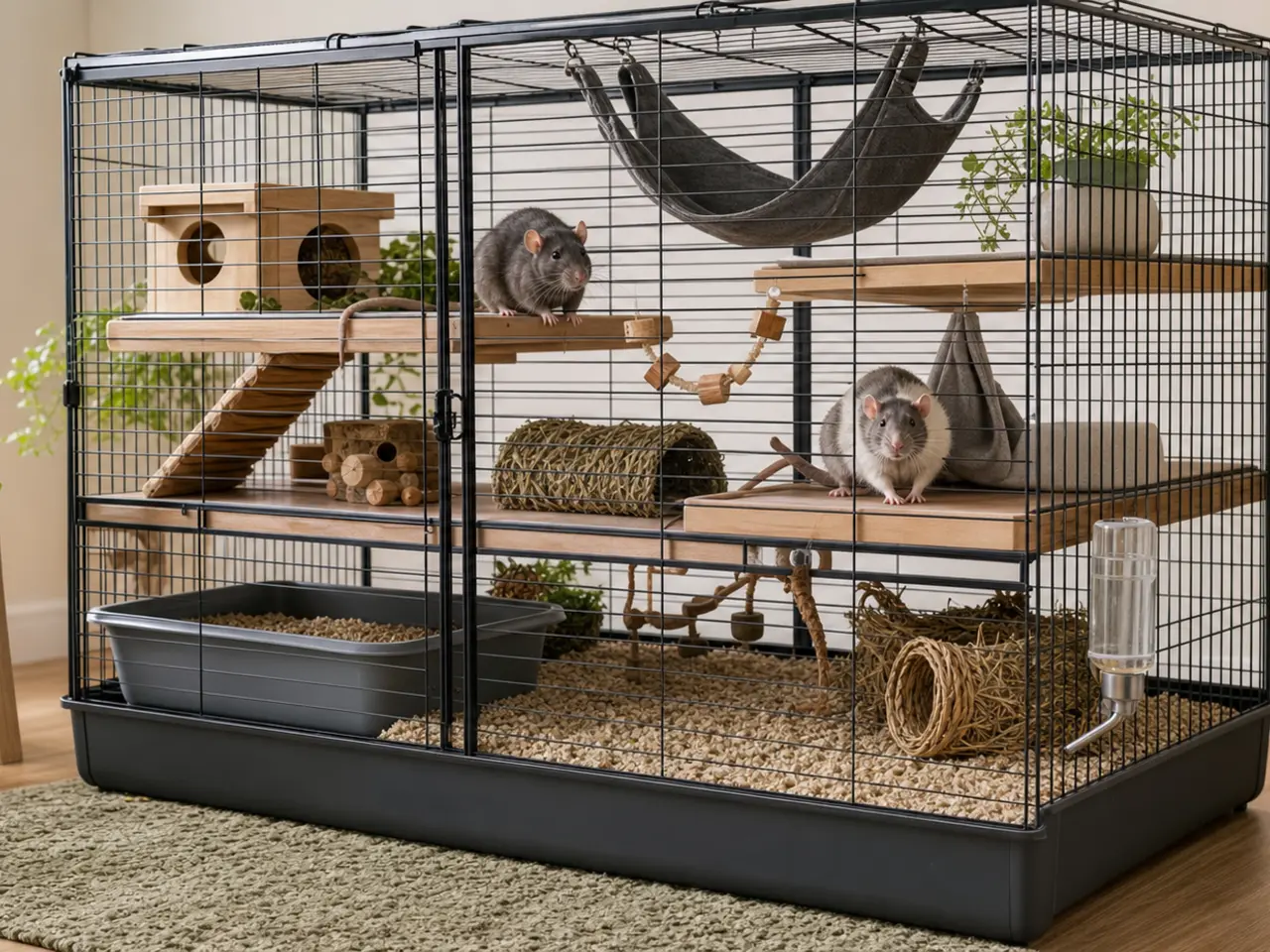
Start with sexed, compatible animals from a responsible source or rescue, then plan cage space, food stations, hammocks, hides, and vet costs around the group. Introductions should be supervised and gradual rather than casual cage mixing.
Use height without ignoring fall safety
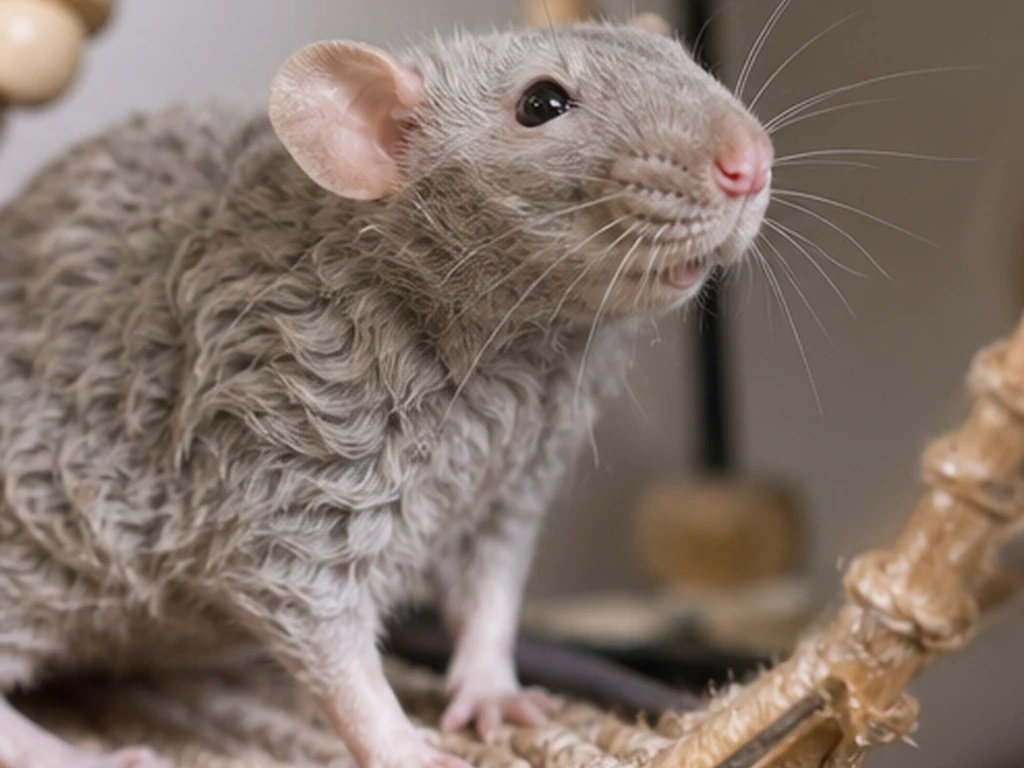
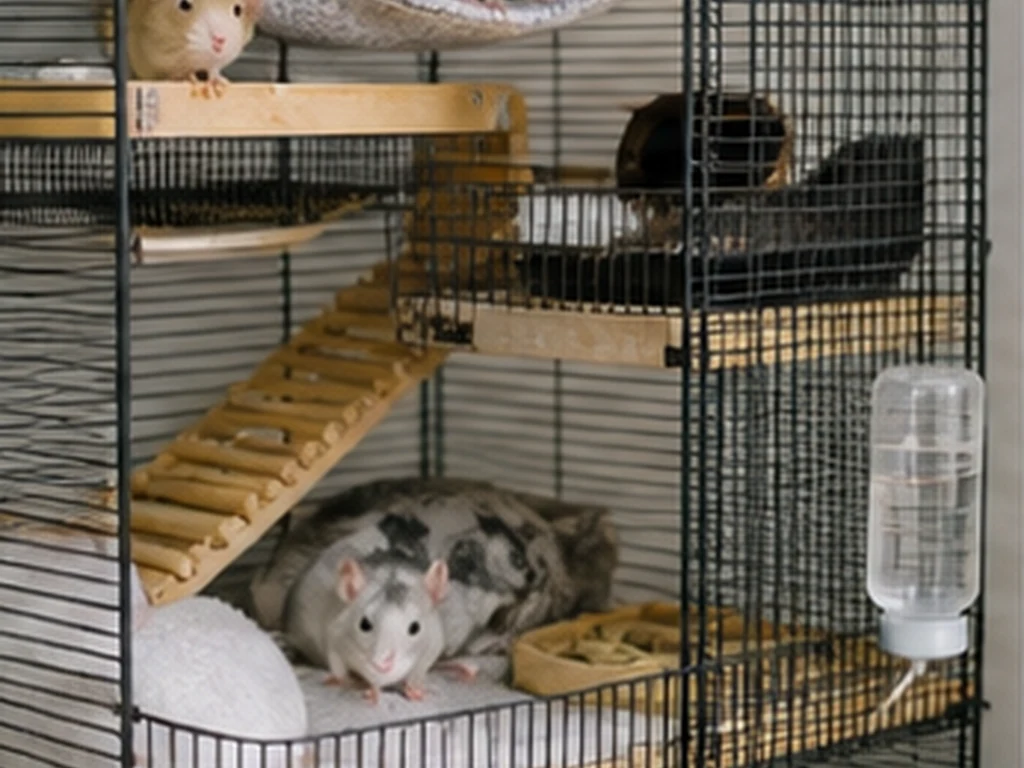
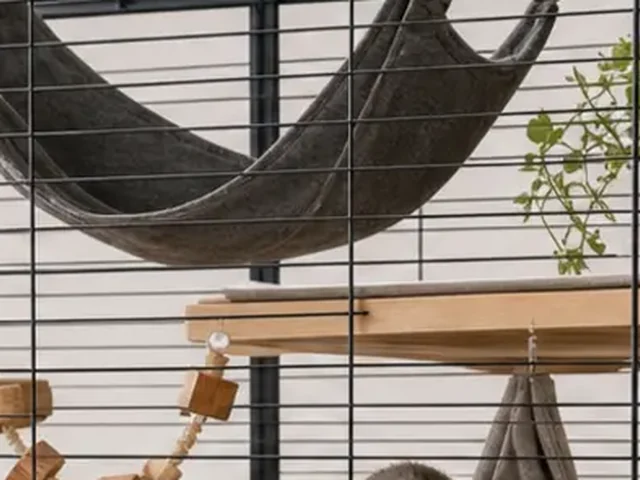
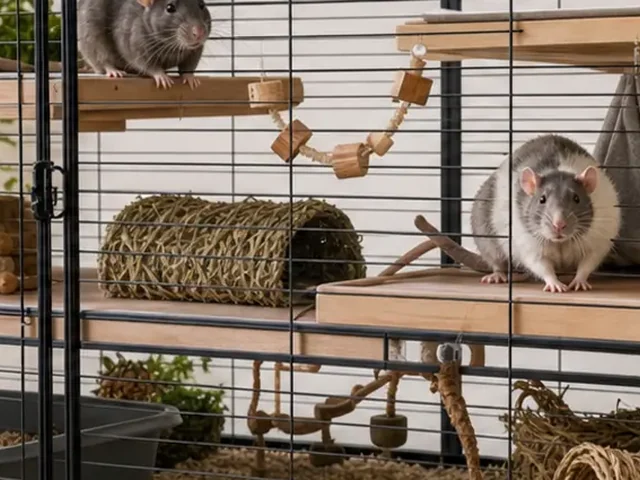
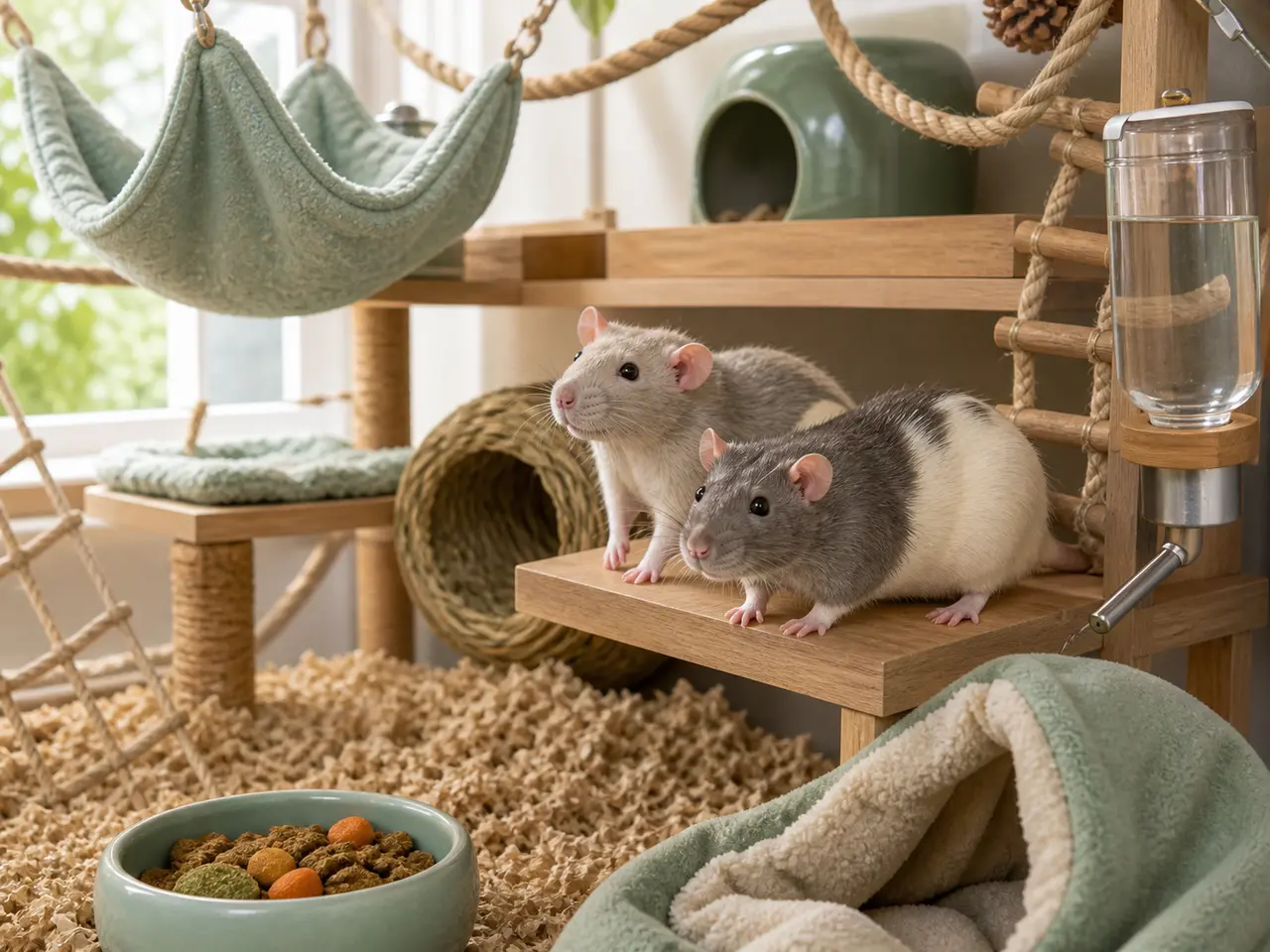
Rats enjoy climbing, shelves, ropes, hammocks, tunnels, dig boxes, and lookout spots. The enclosure should let them move vertically and horizontally without forcing risky jumps, wire-floor walking, or cramped routes.
Cover wire shelves, break long falls with hammocks or platforms, and keep heavy objects stable. Enrichment should create choices, not a cluttered cage that makes cleaning and health checks impossible.
Make food predictable and enriching
A quality rat-appropriate staple, often a block-based diet, makes it easier to avoid selective feeding. Fresh foods can add variety, but treats should not crowd out the balanced base or hide appetite changes.
Scatter a small portion, use puzzle feeding, and watch whether one rat guards food or loses condition. Weighing helps catch quiet problems before the body feels obviously thin.
Handle like a trust project
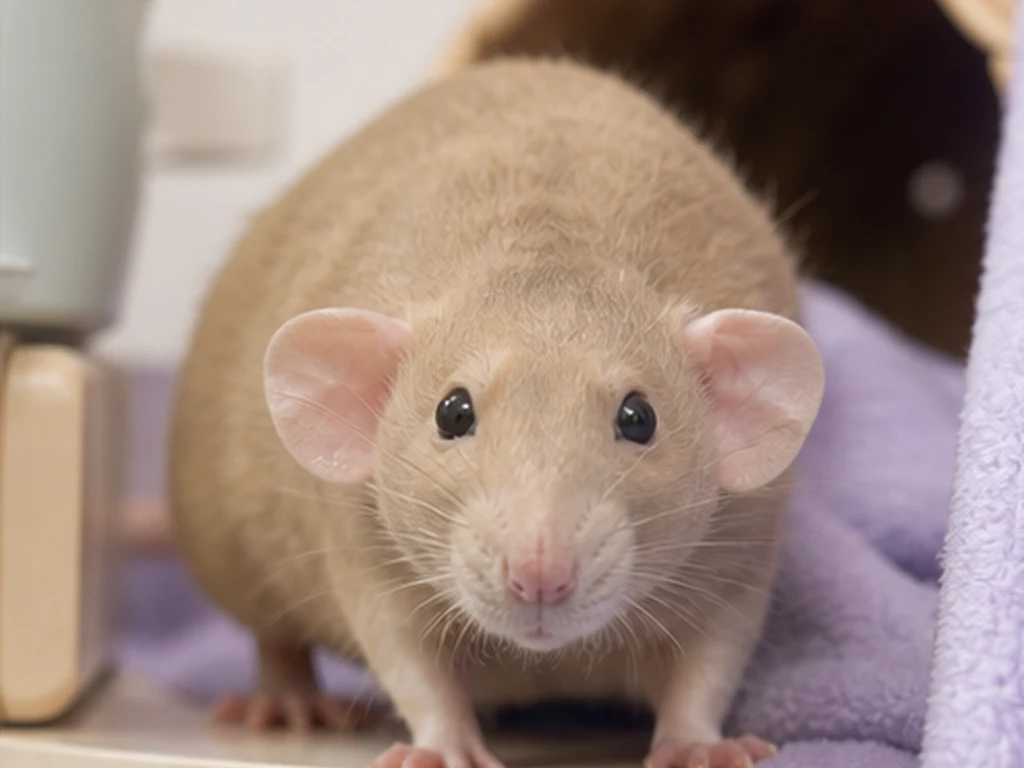
Many rats become confident with daily calm interaction. Let them approach, support the body, keep sessions low and secure, and use a rat-safe play area before expecting shoulder rides or room freedom.
Watch for puffing, sidling, squeaks, defensive nips, hiding, or frantic escape attempts. Those signs mean the handling plan needs to get easier and more predictable.
Clean for air quality, not perfume
Rats need clean bedding, litter areas, hammocks, shelves, and hides, but harsh scents can irritate the same respiratory system you are trying to protect. Use safe cleaners, dry surfaces, and good ventilation.
Spot-clean wet areas often, wash fabric on a schedule, and keep some familiar scent when possible. If odor returns immediately, reassess crowding, ventilation, bedding, diet, and health before blaming the rats.
Take breathing changes seriously
Noisy breathing, porphyrin staining around eyes or nose, weight loss, hunched posture, wounds, lumps, head tilt, appetite loss, or sudden quietness deserves prompt exotic-pet veterinary advice.
Keep a carrier ready and record which rat changed, when it started, appetite, water, droppings, weight, cage cleaning changes, and whether cage mates are acting differently.
Before you decide
Can you keep at least two compatible rats with enough cage space and enrichment?
Can you support climbing while preventing long falls and wire-floor injuries?
Can you clean hammocks, shelves, bedding, and litter areas before odor builds?
Do you have an exotic-pet veterinarian for breathing, lumps, wounds, or appetite changes?
Next best moves
Use multiple sleeping spots and food areas so one rat cannot control every resource.
Build a secure play routine before offering wider room access.
Track weight and breathing because rats can hide illness until signs are advanced.
Useful setup pieces
Optional supplies that support the care routine after the species needs are clear.
Affiliate links: Furball Cove may earn from qualifying purchases at no extra cost to you.