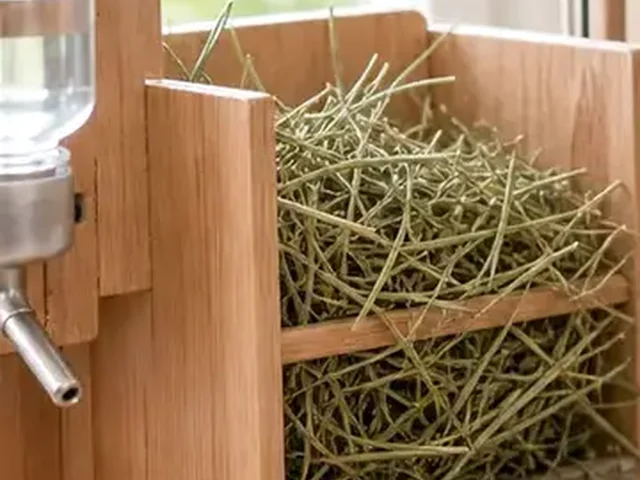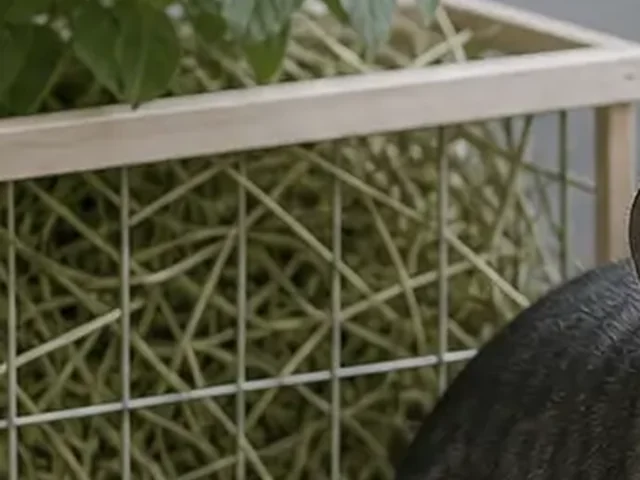
Keep hay central
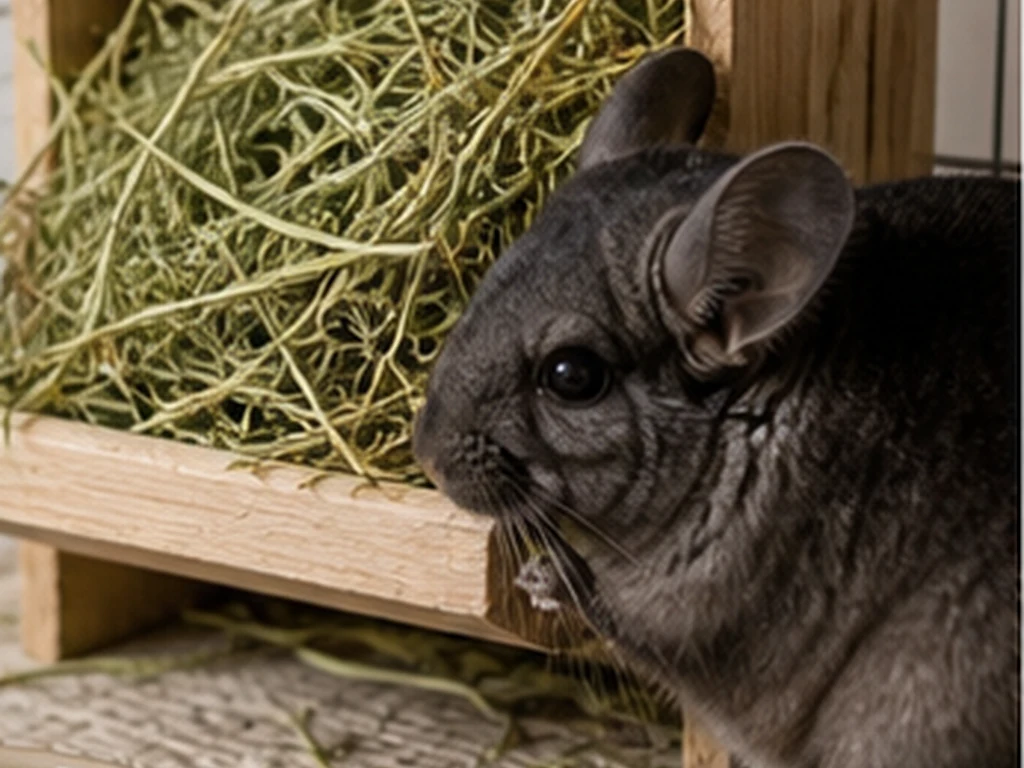
Grass hay should be available all day. It supports chewing, teeth, digestion, and normal foraging. A chinchilla that is not eating hay needs close attention.
Updated
Chinchilla food
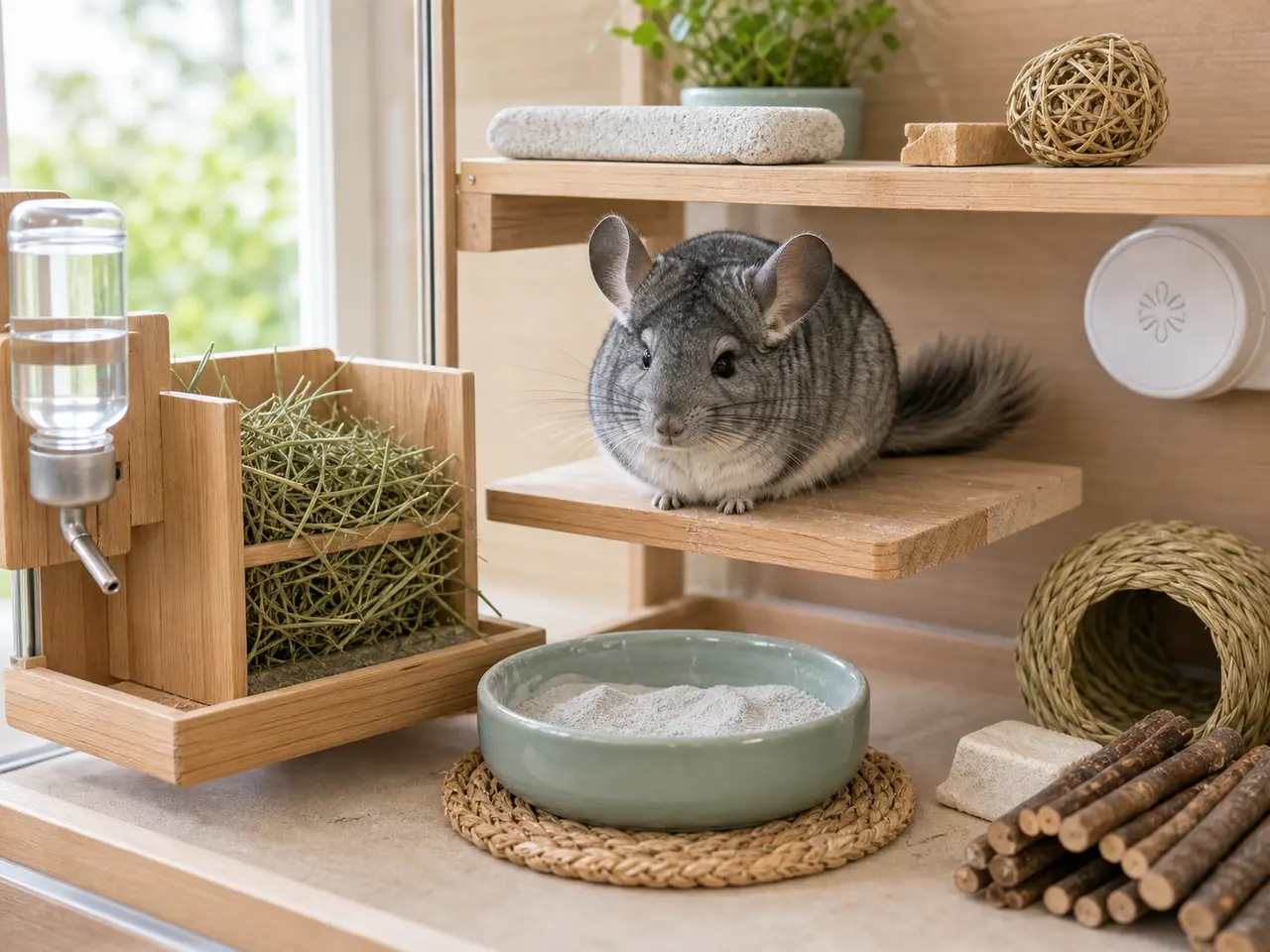
Chinchillas should eat unlimited grass hay, a small measured amount of plain chinchilla pellets, clean water, and very limited simple treats.
Their food routine should stay dry, steady, boring, and easy to check closely every day for droppings.
Grass hay should be available all day. It supports chewing, teeth, digestion, and normal foraging. A chinchilla that is not eating hay needs close attention.
Choose plain chinchilla pellets and keep the serving measured. Avoid colorful mixes, dried fruit blends, seed-heavy extras, and rich foods that make the digestive routine less stable.
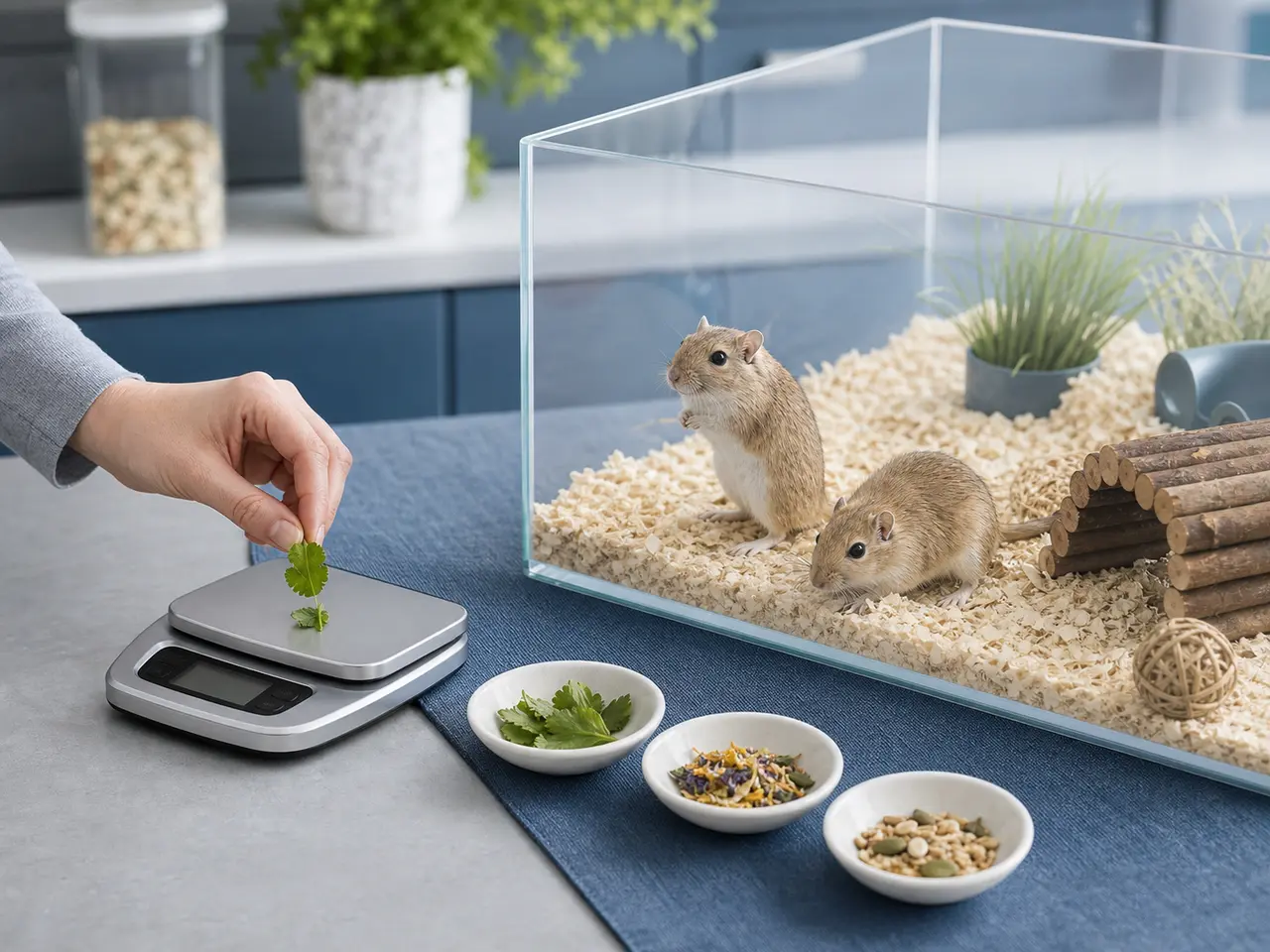
Chinchillas are not built for a wet salad routine. Many homes do best keeping treats tiny, dry, simple, and rare, with no sudden experiments.
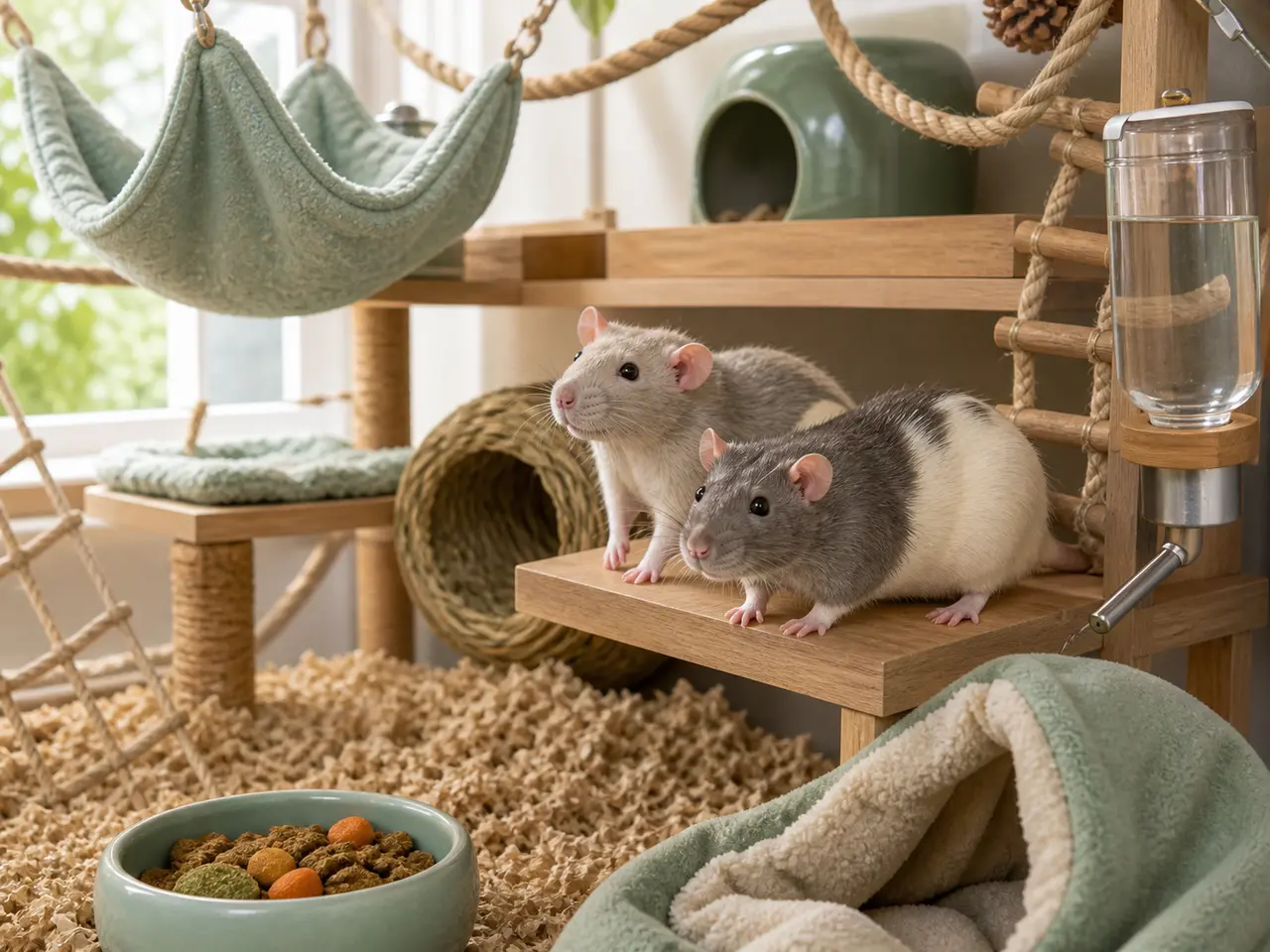
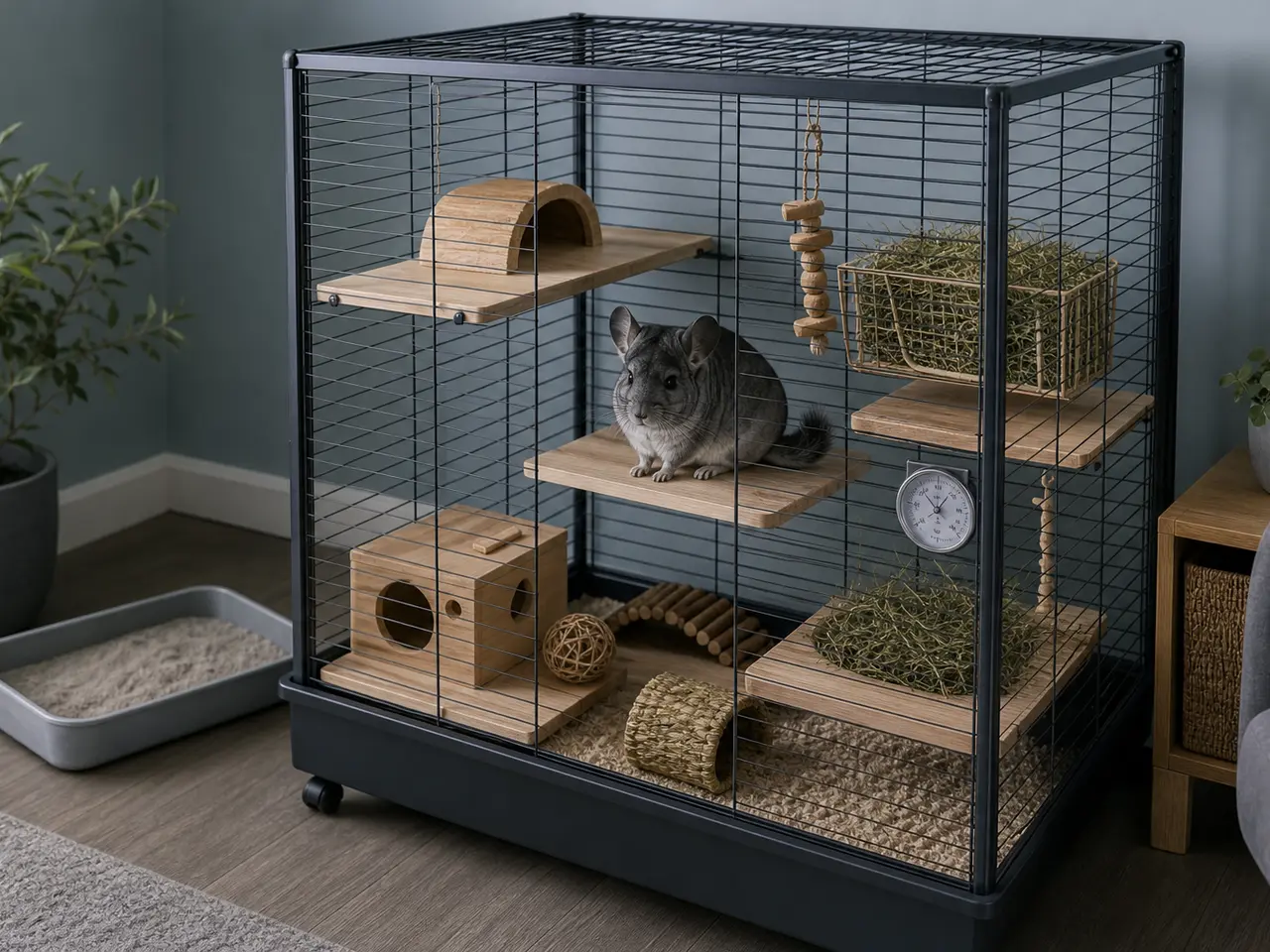
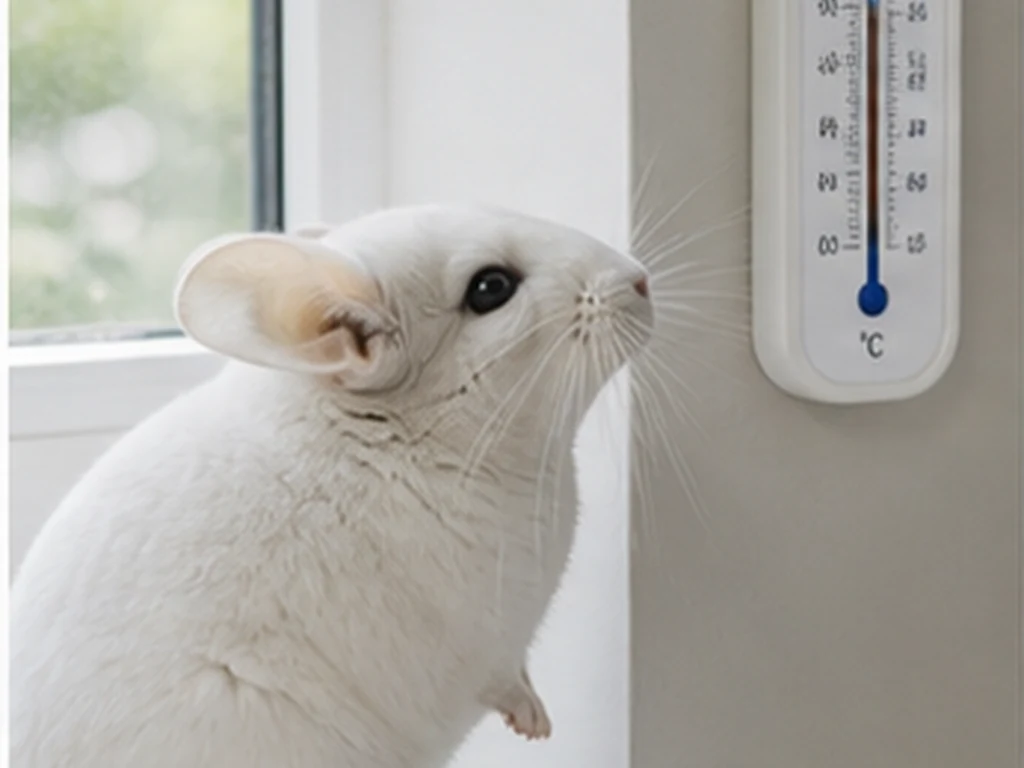
Clean water matters, but so does the room. Heat stress can turn a normal day dangerous. Keep food, hay, and water in a cool, dry setup where droppings are easy to notice.
Small or fewer droppings, not eating, drooling, weight loss, pawing at the mouth, or quiet behavior should move quickly to an exotic-pet veterinarian.
For chinchillas, most extras should be skipped. Keep the diet hay-first, dry, and predictable. Keep the normal staple steady and test one change at a time.
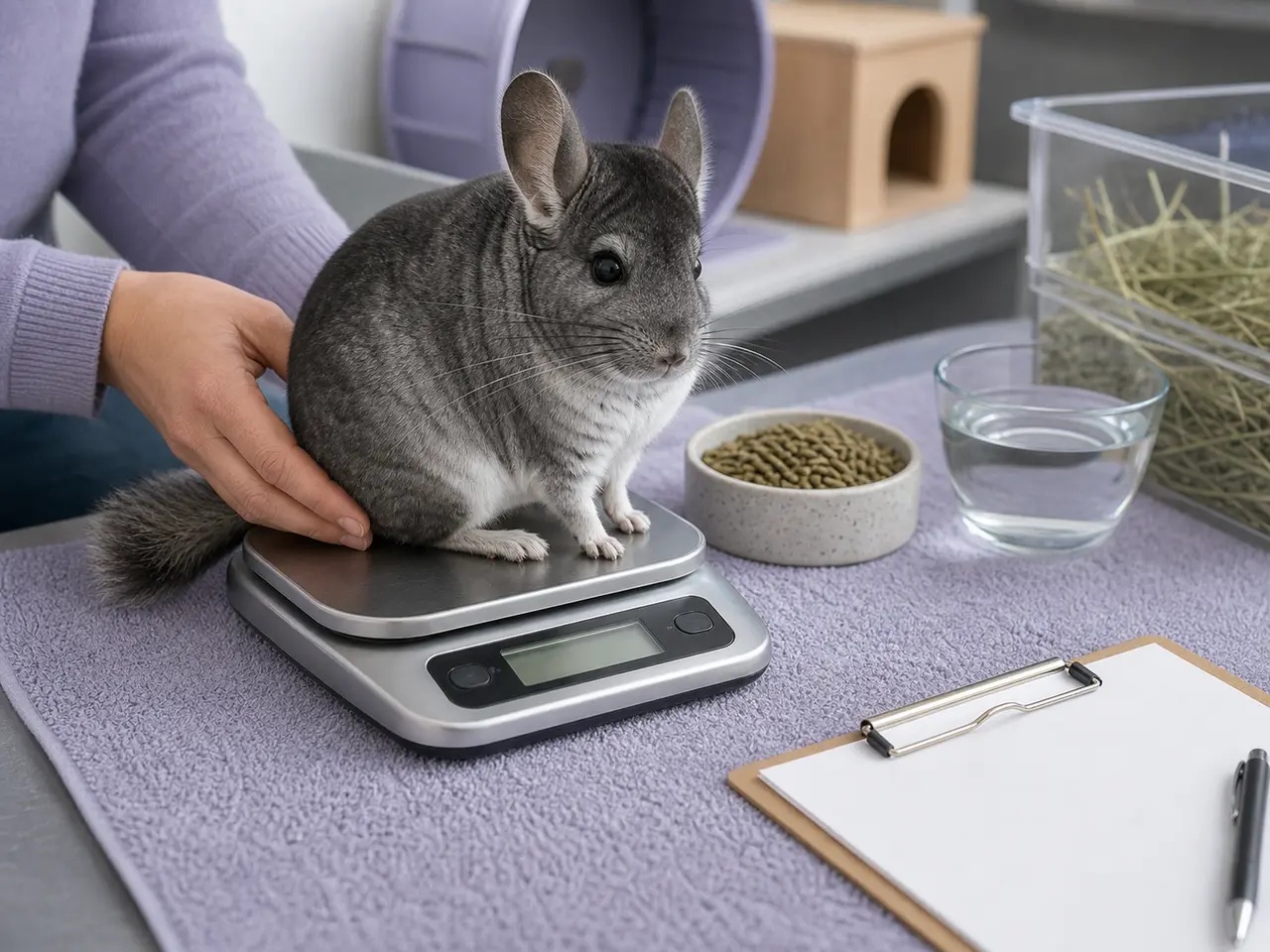
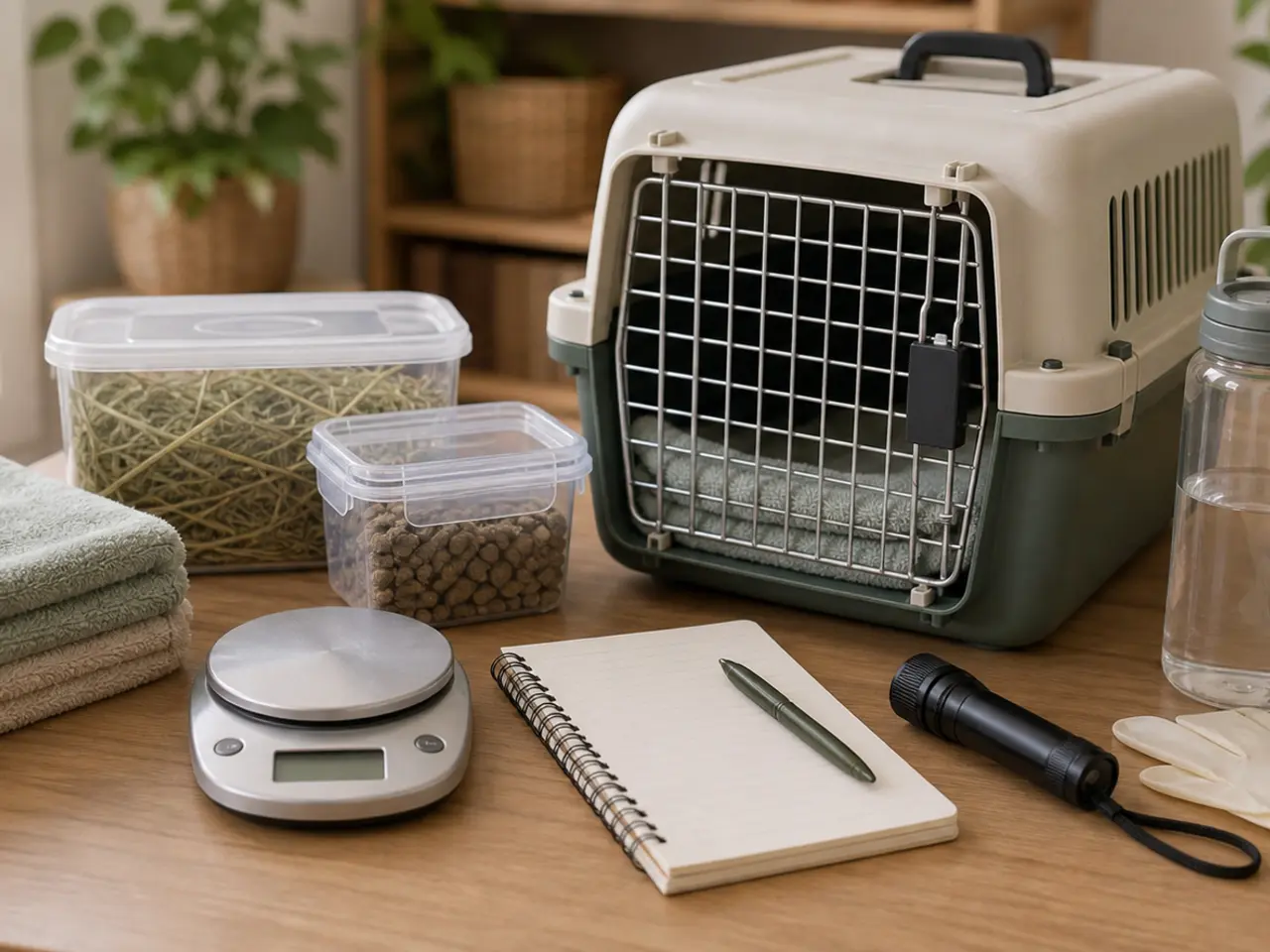
Write notes beside the habitat: portion, water, stool or droppings, weight, cleaning changes, and behavior after the food. If appetite drops, diarrhea appears, breathing changes, or the animal seems painful, call an exotic-pet veterinarian instead of trying another treat.
Optional supplies that support the care routine after the species needs are clear.
Affiliate links: Furball Cove may earn from qualifying purchases at no extra cost to you.