Updated

Emergency kit

Small Mammal Emergency Kit

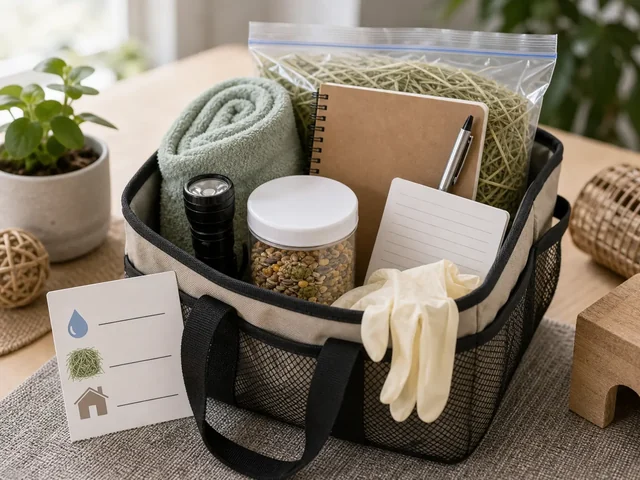
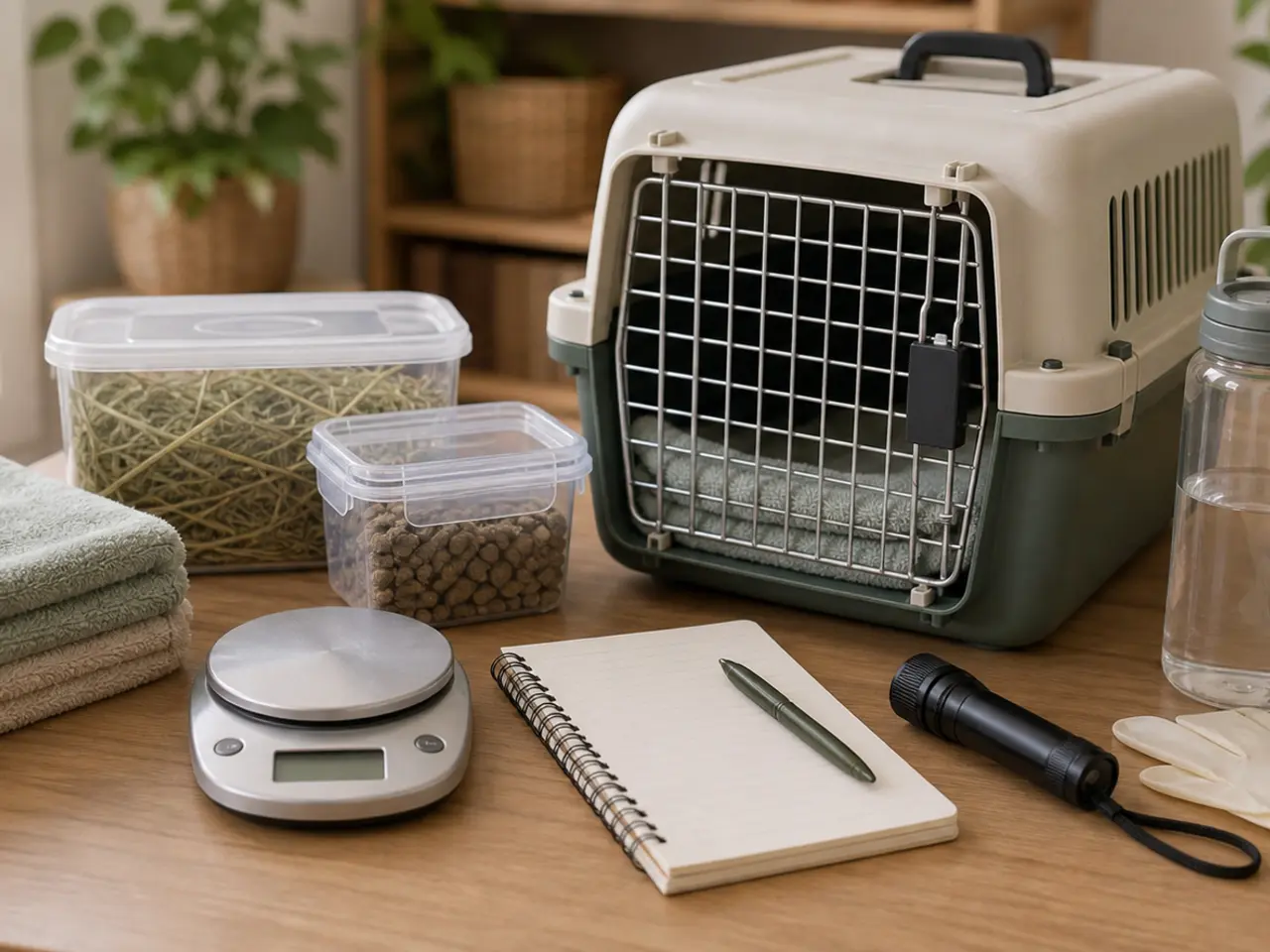
A small mammal emergency kit needs a carrier, weight notes, towels, travel food, water plan, vet contact, gloves, and flashlight.

Use it to transport safely and give the vet clear notes fast.

Small mammal emergency kit with carrier, towel, gram scale, vet notes, normal food sample, water plan, gloves, and flashlight

Start with transport

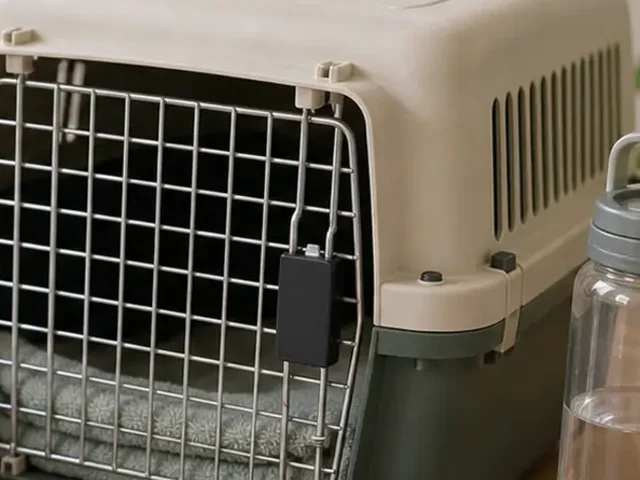
A secure carrier should be ready before the first emergency. It needs ventilation, a latch that works, species-safe bedding or towel support, and a way to keep the animal contained during handoff.

Practice calm transfers before a crisis. A carrier that only appears during fear is harder to use when seconds matter.
Keep weight and routine notes

Keep weight and routine notes

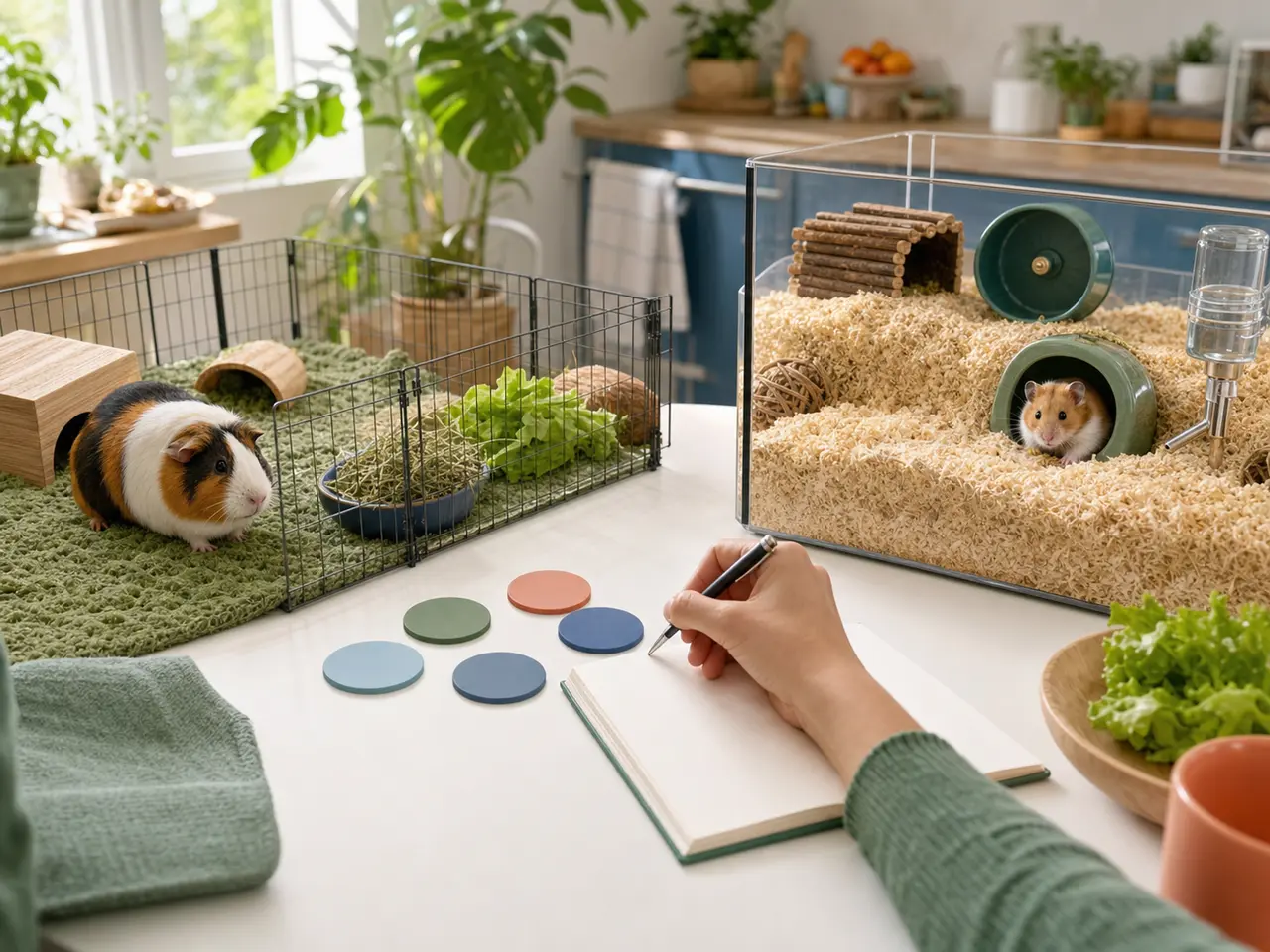
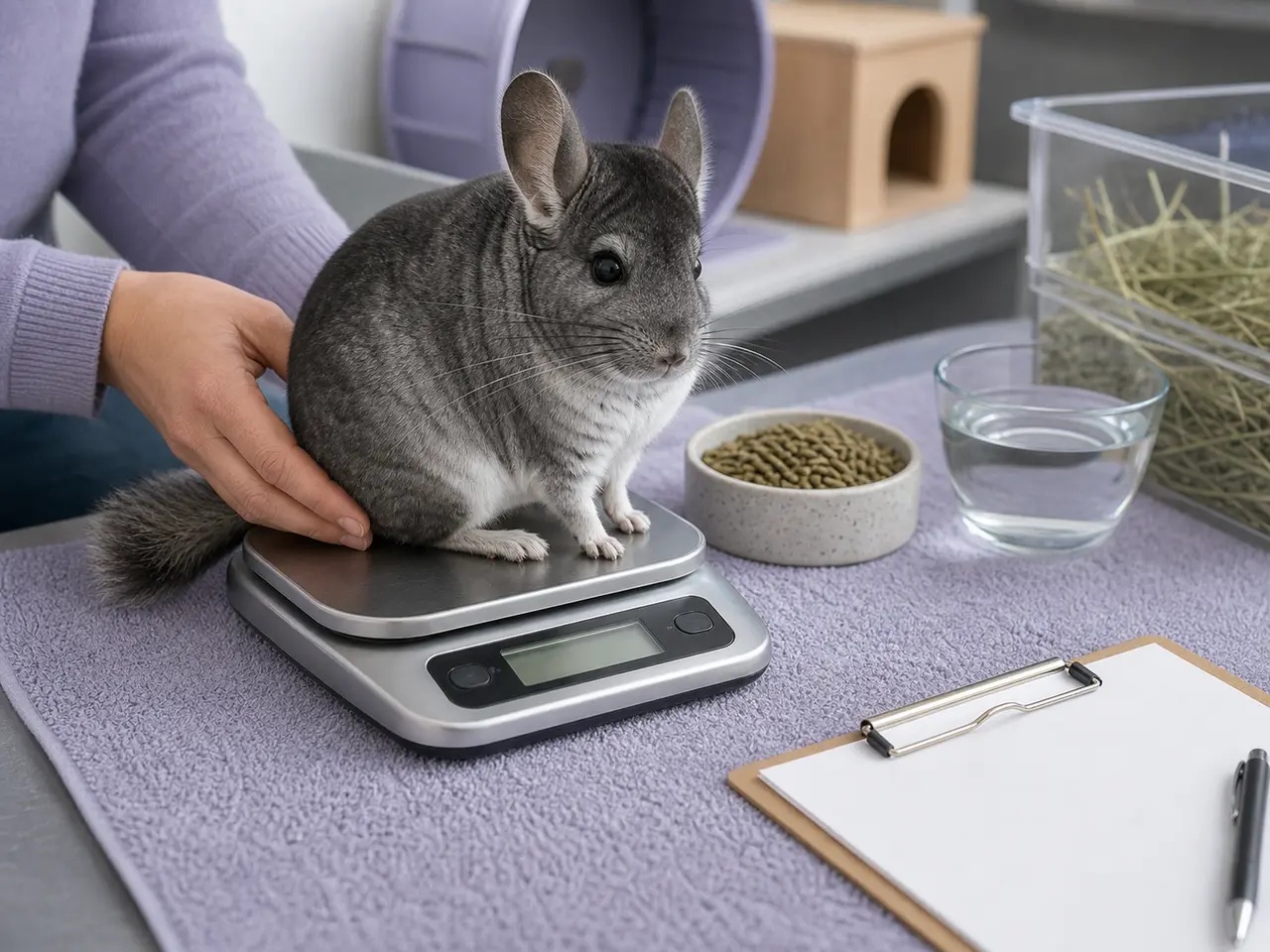
A small scale and simple notebook help turn vague concern into useful information. Record baseline weight, food, water, droppings, urine, breathing, movement, and normal activity.

Bring the notes to the clinic. Hay intake, wheel use, noisy breathing, abnormal stool, and weight history help the vet sort urgency by species.

Separate food by species

Separate food by species

Travel food should match the animal. Hay matters for guinea pigs and chinchillas, hamster or mouse food should stay measured, rats need their normal staple, and ferret food should stay meat-based.

Do not use the emergency kit as a place for random treats or unmarked powders. If a food or supplement is recommended by a veterinarian, label it clearly in your own home system.

Know what should trigger the call

Know what should trigger the call

Call an exotic-pet veterinarian for not eating, labored breathing, severe lethargy, collapse, heat stress, diarrhea, wounds, bloating, species-specific emergencies such as wet-tail signs in hamsters or suspected blockage in ferrets, head tilt, repeated falls, a possible swallowed object, or sudden weight loss.

The kit should include the clinic number, after-hours option, species, age, medications, and a short script for what changed.

Use towels, gloves, and light safely

Use towels, gloves, and light safely

Clean towels can support transport, reduce slipping, and protect a stressed animal from cold surfaces. Gloves and a flashlight help with cleanup and inspection, but they are not an excuse for rough handling.

Avoid home procedures that delay care. The safest first response is containment, warmth or cooling appropriate to the species and situation, clear notes, and a vet call.

Refresh the kit on a schedule

Refresh the kit on a schedule

Check carrier latches, towel cleanliness, food freshness, water hardware, batteries, notebook pages, clinic contacts, and species records monthly.

Update the kit after any adoption, move, medication change, diet change, or new health condition. An old emergency plan can be almost as bad as no plan.

Before you decide

  • Is the carrier secure and ready today?
  • Do you know the current weight and normal appetite pattern?
  • Is travel food species-appropriate and separated?
  • Is the exotic-pet vet and after-hours option written down?

Useful setup pieces

Optional supplies that support the care routine after the species needs are clear.

Affiliate links: Furball Cove may earn from qualifying purchases at no extra cost to you.

Hard-sided ventilated small-animal carrier with secure latch.

Hard-sided carrier

Keeps transport secure for vet visits, adoption day, and emergencies.

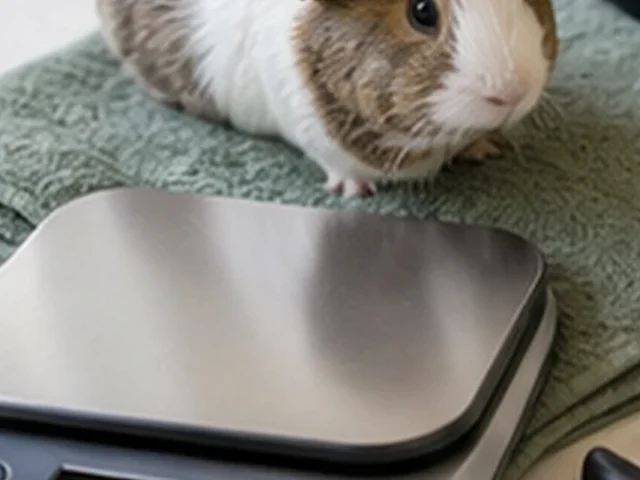
Digital gram scale ready for a guinea pig weight check.

Digital gram scale

Makes weekly weight checks easier to track before small changes become big ones.

Small mammal emergency kit tote with towel, vet notes, normal food sample, water plan, gloves, and flashlight.

Emergency kit tote

Keeps transport supplies, vet numbers, and normal food samples together without medication tools.

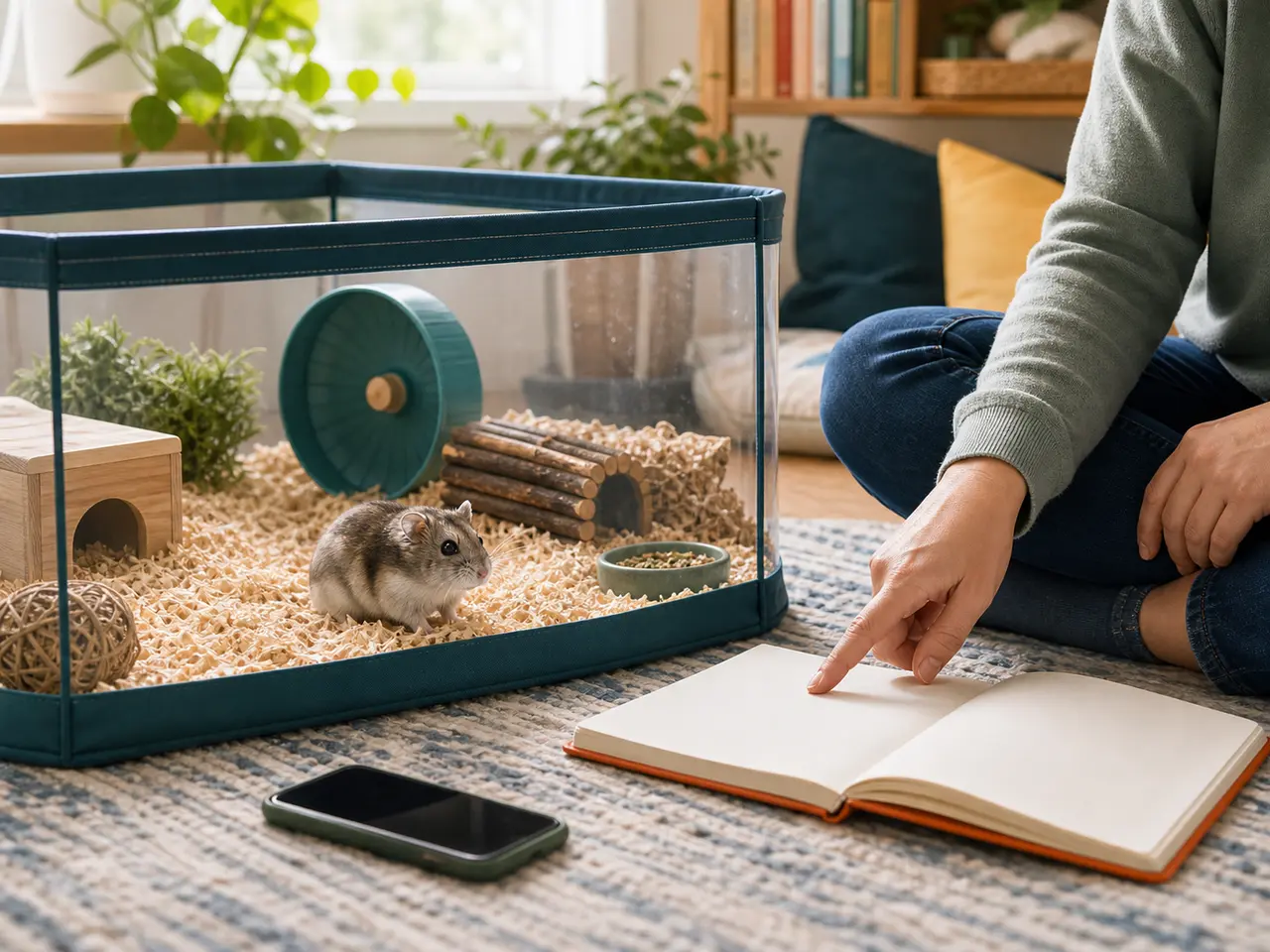
Care notebook and pen for tracking small mammal weight, appetite, and vet notes.

Care notebook

Keeps weight, appetite, cleaning, and vet notes in one place for faster decisions.

References