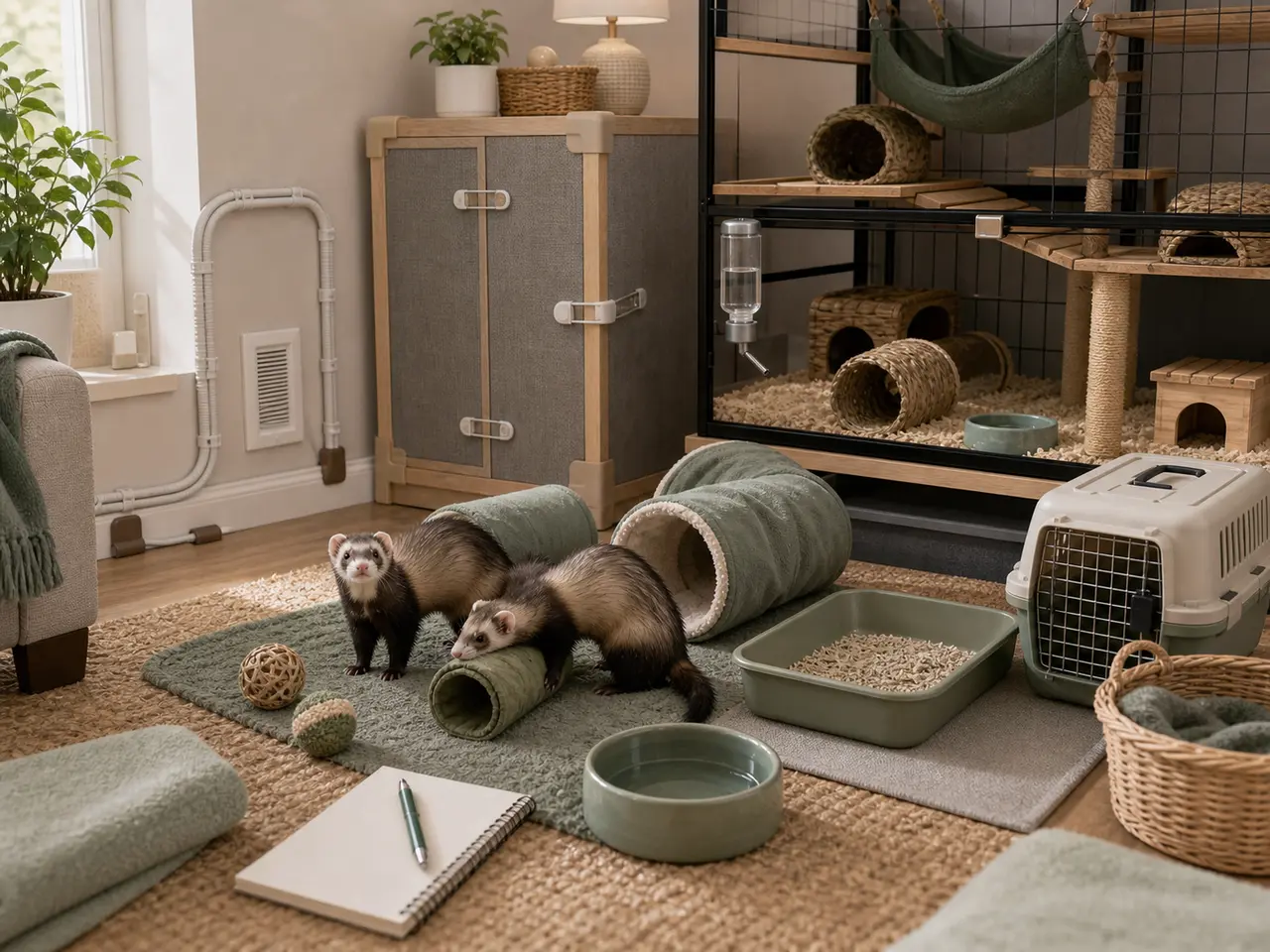
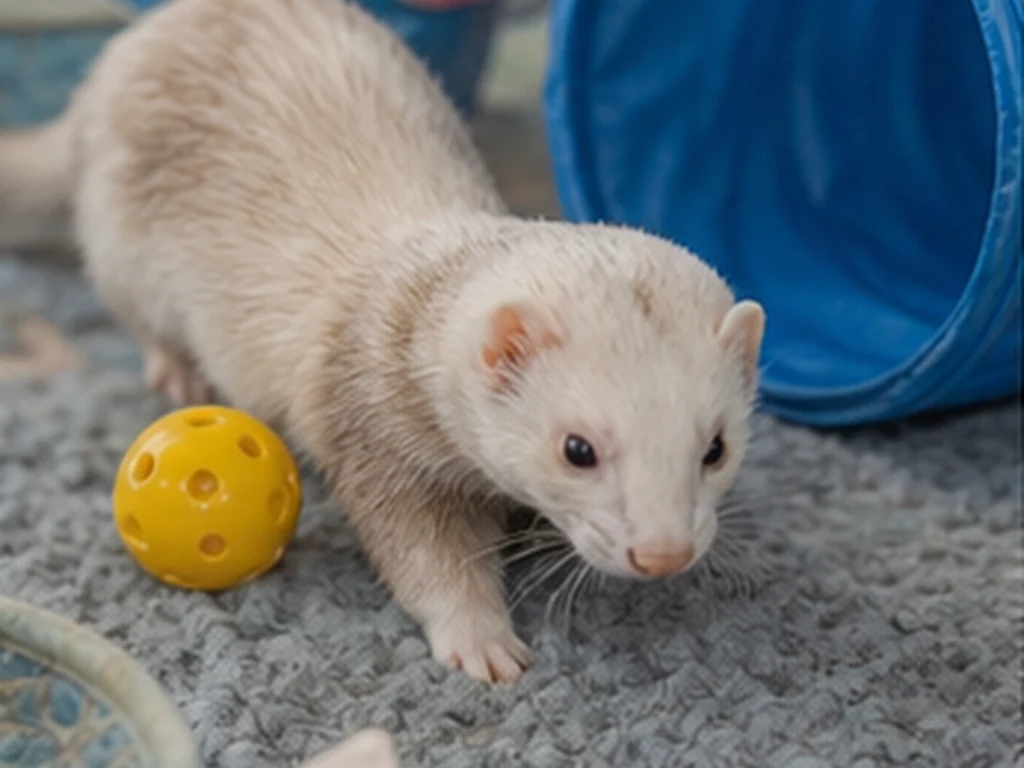
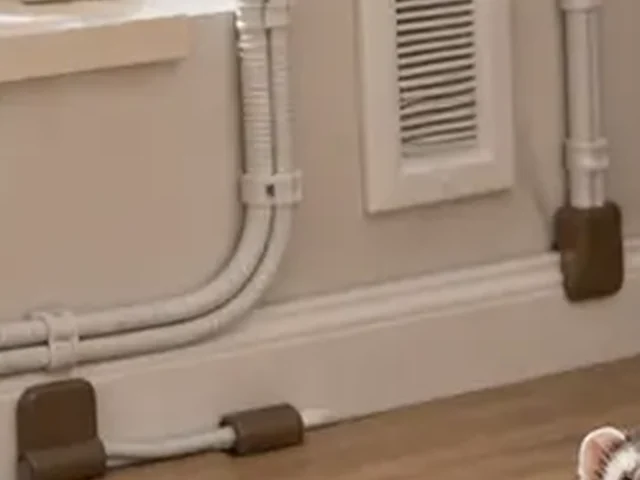
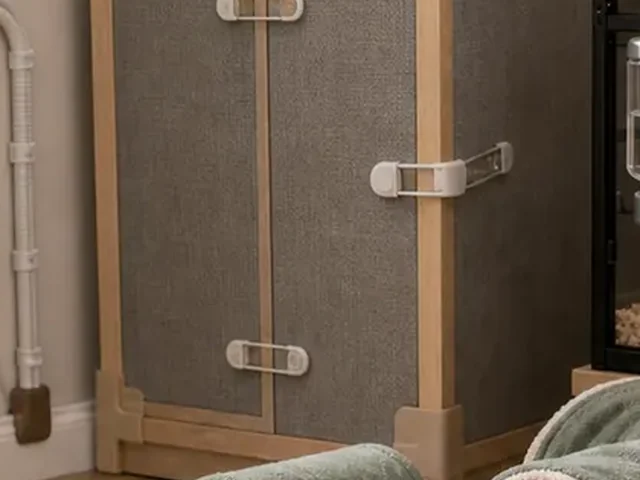
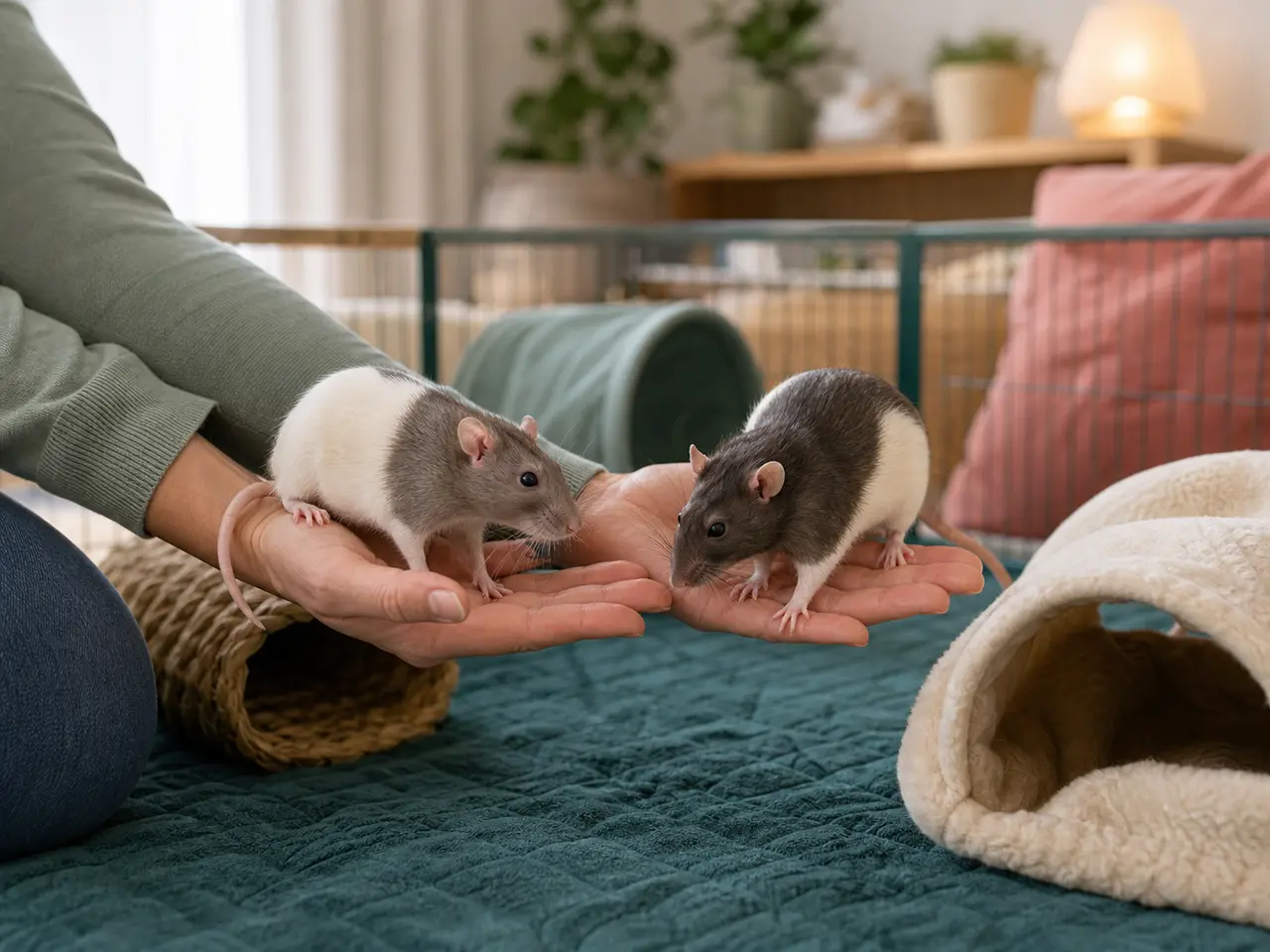
Ferret-proofing means blocking gaps, cords, vents, recliners, cabinets, rubber, foam, unsafe toys, and open doors before play.
Proof the room from floor level before every supervised session.
Inspect from ferret height
Sit on the floor and look for gaps under cabinets, behind appliances, around vents, inside furniture, and near baseboards. If a ferret can fit its head, the body may follow.
Block hazards with sturdy barriers, not loose pillows. Recheck after cleaning, moving furniture, or letting guests into the room.
Control cords, rubber, and foam
Cords, earbud tips, foam, rubbery toys, erasers, shoe soles, and loose bits can become chewing or swallowed-object risks. Keep them out of the play area.
A toy is not safe just because it is sold for pets. Inspect texture, seams, pieces, and chew marks every time it comes out.
Respect furniture danger
Recliners, sofa beds, rocking chairs, drawers, and laundry piles can crush or trap a ferret. Close mechanisms, block undersides, and count ferrets before anyone sits, folds, or moves furniture.
Rooms used for free play should have simple rules every family member understands before the ferrets come out.
Use litter and water stations
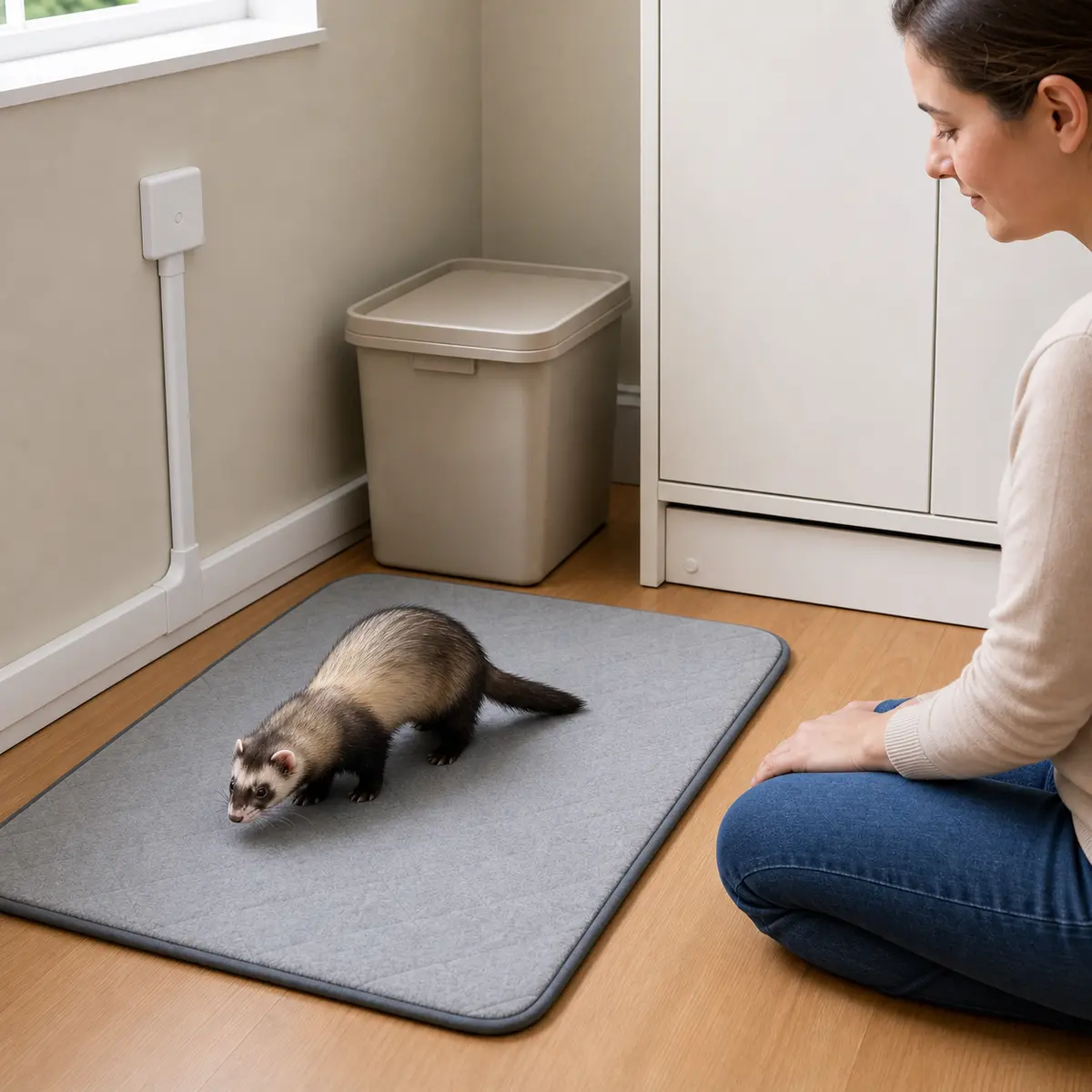
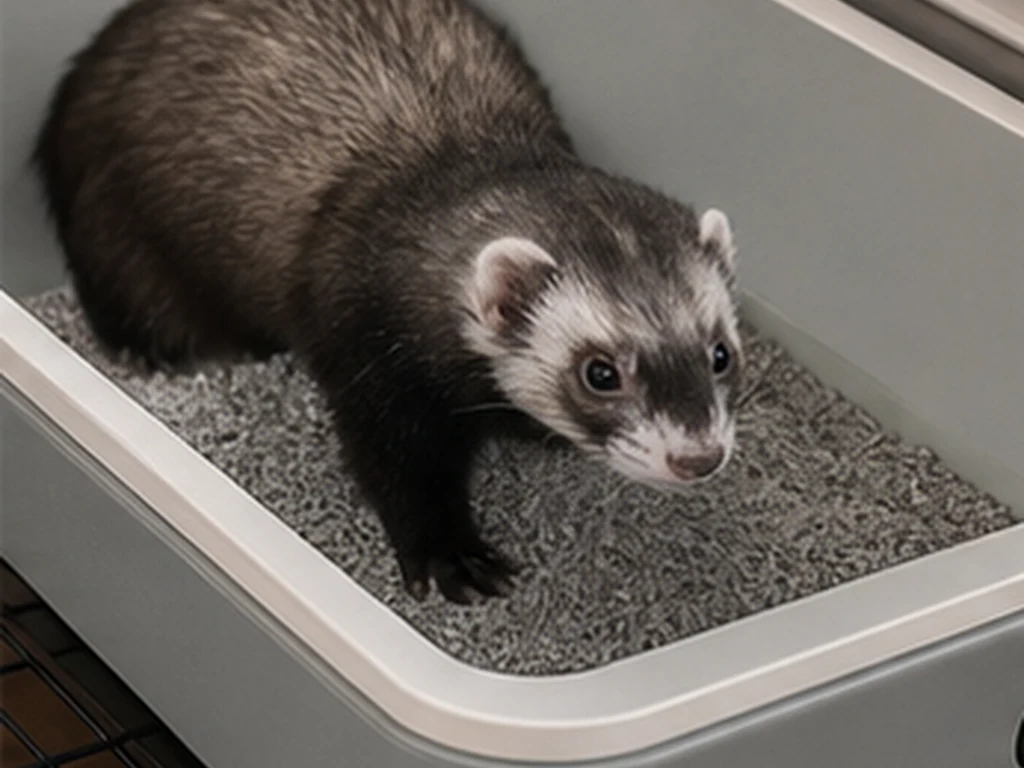
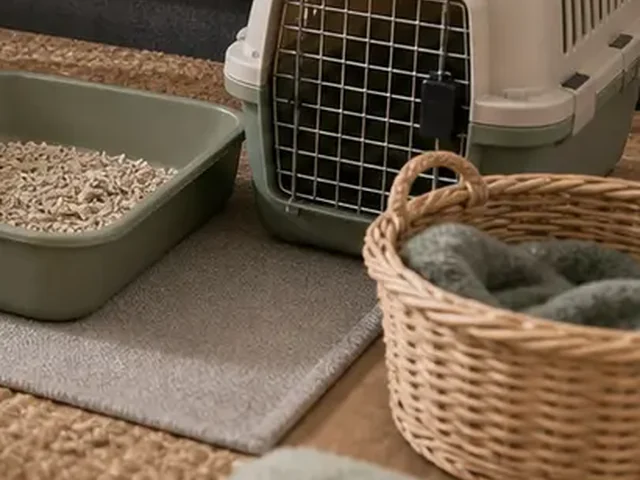
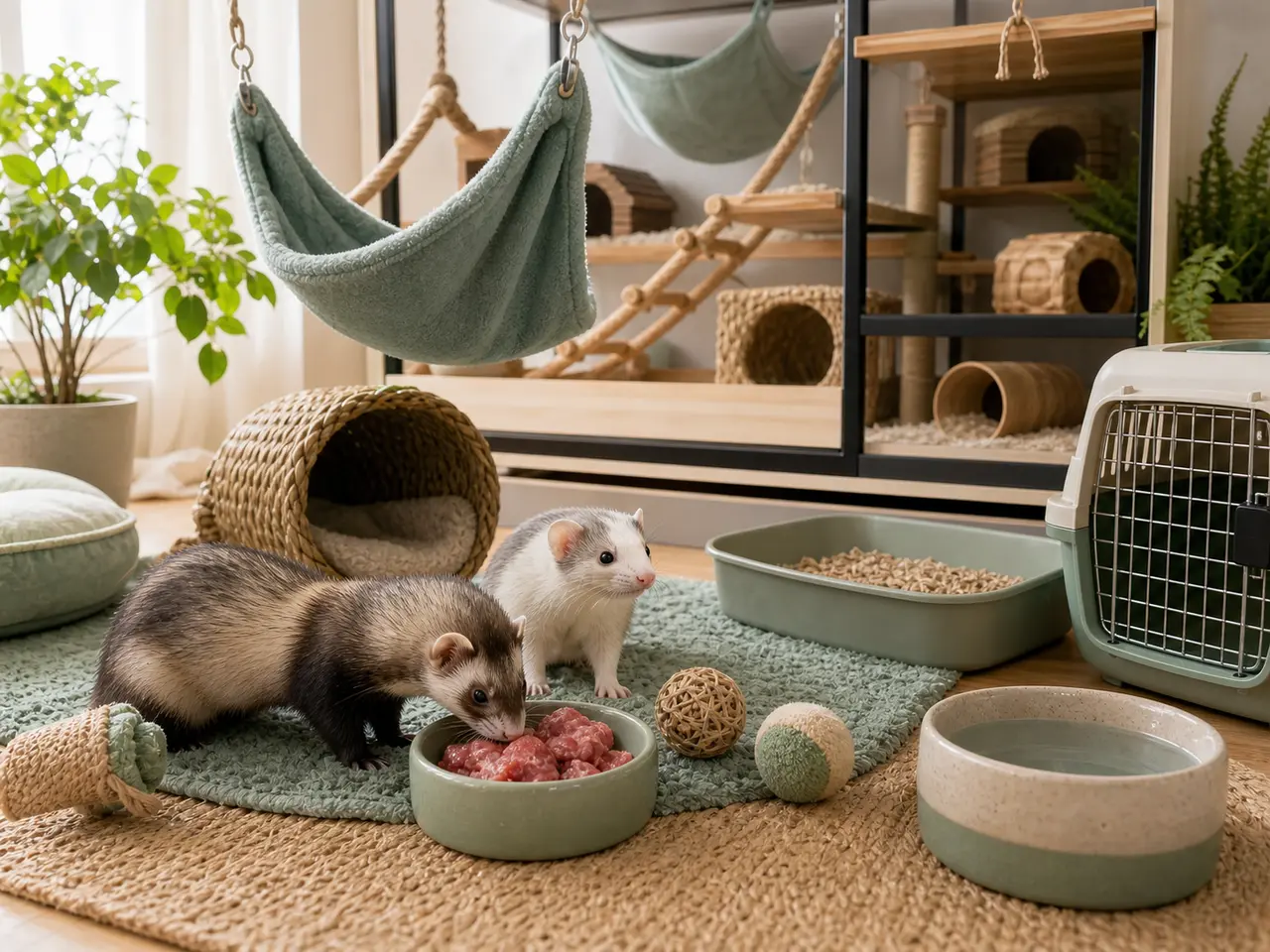
A proofed room still needs practical stations. Place litter where ferrets naturally back into corners, keep water available, and protect flooring where accidents are likely.
Clean accidents promptly and adjust the layout instead of expecting reliable litter habits in a poorly arranged room.
Supervise the whole session
Ferret-proofing reduces risk; it does not replace supervision. Call an exotic-pet vet if play ends with coughing, gagging, weakness, or a possible swallowed object.
End play while the room is still controlled. Tired humans miss hazards, and ferrets do not need one more unsupervised minute to find a problem.
Know the emergency plan
If a ferret may have swallowed something, stops eating, vomits, strains, becomes weak, or has abnormal stool, call an exotic-pet veterinarian quickly.
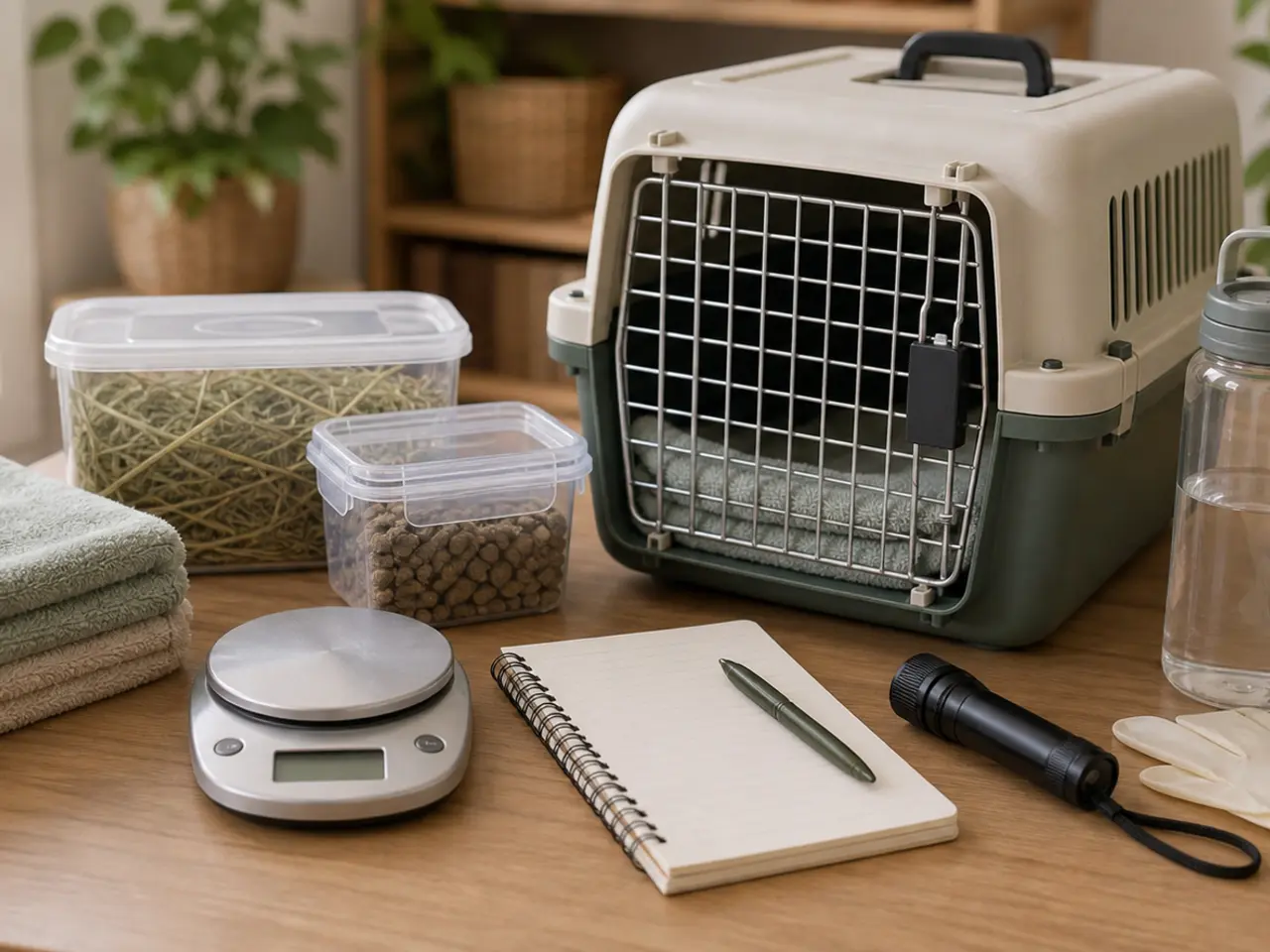
Keep the carrier ready and write down what objects were accessible. Ferret-proofing notes can help a vet understand blockage risk.
Reset the room after play
After play, check bedding, litter, water, toys, tunnels, barriers, and the ferret's weight or body condition notes if anything seemed off. A proofed room can become unsafe after one chewed toy, moved barrier, or missed accident.
Put the room back in the same order each time. Predictable cleanup makes the next supervised session safer and helps the household spot what changed.
Before you decide
Are gaps, vents, cabinets, cords, and furniture mechanisms blocked?
Are rubber, foam, and swallowable objects out of the play area?
Can every family member follow the room rules?
Is the carrier and exotic-pet vet information ready before play?
Useful setup pieces
Optional supplies that support the care routine after the species needs are clear.
Affiliate links: Furball Cove may earn from qualifying purchases at no extra cost to you.