Feed a ferret diet, not rodent food
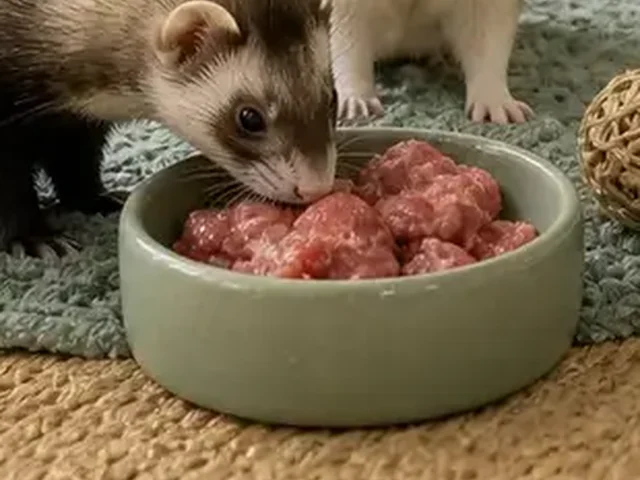
Ferrets are carnivores. Their daily food should be ferret-appropriate and meat-based, not hay, seed mix, fruit bowls, guinea pig pellets, rabbit food, or generic rodent food.
Updated
Ferret food
Ferrets are carnivores and need a ferret-appropriate meat-based diet, clean water, careful treats, and fast vet help for appetite or blockage signs.
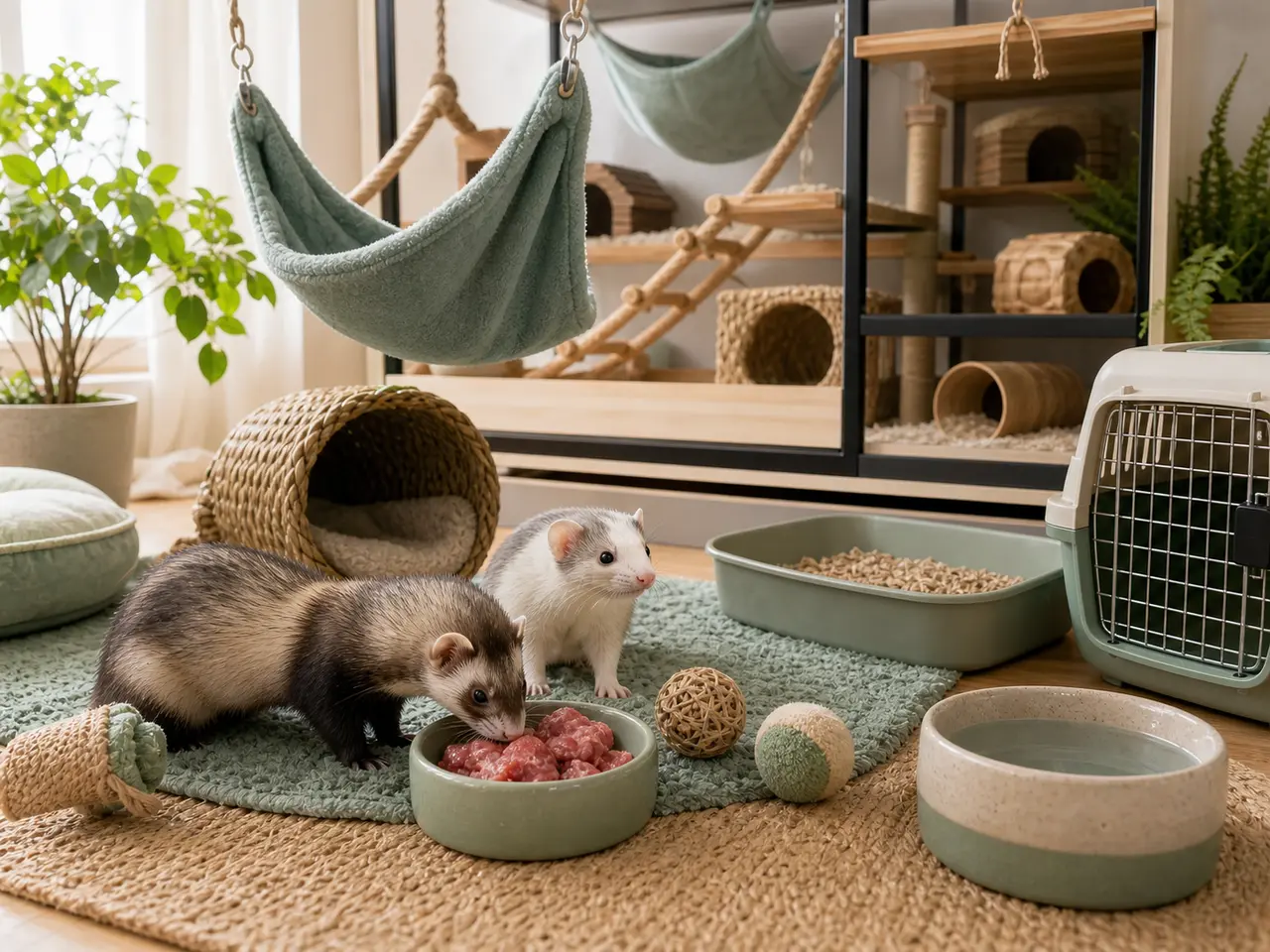
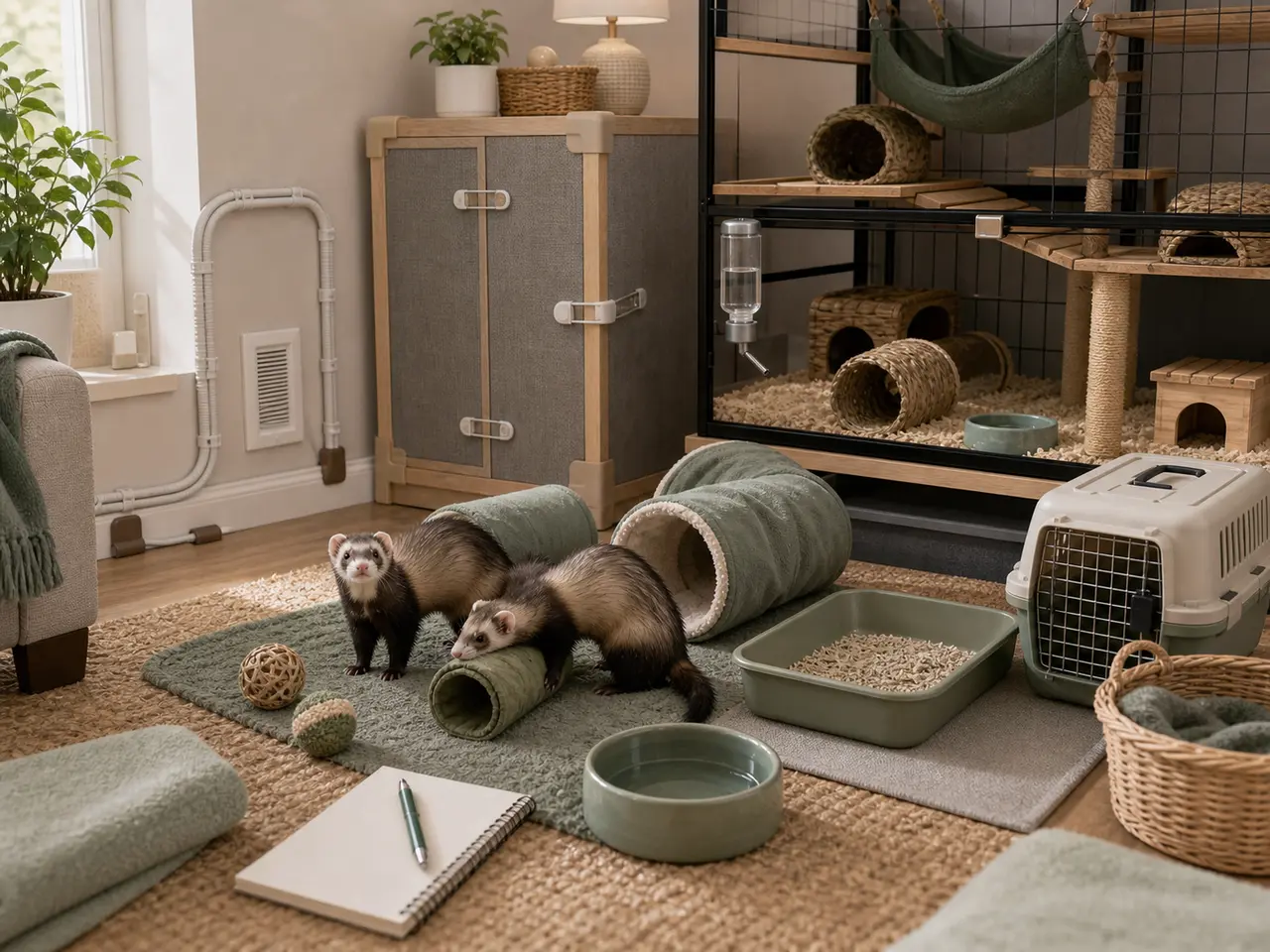
Do not feed ferrets like rodents. Their food plan belongs with proofing, litter, stool checks, and supervised play.
Ferrets are carnivores. Their daily food should be ferret-appropriate and meat-based, not hay, seed mix, fruit bowls, guinea pig pellets, rabbit food, or generic rodent food.
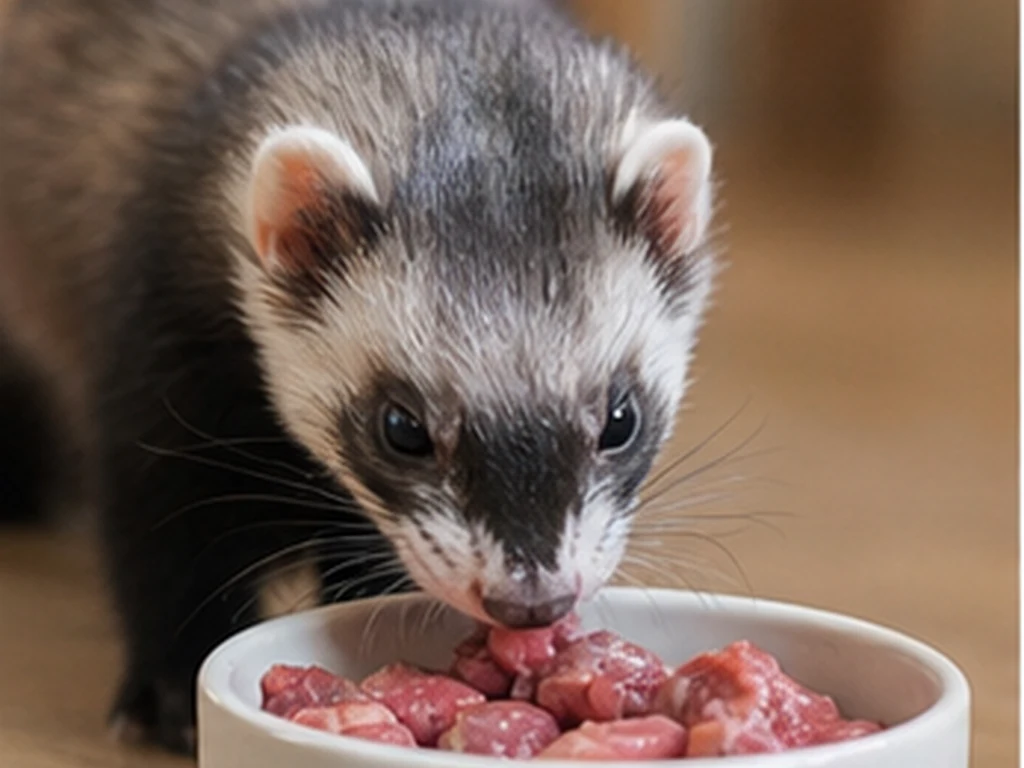
Fresh water should be checked daily. Bowls can spill and bottles can clog, so the best setup is the one your ferrets reliably use without soaking bedding or litter.
Treats should fit the carnivore diet and stay small. Sugary foods, dairy, salty snacks, and random human leftovers can make stool, weight, and appetite harder to judge.
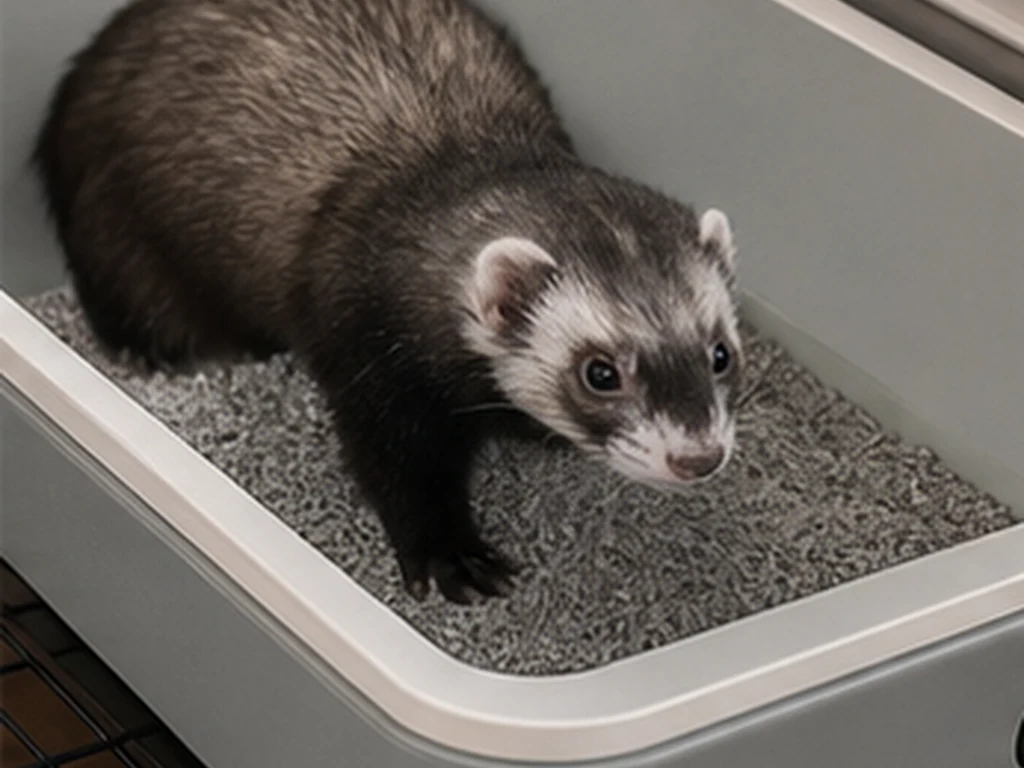
A ferret food routine is easier to judge when litter boxes are checked daily. Watch stool amount, texture, color, odor, and whether one ferret is eating less than usual.
Ferrets explore with their mouths. Not eating, vomiting, pawing at the mouth, weakness, painful belly, unusual stool, or a suspected swallowed object should move quickly to an exotic-pet veterinarian.
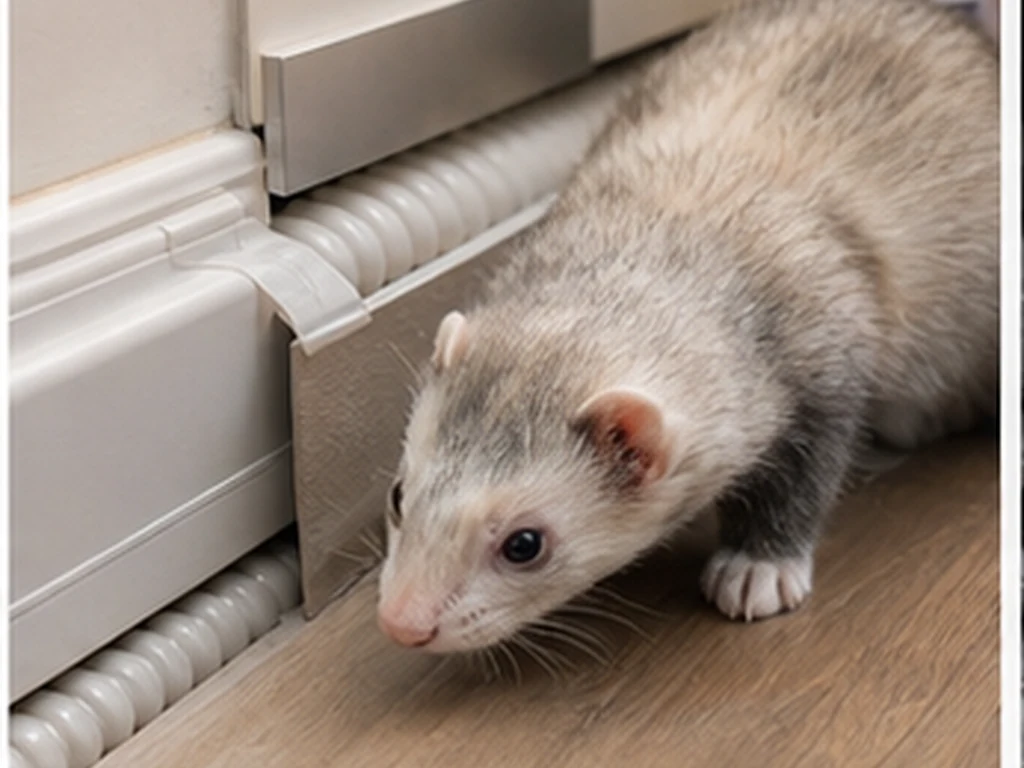
Before offering any treat, check that it fits a carnivore diet. Skip fruit bowls, dairy, sticky sweets, and rodent foods. Keep the normal staple steady and test one change at a time.
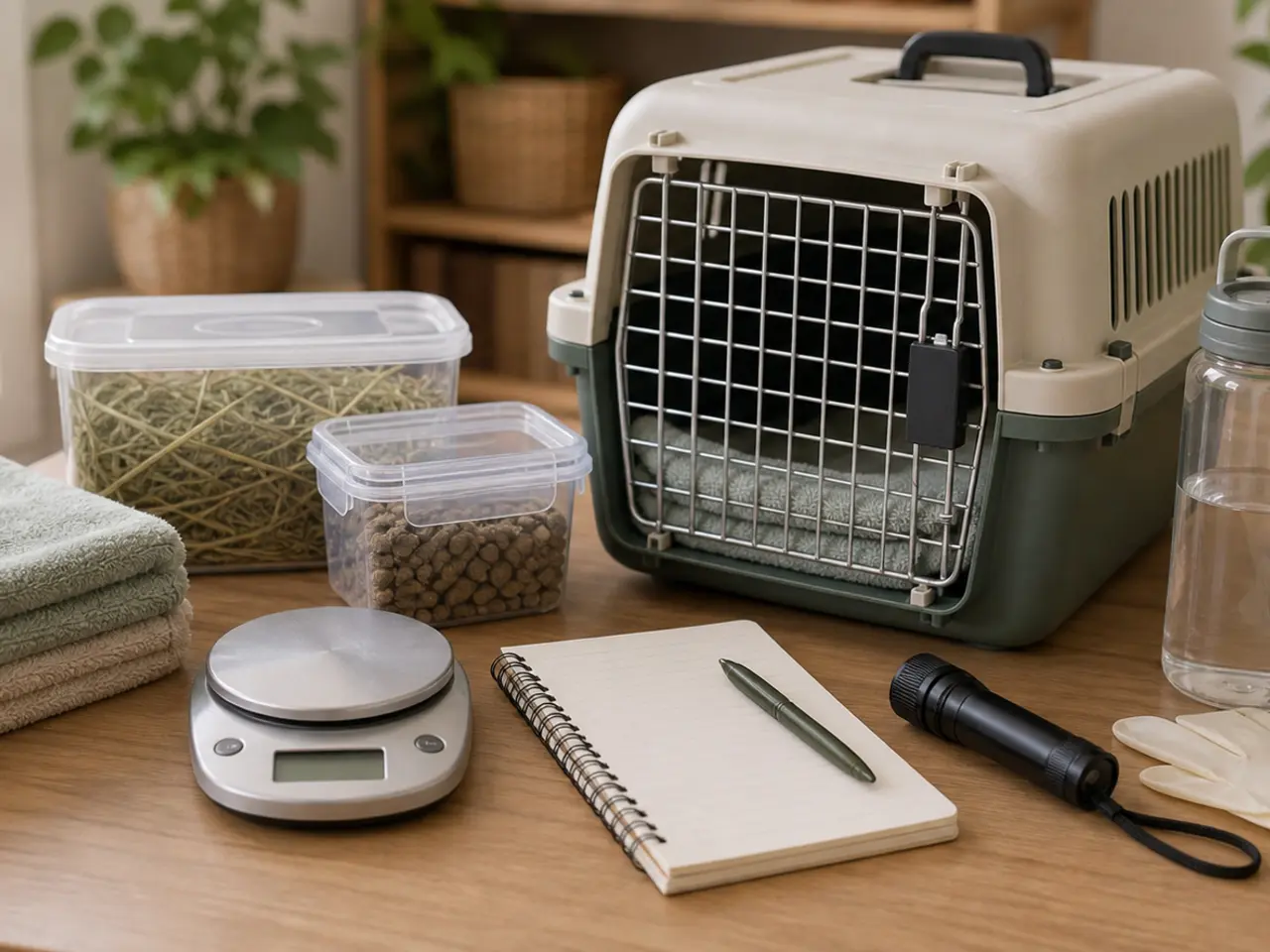
Write notes beside the habitat: portion, water, stool or droppings, weight, cleaning changes, and behavior after the food. If appetite drops, diarrhea appears, breathing changes, or the animal seems painful, call an exotic-pet veterinarian instead of trying another treat.
Optional supplies that support the care routine after the species needs are clear.
Affiliate links: Furball Cove may earn from qualifying purchases at no extra cost to you.