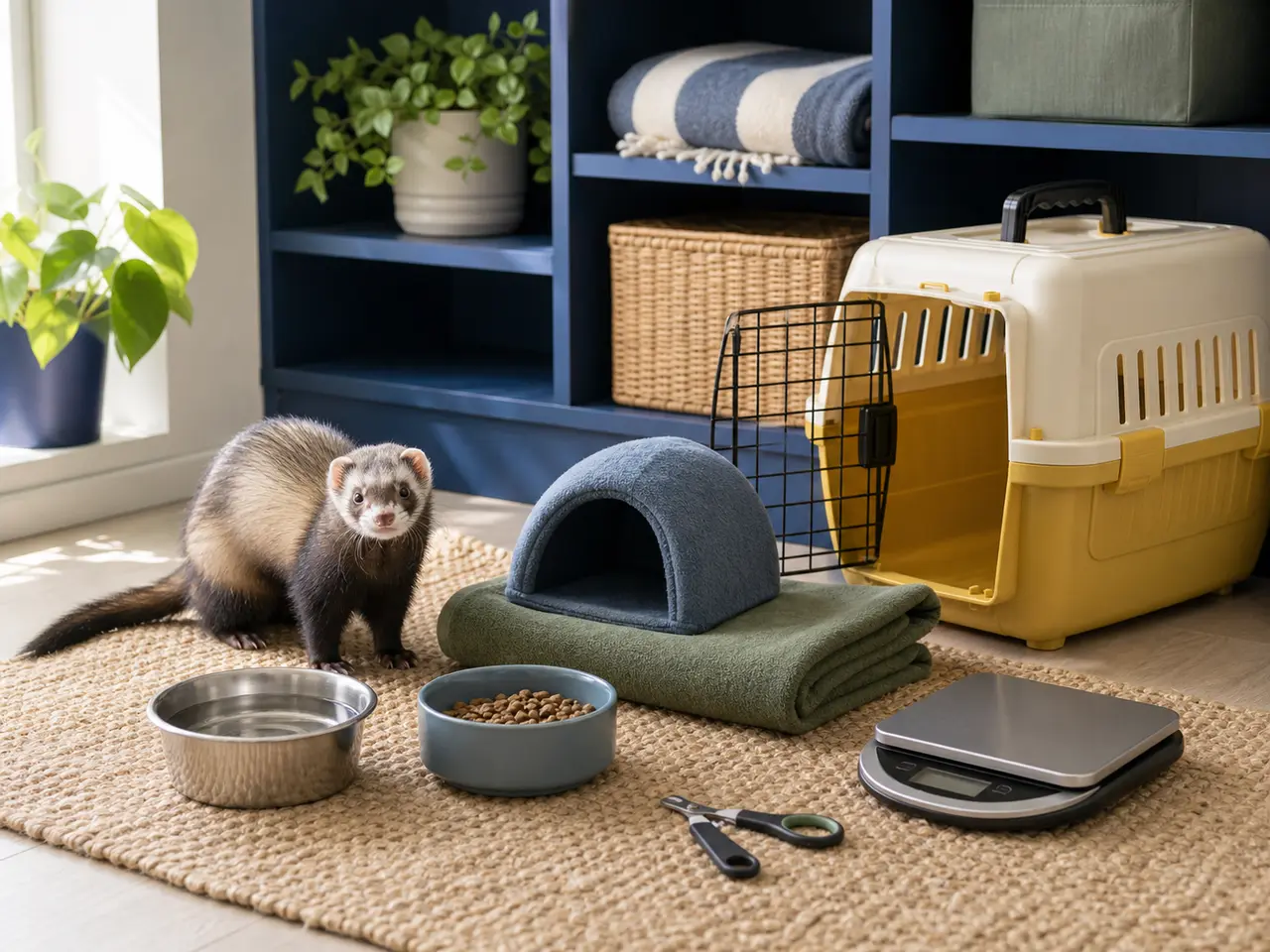
Ferrets are curious carnivores who need supervised play, a proofed room, meat-based food, litter work, and a ferret-capable vet.
They are wonderful for committed homes, not casual cage pets.
Build around supervised freedom
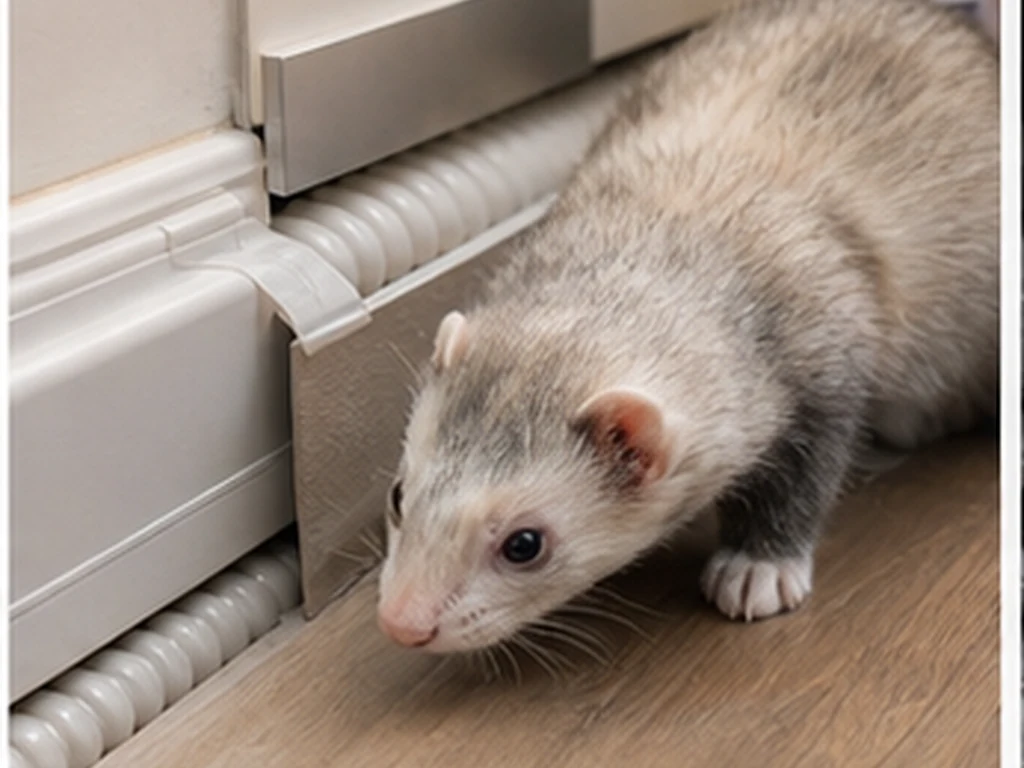
Ferrets need more than a cage with occasional attention. They sleep heavily, then wake ready to explore, climb into gaps, test doors, steal objects, and squeeze into places a human did not notice.
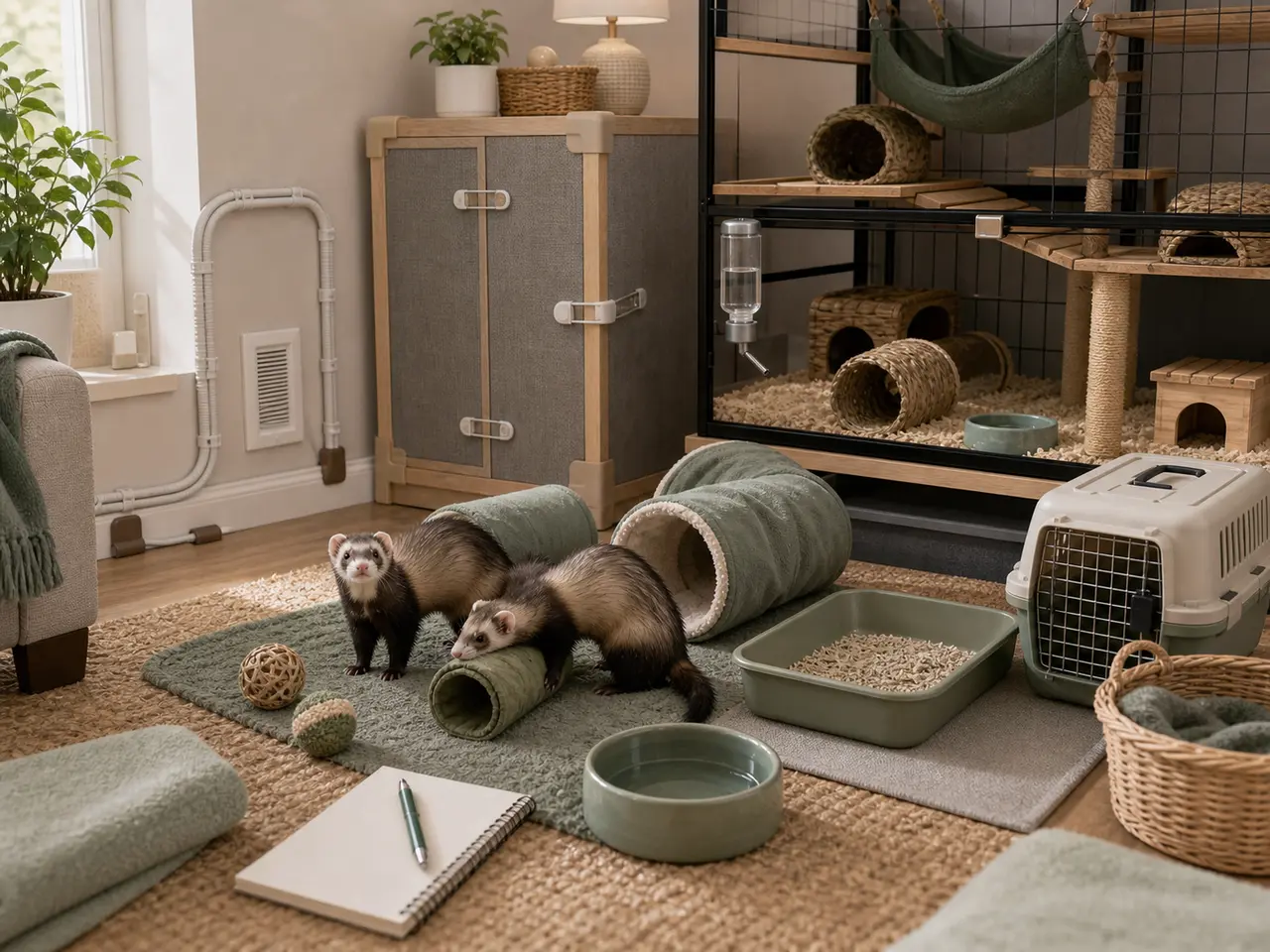
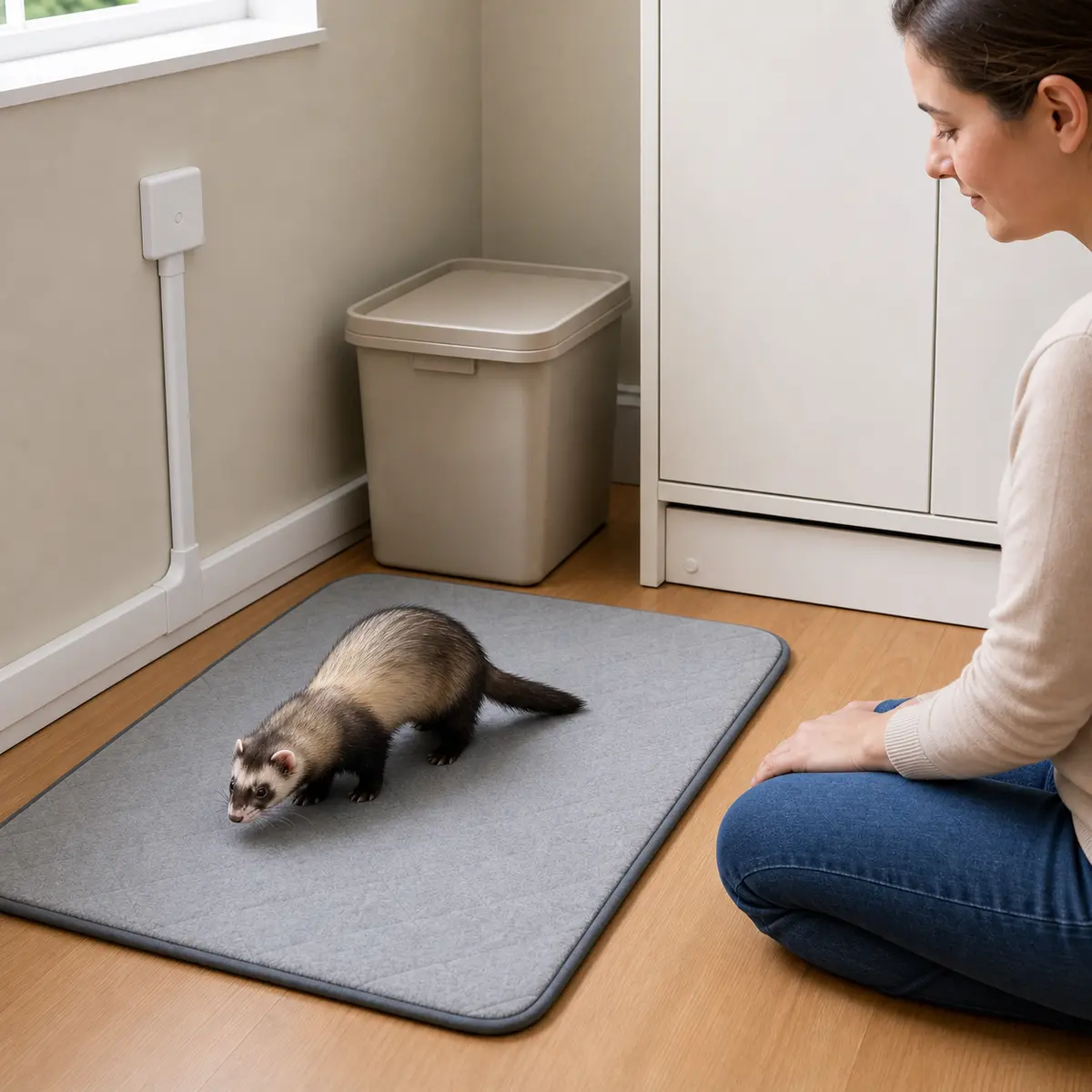
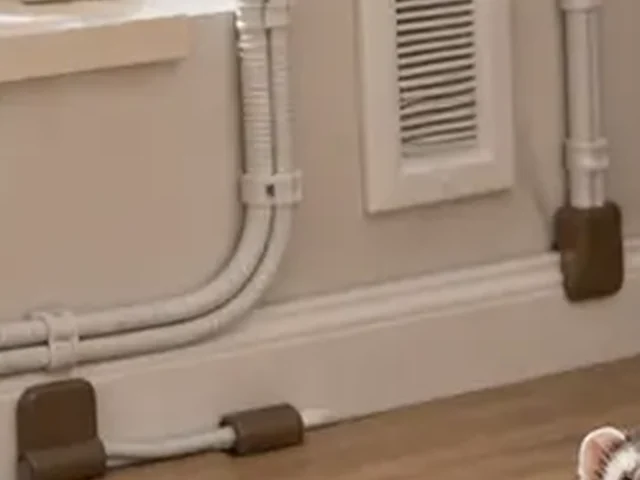
Use a secure enclosure for rest and a ferret-proof play area for daily activity. Check recliners, vents, cabinets, appliances, cords, houseplants, open toilets, and any hole behind furniture before play starts.
Feed as carnivores
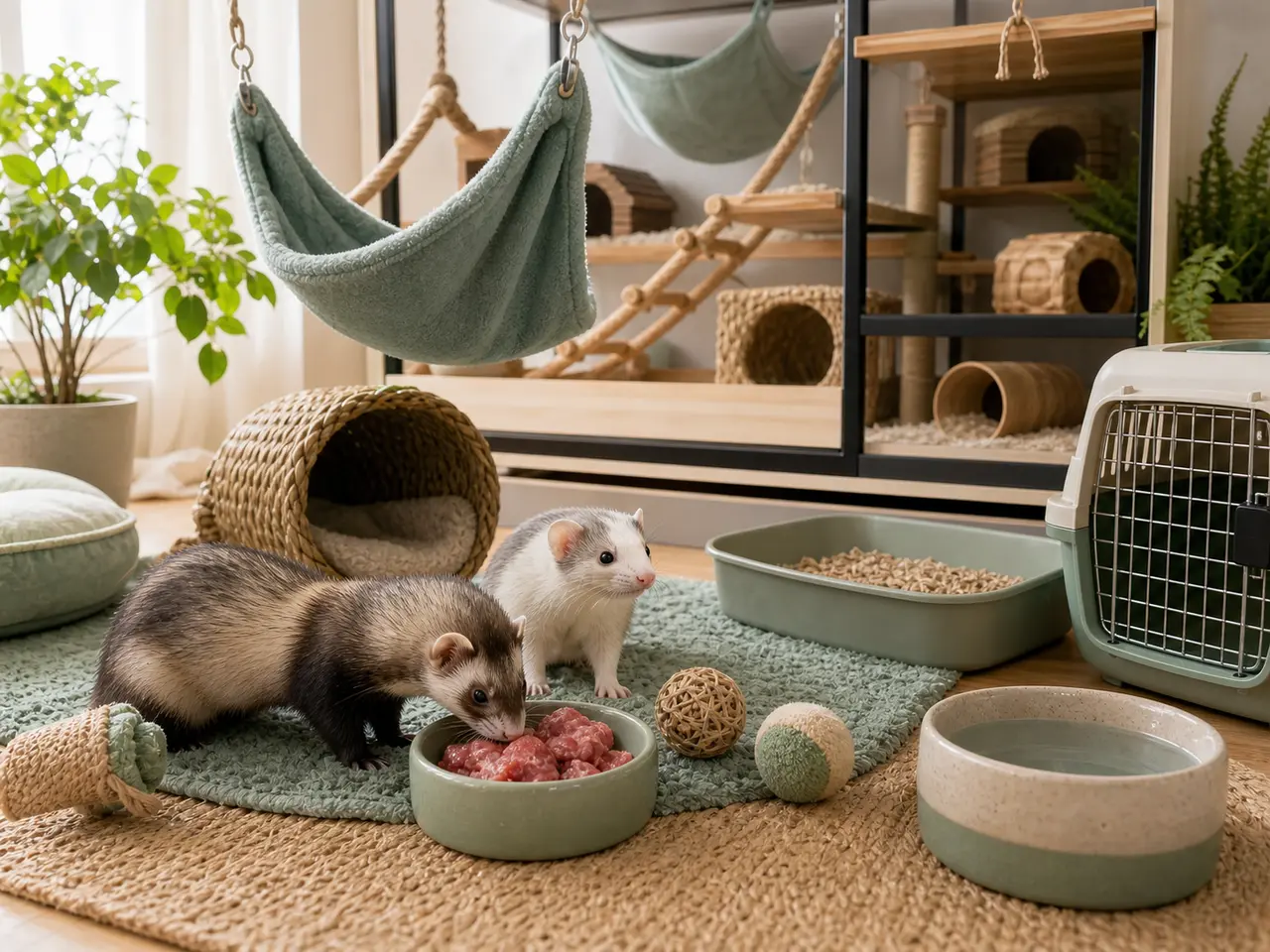
Ferrets need a ferret-appropriate meat-based diet. Their food plan should not be built from hay, seed mixes, fruit bowls, or generic rodent foods.
Use a consistent staple recommended for ferrets, keep water available, and watch appetite, stool, vomiting, weight, and energy. Sudden food refusal or digestive change can become urgent.
Treat litter and odor as design problems
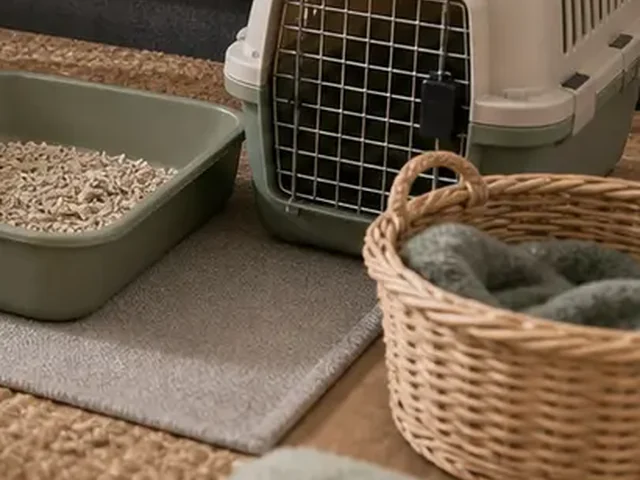
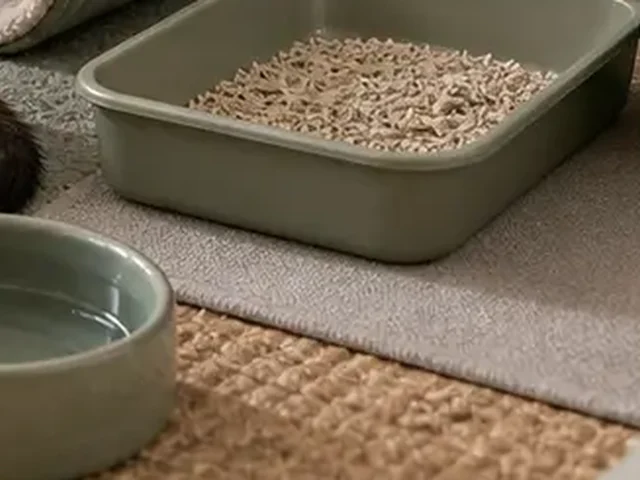
Ferrets can learn litter habits, but the setup must make the right choice easy. Use litter boxes where they naturally back into corners, clean often, and avoid dusty or scented materials that irritate breathing.
Odor gets worse when bedding, hammocks, litter, food mess, and play areas are not managed. Overbathing can make skin and smell problems worse, so cleaning the environment matters more than perfuming the animal.
Handle play biting and body safety
Young or excited ferrets may nip during play. Use calm redirection, shorter sessions, and better outlets; if biting is sudden, intense, or paired with pain signs, ask an exotic-pet vet or experienced ferret rescue.
Support the body when lifting, protect them from high falls, and supervise interaction with children. A ferret is flexible, not unbreakable.
Keep enrichment washable and inspectable
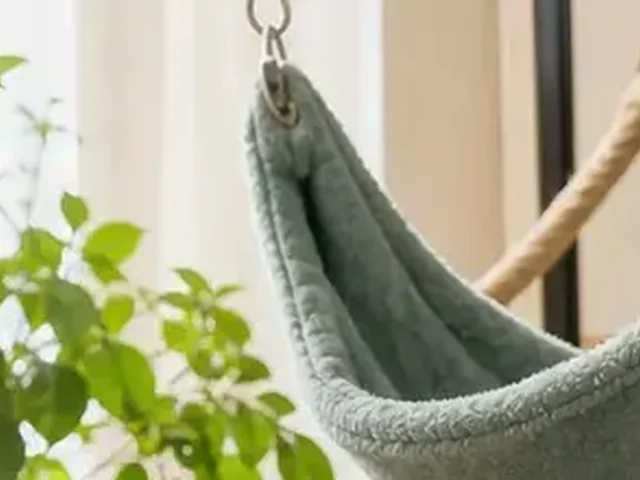
Tunnels, hammocks, dig boxes, sleep sacks, and toys should invite exploration without creating hidden hazards. Inspect for chewed rubber, loose threads, swallowed pieces, sharp edges, and trapped food.
Rotate enrichment, but keep the sleeping and litter routine predictable. Ferrets need stimulation and structure at the same time.
Respect the sleep-heavy routine
Ferrets sleep for long stretches and then wake with intense curiosity. A good day is not constant handling; it is a predictable cycle of clean sleeping areas, food and water checks, litter cleanup, supervised play, and safe rest.
That rhythm matters for households with children. Wake-ups, rough games, and unsupervised room access make nipping, escapes, and swallowed-object risks more likely than a calm planned play session.
Plan vet care before the first blockage scare
Ferrets can develop urgent problems from swallowed objects, appetite loss, diarrhea, vomiting, breathing trouble, injury, dental issues, or sudden weakness. An exotic-pet veterinarian should already be on your list.
Bring notes about food, stool, water, play access, possible swallowed items, weight, energy, and when signs started. Household hazard history can be as important as the symptom itself.
Before you decide
Can you provide supervised out-of-cage play in a truly ferret-proof area?
Is the diet ferret-appropriate and meat-based?
Can litter boxes, hammocks, bedding, and play areas be cleaned before odor builds?
Do you have an exotic-pet vet plan for blockage, appetite loss, injury, or digestive signs?
Next best moves
Ferret-proof the play area at floor level before every free-roam session.
Keep rubbery, foam, and loose-thread items out of reach unless supervised and inspected.
Budget for veterinary care because ferret emergencies can move quickly.
Useful setup pieces
Optional supplies that support the care routine after the species needs are clear.
Affiliate links: Furball Cove may earn from qualifying purchases at no extra cost to you.