Updated
Small mammal food safety
Can Small Mammals Eat Apple?
Tiny treat only
A tiny seed-free apple piece can be a rare treat for guinea pigs, rats, and some hamsters, mice, or gerbils. Chinchillas and ferrets should skip it.
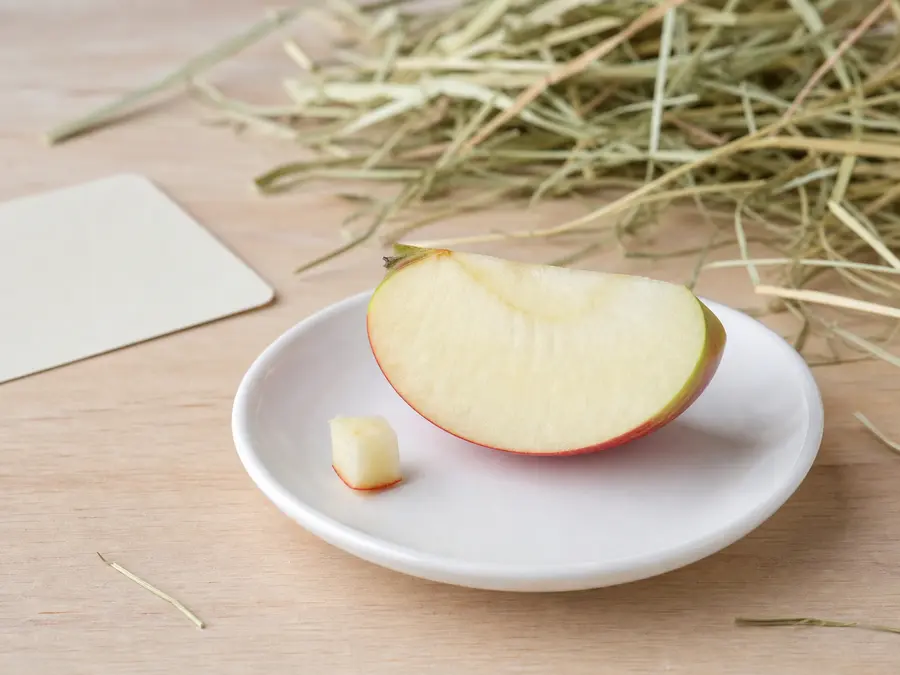 Apple
AppleGuinea pigs
Tiny treat
A guinea pig may have a tiny washed, seed-free apple piece as a rare treat; do not use fruit as a vitamin C strategy.
Syrian and dwarf hamsters
Crumb-size treat
A hamster may have only a crumb-size seed-free apple piece, especially if weight or diabetes risk is a concern.
Rats
Small treat
A rat may have a small washed, seed-free apple piece if the normal staple, body condition, and stool stay steady.
Mice
Tiny crumb
A mouse needs only a tiny seed-free crumb. Remove wet leftovers before they sour or get guarded.
Gerbils
Rare tiny treat
A gerbil should get apple rarely and in a tiny seed-free piece because a drier routine usually works better.
Chinchillas
Skip fruit
Skip apple for chinchillas; sugary fruit can disrupt a hay-centered digestive routine.
Ferrets
Do not feed
Do not feed apple to ferrets. Ferrets need meat-based food, not fruit treats.
Remove the risky parts first
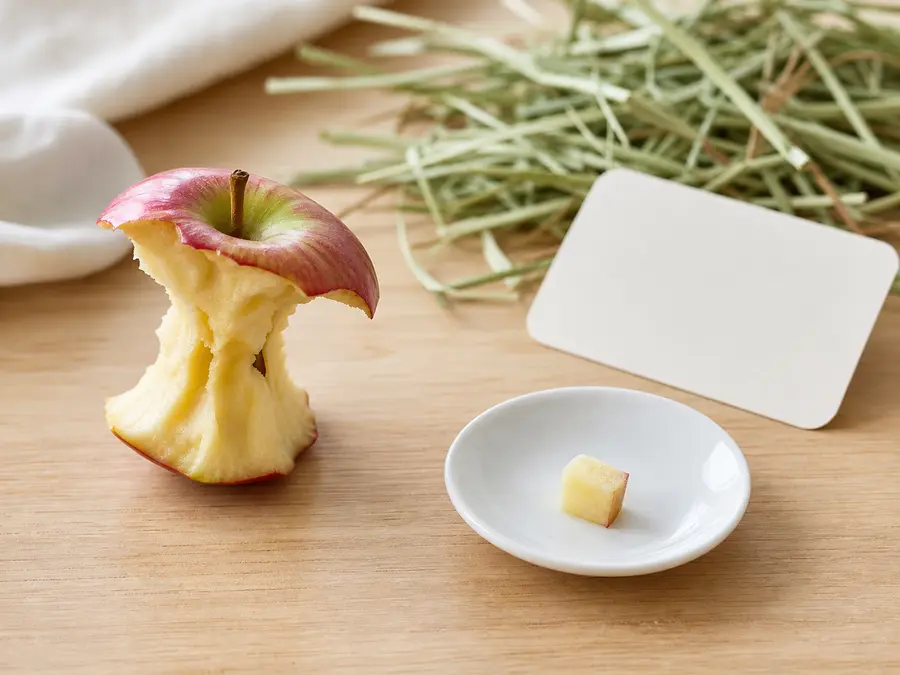
The useful apple treat is a tiny piece of plain flesh. Seeds, core, and stem should stay out of the habitat.
Keep fruit rare
Apple is sweet and wet. It should never replace hay, staple food, fresh water, or a needed vet call.
How to offer it
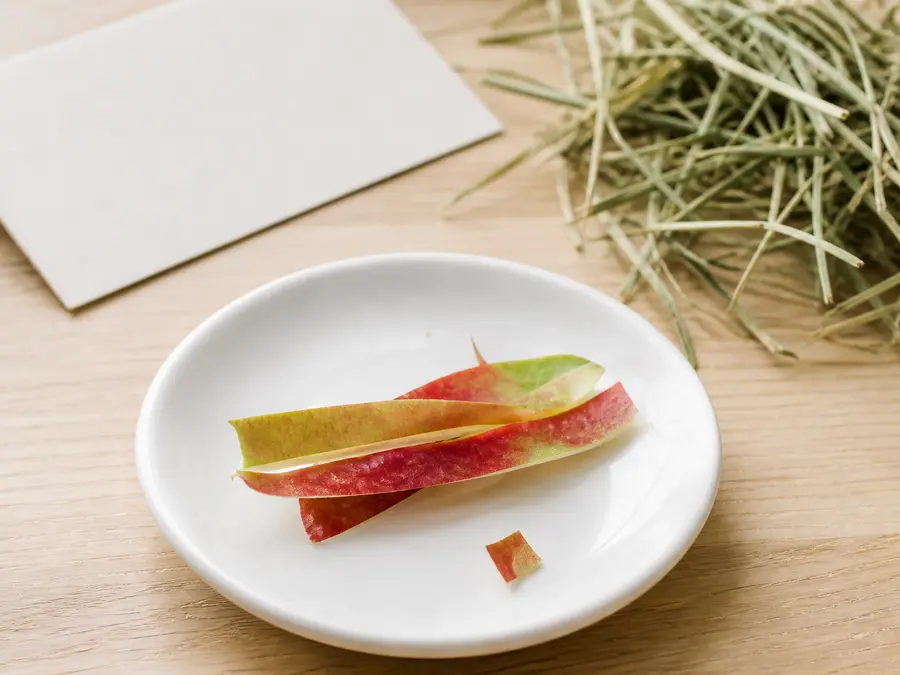
- Wash the apple, then cut a tiny piece from the flesh.
- Remove the core, stem, and every seed before the apple reaches the habitat.
- Take leftovers out before they brown, sour, or get stored in bedding.
Avoid
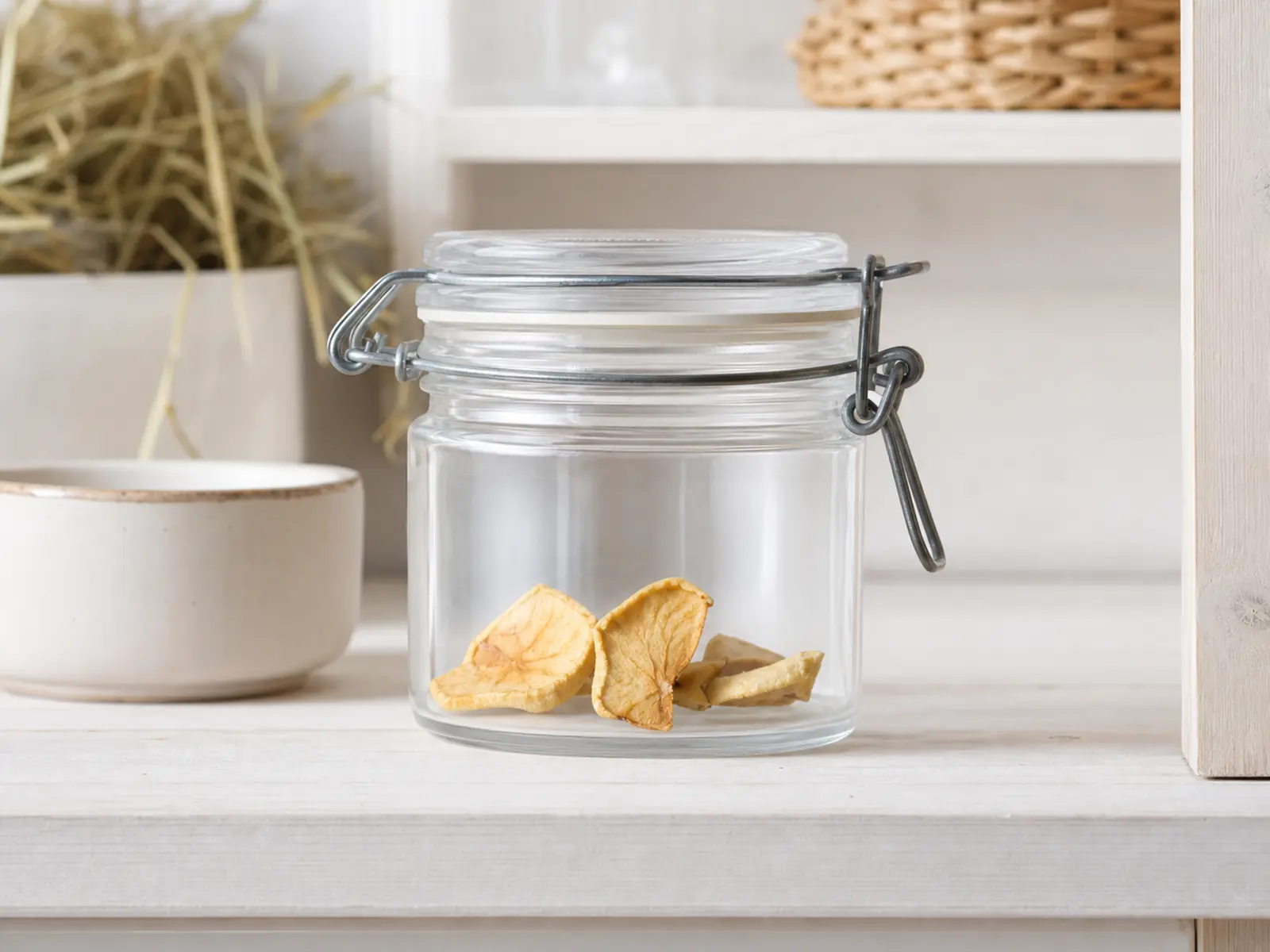
- Apple seeds, cores, stems, dried apple, sweetened apple foods, applesauce, juice, pie filling, or sticky leftovers.
- Fruit when appetite, stool, droppings, or energy are already abnormal.
- Apple for chinchillas or ferrets unless an exotic-pet veterinarian gives a specific plan.
Watch
- Stop and call an exotic-pet veterinarian if appetite drops, droppings or stool change, bloating appears, or the animal becomes quiet.
- For guinea pigs, chinchillas, or any weak animal, reduced eating or fewer droppings is urgent.
Portion
Guinea pigs or rats: pea-size. Hamsters, mice, or gerbils: crumb-size or less. Chinchillas and ferrets: none.
Helpful food-safety supplies
Optional tools for measuring, storing, serving, and cleaning up small portions safely.
Affiliate links: Furball Cove may earn from qualifying purchases at no extra cost to you.