Updated
Small mammal food safety
Can Small Mammals Eat Barley?
Use caution
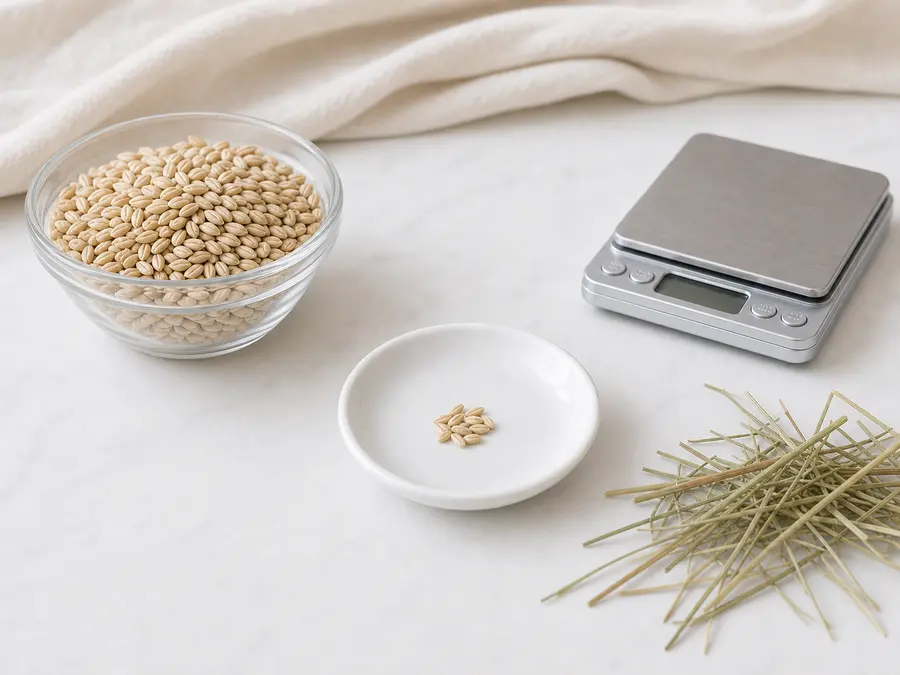
Barley is a measured grain extra, not a staple. A tiny plain amount may fit some hamsters, rats, mice, or gerbils. Guinea pigs, chinchillas, and ferrets should usually skip it unless a veterinarian gives a specific plan.
 Barley
Guinea pigs
Skip grains
Skip barley for guinea pigs unless a veterinarian gives a specific reason. Hay, vitamin C foods, pellets, and water matter more.
Syrian and dwarf hamsters
Tiny measured amount
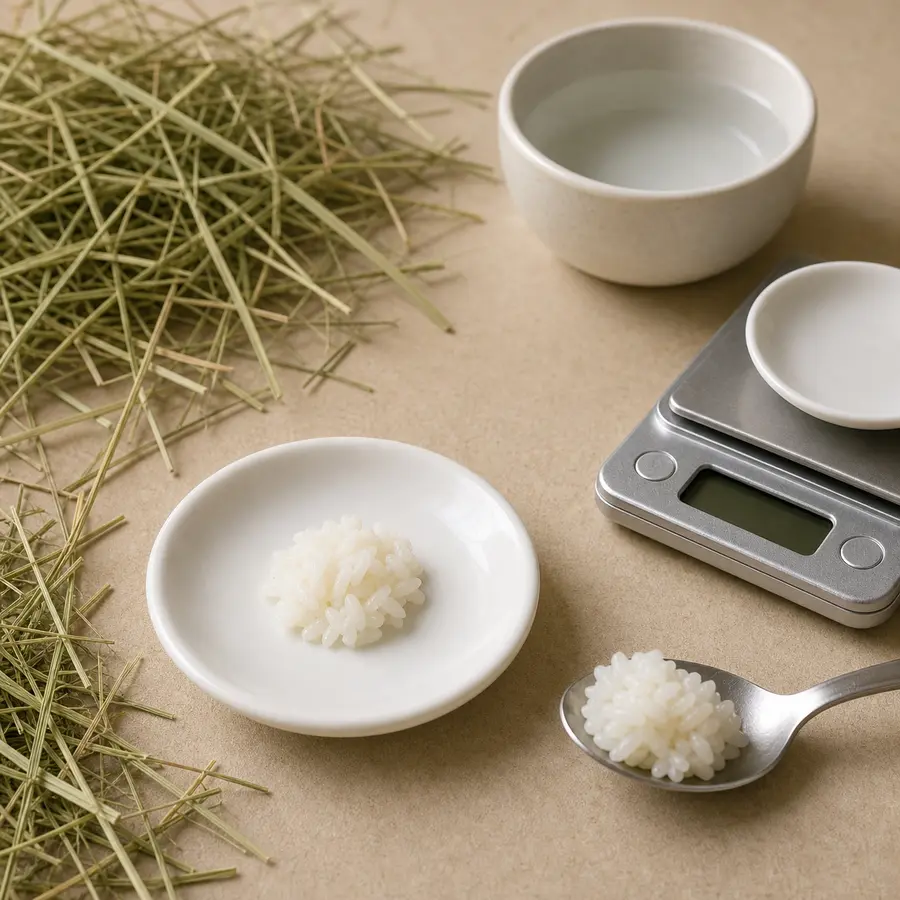
A hamster may have a few plain barley grains as a measured extra if the normal staple is still being eaten.
Rats
Tiny plain amount
A rat may have a tiny plain barley portion as an occasional starch extra, not as a bowl of grain.
Mice
Tiny grains
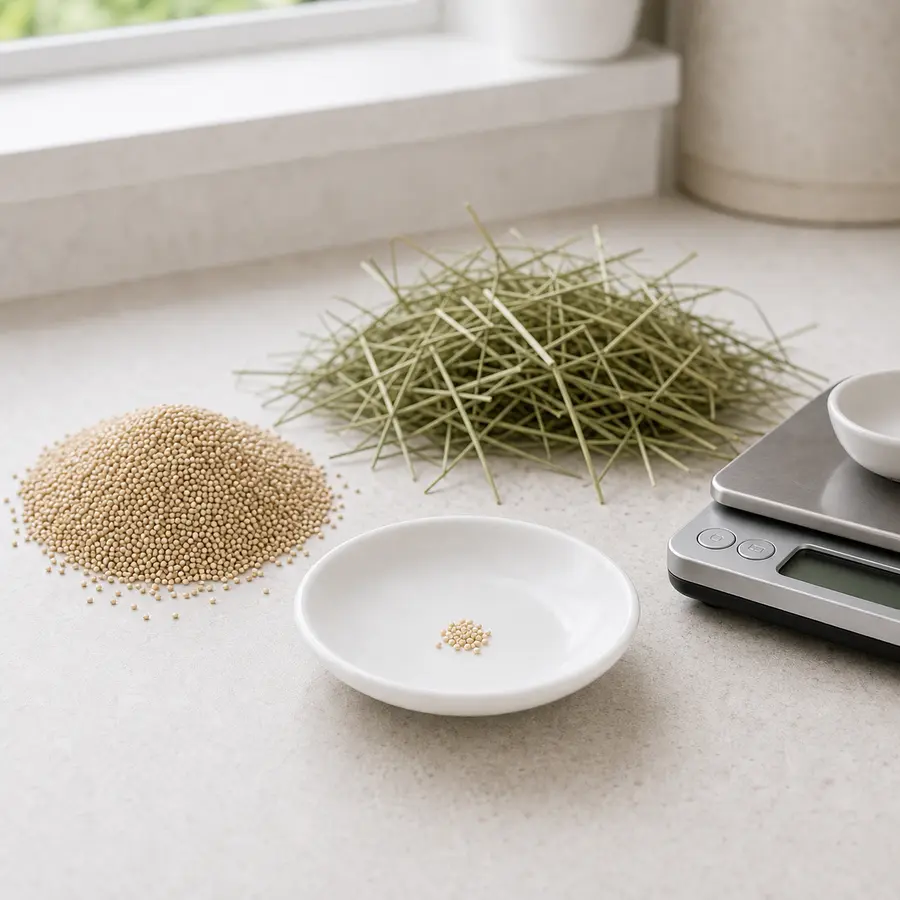
A mouse needs only a few plain grains. Remove stored pieces if the mouse starts selecting barley over the staple.
Gerbils
Tiny measured amount
A gerbil may have a tiny plain barley portion if it does not crowd out the normal gerbil food.
Chinchillas
Skip grains
Skip barley for chinchillas unless an exotic-pet veterinarian gives a specific plan.
Ferrets
Do not feed
Do not feed barley to ferrets. Ferrets need meat-based food, not grains.
It is an extra
Barley is starch. It should not become the food bowl, the main calorie source, or a replacement for hay where hay is required.
Watch selective feeding
If the animal eats barley and leaves the staple, remove the extra and reset the normal diet.
Keep it measured
- Use plain barley only, dry or cooked-and-cooled, with no salt, butter, oil, broth, milk, sugar, or seasoning.
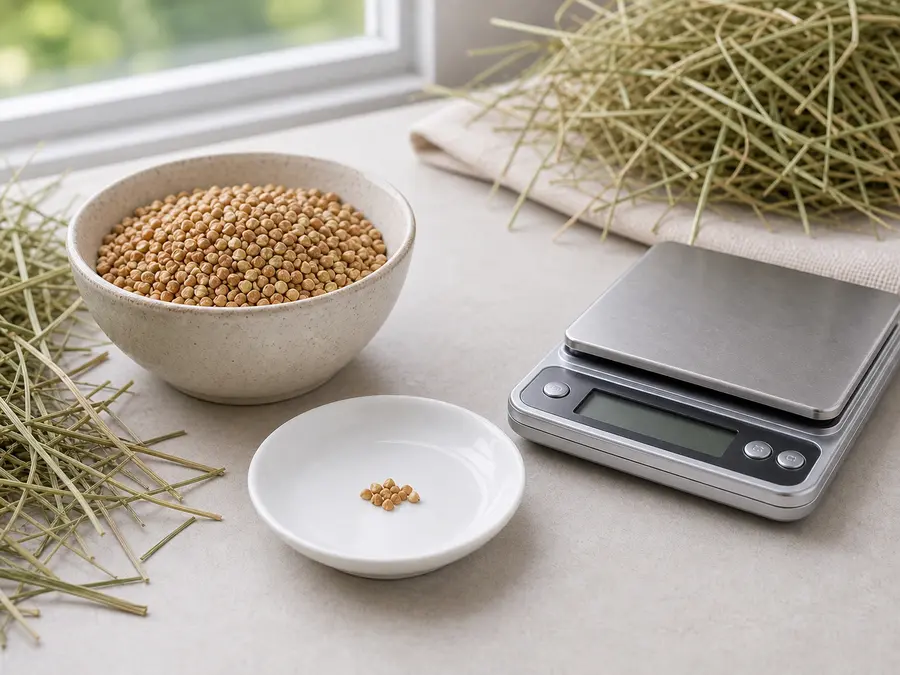
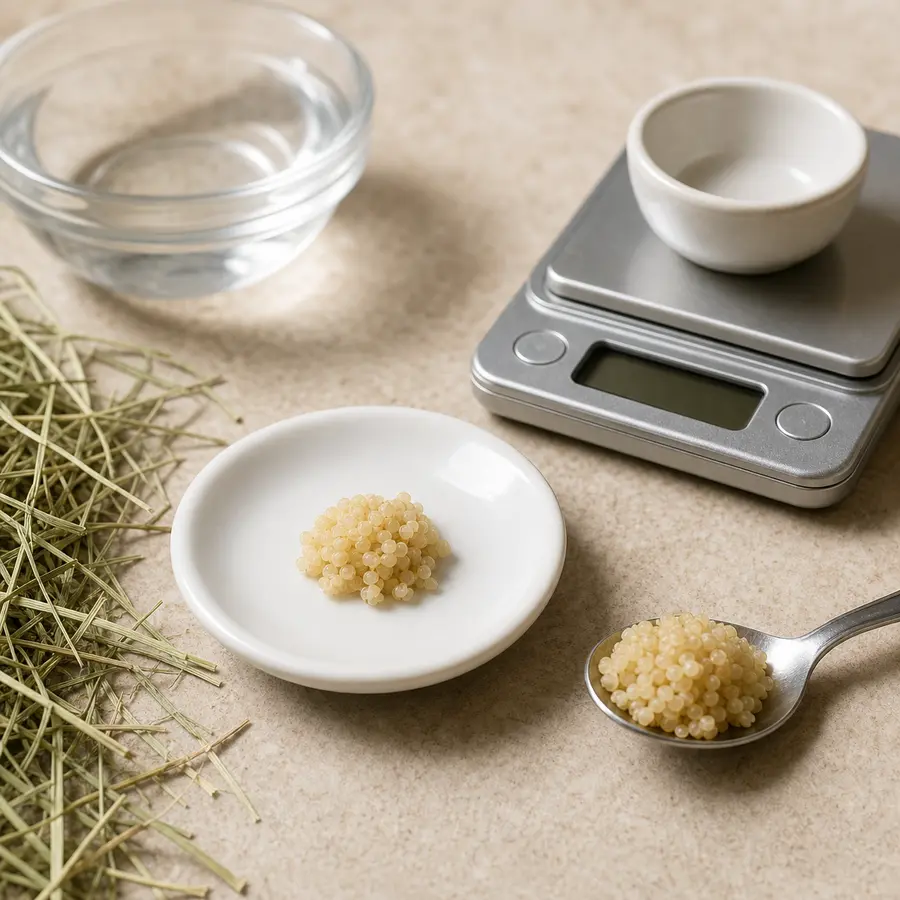
- Offer only a tiny measured amount, then put the rest away.
- Check hoards for stored grain so it does not become the diet or spoil after cooking.
Avoid
- Salted, buttered, sweetened, flavored, cereal-style, soup, stew, moldy, or stale barley.
- Large grain portions or favorite-piece feeding that replaces the balanced staple.
- Barley for guinea pigs, chinchillas, or ferrets unless an exotic-pet veterinarian gives a specific plan.
Watch
- Stop and call an exotic-pet veterinarian if appetite drops, droppings or stool change, bloating appears, or the animal becomes quiet.
- For guinea pigs, chinchillas, or any weak animal, reduced eating or fewer droppings is urgent.
Portion
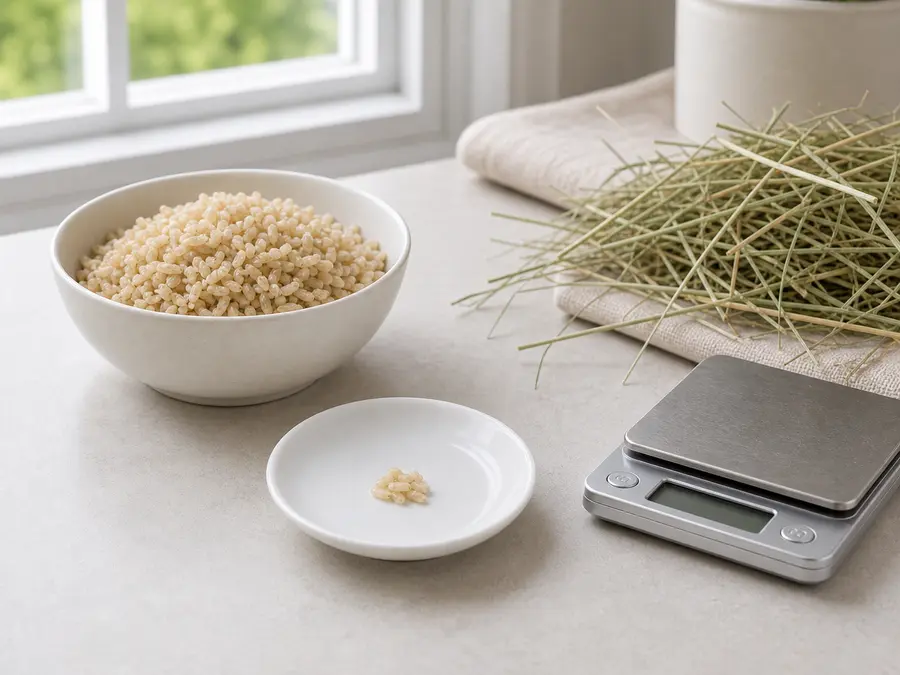
Use a few plain grains or a tiny pinch. Do not free-feed barley or use it to replace pellets, hay, or the normal diet.
Helpful food-safety supplies
Optional tools for measuring, storing, serving, and cleaning up small portions safely.
Affiliate links: Furball Cove may earn from qualifying purchases at no extra cost to you.