Updated
Small mammal food safety
Can Small Mammals Eat Brown Rice?
Use caution
Usually skip brown rice as routine food. A healthy rat, hamster, mouse, or gerbil may have a few plain cooked grains rarely; guinea pigs, chinchillas, and ferrets should skip it.
 Brown rice
Guinea pigs
Skip rice
Do not feed brown rice to guinea pigs. Keep hay, vitamin C foods, fresh water, and guinea-pig pellets central.
Syrian and dwarf hamsters
Few grains
A healthy hamster may have a few plain cooked grains rarely. Check the hoard and remove wet leftovers.
Rats
Few grains
A rat may have a few plain cooked grains rarely if the balanced staple is still being eaten.
Mice
One or two grains
A mouse needs only one or two plain cooked grains, and only rarely.
Gerbils
Few grains
A gerbil may have a few plain cooked grains rarely, but dry balanced food should stay central.
Chinchillas
Skip rice
Do not feed brown rice to chinchillas. Starchy cooked foods are a poor fit for hay-centered digestion.
Ferrets
Do not feed
Do not feed brown rice to ferrets. Ferrets need meat-based food, not grains.
Rice is a starch extra
For some omnivorous rodents, a few grains can fit as a rare extra, but rice adds little compared with the normal staple.
Do not use rice as medicine
If appetite, stool, droppings, or energy are abnormal, skip home food fixes and call an exotic-pet veterinarian.
Keep it plain
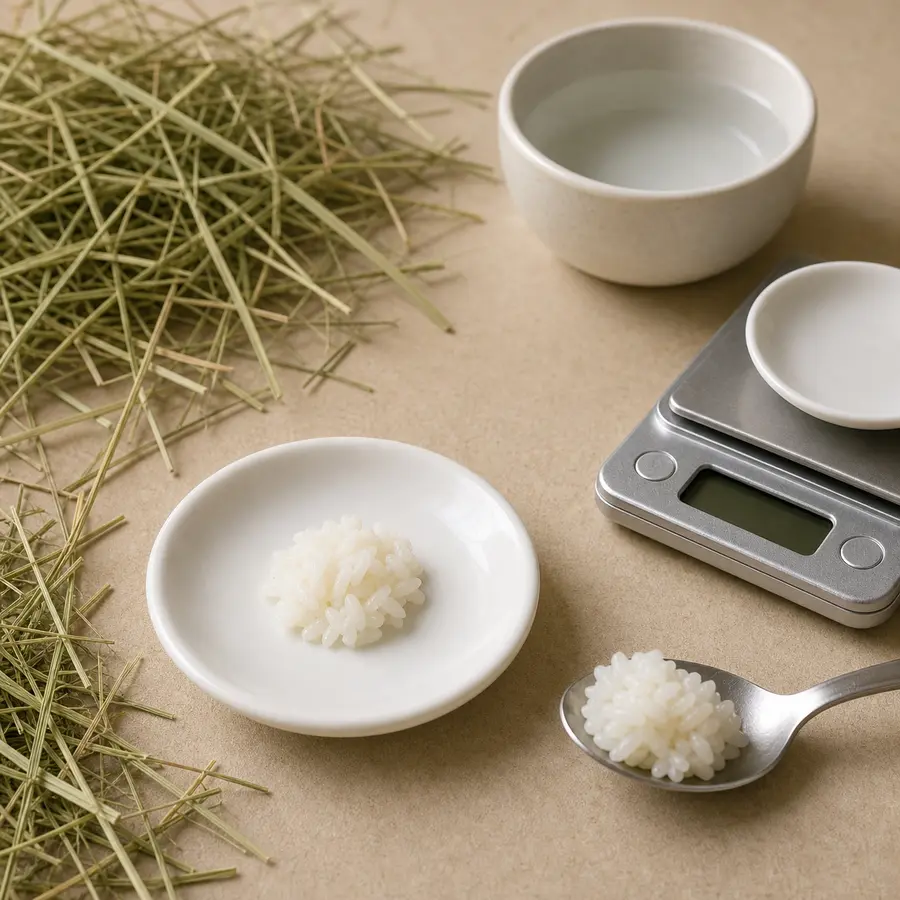
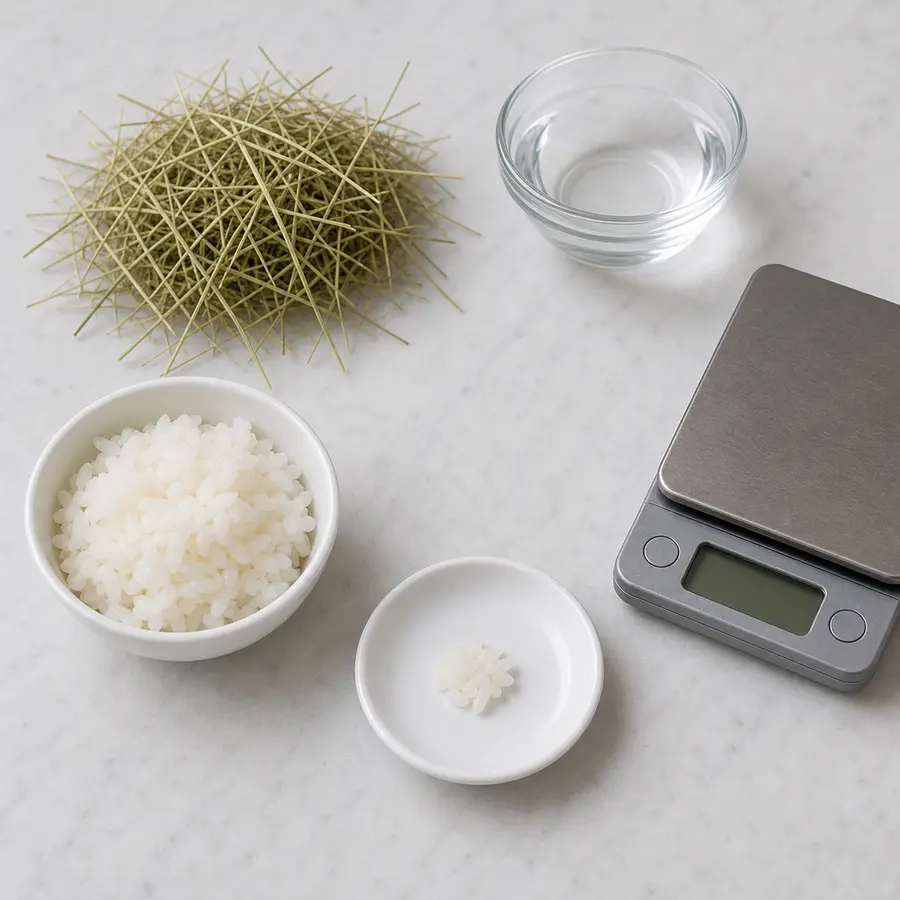
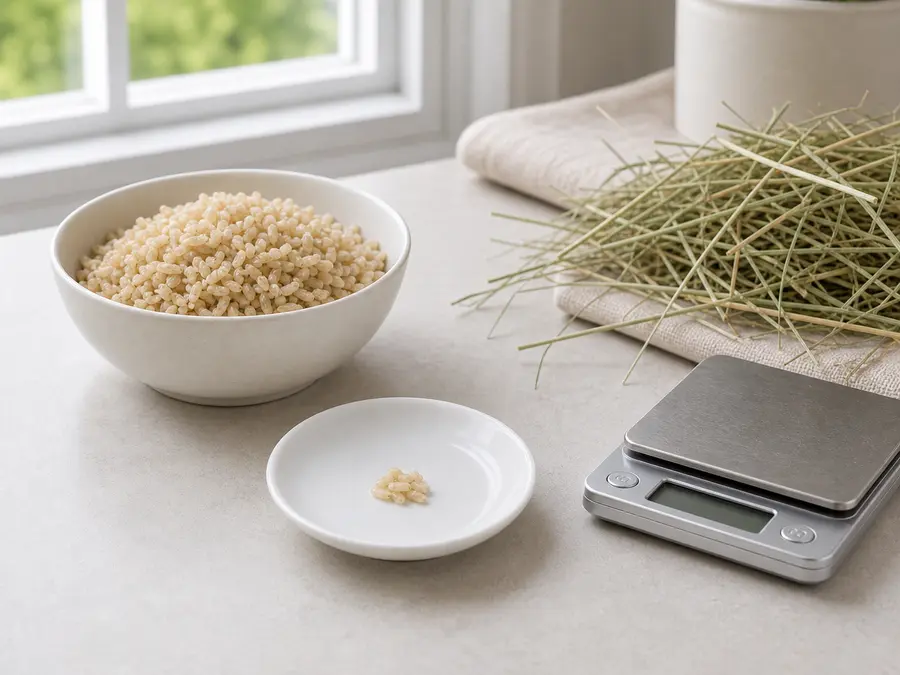
- Use only fully cooked brown rice with no salt, oil, butter, sauce, spices, onion, garlic, or broth.
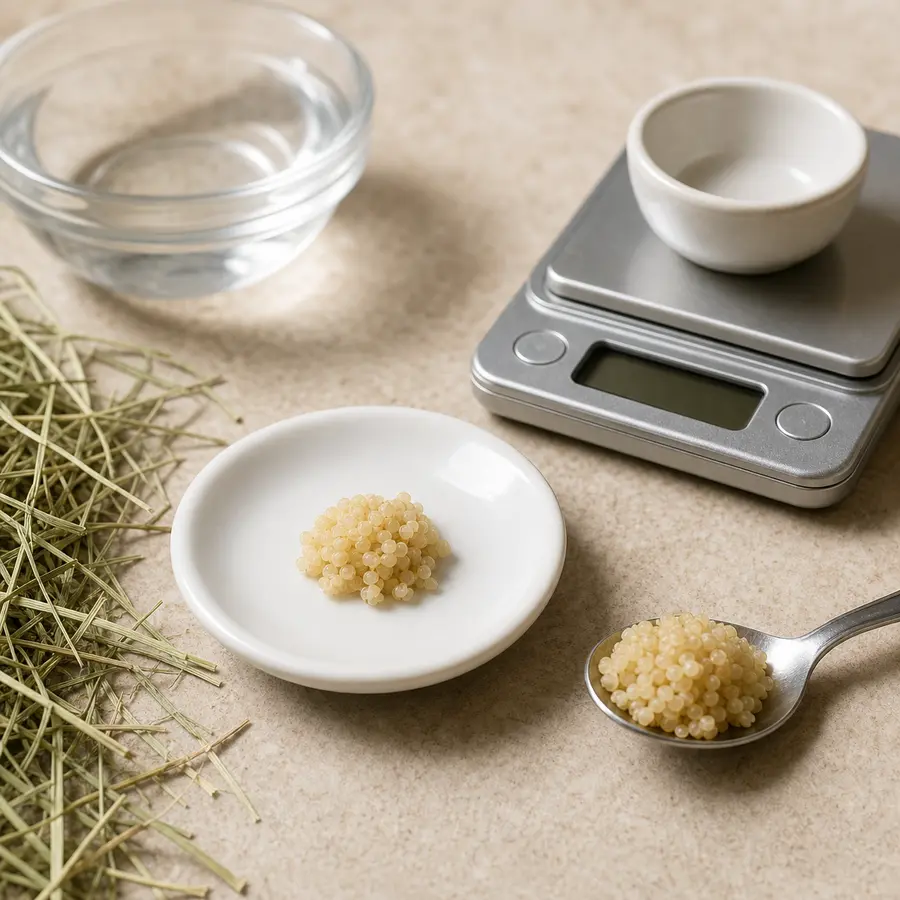
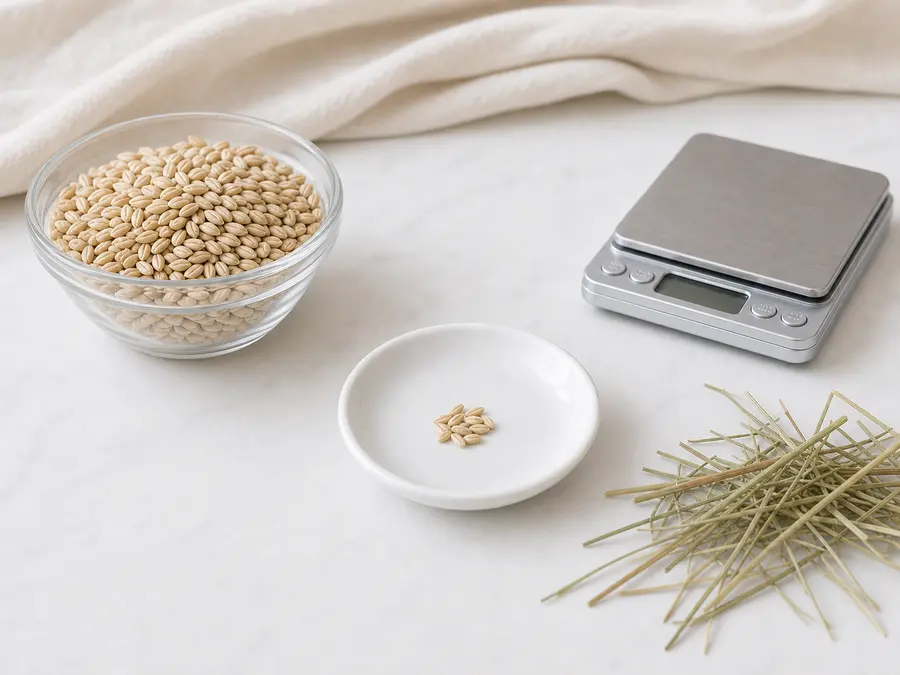
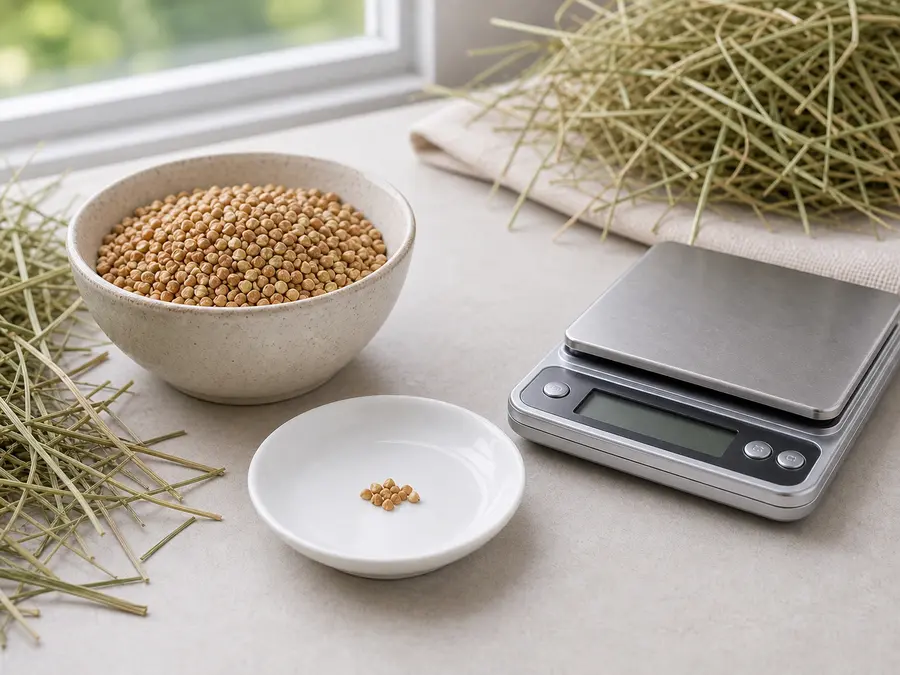
- Offer a few grains, not a spoonful.
- Remove wet leftovers and check hoards before rice dries into bedding or spoils.
Avoid
- Fried rice, seasoned rice, rice cooked with broth, rice mixes, rice pudding, salty leftovers, uncooked hard rice, or moldy rice.
- Brown rice for guinea pigs, chinchillas, or ferrets.
- Using rice to fix poor appetite, weight loss, diarrhea, or reduced droppings.
Watch
- Stop and call an exotic-pet veterinarian if appetite drops, droppings or stool change, bloating appears, or the animal becomes quiet.
- For guinea pigs, chinchillas, or any weak animal, reduced eating or fewer droppings is urgent.
Portion
For rats, hamsters, or gerbils, use a few cooked grains. For mice, one or two grains is enough. Guinea pigs, chinchillas, and ferrets get none.
Helpful food-safety supplies
Optional tools for measuring, storing, serving, and cleaning up small portions safely.
Affiliate links: Furball Cove may earn from qualifying purchases at no extra cost to you.