Updated
Small mammal food safety
Can Small Mammals Eat Botanical Hay?
Species-specific staple
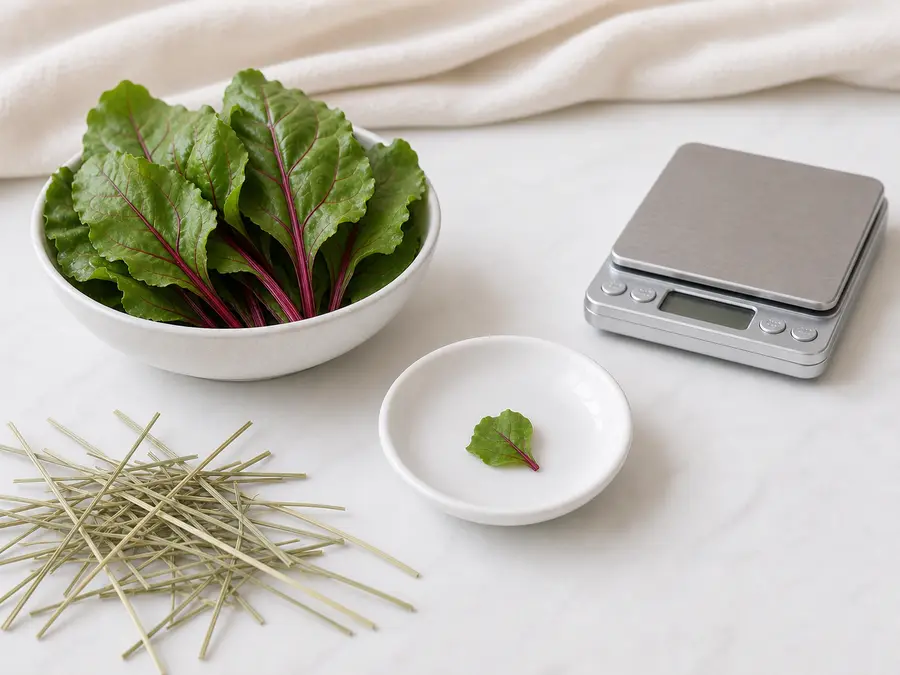
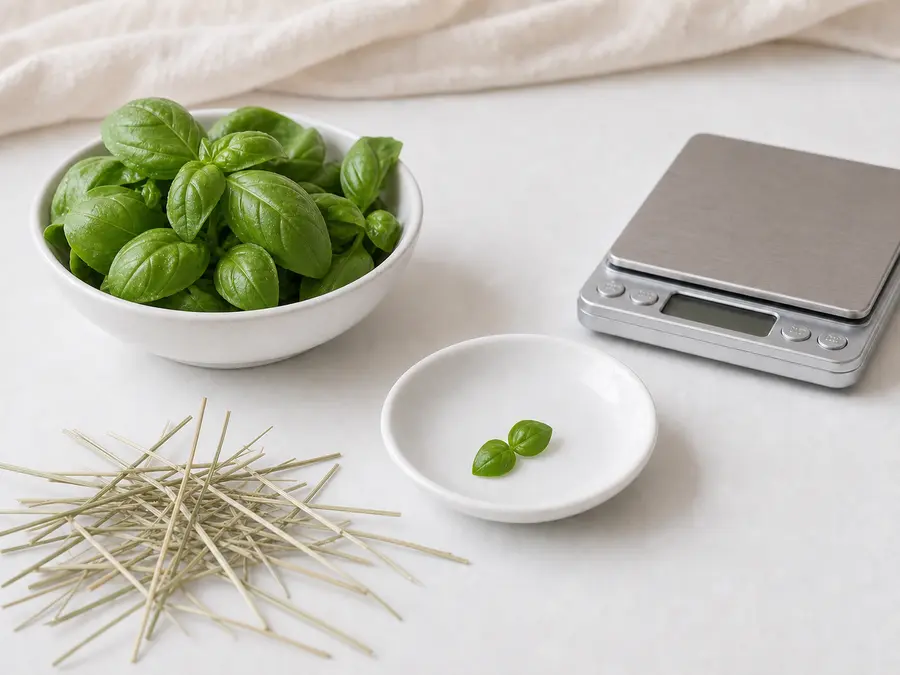
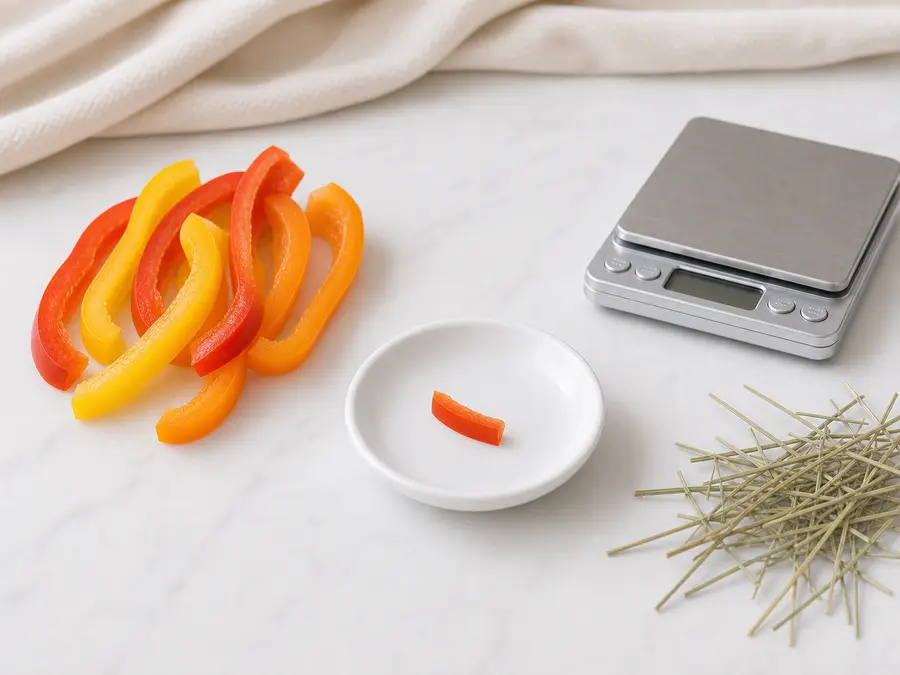
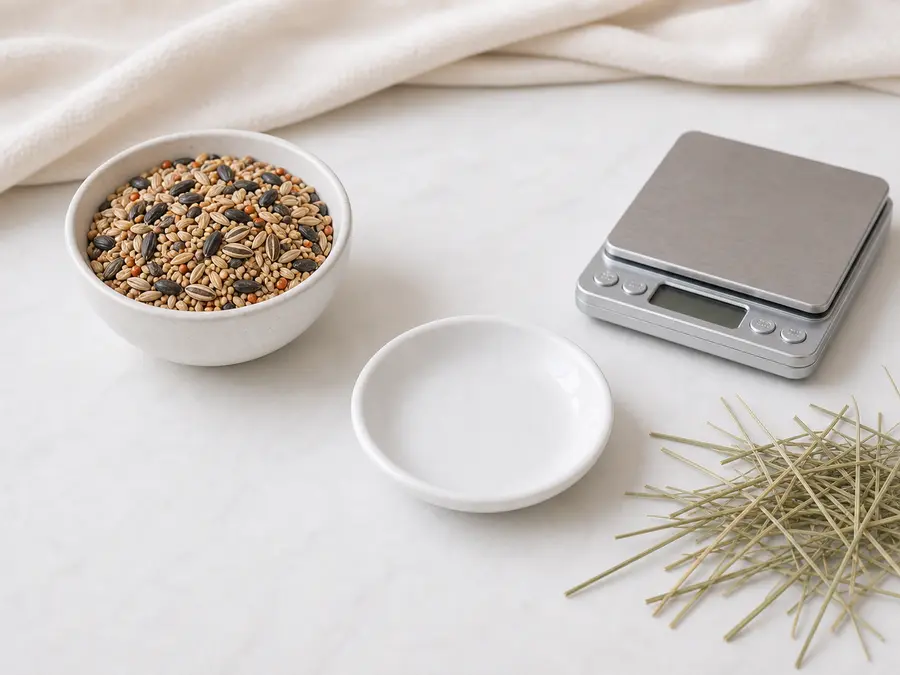
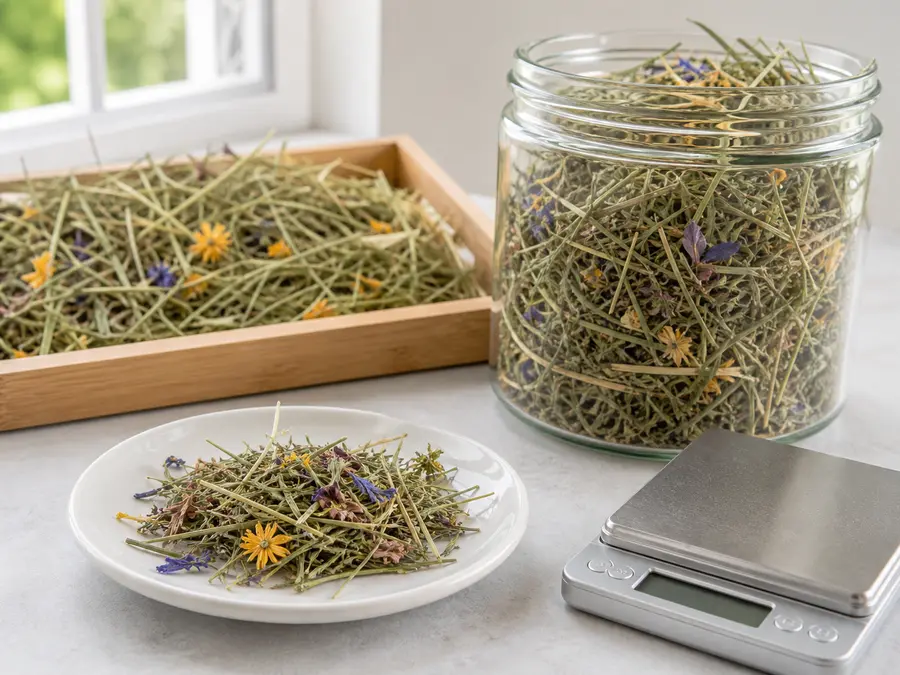
Botanical hay can be good for hay-eating small mammals when it is clean grass hay with safe dried herbs or flowers. Use it as daily hay variety for adult guinea pigs and chinchillas. For hamsters, rats, mice, and gerbils, it is enrichment, not a staple. Ferrets should not eat hay.
 Botanical hay
Guinea pigs
Hay variety
Botanical hay can be part of a guinea pig's daily grass-hay access when the mix is clean, dry, and free of unsafe add-ins.
Syrian and dwarf hamsters
Enrichment only
A hamster may use a small amount of clean botanical hay for nesting or nibbling, but it does not replace hamster food.
Rats
Enrichment only
Botanical hay can be enrichment for rats, not the base diet. Skip dusty or strongly scented mixes.
Mice
Enrichment only
Mice may use clean botanical hay for nesting enrichment, but it should not replace mouse food.
Gerbils
Enrichment only
Gerbils may use clean botanical hay for chewing and nesting, but avoid seed-heavy or treat-heavy blends.
Chinchillas
Hay variety
Botanical hay can be part of a chinchilla's grass-hay routine when it is clean, dry, and not sugary or dusty.
Ferrets
Do not feed
Do not feed botanical hay to ferrets. Ferrets need meat-based food, not forage.
Botanical should still mean hay
A good botanical hay is mostly clean grass hay with safe dried plants. It should not look like a candy-colored treat mix.
Quality is the safety check
Dust, dampness, mold, fragrance, and unknown plant pieces are the reasons to reject the bag.
Check the mix
- Use dry, fresh-smelling grass hay with clearly identified safe herbs or flowers.
- Shake out dust and discard damp, moldy, stale, or heavily perfumed hay.
- Keep the main hay supply clean, easy to reach, and replaced before it gets soiled.
Avoid
- Unknown plant pieces, essential oils, fragrance, seed-heavy blends, dried fruit, yogurt drops, colored treats, mold, damp hay, or dusty hay.
- Using botanical hay to replace a species-formulated staple for hamsters, rats, mice, or gerbils.
- Hay for ferrets.
Watch
- Stop and call an exotic-pet veterinarian if appetite drops, droppings or stool change, bloating appears, or the animal becomes quiet.
- For guinea pigs, chinchillas, or any weak animal, reduced eating or fewer droppings is urgent.
Hay role
Guinea pigs and chinchillas need constant clean grass hay access. Botanical hay can be part of that hay supply. Other rodents may get a small clean handful for nesting or nibbling. Ferrets get none.
Helpful food-safety supplies
Optional tools for measuring, storing, serving, and cleaning up small portions safely.
Affiliate links: Furball Cove may earn from qualifying purchases at no extra cost to you.