Updated
Small mammal food safety
Can Small Mammals Eat Apple Sticks?
Species-specific staple
Apple sticks are chew enrichment, not food. Use only clean, untreated, pesticide-free apple wood; skip painted, glued, moldy, sprayed, sharp, or unknown branches.
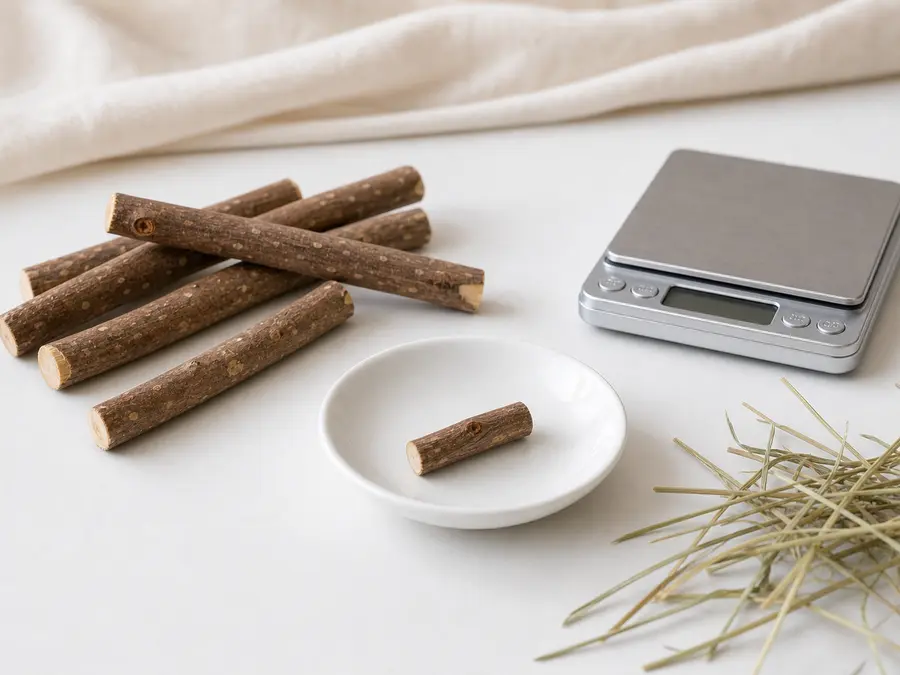 Apple sticks
Guinea pigs
Chew enrichment
A guinea pig may use a clean untreated apple stick for chewing, but it does not replace grass hay, vitamin C foods, pellets, or dental care.
Syrian and dwarf hamsters
Chew enrichment
A hamster may use a clean untreated apple stick as enrichment. Keep the normal food, water, and hoard checks steady.
Rats
Supervised chew
A rat may chew a clean untreated apple stick, but remove pieces that become sharp, wet, dirty, or small enough to swallow.
Mice
Small chew
A mouse may use a small clean apple stick for chewing and enrichment, not as food or bedding.
Gerbils
Chew enrichment
A gerbil may use a clean untreated apple stick for chewing. Remove unsafe splinters and keep the normal gerbil diet central.
Chinchillas
Chew enrichment
A chinchilla may use clean untreated apple wood for chewing, but hay remains the daily food base.
Ferrets
Skip wood
Skip apple sticks for ferrets. Use ferret-safe toys and a meat-based diet instead of wood chews.
It is a chew, not food
The purpose is safe chewing and enrichment. The daily diet still comes from the species-appropriate staple, hay when needed, and water.
Source matters
Unknown branches can carry pesticide, roadside residue, mold, or treatment chemicals. Use only clean apple wood you can trust.
Check the source
- Use only untreated, pesticide-free apple wood sold or prepared for pet chewing.
- Choose a smooth, dry stick without mold, glue, paint, dye, sharp splinters, or unknown bark treatments.
- Remove the stick when it becomes wet, dirty, heavily splintered, or small enough to swallow.
Avoid
- Painted, dyed, glued, scented, moldy, sprayed, wild, roadside, orchard-treated, or unknown branches.
- Using chew sticks as a substitute for hay, pellets, fresh water, or a needed dental check.
- Ferrets chewing wood unless a ferret-capable veterinarian approves the item.
Watch
- Stop and call an exotic-pet veterinarian if appetite drops, droppings or stool change, bloating appears, or the animal becomes quiet.
- For guinea pigs, chinchillas, or any weak animal, reduced eating or fewer droppings is urgent.
Hay role
Use one clean chew stick at a time. It should support chewing, not replace hay, pellets, fresh water, or the normal diet.
Helpful food-safety supplies
Optional tools for measuring, storing, serving, and cleaning up small portions safely.
Affiliate links: Furball Cove may earn from qualifying purchases at no extra cost to you.