Updated
Small mammal food safety
Can Small Mammals Eat Cereal?
Use caution
Usually no. Breakfast cereal is a product, not a plain grain: sugar, salt, flavoring, fortification, milk, raisins, or chocolate can change the risk. Use the normal diet or a plain grain guide instead.
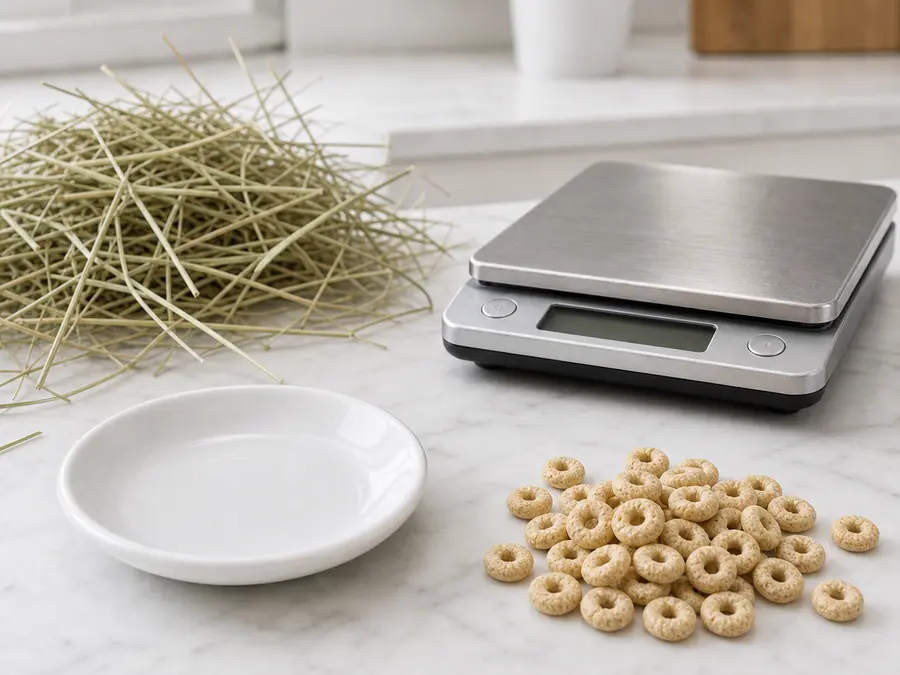 Cereal
Guinea pigs
Skip cereal
Do not feed breakfast cereal to guinea pigs. Hay, vitamin C foods, fresh water, and guinea-pig pellets matter more.
Syrian and dwarf hamsters
Better skip it
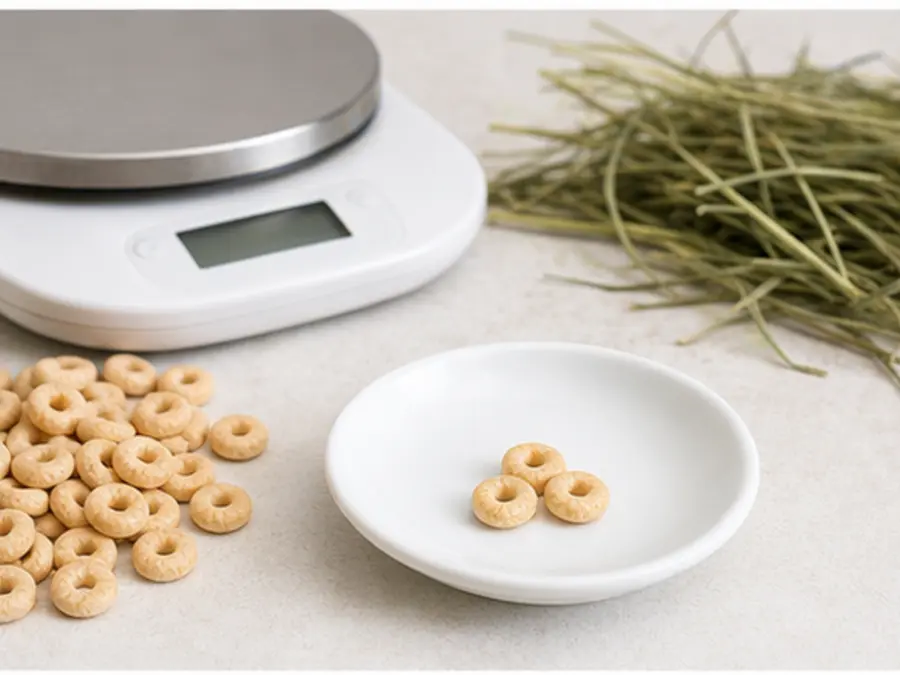
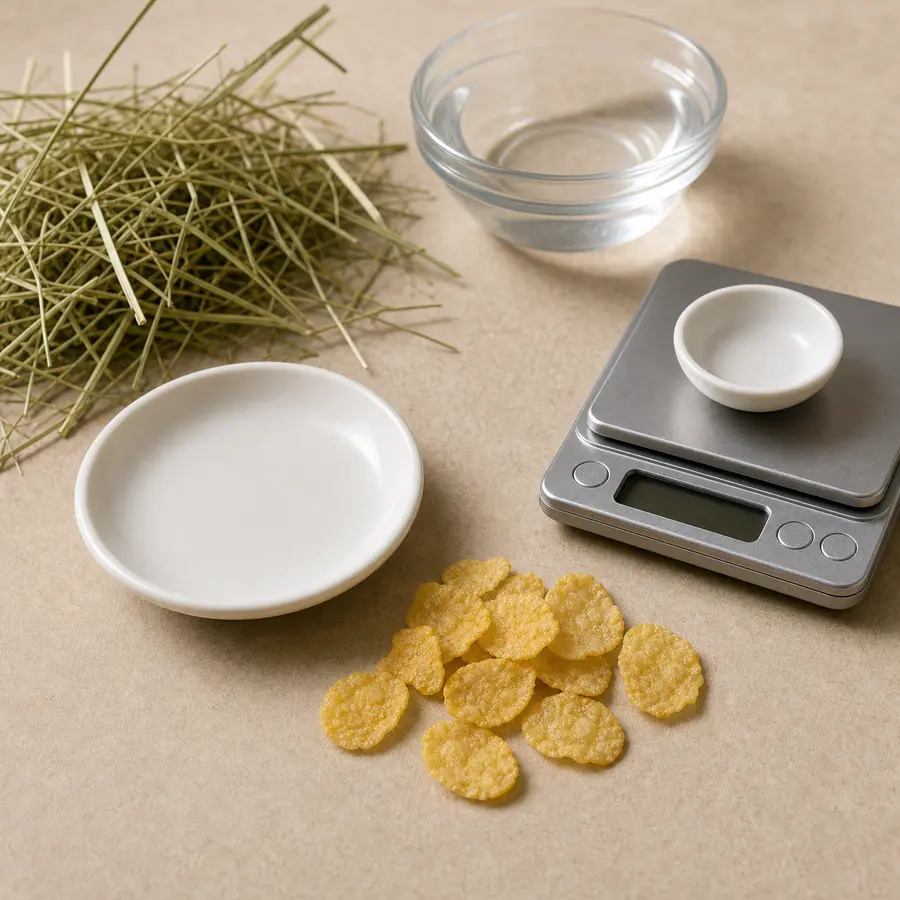
A plain dry cereal ring is not usually an emergency for a healthy hamster, but it should not become a treat plan.
Rats
Better skip it
A plain dry cereal piece is not usually an emergency for a rat, but balanced rat food and plain fresh foods are better choices.
Mice
Better skip it
At mouse size, cereal is easy to overdo. Skip it and use mouse-appropriate food.
Gerbils
Better skip it
A gerbil is better served by a balanced gerbil diet than breakfast cereal or sweet grain pieces.
Chinchillas
Skip cereal
Do not feed cereal to chinchillas. Processed grains and sugars are poor fits for hay-centered digestion.
Ferrets
Do not feed
Do not feed cereal to ferrets. Ferrets need meat-based food, not processed grain.
Cereal is not a plain grain
Breakfast cereal is manufactured food. Sugar, salt, flavoring, fortification, milk, raisins, chocolate, and marshmallows change the risk.
Use the plain-food page
If the real question is oats, barley, or another grain, follow that plain ingredient instead of a cereal product.
Use real food instead
- Use the normal species food instead of breakfast cereal.
- If a dry plain piece was already eaten, remove the rest and check the ingredient type.
- For a grain question, look up the plain grain itself, such as oats, barley, or buckwheat.
Avoid
- Sugary cereal, chocolate cereal, frosted cereal, marshmallow cereal, granola clusters, milk-soaked cereal, fortified cereal used as a supplement, and cereal with raisins or nuts.
- Cereal for guinea pigs, chinchillas, ferrets, or any animal with appetite, stool, weight, dental, or digestive concerns.
- Using cereal to fix poor appetite, reward begging, or replace the balanced staple.
Watch
- Reduced appetite, fewer droppings, soft stool, diarrhea, bloating, quietness, thirst changes, or unusual posture after processed food.
- Call an exotic-pet veterinarian promptly for a tiny, weak, guinea pig, or chinchilla if appetite or droppings change.
Portion
No routine cereal portion is recommended. A stolen plain dry piece is a cleanup-and-watch event for some healthy rodents, not permission to keep feeding cereal.
Helpful food-safety supplies
Optional tools for measuring, storing, serving, and cleaning up small portions safely.
Affiliate links: Furball Cove may earn from qualifying purchases at no extra cost to you.