Updated
Small mammal food safety
Can Small Mammals Eat Dried Fruit?
Tiny treat only
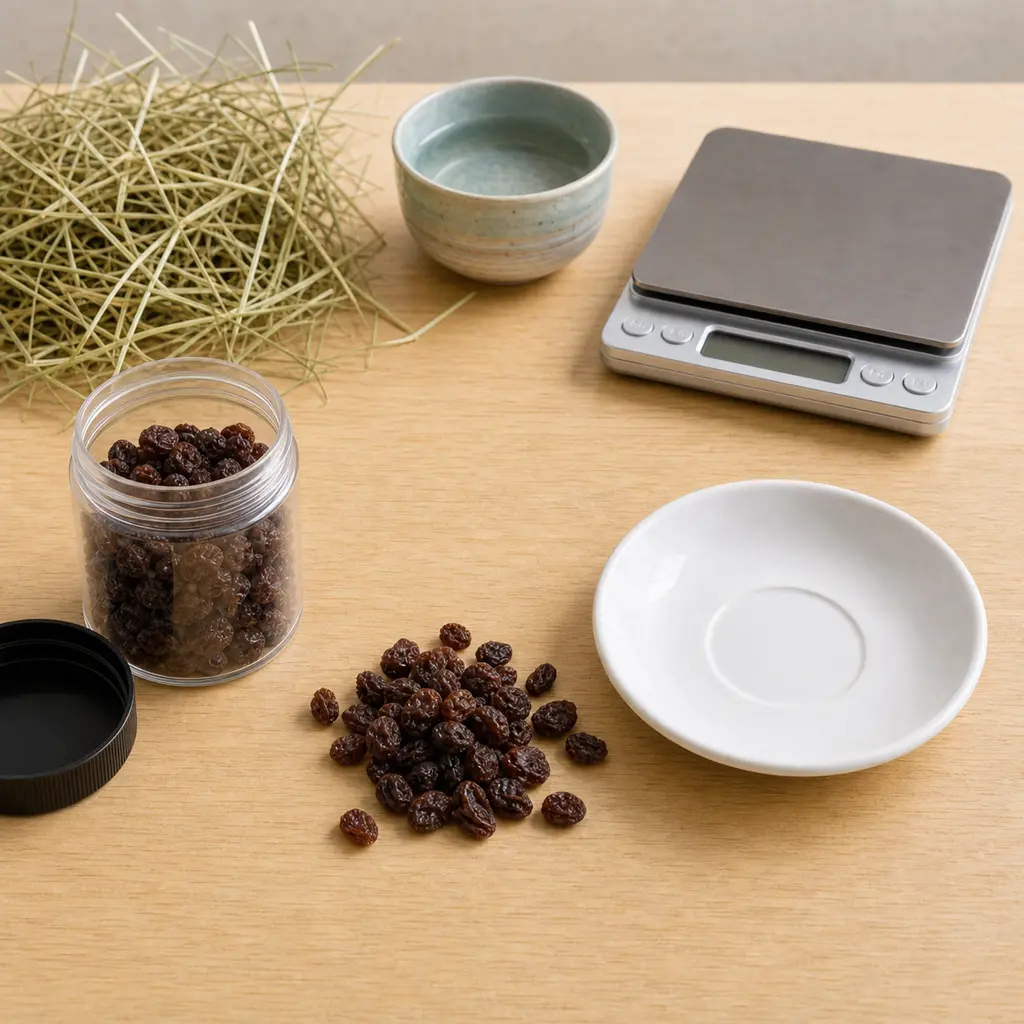
Usually skip dried fruit for small mammals. It concentrates sugar, sticks to bedding and teeth, and is harder to portion safely than fresh fruit.
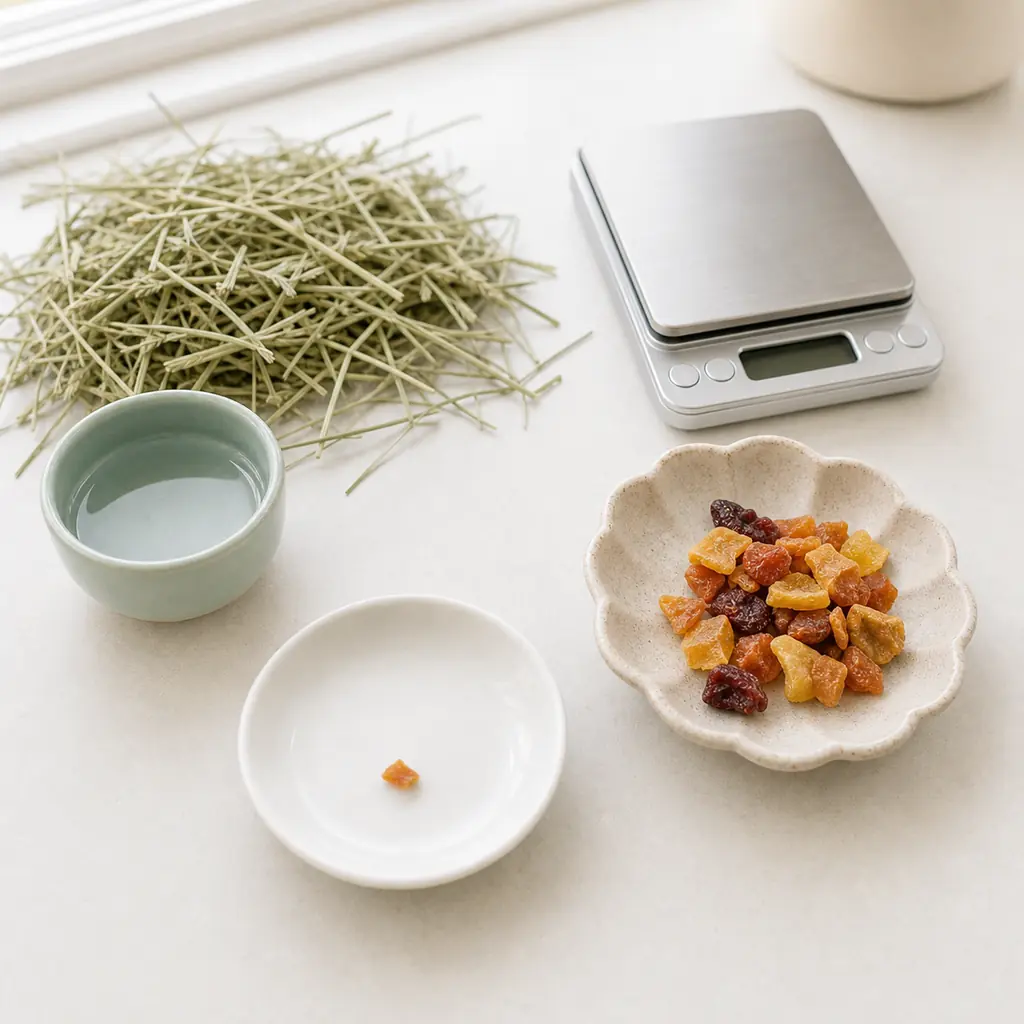 Dried fruit
Guinea pigs
Skip dried fruit
Skip dried fruit for guinea pigs. Fresh vitamin C foods and hay matter more than sticky sugar.
Syrian and dwarf hamsters
Usually skip
Dried fruit is easy to hoard and overdo for hamsters. Skip it, especially for dwarf, overweight, or unwell hamsters.
Rats
Usually skip
Rats do better with controlled fresh foods than sticky dried fruit. Remove dried fruit from sweet mixes.
Mice
Usually skip
A dried fruit crumb can still be a lot at mouse size and may be hoarded. Usually skip it.
Gerbils
Usually skip
Gerbils do best with a dry, steady routine, but dried fruit is still concentrated sugar. Skip it.
Chinchillas
Do not feed
Do not feed dried fruit to chinchillas. Sticky sugar is a poor fit for hay-centered digestion.
Ferrets
Do not feed
Do not feed dried fruit to ferrets. Ferrets need meat-based food, not fruit.
Drying changes the food
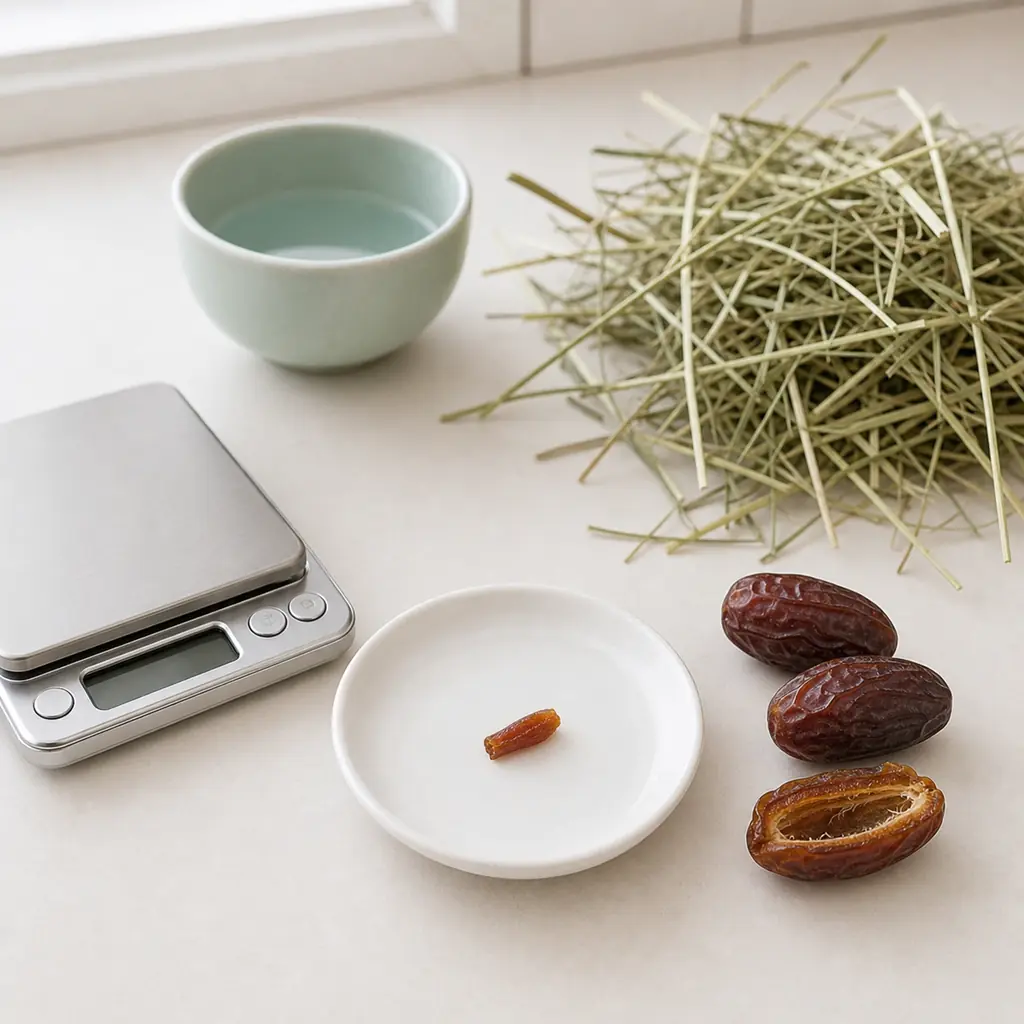
A dried piece is smaller, sweeter, stickier, and easier to overfeed than the fresh fruit it came from.
Check mixes
Dried fruit often appears in treat sticks, trail mix, granola, and colorful pellet mixes. Remove it before it becomes the favorite piece.
Better choice
- Choose a tiny fresh fruit piece only when the species row allows fruit.
- Remove dried fruit from pellets, trail mix, seed mixes, treat sticks, granola, and hoards.
- Clean sticky residue from bowls, bedding, and paws if a piece was chewed.
Avoid
- Raisins, dried grapes, dried berries, dried apple, dried banana chips, dried mango, sweetened fruit, sulfur-treated fruit, trail mix, granola, and yogurt-coated fruit.
- Dried fruit for guinea pigs, chinchillas, ferrets, young or weak animals, or animals with digestive, dental, weight, urinary, or appetite concerns.
- Using dried fruit because the piece looks small; drying makes it more concentrated.
Watch
- Stop and call an exotic-pet veterinarian if appetite drops, droppings or stool change, bloating appears, or the animal becomes quiet.
- For guinea pigs, chinchillas, or any weak animal, reduced eating or fewer droppings is urgent.
Portion
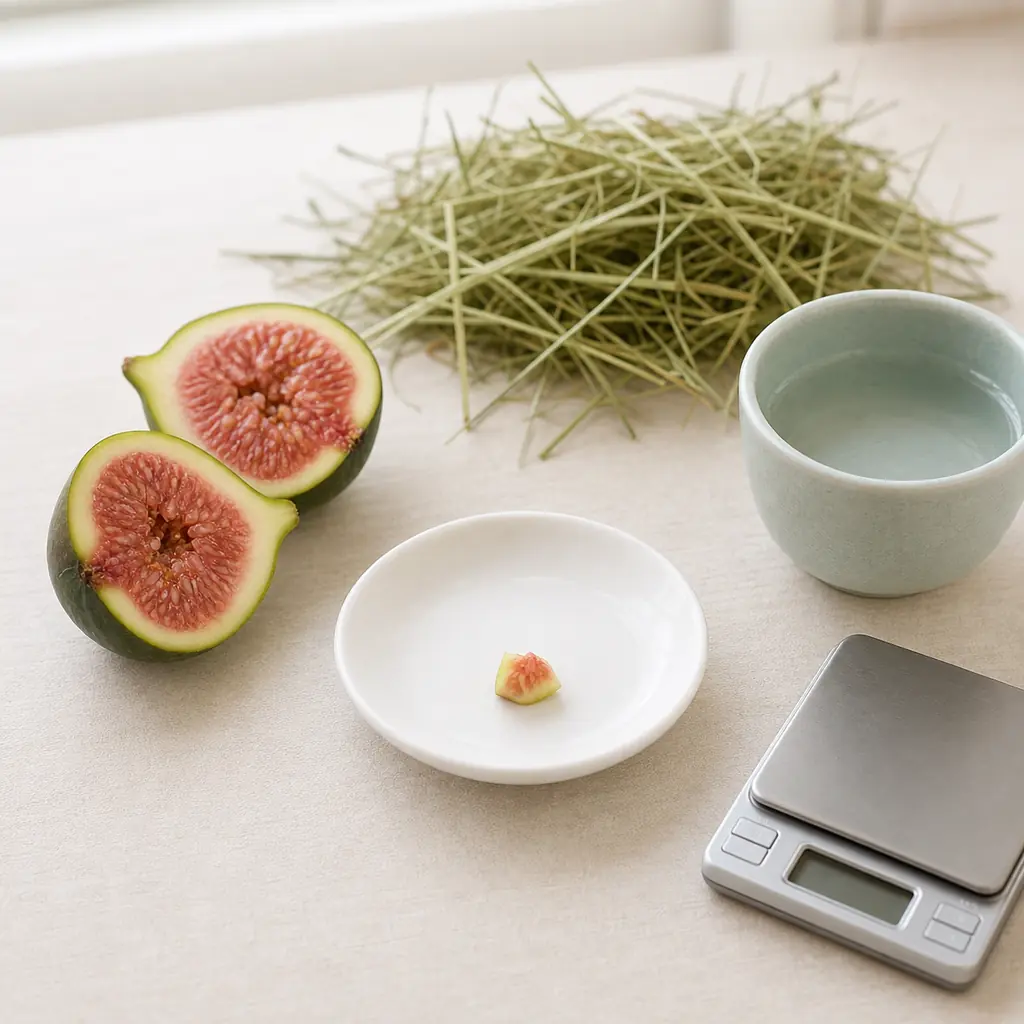
No routine dried-fruit portion. For most small mammals, the safer portion is none.
Helpful food-safety supplies
Optional tools for measuring, storing, serving, and cleaning up small portions safely.
Affiliate links: Furball Cove may earn from qualifying purchases at no extra cost to you.